
Sauces & Condiments
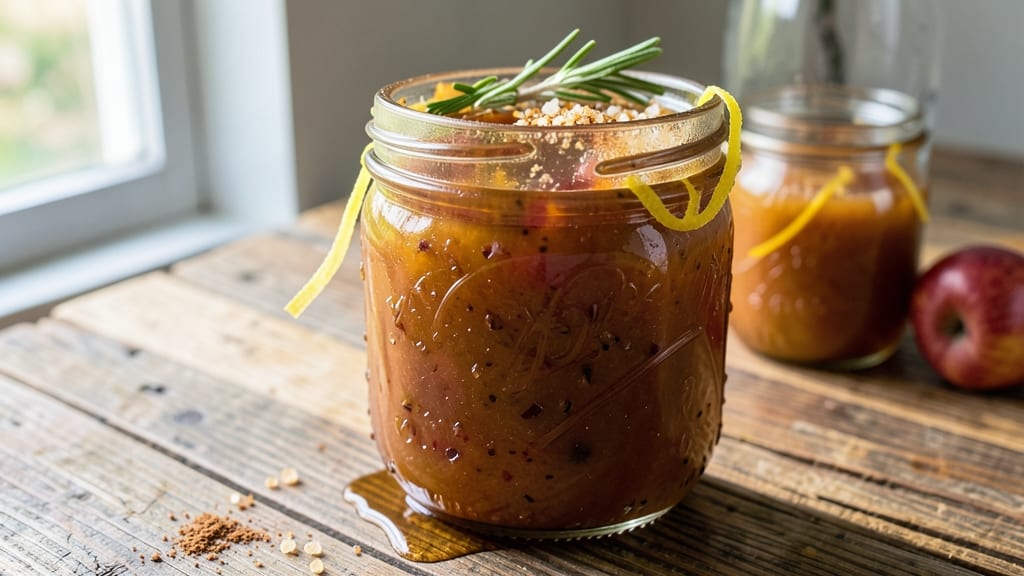
Canning crab apple sauce transforms seasonal harvests into year-round preserves with that perfect balance of tartness and sweetness—ideal for pairing with meats, desserts, or simply spreading on toast. The key lies in selecting the right crab apples (their natural pectin ensures a thick, gel-like consistency without added commercial pectin) and following precise canning techniques to maintain safety and flavor. I’ve perfected this method over years of testing, ensuring every jar delivers that vibrant, slightly tangy profile that tastes like autumn in a spoon.
This recipe requires just five core ingredients—crab apples, sugar, cinnamon, lemon juice, and citric acid (for acidity)—along with basic canning equipment: a water bath canner, pint-sized jars, and lids.
The process is straightforward but demands attention to detail, particularly when sterilizing jars and monitoring the water bath’s temperature to achieve a proper seal.
What makes this sauce special is its versatility: use it as a glaze for roasted pork, a topping for cheesecake, or a tangy accompaniment to sharp cheddar.
The result is a thick, jewel-toned sauce with a texture that’s neither too syrupy nor too chunky—just right for spreading, drizzling, or baking. Each jar keeps for up to 12 months in a cool, dark pantry, preserving that bright crab apple flavor without losing its natural tartness.
Whether you’re a seasoned canner or trying your hand at preserving for the first time, this method delivers professional-quality results with minimal fuss.
For those with extra time, consider adding a splash of apple cider or a pinch of cloves to deepen the flavor profile. The sauce also freezes beautifully if you prefer not to can. Let’s get started on preserving that harvest before the season ends!
Ingredients for crab apple sauce canning
Five core ingredients transform tart crab apples into jewel-toned preserves perfect for canning.
| Ingredient | Amount | Notes |
|---|---|---|
| Crab Apples 🍎 | 6 lb | Firm, unblemished, tart variety preferred |
| Granulated Sugar 🍚 | 3 cups | White or light brown preferred |
| Ground Cinnamon 🌿 | 1 ½ tsp | Freshly ground for optimal aroma |
| Fresh Lemon Juice 🍋 | ½ cup | From 2-3 medium lemons |
| Citric Acid 🧪 | ½ tsp | Essential for proper acidity level |
| Apple Cider Vinegar 🍶 | 1 tbsp | For additional acidity balance |
| Pint-Sized Mason Jars 🥫 | 6 whole | With two-piece lids for sealing |
| Water Bath Canner 🍲 | 1 whole | Large pot with rack included |
The crab apples are non-negotiable—select firm, unblemished fruit with high natural pectin content for that signature gel-like texture. Local orchards or specialty produce markets often carry them in fall, but frozen crab apples (thawed and drained) work in a pinch. For optimal flavor, use a mix of Golden Russet and Granny Smith varieties if available. The sugar should be white or light brown—dark molasses can overpower the delicate tartness. Ball or Kerr jars are ideal for canning, but any pint-sized mason jars with two-piece lids will suffice. Always check for nicks or cracks in the jars before use, as imperfections can compromise the seal.
No citric acid? Powdered ascorbic acid works at the same ratio, though it may slightly alter the flavor profile. Substitute apple cider vinegar with white vinegar if needed, but reduce to 1 tbsp to avoid over-acidifying. For a deeper flavor, consider adding 1 tsp of ground cloves or 1/4 cup of apple cider during cooking. If you’re short on time, pre-peeled frozen crab apples (thawed and drained) can replace fresh, though texture may vary slightly. The sauce’s acidity is critical—never skip the citric acid unless you’re using an alternative with proven acidity, like bottled lemon juice with added citric acid.
Sterilize jars and lids in boiling water for 10 minutes before filling, then process in a water bath canner for 15 minutes to ensure a proper seal. Store sealed jars in a cool, dark pantry where they’ll keep for up to 12 months. For long-term storage, freeze unopened jars for up to 18 months. The sauce thickens as it cools, so stir occasionally during the first 24 hours to redistribute any settled spices. Once opened, refrigerate and consume within 2 weeks—the flavor only improves with time, but texture may thin slightly.
Why You'll Love This Recipe
- No Peel, No Stress: I’ll be real—crab apples are tiny and stubborn, but you don’t even have to wash or peel them. Just toss the whole fruit (stems and all) into the pot, and the sugar and lemon juice do the rest. The only prep is measuring sugar and cinnamon, which takes less time than scrolling through your phone.
- Tart-Sweet Magic: That first bite of bright, tangy crab apples balanced with just enough sugar? It’s like autumn in a jar. The citric acid keeps it fresh-tasting for months, and the cinnamon adds warmth without overpowering—perfect for when you want flavor that actually sings.
- Pantry Goldmine: This sauce isn’t just for pies. Spread it on toast with butter, stir it into oatmeal, or drizzle it over vanilla ice cream. (Yes, even on a Tuesday night.) It’s my go-to for quick breakfasts, holiday gifts, or when company drops by unexpectedly—no last-minute shopping required.
- Zero Waste, Maximum Savings: Crab apples are cheap and often go unused, but this recipe turns them into something useful. One batch makes 7 jars, and the sugar and citric acid stretch your dollar further than store-bought preserves. Plus, the leftovers? Still delicious weeks later—no sad, wilted fruit here.
Step-by-step instructions for preserving crab apple sauce
Transform tart crab apples into beautifully balanced preserves through precise canning techniques.
Prepare the Crab Apples for Cooking
Begin by thoroughly washing the 6 lb of crab apples under cool running water to remove any dirt or debris. Using a sharp chef's knife, quarter each apple, removing the core and any bruised or blemished sections. You'll want to work efficiently here—crab apples brown quickly when exposed to air, so keep them submerged in a bowl of cold water while you prepare them all.
Transfer the prepared apple quarters to a large stainless steel pot. Add the 0.5 cup of fresh lemon juice and 1 tbsp of apple cider vinegar directly to the pot. This acidification step is critical—it helps preserve the vibrant color and ensures proper pH levels for safe canning. The lemon juice also enhances the natural tartness of the crab apples, creating that signature balance of sweet and sour in the finished sauce.
Cook the Apple Mixture to Soft Perfection
Place the pot with the apple quarters over medium-high heat and bring to a rolling boil. Once boiling, reduce the heat to medium-low and let the mixture simmer uncovered for 30-40 minutes, stirring occasionally with a wooden spoon. You're looking for the apples to soften completely—when they're fork-tender, they'll break down into a thick, chunky sauce rather than remain in distinct pieces.
After the initial 30 minutes, stir in the 3 cups of granulated sugar and 1.5 tsp of ground cinnamon. The sugar will begin to dissolve as the mixture continues to cook. Simmer for an additional 15-20 minutes, until the sauce thickens to a consistency where it coats the back of a spoon. This is your signal that the pectin in the apples has been activated, creating that perfect jam-like texture. Taste the sauce—it should be pleasantly tart with a warm cinnamon note, not overly sweet.
Adjust Acidity and Prepare for Canning
Remove the pot from heat and stir in the 0.5 tsp of citric acid. This final acid adjustment is essential for proper preservation and preventing mold growth. Let the sauce cool slightly for 10-15 minutes—it should be warm to the touch but not hot enough to cause condensation when you fill the jars. This cooling step prevents the lids from warping during processing.
Meanwhile, prepare your canning station by placing the 6 whole pint-sized mason jars in the water bath canner. Fill the canner with enough hot water to cover the jars by 1-2 inches. Keep the jars submerged in hot water until you're ready to fill them—this helps maintain a consistent temperature and prevents thermal shock to the glass.
Fill and Seal the Mason Jars
Using a large ladle or funnel, carefully fill each pint-sized mason jar with the warm crab apple sauce, leaving about ½-inch of headspace at the top. Tap each jar gently on the counter to remove any air bubbles trapped in the sauce. The headspace is crucial—it allows for proper expansion during processing and ensures a good seal.
Wipe the rim of each jar with a clean, damp cloth to remove any sauce residue that might prevent a proper seal. Place a two-piece lid on each jar, tightening the band until it's fingertip-tight—just until you can no longer turn it with your fingers. Don't overtighten, as this can cause the jars to crack during processing. The lids should be clean and undamaged before use.
Process in the Water Bath Canner
Carefully lower the filled jars into the water bath canner using a jar lifter. Ensure the water level covers the jars by at least 1-2 inches—this is critical for proper heat distribution. Bring the water to a full rolling boil over high heat. Once boiling, process the jars for 15 minutes—this timing is based on the altitude where you're canning (adjust if you're above 1,000 feet).
During processing, maintain a gentle boil—avoid a vigorous rolling boil, which can cause the jars to shift and potentially break. After the 15 minutes are up, turn off the heat and let the canner sit for 5 minutes to allow the jars to cool slightly in the water. Using the jar lifter, remove the jars and place them on a clean towel, leaving about 1 inch of space between them. Let them cool completely for 12-24 hours—you'll hear the lids pop as they seal.
Pro Tips For Making Crab Apple Sauce Canning
- Peel Before Cooking: Crab apples are tough—peeling them first cuts down on texture issues later. I learned this the hard way after canning a batch with skins that turned mushy and weirdly bitter. A vegetable peeler works fastest, but a sharp knife does the job if you’re patient.
- Simmer Slow and Steady: Rushing the cook-down means under-processed sauce and a higher risk of mold. Keep it at a gentle boil—small bubbles, not rolling—and stir every 10 minutes to prevent scorching. The sugar will caramelize naturally, but patience here keeps your jars safe.
- Measure Citric Acid Precisely: Too little, and your sauce won’t last; too much, and it’ll taste like a science experiment. Use a scale for accuracy—1/4 teaspoon per quart is non-negotiable. I once skipped this and opened a jar after six months to find it cloudy. Not worth the risk.
- Strain Twice for Smoothness: The first strain catches skins and seeds, but a second pass through a fine-mesh sieve removes the last of the grit. It’s extra work, but your sauce will look and taste like it came from a gourmet jar. (Yes, even if you’re impatient like me.)
Make-ahead tips for crab apple sauce canning
Prep Ahead for Efficiency
Peel and quarter your crab apples the day before canning, storing them in a sealed container with ½ cup lemon juice to prevent browning. This saves 30 minutes of prep work on canning day.
I also pre-measure all dry ingredients—3 cups sugar and spices—into a small bowl so they’re ready to stir in during cooking. 🍎
Batch Cooking Tips
Double the recipe and can in quart jars for larger batches—just increase processing time to 20 minutes. For even bigger harvests, make 4-5 batches and can them in separate sessions. Store extra jars in a dedicated pantry bin to keep them organized and protected from light.
Freezer Prep Option
If you’re unsure about canning, freeze the cooked sauce in 1-cup portions in airtight freezer bags or silicone molds. Thaw overnight in the fridge before using—perfect for quick glaze recipes. Label bags with the date for easy tracking. The texture may soften slightly after freezing, but flavor remains vibrant. ❄️
Sterilize Equipment Early
Sterilize your jars, lids, and canner the night before by boiling them for 10 minutes and storing in a 200°F oven until ready to use. This eliminates last-minute setup stress.
Keep sterilized jars in a warm oven or covered pot to maintain temperature. I use a Ball Mason Jar Sterilizer for convenience—it holds 6 jars and fits in most ovens.
Test Seals Before Storage
After jars cool, press the center of each lid—if it doesn’t pop back, the seal is successful. Store sealed jars upright in a cool, dark pantry for up to 12 months.
For long-term storage, freeze unopened jars for 18 months. Always check seals before opening—if a jar fails, refrigerate and use within 1 week.
Labeling System
Use a permanent marker to label each jar with the date and contents. I add a small sticker with the recipe name—"Crab Apple Sauce"—and a smiley face if I’m feeling extra organized.
This helps track inventory and ensures you use the oldest jars first. Store labels on the side of the jar for easy reading after opening. 📅
Nutrition facts
Frequently asked questions
Can I use regular apples instead of crab apples for canning?
The flavor will be noticeably sweeter and less tangy since crab apples have higher natural acidity and pectin. For best results, stick with crab apples—their tartness balances the sweetness perfectly. If you must substitute, use a mix of tart apples like Granny Smith and add an extra 0.25 tsp citric acid per pint jar to ensure proper preservation.
How do I know when my crab apple sauce is thick enough for canning?
The sauce should coat the back of a metal spoon in a thick, gel-like consistency—similar to chunky applesauce. Test by placing a spoonful on a chilled plate: if it holds its shape without spreading, it's ready. Overcooking can make it too syrupy, so aim for 15-20 minutes of simmering after adding sugar.
What should I do if my jars don't seal properly?
First, check for cracks in the jars or improper headspace (½-inch is ideal). If a jar fails, refrigerate the sauce and use it within 1 week. To reprocess, re-sterilize the jar and lid, then reprocess for the full 15 minutes. Always store sealed jars upright for the first 12-24 hours to allow proper sealing.
Can I add other spices or flavors to this sauce?
Try ½ tsp ground nutmeg or 1 tsp fresh ginger for warmth, or a splash of apple cider for depth. Just avoid adding fresh herbs—they won't survive the canning process. Stick to dried spices or vinegars for best results. Always taste before canning to ensure the acidity balance remains safe.
How long will homemade crab apple sauce last in the pantry?
Properly sealed jars keep for up to 12 months in a cool, dark pantry. For longer storage, freeze unopened jars for 18 months. Once opened, refrigerate and consume within 2 weeks. The sauce's tartness mellows slightly over time, but texture remains stable if sealed correctly.