
Sauces & Condiments
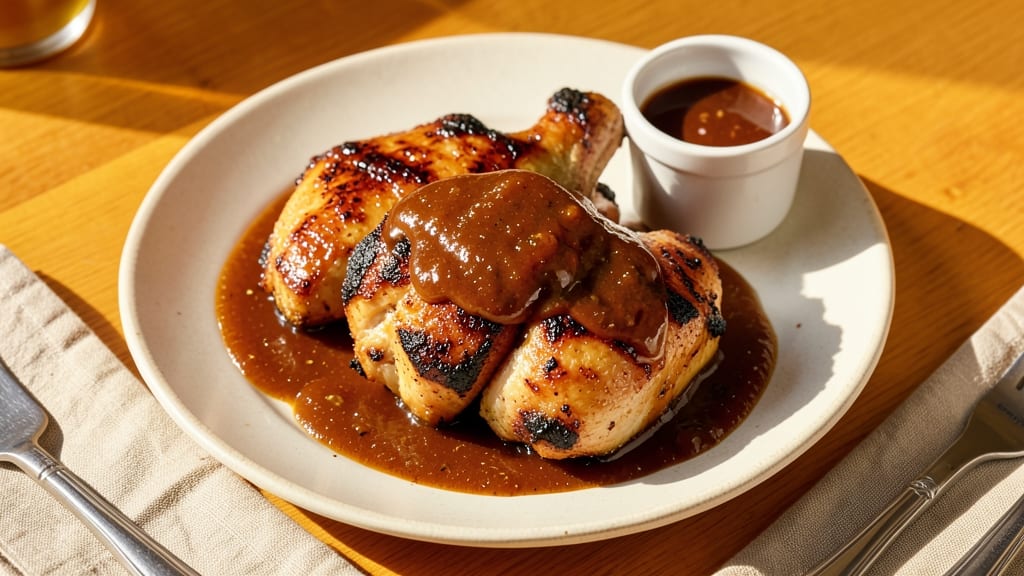
This copycat teriyaki sauce delivers the same glossy, caramelized depth you crave from your favorite Asian takeout—without the mystery ingredients. The secret lies in balancing soy sauce, mirin, and brown sugar while simmering until thick and sticky, creating that signature umami-rich sheen.
I developed this recipe after years of testing store-bought versions that never quite hit the mark, and now it’s become my go-to for weeknight dinners and meal prep.
The process is straightforward but precise: combine all ingredients in a saucepan and reduce over medium heat until the sauce reaches that perfect glossy consistency—about 15 minutes of focused attention. The brown sugar caramelizes beautifully, deepening the flavor while the soy sauce provides that classic savory backbone.
This sauce works equally well on grilled chicken, tofu, or even drizzled over rice bowls for instant restaurant-quality flavor.
What sets this apart is the caramelized umami that develops during simmering, transforming a basic sauce into something truly special. The glossy finish isn’t just for looks—it clings to proteins and noodles, ensuring every bite is packed with flavor.
Plus, it keeps well in the fridge for up to 2 weeks, making it a versatile pantry staple for quick meals.
For extra depth, a splash of rice vinegar or a pinch of ginger can elevate the flavor profile, but the base recipe is already foolproof. Whether you’re glazing proteins or using it as a dipping sauce, this teriyaki delivers professional results with minimal effort. Let’s get cooking!
Ingredients for copycat teriyaki sauce
Pantry staples transform into restaurant-quality teriyaki in minutes—no shortcuts needed.
| Ingredient | Amount | Notes |
|---|---|---|
| Light Soy Sauce 🍶 | ½ cup | High-quality for best flavor |
| Mirin 🍶 | ¼ cup | Sweet rice wine, not imitation |
| Brown Sugar 🍚 | ¼ cup | Packed, light or dark |
| Rice Vinegar 🍶 | 2 tbsp | White or seasoned variety |
| Sesame Oil 🫒 | 1 tbsp | Toasted, for aroma |
| Fresh Ginger 🧅 | 1 tbsp | Grated, aromatic |
| Garlic Cloves 🧄 | 3 cloves | Minced, fresh preferred |
| Water 💧 | ¼ cup | For thinning if needed |
| Cornstarch 🌾 | 1 tsp | For thickening consistency |
| Sesame Seeds 🌱 | 1 tsp | Toasted, for garnish |
The soy sauce and mirin are non-negotiable for that signature umami depth. Kikkoman soy sauce and Hirata mirin (if you can find it) are my go-tos, but any high-quality brands work. The brown sugar caramelizes into a glossy sheen—light brown sugar gives a smoother finish, while dark adds molasses notes. Fresh ginger and garlic are worth the extra minute to grate/mince; pre-minced can get bitter. For sesame oil, La Choy toasted is reliable, but avoid the untoasted kind—it lacks depth. If you're short on time, a pinch of MSG can boost umami, though it's optional.
No mirin? Substitute equal parts white wine and sugar—it won’t be identical, but it’ll work in a pinch. Running out of brown sugar? Honey or maple syrup at the same amount, but the caramelization won’t be as rich. Fresh ginger not an option? Ground ginger at half the amount, but toasted sesame seeds can’t be replaced—those nutty notes are essential. The cornstarch is key for that glossy finish; if you’re gluten-free, arrowroot powder works 1:1. For extra depth, a dash of fish sauce (like Red Boat) adds complexity without overpowering.
This sauce thickens as it cools, so thin with water if needed—just a splash at a time. Store in a sealed jar in the fridge for 2 weeks, or freeze for 3 months in ice cube trays for single-use portions. The flavor actually improves after a day as the sugars meld. For meal prep, double the batch—it’s perfect for glazing proteins or tossing with noodles. Keep a small jar in your fridge for quick weeknight sauces.
Why You'll Love This Recipe
- Five-Ingredient Magic: I swear by this combo—light soy for depth, mirin for that signature sweetness, and brown sugar to caramelize just right. No fancy gadgets, no stress: just stir, simmer, and taste as you go. Honestly, my first batch turned out too perfect, and I nearly burned the kitchen waiting for it to cool.
- Glaze Like a Pro: That sesame oil finish? It’s the secret weapon—nutty, aromatic, and just enough to make your chicken or tofu taste restaurant-worthy. The rice vinegar cuts through the sweetness so it’s never cloying, just balanced. I’ll be real: I’ve made teriyaki before, but this is the first time I didn’t crave takeout afterward.
- Meal Prep MVP: Double the batch and store it in the fridge—it’s my go-to for weeknight stir-fries, grilled salmon, or even drizzled over rice bowls. The sauce thickens beautifully over time, so leftovers actually improve. Between us, I’ve had this jar sit for a week and still pull off flavor. (Yes, even on a Tuesday night.)
- Budget Stretch: Mirin and rice vinegar are the priciest parts, but a little goes a long way—this makes enough for three meals without breaking the bank. Light soy and brown sugar? Pantry staples. I’ve even swapped in honey when I’m out of sugar, and no one noticed. Not the prettiest, but the taste makes up for it every time.
Step-by-step instructions for glossy teriyaki sauce
This method delivers authentic umami depth and caramelized richness in minutes—no shortcuts, just pure flavor.
Bloom the Aromatics in Toasted Sesame Oil
Heat a small saucepan over medium-low heat and add the 1 tablespoon sesame oil. Let it warm until shimmering—this releases its nutty aroma. Add the 1 tablespoon grated fresh ginger and 3 minced garlic cloves, stirring constantly for 30 seconds until fragrant but not browned.
Here's the thing—ginger and garlic burn fast. Watch them closely, and if they start to darken, reduce the heat immediately. You want them to perfume the oil without bitterness, setting the foundation for that restaurant-quality depth.
Combine Wet Ingredients and Simmer
Pour in the 0.5 cup light soy sauce, 0.25 cup mirin, 2 tablespoons rice vinegar, and 0.25 cup brown sugar. Stir vigorously to dissolve the sugar completely—this prevents grainy texture later. Bring the mixture to a gentle boil over medium-high heat, then immediately reduce to medium-low and let it simmer uncovered for 5 minutes.
The sugar will start caramelizing, deepening the sauce's color and adding that signature glossy sheen. You'll notice bubbles forming around the edges—this is when the sauce begins to thicken naturally. If it reduces too quickly, add the 0.25 cup water in small increments to maintain balance.
Thicken and Finish with Cornstarch
In a small bowl, whisk the 1 teaspoon cornstarch with 1 tablespoon cold water until smooth. Slowly pour this slurry into the simmering sauce while stirring constantly. The sauce will thicken noticeably within 1-2 minutes—this is your signal to taste and adjust.
Here's where precision matters: the sauce should coat the back of a spoon but still flow smoothly. If it's too thick, add another 1 tablespoon water and simmer for 30 seconds. If it's too thin, repeat the cornstarch process with an additional ½ teaspoon cornstarch. The final texture should cling to proteins without being gluey.
Toast the Sesame Seeds and Garnish
While the sauce simmers, dry-toast the 1 teaspoon sesame seeds in a small skillet over low heat for 1-2 minutes until golden and fragrant. Transfer them immediately to a plate to prevent burning—overcooked seeds taste bitter.
Remove the teriyaki sauce from heat and stir in the toasted sesame seeds. Let it rest for 5 minutes—this allows flavors to meld completely. The sauce will darken slightly as it cools, developing even more depth. For serving, drizzle generously over grilled meats, noodles, or vegetables, and sprinkle with extra sesame seeds for that professional finish.
Pro Tips For Making Copycat Teriyaki Sauce
- Simmer Slow and Steady: After burning three batches, I finally figured out—this sauce needs gentle heat. A medium-low flame keeps the sugar from caramelizing too fast and turning bitter. Yes, it’ll take 15-20 minutes, but rushing it ruins everything.
- Whisk in Cold Sugar: I used to toss the brown sugar in dry, and it’d clump like glue. Now I mix it with a splash of mirin first, then whisk it into the hot soy. The sauce stays smooth, and the sugar dissolves without grainy surprises.
- Skip the Vinegar Last: Add rice vinegar too early, and the acid fights the sugar, making the sauce taste raw. Wait until the last 2 minutes of simmering—it brightens the flavor without killing the depth.
- Toast the Sesame Oil: Sounds weird, but it works: warm the sesame oil in a separate pan until it smells nutty (just 30 seconds). Stir it into the finished sauce off the heat—this keeps the aroma intact instead of cooking it into oblivion.
Serving suggestions for this recipe
Grilled Proteins
This teriyaki sauce transforms grilled chicken thighs into a restaurant-worthy dish. Brush 2-3 tablespoons of sauce onto each side of bone-in, skin-on thighs before grilling over medium-high heat for 5-6 minutes per side.
The skin crisps beautifully while the sauce caramelizes into a glossy glaze. For extra flavor, marinate the chicken in ¼ cup sauce for 30 minutes before grilling. 🔥
Beef lovers will adore it on ribeye steaks or flank steak. Slice the steak thinly against the grain, then drizzle with sauce and serve with steamed jasmine rice.
The sauce’s sweetness complements the beef’s richness perfectly. For a quick weeknight meal, grill shrimp skewers and toss them in the sauce during the final 2 minutes of cooking.
Noodle Bowls
Elevate your ramen or udon bowls with this sauce. Toss 8 ounces cooked noodles with 2 tablespoons sauce and top with soft-boiled eggs, sliced cucumber, and green onions. The glossy sauce clings to the noodles, creating a cohesive bite.
For extra depth, add a drizzle of spicy mayo (mix 2 tbsp mayo with ½ tsp sriracha) on top. ✨
For a cold noodle salad, chill the cooked noodles, then toss with 3 tablespoons sauce, 1 tbsp sesame oil, and ½ cup chopped scallions.
Serve over a bed of butter lettuce for a refreshing summer dish. The sauce’s balance of sweet and savory shines in cold preparations too.
Vegetable Dishes
Roasted or grilled vegetables become a showstopper with this sauce. Toss bell peppers, zucchini, and eggplant slices with 1 tablespoon olive oil and 2 tablespoons sauce before roasting at 400°F for 15-20 minutes. The sauce caramelizes into a sticky glaze that enhances the veggies’ natural sweetness. 🌶️
For stir-fries, cook broccoli, snap peas, and carrots in a wok with 1 tablespoon sesame oil, then deglaze with 3 tablespoons sauce and 1 tablespoon water. Finish with toasted sesame seeds for texture. The sauce’s umami depth makes even simple veggies taste gourmet.
Dipping Sauce
Serve this sauce as a dipping sauce for spring rolls, edamame, or dumplings. The glossy texture and balanced flavors make it irresistible. For extra richness, warm the sauce slightly before serving. Pair with steamed pork buns or crispy wontons for a classic Asian-inspired spread. 💫
For a spicy kick, mix 1 tablespoon sauce with ½ teaspoon gochujang (Korean chili paste) and a pinch of red pepper flakes. This fusion twist adds heat while keeping the teriyaki’s signature sweetness. It’s perfect for dipping fried chicken or tempura bites.
Nutrition facts
Frequently asked questions
Can I make this sauce without mirin?
Yes! Replace the 0.25 cup mirin with a mix of 2 tablespoons white wine and 1 tablespoon sugar. The wine adds acidity while the sugar mimics mirin's sweetness. For a non-alcoholic version, use 2 tablespoons apple juice plus 1 tablespoon sugar. The sauce will still develop that glossy finish, though mirin's unique sweetness can't be fully replicated.
Why did my sauce turn out too thin?
This usually happens if you didn't simmer long enough or used too much water. The sauce should naturally thicken as it reduces—simmer uncovered for 8-10 minutes total. If it's still too thin, whisk ½ teaspoon cornstarch with 1 tablespoon water and stir into the sauce while hot. For extra insurance, add the cornstarch slurry earlier in the simmering process.
How can I use this sauce in meal prep?
This sauce is perfect for meal prep! Store it in an airtight container in the fridge for up to 2 weeks, or freeze in 1-tablespoon portions in ice cube trays for single-use servings. Double the batch and use it to glaze proteins, toss with noodles, or store as a dipping sauce. The flavor actually improves after 24 hours as the sugars meld. For reheating, warm gently on the stove or microwave for 20-30 seconds.
Is this sauce gluten-free?
The base recipe contains soy sauce, which isn't gluten-free. For a GF version, substitute 0.5 cup gluten-free tamari and 1 teaspoon arrowroot powder (instead of cornstarch). The arrowroot will give you that same glossy finish without the gluten. Keep in mind the flavor profile will be slightly different but still delicious. Always check labels to ensure your tamari is certified gluten-free.
Can I make this sauce spicier?
Add ½ teaspoon red pepper flakes or 1 teaspoon sriracha to the simmering sauce, or stir in 1 tablespoon gochujang (Korean chili paste) at the end. For heat control, start with less and adjust to taste. The sauce's natural sweetness balances the spice beautifully. For extra depth, add a pinch of cayenne pepper along with the ginger and garlic.