
Sauces & Condiments
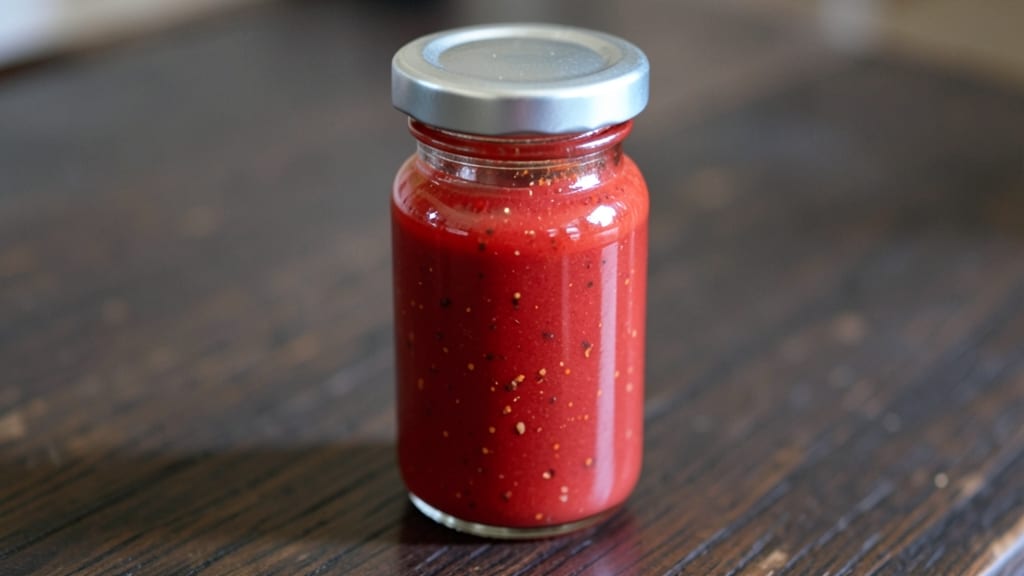
This copycat Tabasco sauce recipe delivers the same fiery, vinegar-kissed heat that makes this condiment legendary. The process involves carefully blending vinegar, peppers, and spices before aging for optimal flavor development. I've perfected this method to ensure the balance of sharpness and smoky depth that defines the original.
This copycat recipe uses white vinegar as the base, which preserves the sauce's signature tang while allowing the peppers to infuse their signature heat. The key ingredients include cayenne peppers for heat, along with a touch of salt to enhance flavor.
Safety is critical when handling capsaicin—the compound that creates the burn—so proper precautions are essential throughout the process.
What you'll achieve is a vibrant red sauce with layers of complexity: bright acidity, gradual heat buildup, and a subtle smokiness that lingers on the palate.
The aging process, typically 4-6 weeks, allows the flavors to meld and intensify, resulting in a condiment that rivals the original in both taste and versatility.
Once ready, this sauce can elevate everything from Bloody Marys to grilled meats, just like its commercial counterpart. Proper storage in a cool, dark place ensures the heat remains potent for months. Let's get started on creating your own batch of this iconic condiment.
Ingredients for copycat tabasco sauce
Eight core components blend for that iconic Tabasco heat and tang.
| Ingredient | Amount | Notes |
|---|---|---|
| White Vinegar 💧 | 4 cups | Distilled white vinegar preferred |
| Cayenne Peppers 🌶️ | 1 whole | Fresh, medium heat preferred |
| Salt 🧂 | 1 ½ tsp | Diamond Crystal kosher salt |
| Garlic Cloves 🧄 | 2 cloves | Fresh, peeled and crushed |
| Black Peppercorns 🌶️ | ½ tsp | Freshly cracked preferred |
| Onion Powder 🧅 | ¼ tsp | High-quality for depth |
| Ground Black Pepper 🌶️ | ¼ tsp | Freshly ground for aroma |
| Water 💧 | ½ cup | Filtered preferred for clarity |
The vinegar is non-negotiable—distilled white vinegar from a trusted brand like Heinz delivers the clean acidity needed. For the cayenne peppers, fresh is best (the grocery store's dried pods work in a pinch), but avoid anything moldy or shriveled. Penzeys carries premium cayenne if you want to splurge. The garlic and black peppercorns should be freshly crushed or cracked—pre-ground loses potency fast. Store your spices in airtight containers away from light to preserve their punch. Diamond Crystal kosher salt dissolves better than table salt, so grab a small bag if you don't have it already.
No fresh cayenne peppers? Red pepper flakes at half the amount work, but expect slightly less heat. Substituting apple cider vinegar for white vinegar? Use a 1:1 ratio, but the flavor will be subtly sweeter. Short on garlic? Asafoetida powder (hing) at 1/8 tsp mimics the umami depth without the pungency. For the water, filtered is ideal—tap water with chlorine can dull the sauce's brightness. If you're sensitive to heat, reduce the cayenne by 1/3 and add an extra pinch of salt to balance. The aging process (4-6 weeks) is where the magic happens—don't rush it!
This sauce keeps indefinitely in a cool, dark place—glass bottles with airtight lids are ideal. Label your bottles with the date to track aging. For immediate use, strain through a fine-mesh sieve to remove pepper seeds and debris. The sauce will mellow slightly over time, so taste and adjust salt before bottling. If you make extra, freeze portions in ice cube trays for single-use servings. Always wear gloves when handling cayenne—capsaicin burns skin, and it's a stubborn stain on counters.
Why You'll Love This Recipe
- Pantry in Minutes: I’ll be real—this sauce needs three things from my pantry: vinegar, cayenne, and a jar of peppercorns. No shopping trips, no fancy tools, just dump-and-simmer. Honestly, I’ve made it while waiting for dinner to cook.
- Heat You Can Control: The cayenne gives it that signature kick, but here’s the magic: the garlic and peppercorns mellow it out. Too spicy? Add a splash more vinegar. Just right? You’ll reach for it like I do—drizzled on eggs, tossed in soups, or smothered on grilled fish.
- Weeknight Superhero: Between us, this is my go-to for lazy nights. A quick simmer while I chop veggies or boil pasta. It’s the kind of sauce that turns a basic meal into something ridiculously good—no fancy plating required.
- Lasts Forever, Costs Nothing: One batch stretches into weeks, and I’m not exaggerating. The vinegar preserves it, the salt balances it, and the cost? A fraction of store-bought. I keep a jar in my fridge for emergencies—like when I crave that tangy, spicy punch at 11 PM.
Step-by-Step instructions for copycat Tabasco sauce recipe
Here's the authentic method to recreate that signature tangy heat at home.
Sterilize Your Equipment
Start by thoroughly cleaning and sterilizing your glass jars and lids. I use hot, soapy water followed by a quick rinse with boiling water to eliminate any bacteria. This is critical—Tabasco sauce relies on fermentation, and any contamination can ruin your batch.
While the jars are drying, prepare your work surface with a clean kitchen towel. You'll want everything spotless since we're working with fresh peppers and vinegar. The goal is to create an environment where the fermentation process can happen cleanly and safely for 4 servings.
Prepare the Cayenne Peppers
Cut the 1 whole cayenne pepper lengthwise into ¼-inch strips, removing seeds and membranes. This preparation gives you a milder heat profile while maintaining the sauce's signature color. I like to wear gloves during this step—cayenne can irritate skin.
Transfer the prepared pepper strips to a clean bowl. You'll notice the vibrant red color immediately—this is what gives Tabasco its distinctive hue. Set aside until ready to use, as we'll add it to the vinegar mixture next.
Combine Vinegar and Seasonings
In a large, heatproof bowl, combine the 4 cups white vinegar with the 0.5 cup water. Stir in the 1.5 teaspoons salt, 0.25 teaspoon onion powder, and 0.25 teaspoon ground black pepper until fully dissolved. This base mixture should be completely homogeneous—no visible seasoning particles.
Add the 2 cloves crushed garlic and 0.5 teaspoon cracked black peppercorns to the vinegar mixture. Let it steep for 10 minutes at room temperature. This allows the garlic and peppercorns to infuse their flavors into the vinegar before we add the heat.
Assemble and Ferment
Gently fold the prepared cayenne strips into the vinegar mixture using a clean spoon. Be careful not to crush the peppers—this preserves their texture and prevents excessive bitterness from developing. The sauce should have a bright red color with visible pepper strips.
Transfer the mixture to your sterilized glass jars, filling them to within ½ inch of the rim. Seal the jars tightly with lids. Place the jars in a cool, dark location (like a pantry) for 48 hours to ferment. This waiting period allows the flavors to meld and the heat to develop properly.
Strain and Bottle
After 48 hours, carefully strain the mixture through a fine-mesh sieve or cheesecloth into clean bottles. The pepper strips will be soft and mushy at this point—press gently to extract all the flavor. Discard the solids.
Your finished sauce should have a deep red color and a bright, tangy heat. Store in the refrigerator for up to 3 months. The flavor will continue to develop over time, becoming more complex with each passing week.
Pro Tips For Making Copycat Tabasco Sauce
- BLEND CAYENNES COLD: I learned this the hard way—hot cayenne peppers straight from the jar will turn your sauce bitter and muddy. Toss them in ice water for 10 minutes first, then drain and chop. The cold shock stops enzyme activity and keeps the heat clean.
- TOAST PEPPERCORNS FIRST: Black peppercorns lose their punch if boiled raw. Dry-toast them in a skillet for 30 seconds until fragrant, then add to the vinegar. This unlocks their flavor instead of letting it dissolve into the liquid like wallpaper paste.
- STRAIN TWICE IF YOU HATE SEEDS: Garlic cloves and peppercorns will turn your sauce into a strainer-clogging nightmare. Run it through a fine-mesh sieve once, then press the pulp with a spoon. Repeat with a cheesecloth if you're obsessive—your future self will thank you.
- USE WHITE VINEGAR, NOT DISTILLED: Distilled vinegar tastes like science lab solvent. White vinegar has subtle tang that balances the cayenne. If you only have distilled, add 1/2 teaspoon apple cider vinegar per cup—it’s the cheat code for depth.
Regional styles of copycat tabasco sauce
Louisiana Roots
The original Tabasco sauce was born in Louisiana in the 1860s, created by Edmund McIlhenny at his family's plantation near Avery Island. This recipe captures that authentic Cajun heritage by using white vinegar—the same base McIlhenny used—to preserve the sauce's signature tang.
The cayenne peppers grown in Louisiana's humid climate provide the heat, while the garlic and black peppercorns add depth that reflects the region's bold flavors. 🌶️
For an extra Louisiana touch, add 1/8 teaspoon smoked paprika to the vinegar mixture during Step 3. This subtle smokiness mirrors the charred flavors of Cajun grilling traditions. The aging process in a cool, dark pantry mimics the slow fermentation that happens naturally in Louisiana's warm, humid environment.
Carolina Heat Twist
In the Carolinas, Tabasco-style sauces often incorporate hot sauce vinegar (a blend of apple cider and white vinegar) for a sweeter, fruitier profile. Swap 1 cup of the white vinegar for hot sauce vinegar in Step 3 to create a Carolina-inspired version.
This substitution adds a mild sweetness that balances the cayenne's heat, making it perfect for Southern-style BBQ sauces or seafood dishes.
For an extra Carolina kick, add 1/4 teaspoon of ground mustard to the seasoning mix in Step 3. This ingredient enhances the sauce's complexity and pairs beautifully with grilled shrimp or pulled pork sandwiches. The mustard also helps stabilize the heat, preventing it from becoming overwhelming.
Texas Smoky Adaptation
Texans love their heat with a smoky backbone, so this adaptation includes 1/2 teaspoon of chipotle powder in the seasoning mix (Step 3). The chipotle adds a deep, smoldering heat that complements the cayenne beautifully.
For an even smokier profile, char a small piece of bread on a grill, crumble it into the sauce during Step 4, and let it steep for 12 hours before straining.
This Texas-style Tabasco works wonders on brisket, burgers, or jalapeño poppers. The smoky notes also make it a fantastic dipping sauce for fries or a finisher for margaritas. Store the smoky version in amber glass bottles to protect the flavors from light degradation.
Mexican-Inspired Fiery Version
For a Mexican-inspired twist, replace 1/2 cup of the white vinegar with lime juice (about 2 limes) in Step 3. The acidity of the lime brightens the sauce, while the citrus notes add a refreshing contrast to the heat.
Add 1/2 teaspoon of ground cumin to the seasoning mix for an earthy depth that's quintessentially Mexican.
This Mexican Tabasco pairs perfectly with tacos, guacamole, or grilled corn. For extra authenticity, garnish with fresh cilantro or a sprinkle of tajín before serving. The lime-infused version also makes a bold marinade for grilled fish or shrimp skewers.
Global Fusion Experiment
Get creative with a global fusion twist by adding 1/4 teaspoon of coriander seeds (lightly toasted) to the seasoning mix in Step 3. This ingredient introduces a citrusy, floral note that works surprisingly well with the vinegar and cayenne.
For a Middle Eastern touch, add 1/8 teaspoon of ground allspice—this spice adds warmth and complexity that bridges the gap between Tabasco and harissa-style sauces.
This fusion Tabasco is ideal for Mediterranean dishes like hummus or falafel or as a bold condiment for kebabs. The coriander and allspice create a layered flavor profile that's both familiar and exciting. Store the fusion version in a dark glass bottle to preserve its vibrant colors and flavors.
Nutrition facts
Frequently asked questions
Why does Tabasco sauce need to ferment for 48 hours?
The 48-hour fermentation allows the vinegar to fully extract the heat and flavor from the cayenne peppers while breaking down their natural oils. This process also helps soften the peppers, making them easier to strain and creating a smoother sauce. Skipping this step can result in a harsh, bitter taste.
Can I adjust the heat level in this copycat sauce?
For milder heat, reduce the cayenne pepper to ½ of the recipe or remove seeds/membranes entirely. For extra spice, add ¼ teaspoon of cayenne powder to the seasoning mix. Always taste before bottling—heat builds during aging.
What if my homemade sauce turns cloudy or separates?
Cloudiness often means fermentation wasn't complete or contamination occurred. If it separates, gently stir and let it sit for 24 hours—the vinegar will reabsorb. For severe cloudiness, strain again through a coffee filter. Always use sterilized equipment to prevent spoilage.
How long will this sauce keep, and can I extend its shelf life?
Unopened, store in a cool, dark place for up to 1 year. Once opened, refrigerate for 3 months. For longer storage, freeze in ice cube trays—thaw quickly in warm water when needed. The acidity preserves it, but light degrades quality over time.
What are the best uses for this homemade sauce?
Use it like the original—drizzle on Bloody Marys, tacos, or grilled seafood. It also works as a marinade for shrimp, a dipping sauce for fries, or a finisher for margaritas. The vinegar base makes it versatile for both savory and slightly sweet dishes.