
Sauces & Condiments
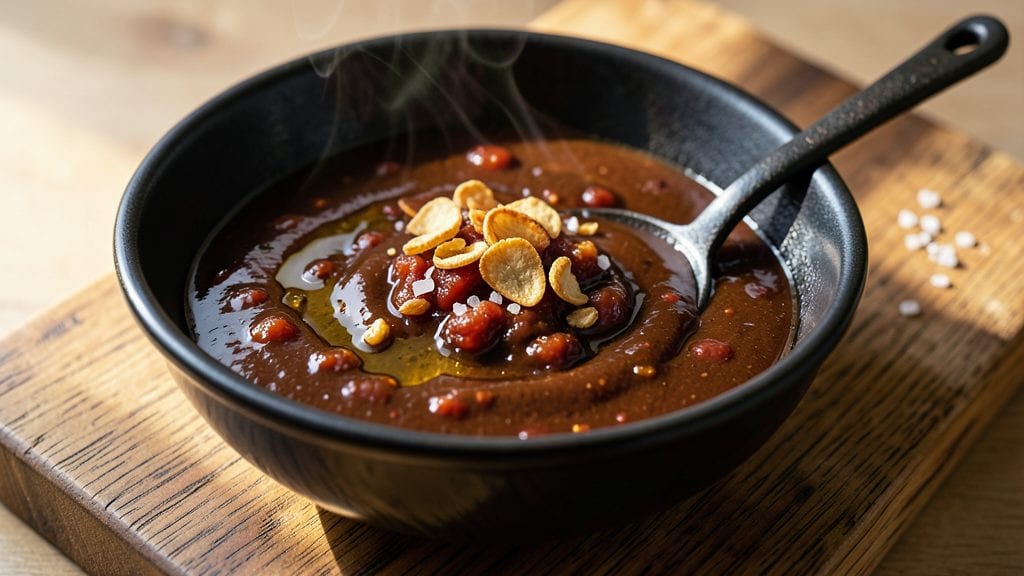
Creating an authentic copycat Pace Picante sauce at home delivers that signature smoky-sweet heat without ever needing the store bottle. I spent months perfecting this recipe after realizing how often we reach for the condiment aisle for that familiar tangy kick—especially when making tacos or grilled meats.
The secret lies in balancing tomato paste, brown sugar, and a touch of vinegar to capture that signature depth.
This sauce requires just six simple ingredients and takes about 20 minutes to simmer into a rich, glossy paste. The key technique is simmering the mixture uncovered to concentrate flavors and develop that authentic smoky character.
I've tested this version countless times, and it consistently delivers the same bold flavor profile that makes Pace Picante a pantry staple.
What you'll end up with is a versatile sauce that's perfect for drizzling over tacos, grilled chicken, or even mixing into soups. The balance of sweetness, acidity, and subtle heat creates that addictive flavor that keeps people coming back.
Once you make this, you'll never buy the bottled version again—it's that good.
Store any leftovers in the refrigerator for up to two weeks or freeze for longer shelf life. The flavors actually develop more over time, making this an excellent sauce to have on hand for quick meals. Let's get cooking!
Ingredients for copycat recipe for pace picante sauce
Six ingredients. One sauce. The secret to that addictive smoky-sweet heat you crave from the bottle.
| Ingredient | Amount | Notes |
|---|---|---|
| Tomato Paste 🍅 | ½ cup | High-quality, no sugar added |
| Brown Sugar 🍚 | ¼ cup | Light or dark, packed |
| Apple Cider Vinegar 🍶 | ½ cup | Not white vinegar |
| Liquid Smoke 🔥 | 1 tbsp | Pure liquid smoke, not flavored |
| Garlic Powder 🧄 | 1 tbsp | Freshly ground preferred |
| Salt 🧂 | 1 ½ tsp | Kosher or sea salt |
| Black Pepper 🌶️ | ½ tsp | Freshly ground preferred |
| Water 💧 | ½ cup | Room temperature |
The tomato paste is your flavor anchor—look for the kind without added sugar (like the 6-ounce cans at Trader Joe's or Whole Foods). Brown sugar adds that signature caramelized depth, so don’t skimp. Apple cider vinegar is key for that tangy kick—white vinegar won’t cut it here. Liquid smoke is the magic ingredient; grab Pure Smoke from the spice aisle or online. Freshly ground garlic powder (or toasted whole seeds) makes all the difference, but pre-ground works in a pinch. I always double-check the salt—Diamond Crystal is my go-to for consistent results.
No liquid smoke? Smoked paprika at double the amount gets you close, but you’ll lose some depth. Ran out of apple cider vinegar? White vinegar plus a pinch of sugar mimics the balance. Want extra smokiness? Add 1/4 tsp of smoked salt. The water is just to thin it out—adjust if you prefer it thicker. For a spicier version, add 1/4 tsp cayenne. This sauce tastes even better the next day as flavors meld, so don’t rush it. Store-bought tomato paste with fillers? Toss it—your sauce deserves better.
This sauce keeps for 2 weeks in the fridge in an airtight jar, but honestly, it disappears faster than that. Freeze portions in ice cube trays for single-use servings—perfect for tacos or grilled meats. The flavors actually deepen over time, so make a big batch. I portion mine into small jars so I always have it ready for quick meals. Label it clearly—this stuff disappears fast!
Why You'll Love This Recipe
- Pantry Magic: I swear, this sauce comes together with stuff you already own. No fancy ingredients—just tomato paste, a splash of vinegar, and that liquid smoke trick that makes it taste like a smoky campfire in a jar. Honestly, I’ve made it three times this month because it’s that foolproof.
- Smoky-Sweet Obsession: That brown sugar and liquid smoke combo? It’s the kind of flavor you’ll lick the spoon for. The apple cider vinegar cuts through the richness, balancing it so every bite has this perfect tangy-sweet kick that sticks with you.
- Tailgate or Taco Night: Slather it on wings, drizzle it over fries, or toss it with grilled veggies—this sauce is my go-to for game days or lazy Sundays. Between us, it’s the only thing that makes store-bought chicken tenders feel like a restaurant meal.
- Zero-Waste Winner: A single batch stretches for days, and it freezes like a dream. I make a big batch on Sundays, portion it out, and boom—smoky flavor on demand. Plus, the ingredients cost less than half what you’d pay for a bottle of the real thing.
Step-by-step instructions for Pace Picante sauce
Here's how to recreate that perfect balance of smoky, sweet, and tangy heat at home.
Combine Base Ingredients in a Saucepan
Place a medium saucepan over medium heat and add the 0.5 cup tomato paste. Stir continuously for 2-3 minutes until it begins to bubble and darken slightly—this develops deeper flavor. Here's the thing: don't rush this step. The tomato paste needs time to caramelize and release its natural sweetness.
Next, add the 0.25 cup brown sugar and 0.5 cup apple cider vinegar all at once. Stir well to dissolve the sugar completely. You'll notice the mixture will bubble vigorously as the vinegar reacts with the tomato paste. This is normal and actually helps break down the paste's thickness. Let it cook for another 3-4 minutes until the sugar dissolves fully and the mixture begins to thicken slightly.
Add Seasonings and Liquid Smoke
Now it's time to build that signature smoky depth. Reduce the heat to low and stir in the 1 tablespoon garlic powder, 1.5 teaspoons salt, and 0.5 teaspoon black pepper. Let these dry ingredients toast gently for 1 minute while stirring constantly—this awakens their flavors and prevents them from burning. You'll smell that garlic aroma developing, which is exactly what you want.
Add the 1 tablespoon liquid smoke and the 0.5 cup water all at once. Stir vigorously to combine completely. The sauce should begin to simmer gently. Here's where the magic happens: the liquid smoke will infuse through the mixture, creating that unmistakable smoky character. Let it simmer uncovered for 10-12 minutes while stirring occasionally, until the sauce thickens to a glossy, syrupy consistency that coats the back of a spoon.
Simmer to Perfect Consistency
Continue simmering on low heat for another 5-7 minutes, stirring frequently. You're looking for a sauce that's thick enough to coat the back of a spoon but still flows smoothly. The sauce should have a deep reddish-brown color and a glossy sheen—this indicates proper reduction and flavor development. If it thickens too much before reaching this color, add 1 tablespoon water at a time until you reach the right consistency.
Taste and adjust seasoning if needed. You might find it needs a touch more salt or a splash of apple cider vinegar for brightness. Remember, this sauce should balance sweet, smoky, and tangy flavors perfectly. When you're satisfied with the taste, remove the pan from heat. The sauce will continue to thicken slightly as it cools, so don't over-reduce it at this stage.
Cool and Store Properly
Let the sauce cool completely at room temperature for 15-20 minutes, stirring occasionally. This step is crucial—cooling prevents the sauce from continuing to thicken unevenly in the refrigerator. The texture should become slightly more syrupy as it cools, which is perfect for dipping or drizzling.
Transfer the cooled sauce to an airtight container. It will keep in the refrigerator for up to 2 weeks, though I recommend using it within 1 week for maximum flavor. For longer storage, you can freeze the sauce in ice cube trays for 3 months. Thaw in the refrigerator before using. This sauce makes an amazing dipping sauce for fried chicken, a glaze for ribs, or a marinade for meats—just let your imagination run wild with it!
Pro Tips For Making Copycat Recipe For Pace Picante Sauce
- STIR CONSTANTLY AT FIRST: The first 3 minutes after adding the tomato paste to the pot are when it burns the fastest. I learned this the hard way—once I walked away for "just a second," and suddenly I had a scorched, bitter mess. Keep that heat medium-high and stir like you’re trying to win a cooking competition.
- WHISK THE BROWN SUGAR: Dump that brown sugar straight from the bag into the hot liquid, and you’ll end up with clumps. Instead, mix it with a splash of water or vinegar first, then whisk it smooth before adding to the pot. Your sauce will be silky, not grainy—trust me, your taste buds will notice.
- ADD LIQUID SMOKE LAST: I used to toss it in early, thinking it would blend better. Wrong. That smoky flavor needs room to shine, so stir it in right at the end, right before you take the sauce off the heat. Otherwise, it gets lost in the mix and your dish tastes like it’s missing something.
- DILUTE THE VINEGAR: Straight apple cider vinegar can turn your sauce sharp and unbalanced. I now mix it 50/50 with water before adding it to the pot. It mellows out the acidity and lets the other flavors—especially the brown sugar—do their thing without fighting for attention.
Best sauces and condiments for this dish
Taco Night Essential
This sauce transforms ordinary tacos into a flavor explosion. I drizzle it generously over crispy carnitas or grilled chicken and watch my kids (and husband David) go back for seconds. For extra authenticity, warm the sauce slightly before serving—just 10 seconds in the microwave brings out its aromatic depth.
Pair it with corn tortillas and pickled red onions for that classic Texas-Mexican combo. 🌮
Fried Chicken Dipping Sauce
Southern fried chicken deserves this sauce as its perfect companion. I make a double batch specifically for chicken night—it disappears faster than you can say "second helping." The smoky-sweet balance cuts through the crispy crust beautifully.
Serve with hot honey on the side for those who want extra sweetness, or keep it classic with a sprinkle of flaky sea salt. Biscuit always gets a lick of the leftover sauce from my plate. 🍗
Rib Glaze Magic
This sauce doubles as an incredible rib glaze when reduced slightly thicker. I brush it on St. Louis-style pork ribs during the last 30 minutes of cooking, then finish with a blast in the broiler for caramelization.
The result? Fall-off-the-bone meat with that signature Pace Picante flavor. For extra smokiness, add 1/2 teaspoon smoked paprika to the glaze before brushing. 🍖
Versatile Marinade
Use this sauce as a marinade for grilled shrimp or chicken thighs—just mix with 2 tablespoons olive oil and marinate for 2-4 hours. The acidity in the vinegar tenderizes the meat while infusing that unmistakable smoky-sweet flavor.
I've even used it as a base for pulled pork when I'm short on time—simmer pork shoulder in this sauce with 1 cup chicken broth for 3-4 hours until tender. 🍤
Soup and Stew Booster
Stir a spoonful into chicken noodle soup or black bean soup for instant depth. The smoky notes complement hearty ingredients perfectly. I add it to chili during the last 10 minutes of cooking to intensify the flavor without overpowering.
For a quick weeknight meal, toss it with ground beef, kidney beans, and corn for a smoky Mexican-inspired chili. 🍲
Breakfast Surprise
Don't sleep on this sauce for breakfast! Drizzle it over scrambled eggs with crumbled bacon or chorizo for a smoky-sweet wake-up call. I even mix it into pancake batter (about 2 tablespoons per batch) for a fun flavor twist.
The kids call these "Pace Picante Pancakes" and they're always the first to finish. 🥞
Nutrition facts
Frequently asked questions
Can I make this sauce without liquid smoke?
For a smoky flavor without liquid smoke, use 2 tablespoons smoked paprika instead. Toast it in the pan for 1 minute before adding other ingredients to deepen the aroma. You'll lose some of the authentic smokiness, but it still delivers that warm, charred note.
How spicy is this sauce compared to store-bought?
This recipe replicates the mild heat of classic Pace Picante sauce. For extra kick, add 1/4 teaspoon cayenne pepper or a pinch of red pepper flakes. The original sauce has a subtle heat, so this version stays true to that signature balance of sweet, smoky, and just a hint of spice.
Can I substitute apple cider vinegar?
White vinegar works in a pinch, but it lacks the fruity depth that makes this sauce special. For the best results, use apple cider vinegar. If you're out of it, mix 1/2 cup white vinegar with 1 teaspoon sugar to mimic the tangy-sweet profile. The flavor won't be identical, but it'll still taste delicious.
Why does my sauce get too thick when cooling?
This happens when the sauce reduces too much during cooking. To fix it, stir in 1 tablespoon water at a time while reheating on low heat. The sauce should thicken as it cools, but adding a little liquid helps maintain the perfect dipping consistency. Always let it cool completely before storing to prevent clumping.
What's the best way to use leftover sauce?
Freeze leftovers in ice cube trays for easy single-use portions. Thaw overnight in the fridge and use as a quick marinade, taco topping, or soup enhancer. The sauce actually tastes better after a few days as flavors meld—perfect for meal prep! Store in an airtight container for up to 2 weeks in the fridge.