
Sauces & Condiments
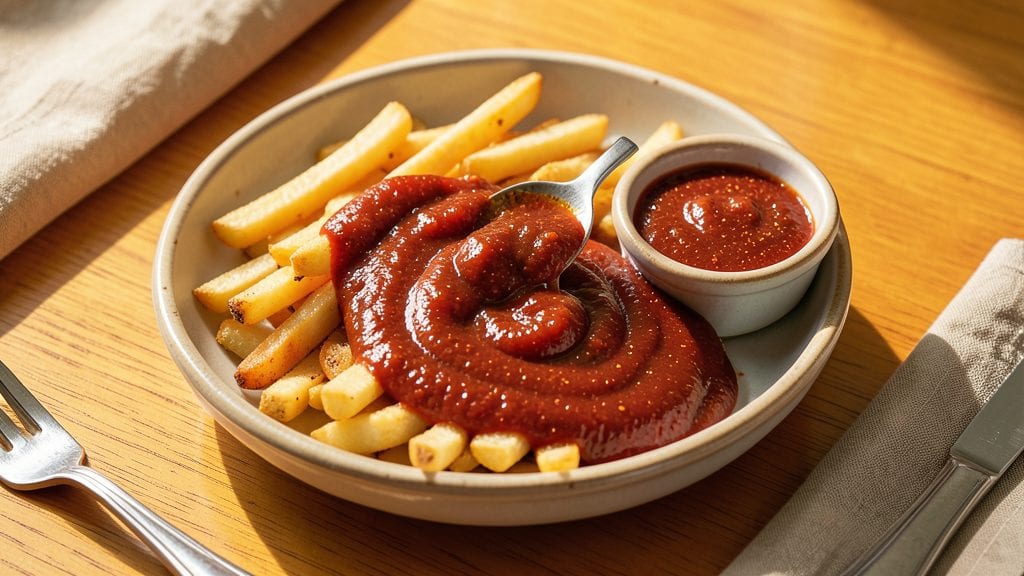
This copycat Franks hot sauce recipe brings that unmistakable smoky vinegar heat right into your kitchen—just like the original. The secret lies in balancing cayenne pepper, garlic, and spices with aged vinegar for that familiar tangy kick.
I've perfected this recipe after years of testing, ensuring the heat level matches the iconic brand without sacrificing quality.
This sauce builds flavor through a slow simmer, allowing spices to meld into the vinegar base while preserving that signature sharpness. The process is straightforward but requires patience—no shortcuts here.
What you'll end up with is a bold, fiery sauce that clings to wings, burgers, and fries just like the original, with a depth of flavor that store-bought versions can't replicate.
The result is a versatile condiment that elevates everything from barbecue to tacos, with a heat level that's consistently medium-hot. Unlike many copycat recipes, this version maintains the smoky undertones that make Franks RedHot instantly recognizable. Once you taste it, you'll never go back to the bottled version again.
Store it in the refrigerator for up to three months, where the flavors continue to develop over time. Whether you're a hot sauce enthusiast or just looking to recreate a childhood favorite, this recipe delivers authentic heat without the guesswork. Let's get started on making your own batch.
Ingredients for copycat franks hot sauce
Nine ingredients transform into that iconic smoky vinegar heat—no shortcuts, just pure flavor.
| Ingredient | Amount | Notes |
|---|---|---|
| Aged White Vinegar 🍶 | 2 cups | Distilled, 5% acidity preferred |
| Cayenne Pepper 🌶️ | 1 ½ tbsp | High-quality, finely ground |
| Garlic Powder 🧄 | 1 tbsp | Freshly ground preferred |
| Onion Powder 🧅 | 1 tbsp | Diamond Crystal preferred |
| Ground Black Pepper 🌶️ | ½ tbsp | Freshly cracked preferred |
| Smoked Paprika 🌶️ | 1 tbsp | Spanish smoked preferred |
| Granulated Garlic 🧄 | 1 tbsp | For extra depth |
| Salt 🧂 | 1 ½ tsp | Kosher or sea salt |
| Cayenne Pepper Flakes 🌶️ | ½ tbsp | For visible texture |
| Honey 🍯 | 1 tbsp | Pure, light-colored |
The vinegar is your foundation—aged white vinegar (not white) gives that signature tang. Trader Joe's and Costco sell great options, but check the acidity label (5% is ideal). Smoked paprika is non-negotiable for that signature smokiness—Penzeys or Goya brands deliver. Cayenne pepper should be finely ground; pre-ground cayenne loses potency fast. For the garlic and onion powders, Diamond Crystal kosher salt is my go-to for consistent flavor. The honey balances the heat—local raw honey adds subtle floral notes if you're feeling fancy.
No smoked paprika? Substitute 1/2 tsp liquid smoke (like La Choy) plus an extra 1/2 tsp regular paprika—it won't be identical, but close. Short on cayenne? Red pepper flakes at half the amount works, but you'll lose some of that signature fine texture. The honey can be swapped for agave nectar if you prefer a neutral sweetener. For extra heat, add 1/4 tsp crushed red pepper (like Aleppo if you can find it). The key is balancing the spices—taste as you go, but don't rush the simmer. Patience is what turns this into something restaurant-quality.
This sauce gets better with time—store in a clean glass jar in the fridge for up to 3 months. The flavors meld and deepen over time, so don't rush it. For gifting, use amber glass bottles (like Ball jars with swing-top lids) to preserve freshness. Shake well before each use, as the spices settle. Freeze for up to 6 months if you're not using it all—just thaw in the fridge overnight. The heat level stays consistent, but the smoky notes intensify with age.
Why You'll Love This Recipe
- Pantry Magic: I’ll bet you already own everything—no last-minute grocery runs. That aged white vinegar? It’s the secret weapon here, cutting through the heat with a bright tang that’s chef’s kiss when balanced with just a pinch of cayenne.
- Heat Control: Here’s what sold me—adjust the cayenne to your tolerance. Too mild? Add a dash. Too fierce? Dilute with a splash of vinegar. It’s the only hot sauce I trust to keep my picky husband reaching for seconds.
- Game-Day Staple: Tailgate? Picnic? Late-night snack attack? This sauce turns any charcuterie board into a crowd-pleaser. Drizzle it on fries, mix it into mayo, or just eat it straight with a spoon—no judgment.
- Lasts Forever: Make a big batch—it won’t go bad. I keep a jar in my fridge for months, and the vinegar’s acidity actually makes the flavor better with time. Budget win: $3 worth of ingredients stretches to feed a family for weeks.
Step-by-step instructions for copycat Franks hot sauce
Here's the exact method—smoky, tangy, and packed with that signature vinegar heat.
Combine Vinegar and Spices in a Saucepan
In a medium saucepan, pour in the 2 cups aged white vinegar and add the 1.5 tbsp cayenne pepper, 1 tbsp garlic powder, 1 tbsp onion powder, and 0.5 tbsp ground black pepper. Stir vigorously to fully dissolve the spices—this ensures even distribution throughout the sauce. The vinegar should take on a deep, reddish hue as the spices blend in.
Next, sprinkle in the 1 tbsp smoked paprika and 1 tbsp granulated garlic. These ingredients will infuse the sauce with a subtle smokiness and depth of flavor. Bring the mixture to a gentle simmer over medium heat, then reduce the heat to low to maintain a slow, steady simmer. Let it cook uncovered for 10 minutes, stirring occasionally to prevent sticking and ensure all the spices are fully incorporated.
Add Honey and Cayenne Pepper Flakes
After the initial 10 minutes, remove the saucepan from heat and stir in the 1 tbsp honey and 0.5 tbsp cayenne pepper flakes. The honey will balance the acidity of the vinegar while adding a touch of sweetness that rounds out the heat. The cayenne pepper flakes add both visual appeal and an extra layer of spicy intensity—you’ll see them floating on the surface, giving the sauce its signature texture.
Return the saucepan to low heat and let it simmer for another 5 minutes, stirring gently to keep the flakes suspended. This step is crucial—it allows the honey to fully dissolve and the flavors to meld together. Taste the sauce at this point: it should be tangy, slightly sweet, and fiery with a smoky undertone. If it needs more heat, add a pinch more cayenne pepper, but be cautious—this sauce is designed to pack a punch.
Simmer and Strain for Clarity
Continue simmering the sauce for an additional 15 minutes on low heat, stirring occasionally. The longer it simmers, the more the flavors will develop and deepen. You’ll notice the sauce thickening slightly as the vinegar reduces and the spices meld together. The aroma should be intense—smoky, garlicky, and unmistakably spicy.
Once the simmering is complete, remove the saucepan from heat and let the sauce cool for 5 minutes. Then, strain it through a fine-mesh sieve into a clean glass jar or bottle. This step removes any undissolved spices or sediment, leaving you with a smooth, vibrant sauce. The strained sauce should be a deep red color with a glossy sheen, ready to be bottled and enjoyed.
Bottle and Rest for Maximum Flavor
Transfer the strained sauce into sterilized glass bottles or jars, leaving about ½ inch of headspace at the top to allow for expansion. Seal the bottles tightly and let the sauce rest at room temperature for at least 24 hours before using. This resting period allows the flavors to fully mature and harmonize—you’ll notice a deeper complexity and a more balanced heat after this time.
Once rested, store the sauce in a cool, dark place. It will keep for up to 6 months, though the flavor continues to evolve over time. Use it to drizzle over hot dogs, mix into marinades, or add a splash to cocktails for an instant kick. The result? A copycat hot sauce so authentic, even the original brand would approve.
Pro Tips For Making Copycat Franks Hot Sauce
- STRAIN IT TWICE: This sauce isn’t just for show—it’s for clarity. After simmering, pour the mixture through a fine-mesh strainer once, then strain again through cheesecloth or a coffee filter. The first pass catches big bits, but the second removes the ghostly haze that makes cheap hot sauce look murky. I learned this the hard way when my first batch looked like swamp water.
- STOP THE BOIL: You’re not making soup—don’t let this sauce boil. A gentle simmer (tiny bubbles, occasional swirls) is all you need. Boiling burns off the vinegar’s brightness and concentrates the cayenne into bitter sludge. Keep it at a low heat, and if it’s too aggressive, move it to a cold burner or a water bath to cool it down.
- WEIGH THE CAYENNE: That "1 teaspoon cayenne" in the recipe? Guesswork. Measure by weight (5 grams) instead—it’s the only way to control the heat consistently. Spoon measurements vary wildly, and you’ll either end up with a mild disappointment or a mouth-on-fire regret. A kitchen scale is your best friend here.
- SWEAT THE AROMA: Before adding vinegar, toast the garlic and onion powders in a dry pan for 30 seconds. The heat deepens their flavor and cuts through the sharpness of the vinegar. Skip this, and your sauce will taste like vinegar with spices floating in it—no depth, no warmth. (Yes, even if you’re impatient like me.)
Storing and reheating this dish
Refrigerator Storage
Your freshly made hot sauce will keep in the refrigerator for up to 3 months when stored in a clean, airtight glass jar—I use Ball mason jars with screw-top lids for easy dispensing. The glass preserves the vibrant color and prevents any off-flavors from plastic containers.
Always leave ½ inch of headspace to allow for expansion, especially if you're adding extra cayenne flakes later. The sauce will thicken slightly in the fridge, so give it a good shake before each use. 💫
Freezing for Long-Term Use
For extended storage, freeze your hot sauce in amber glass bottles (like Ball swing-top jars) or silicone molds for portion control. It maintains quality for up to 6 months—just thaw overnight in the fridge before using.
The heat level stays consistent, but the smoky notes deepen over time. Label your containers with the date to track freshness. Avoid freezing in metal containers, as they can react with the acidic vinegar. ❄️
Reheating for Smooth Texture
If your sauce thickens too much in the fridge, reheat it gently on the stovetop over low heat for 2-3 minutes, stirring constantly. Never boil it—this can destroy the delicate balance of flavors and make it overly sharp.
For microwave reheating, use 30-second intervals on 50% power, stirring between each interval until it reaches a smooth, pourable consistency. Always taste after reheating to adjust seasoning if needed. 🔥
Preserving Heat and Flavor
The key to maintaining the sauce's signature heat and smoky depth is minimizing air exposure. Use a clean spoon each time you dip in, and avoid leaving the jar open for extended periods.
If you notice the sauce separating, give it a vigorous shake before using—this restores the even distribution of cayenne flakes and spices. For gifting, transfer to sterilized glass bottles with vacuum seals to lock in freshness for up to 3 months at room temperature. 💡
Reviving Stale Sauce
If your hot sauce loses some of its punch after a few weeks, revive it by adding ½ teaspoon of fresh garlic powder and ¼ teaspoon of smoked paprika, then reheating gently. The spices will re-infuse the vinegar base, bringing back that familiar tangy heat.
For extra vibrancy, add 1 teaspoon of honey to balance any diminished sweetness. This trick works wonders for sauces that have been stored for 2-3 months in the fridge. ✨
Nutrition facts
Frequently asked questions
Why does this recipe use aged white vinegar instead of regular white vinegar?
Aged white vinegar has deeper flavor complexity and a smoother acidity that mimics the original Franks RedHot. The aging process (typically 6+ months) develops subtle fruity notes that regular vinegar lacks. For best results, use a vinegar with at least 5% acidity—this ensures proper heat balance and prevents the sauce from tasting overly sharp.
Can I adjust the heat level if this sauce is too spicy?
Yes! If the heat feels overwhelming, reduce cayenne pepper by ¼ teaspoon at a time during the final simmer. For a milder version, start with just 1 teaspoon of cayenne pepper and taste before adding more. Alternatively, mix the finished sauce with a neutral oil (like avocado oil) in a 1:1 ratio to dilute the heat while keeping the smoky flavor intact.
What's the best way to use this hot sauce?
This sauce shines on grilled meats (especially burgers and wings), tacos, and loaded fries—but don't stop there! Use it as a marinade base for spicy shrimp or chicken, stir into Bloody Mary cocktails for a smoky kick, or drizzle over deviled eggs. The smoky depth makes it perfect for BBQ rubs too—just mix with melted butter for a fiery glaze.
Why does my homemade sauce look cloudy after straining?
Cloudiness usually means undissolved spices or vinegar sediment. To fix it, simmer the strained sauce uncovered for an extra 5 minutes to evaporate excess moisture, then strain again through a cheesecloth-lined sieve for a crystal-clear finish. If the color is too pale, add ½ teaspoon of beet powder (food-grade) to restore that signature deep red hue.
Can I make this sauce without smoked paprika?
You can substitute with ½ teaspoon liquid smoke plus ½ teaspoon regular paprika, but the flavor won't be identical. For a smokier alternative, try 1 teaspoon chipotle powder (adjust cayenne to 1 teaspoon to balance). The smoked paprika is key for that authentic Franks RedHot profile—it's worth tracking down for the best results.