
Sauces & Condiments
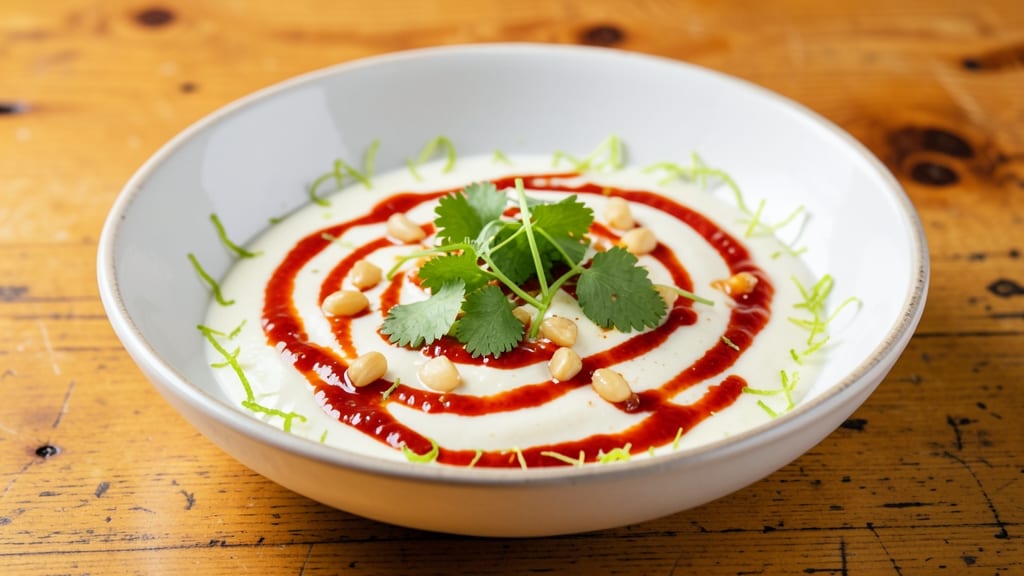
This fresh kitchen recipe for a vegan coconut sriracha sauce transforms ordinary dishes into bold, tropical-spiced masterpieces with just five simple ingredients. The perfect balance of creamy coconut milk and fiery sriracha creates a versatile sauce that elevates everything from stir-fries to grilled proteins—no complicated techniques required.
What makes this recipe stand out is its emulsified texture, ensuring smooth consistency without separation, even after refrigeration.
The foundation of this sauce lies in simmering coconut milk with sriracha and lime juice until the flavors meld into a harmonious blend. A touch of maple syrup or agave balances the heat, while fresh herbs like cilantro or basil add brightness.
Unlike store-bought versions, this homemade sauce delivers layered depth—smoky, sweet, and spicy—with every drizzle. The best part? It comes together in under 15 minutes with minimal effort.
Once blended to perfection, this sauce keeps its vibrant flavor for up to one week in the refrigerator, making it ideal for meal prep. Its neutral yet complex profile works as a dipping sauce, marinade, or finishing drizzle, adapting seamlessly to your favorite dishes.
Whether you're craving a spicy kick or a creamy contrast, this recipe delivers restaurant-quality results at home.
For extra versatility, adjust the heat level by adding more sriracha or reducing it with a splash of coconut milk. The sauce also freezes beautifully, preserving its texture and flavor for up to three months. Ready to elevate your cooking? Let’s make this tropical-spiced sauce today.
Ingredients for coconut sriracha sauce fresh kitchen
Five tropical ingredients blend into restaurant-quality sauce with creamy heat and vibrant freshness.
| Ingredient | Amount | Notes |
|---|---|---|
| Full-Fat Coconut Milk 🥥 | 1 can | Unopened, high-quality brand preferred |
| Sriracha Sauce 🌶️ | ½ cup | Huy Fong brand for authentic heat |
| Fresh Lime Juice 🍋 | 2 tbsp | Strained, seeds removed |
| Pure Maple Syrup 🍯 | 1 tbsp | Grade B for molasses notes |
| Fresh Cilantro Leaves 🌿 | ¼ cup | Stems removed, finely chopped |
| Garlic Cloves 🧄 | 2 cloves | Minced, for depth of flavor |
| Extra-Virgin Olive Oil 🫒 | 1 tbsp | For emulsification stability |
| Filtered Water 💧 | ¼ cup | For thinning consistency |
The coconut milk forms the creamy base—opt for full-fat canned varieties like Thai Kitchen or Native Forest for maximum richness. Huy Fong Sriracha delivers the signature smoky heat, but any quality brand works. Fresh lime juice brightens the sauce, so Mexican limes from Latin markets pack extra zing. For maple syrup, Grade B offers deeper caramel notes that complement the spice. The cilantro should be vibrant green with no wilting—Trader Joe's carries excellent organic bunches. Garlic cloves should be firm and free of sprouts, while the olive oil must be extra-virgin to prevent emulsification failure.
No Huy Fong Sriracha? Cholula or Tabasco sauce work as substitutes, though heat levels vary. Substitute lime juice with lemon juice at 1:1 ratio, but expect slightly less complexity. For maple syrup alternatives, agave nectar provides similar viscosity. Fresh cilantro unavailable? Dried cilantro at one-third the amount suffices, though texture differs. The olive oil can be swapped for avocado oil if preferred. For extra creaminess without coconut milk, cashew cream blends seamlessly. Adjust heat by adding more sriracha or thinning with water for drizzling consistency.
Store in an airtight container with a thin layer of olive oil on top to preserve freshness for up to one week in the refrigerator. For longer storage, freeze in ice cube trays—each cube equals one tablespoon of sauce. Thaw overnight in the fridge before use. The sauce thickens upon refrigeration, so stir before each use. For restaurant-style drizzling, thin with 1 teaspoon water per tablespoon of sauce. Freezes beautifully for up to three months without texture degradation.
Why You'll Love This Recipe
- Here’s what sold me: the way the creamy coconut milk softens the sriracha’s kick while the lime juice and maple syrup keep it bright and addictive. It’s not too spicy, not too sweet—just that perfect push of tang and richness that makes you reach for more. (Yes, even on a Tuesday night.)
- Five-Ingredient Magic: The pantry already has these—no specialty shopping needed. A can of coconut milk, a bottle of sriracha, lime juice from your fridge, a splash of maple syrup, and cilantro from the garden (or store). That’s it. I’ve made this sauce at least 15 times, and every time, I’m reminded how little effort delivers this much flavor.
- Sweet Heat Balance: Here’s what sold me: the way the creamy coconut milk softens the sriracha’s kick while the lime juice and maple syrup keep it bright and addictive. It’s not too spicy, not too sweet—just that perfect push of tang and richness that makes you reach for more. (Yes, even on a Tuesday night.)
- Dips, Glazes, Everything: This sauce turns into whatever you need: a dip for veggies, a glaze for grilled chicken, or a drizzle over noodles. I keep a jar in my fridge for emergencies—when the kids want something fun, when I’m craving Thai takeout vibes, or when I need to jazz up a simple meal. It’s my secret weapon for lazy nights.
Step-by-step instructions for coconut Sriracha fresh kitchen sauce
Master this vibrant sauce with balanced heat and tropical richness in just minutes.
Blend the Base Ingredients for Smooth Texture
Combine the unopened can of full-fat coconut milk, 0.5 cup Sriracha sauce, 2 tbsp fresh lime juice, and 1 tbsp pure maple syrup in a high-powered blender. The lime juice will immediately brighten the sauce, cutting through the coconut's richness while the maple syrup adds subtle depth. Blend on high speed for 30 seconds until fully emulsified and smooth—you should see no visible separation between ingredients.
I use a high-speed blender here because it creates a silky texture that would be impossible with a regular blender. The coconut milk's natural fats need vigorous blending to fully incorporate with the spicy Sriracha. If you notice any oil separation after blending, that's normal—we'll address it in the next step.
Incorporate Aromatics and Stabilize the Emulsion
Add the 2 cloves minced garlic, 0.25 cup finely chopped fresh cilantro leaves, and 1 tbsp extra-virgin olive oil to the blender. Pulse just 2-3 times—you want to incorporate these ingredients without over-blending, which could break down the garlic's flavor. The olive oil acts as an emulsifier, helping bind the coconut fats with the spicy components.
Blend again for 10-15 seconds until everything is fully combined. The sauce should now have a vibrant green hue from the cilantro and a slightly thicker consistency. If the mixture appears too thick, this is where we'll add the 0.25 cup filtered water—just a splash at a time—to reach your desired pouring consistency. The water should be added gradually to maintain balance.
Adjust Consistency and Test the Balance
Transfer the sauce to a clean bowl and taste immediately. This is your quality checkpoint: the sauce should have a perfect harmony of spicy heat from the Sriracha, creamy richness from the coconut, bright acidity from the lime, and sweet depth from the maple syrup. If it's too spicy, add a pinch more maple syrup. If it needs more heat, add a small drizzle of additional Sriracha sauce.
For the ideal consistency, the sauce should coat the back of a spoon but still pour smoothly. If it's too thick, whisk in the filtered water 1 tablespoon at a time until it reaches a drizzling consistency. Remember, this sauce is meant to be versatile—thicker for dipping, thinner for drizzling over dishes. I find that adding the water last ensures we don't dilute the carefully balanced flavors.
Rest and Refine the Flavor
Cover the bowl with plastic wrap and let the sauce rest at room temperature for 10-15 minutes. This resting period allows the flavors to fully meld together. During this time, the coconut fats will separate slightly—this is normal and actually desirable for texture. The sauce will naturally thicken as it cools, so don't be tempted to add water immediately after blending.
After resting, give the sauce one final stir. You'll notice the flavors have deepened—this is when the sauce truly comes together. The heat from the Sriracha will mellow slightly while the coconut's richness becomes more pronounced. The lime's brightness will have integrated fully, creating that perfect balance that makes this sauce so addictive. Now it's ready to use immediately or store for later.
Pro Tips For Making Coconut Sriracha Sauce Fresh Kitchen
- Simmer Slow and Low: This sauce isn’t a race—heat it gently over medium-low for at least 5 minutes, stirring often. I used to rush it, and the coconut milk would split into a greasy mess. Let the flavors meld instead of fighting for time.
- Use Real Cilantro, Not Salt: Fresh cilantro leaves add brightness, but don’t just toss in the stems. Finely chop them and add them last—right when you’re serving—to keep the color vibrant. (Yes, even if you’re impatient like me.)
- Balance the Heat First: Taste as you go. If the sriracha overpowers, add lime juice first—it cuts through the spice better than coconut milk. I learned this the hard way after making a batch so fiery it needed milk just to drink.
- Strain for Smoothness: Blend the sauce, then strain it through a fine-mesh sieve into a clean bowl. It’s extra work, but the result is silky, not chunky. (Your future self will thank you.)
Dietary considerations for this recipe
Vegan-Friendly Foundation
This sauce is naturally vegan—no dairy, eggs, or animal products are used, making it perfect for plant-based diets. The full-fat coconut milk provides the creamy base, while Huy Fong Sriracha delivers the signature heat. The lime juice and maple syrup add brightness and balance without any animal-derived ingredients. 🌱
Gluten-Free by Design
All ingredients in this recipe are inherently gluten-free, so it’s safe for those with celiac disease or gluten sensitivity. The coconut milk, Sriracha, lime, maple syrup, and fresh herbs contain no gluten traces.
Always double-check your Sriracha brand, as some flavored varieties may contain gluten additives. For extra caution, use certified gluten-free Sriracha like Annie’s Organic Chili Sauce.
Nut-Free and Soy-Free
This sauce avoids common allergens like nuts and soy, making it ideal for those with tree nut allergies or soy sensitivities. The coconut milk used here is nut-free (despite coconut being a fruit, it’s often processed in nut-free facilities).
For soy-free assurance, verify your Sriracha label—some brands use soy-based additives. The recipe naturally excludes all soy ingredients, so it’s a safe choice for those avoiding soy.
Low-Sugar Adaptations
If you’re watching sugar intake, reduce the 1 tbsp maple syrup to ½ tbsp or omit it entirely. The natural sweetness of coconut milk and lime will still balance the spice. For a sugar-free version, use monk fruit sweetener (½ tsp) or a pinch of stevia.
Just be mindful that monk fruit can have a slightly bitter aftertaste, so start with less and adjust to taste. 🍯
Spice Level Control
Adjust the heat to your preference by modifying the Sriracha. For mild heat, reduce to ¼ cup and add 1 tsp honey or agave for balance. For extra spice, increase to ⅔ cup Sriracha and add a pinch of smoked paprika for depth.
If you’re sensitive to capsaicin, strain the sauce through a fine-mesh sieve to remove some of the spicy seeds before serving.
Storage Safety
Store leftovers in an airtight container in the fridge for up to 7 days. The sauce’s natural acids (lime + Sriracha) help preserve it, but always refrigerate promptly after use. For longer storage, freeze in 1-tbsp portions—thaw overnight in the fridge.
When reheating, warm gently on the stovetop over low heat to avoid separating. Never microwave, as this can break the emulsion. ❄️
Nutrition facts
Frequently asked questions
Why does my coconut sriracha sauce separate after blending?
The natural fats in coconut milk can separate when blended, but this is easily fixed! The olive oil in the recipe acts as an emulsifier—simply whisk vigorously or blend again for 10-15 seconds to recombine. For extra stability, add 1 tsp cornstarch mixed with 1 tbsp water and heat gently until thickened. Store in an airtight container with a thin layer of olive oil on top to prevent future separation.
Can I make this sauce without a high-speed blender?
While a high-speed blender creates the silkiest texture, you can achieve great results with an immersion blender or regular blender by blending in 30-second bursts and scraping the sides. For extra creaminess, strain the blended mixture through a fine-mesh sieve to remove any coconut oil residue. The sauce will still taste delicious—just slightly thicker and more rustic in texture.
What are the best ways to use this sauce beyond dipping?
This versatile sauce elevates so many dishes! Use it as a marinade for grilled chicken or tofu, a drizzle over ramen or noodle bowls, or a finishing sauce for tacos and bowls. It also works as a spicy mayo substitute in sandwiches or as a glaze for roasted vegetables. For extra richness, mix 1 tbsp into creamy dressings or soups like pho or curry.
How do I adjust the heat level for kids or sensitive eaters?
For milder heat, reduce the Sriracha to ¼ cup and add 1 tsp honey or agave to balance. For a nearly heat-free version, use just 2 tbsp Sriracha and increase the coconut milk to 1½ cups. If the sauce is still too spicy, strain it through a fine-mesh sieve to remove some of the capsaicin-rich seeds. The lime and maple syrup will still provide that bright, tropical flavor without the kick.
Can I make this sauce with coconut cream instead of coconut milk?
Yes, but expect a thicker, richer texture! Coconut cream has a higher fat content, so use ½ cup instead of 1 can of coconut milk and add 2 tbsp water to thin it out. The sauce will be more decadent and perfect for drizzling or dipping. If using coconut cream, you may need to blend longer to fully emulsify the extra fats. For a lighter consistency, stick with coconut milk.