
Sauces & Condiments
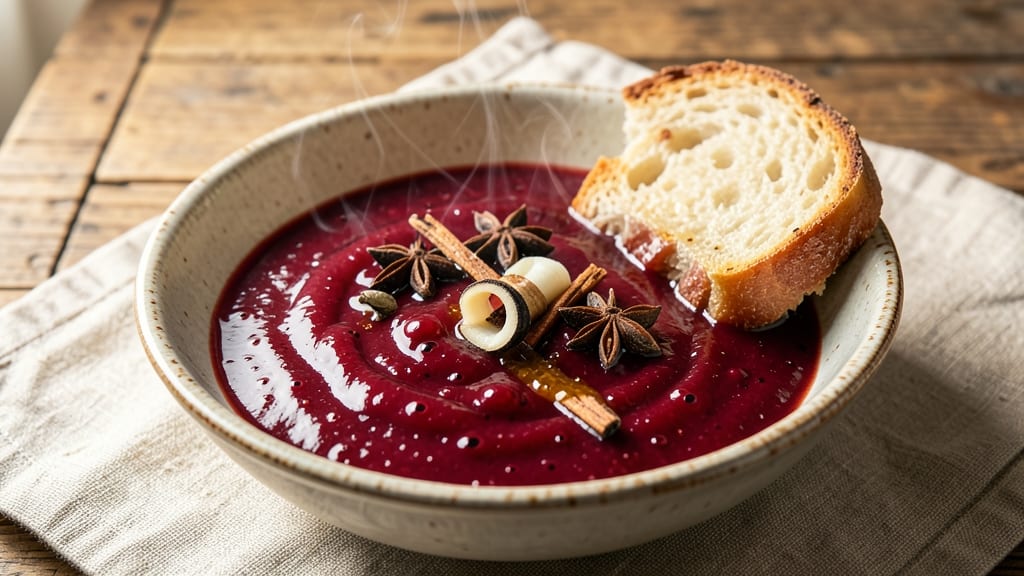
This chokecherry sauce recipe transforms tart wild berries into a velvety, naturally sweetened condiment that elevates everything from roasted meats to vanilla ice cream. The key lies in balancing the fruit’s inherent tartness with just enough natural sweetness—no refined sugar needed—while building depth through slow simmering and aromatic spices.
I developed this version after years of experimenting with wild harvests, and it’s become my go-to for adding rustic character to both savory and sweet dishes.
The process is straightforward but requires patience: chokecherries must simmer until their skins break down completely, releasing deep red-purple hues and a complex flavor profile. A splash of vinegar or lemon juice brightens the sauce, while warm spices like cinnamon and cloves add warmth without overpowering.
The result is a versatile sauce that works as a glaze for game birds, a topping for pancakes, or a sophisticated pairing for aged cheeses.
What makes this recipe stand out is its adaptability—reduce it further for a syrupy consistency perfect for drizzling, or leave it slightly chunky for rustic texture. The sauce keeps beautifully in the refrigerator for up to two weeks, making it ideal for batch cooking.
Whether you’re preserving a wild harvest or seeking a unique pantry staple, this chokecherry sauce delivers restaurant-quality depth with minimal effort.
For those with access to fresh chokecherries, harvest them at peak ripeness (deep purple-black) and remove stems before cooking. If using frozen berries, thaw them first to ensure even cooking. The sauce’s natural sweetness will surprise you—no artificial flavors, just pure berry goodness with a touch of old-world charm.
Ingredients for chokecherry sauce
Nine ingredients, zero refined sugar—just wild berries and aromatic spices for a sauce that shines on everything from game birds to ice cream.
| Ingredient | Amount | Notes |
|---|---|---|
| Fresh Chokecherries 🫐 | 3 cups | Pitted, stems removed, fresh or thawed frozen |
| Water 💧 | 1 ½ cups | For simmering, filtered preferred |
| Apple Cider Vinegar 🍎 | 1 tbsp | For brightness, organic preferred |
| Cinnamon Sticks 🌿 | 2 whole | For depth, Ceylon preferred |
| Whole Cloves 🌶️ | 4 whole | For warmth, pounded lightly |
| Vanilla Bean 🌸 | 1 whole | Scraped seeds only, Madagascar preferred |
| Extra-Virgin Olive Oil 🫒 | 1 tbsp | For gloss, fruity variety |
| Sea Salt 🧂 | ½ tsp | Diamond Crystal preferred |
| Fresh Lemon Juice 🍋 | 1 tbsp | For acidity balance |
Chokecherries are the star here, and fresh is ideal—but frozen works in a pinch. Harvest them when deep purple-black, as green ones taste bitter. If using frozen, thaw them first to prevent uneven cooking. For the best flavor, purchase from a local forager or specialty market—the wild-harvested berries have a complexity store-bought can't match. The cinnamon and cloves? Ceylon cinnamon and whole cloves add depth without overpowering, but regular grocery store brands work if you're in a hurry. Just don't skip them—they're what turns this from jam to sauce.
No fresh chokecherries? Blackberries or tart cherries can stand in, but expect a milder flavor. Running low on vanilla? Vanilla extract at half the amount works, but scraped seeds give that restaurant-quality richness. The vinegar and lemon juice might seem like small amounts, but they're key for balancing the natural tartness—substitute with apple juice if you prefer less acidity. Olive oil isn't just for gloss; it helps emulsify the sauce for that velvety texture. And if you're feeling fancy, infuse the olive oil with a cinnamon stick before adding it to the sauce for extra depth.
This sauce gets better with time—let it sit overnight before using for the flavors to meld. Store in a glass jar in the fridge for up to two weeks, or freeze for up to six months. I like to portion it into small jars so I can grab just what I need for a quick glaze or pancake topping. The sauce thickens as it cools, so if it's too thick for your liking, just stir in a splash of water or apple juice. And trust me, the first batch won't last long—it disappears faster than you'd think.
Why You'll Love This Recipe
- Five-Ingredient Magic: I swear, this sauce comes together with just a pot, a spoon, and 20 minutes of simmering. No peeling, no dicing, no fancy tools—just toss in the cherries, spices, and vinegar, then let them work their flavor.
- Tart-Sweet Perfection: That balance of bright chokecherries, warm cinnamon, and a hint of vinegar’s tang? It’s like a hug for your taste buds—sweet enough to drizzle on pancakes but bold enough to stand up to pork or cheese.
- Holiday or Weeknight: Between us, this sauce is my go-to for Thanksgiving gravy and my lazy Sunday brunch. Freeze half for later, or keep it on the shelf—it’s just as good cold as it is warm.
- Budget-Friendly Luxury: Fresh chokecherries might sound fancy, but they’re often cheaper than store-bought syrups, and the spices stretch across multiple batches. Plus, one pot makes enough to feed a crowd—or save for next month.
Step-by-step instructions for chokecherry sauce
Here's how to transform tart chokecherries into a velvety, naturally sweet sauce without refined sugar.
Simmer Cherries with Spices and Water
In a heavy-bottomed saucepan, combine the 3 cups fresh chokecherries, 1.5 cups water, 2 whole cinnamon sticks, and 4 whole cloves. Bring to a boil over medium-high heat, then immediately reduce to medium-low heat and let simmer uncovered for 20-25 minutes.
You'll notice the cherries soften dramatically and release their juices, creating a fragrant, deep purple liquid. The spices will infuse the mixture with warm, aromatic notes. Stir occasionally to prevent sticking, and watch for the cherries to break down completely—when they're fork-tender, they'll release easily from the pan walls.
Strain and Extract Maximum Flavor
Using a fine-mesh strainer or cheesecloth, carefully strain the cooked cherries into a clean bowl, pressing gently on the solids to extract every drop of purée. Discard the solids—they've given up all their flavor to the liquid. You should have about 2-2½ cups of thick, ruby-colored purée.
Return the strained purée to the saucepan and add the scraped seeds from 1 whole vanilla bean. Stir in the 1 tbsp apple cider vinegar and ½ teaspoon sea salt. The vinegar brightens the flavor while balancing the natural sweetness, and the salt enhances all the components. Bring the mixture to a gentle simmer over medium heat.
Thicken and Finish with Olive Oil
Simmer the purée uncovered for 15-20 minutes until it thickens to your desired consistency. You're looking for a sauce that coats the back of a spoon but still has a glossy, jam-like texture. Stir occasionally to prevent scorching—this sauce is delicate and needs gentle attention.
In the final 5 minutes of cooking, stir in the 1 tbsp extra-virgin olive oil and 1 tbsp fresh lemon juice. The olive oil adds richness and helps create that signature glossy finish, while the lemon juice provides a final acidity balance. Remove from heat as soon as it reaches your preferred thickness—overcooking will make it too concentrated.
Rest and Adjust for Perfect Texture
Transfer the sauce to a clean bowl and let it cool to room temperature. This resting period allows the flavors to meld completely and the texture to set properly. Taste and adjust seasoning if needed—you might want to add a pinch more salt or another splash of lemon juice to achieve perfect balance.
The sauce should have a vibrant purple hue, a glossy sheen from the olive oil, and a perfect harmony of tart and sweet flavors. It will thicken slightly more as it cools, so don't be tempted to over-reduce it while hot. Store in an airtight container in the refrigerator for up to 2 weeks or freeze for up to 6 months.
Pro Tips For Making Chokecherry Sauce
- STIR CONSTANTLY FIRST 10 MINUTES: Chokecherries release their tannins fast—if you walk away, your sauce will turn bitter before it even sweetens. Keep a wooden spoon moving like you’re stirring oatmeal; I learned this after one batch tasted like oversteeped tea.
- PIT CHERRIES BEFORE SIMMERING: Skip the straining headache: Use a melon baller or skewer to remove pits before cooking. Yes, it’s tedious, but crushed pits release bitterness that ruins the balance of sweet-tart vinegar. (I know, I know—your hands will be stained.)
- USE A SECOND POT FOR SPICES: Tie cinnamon sticks and cloves in cheesecloth to avoid fishing them out later. Tossing them loose means either burning them or ending up with a clove in every spoonful—neither improves the sauce.
- ADD VINEGAR GRADUALLY: Dumping all the apple cider vinegar at once makes the sauce fight you. Start with half, taste after 15 minutes, then adjust—this way, you’ll hit that perfect tang without overpowering the cherries. (Your first batch will likely need more.)
Troubleshooting this dish
Sauce Too Thin?
If your sauce isn’t thickening enough during simmering, try these fixes. First, reduce heat to lowest setting and let it cook uncovered for 10-15 extra minutes—patience is key!
For faster results, stir in 1 tsp cornstarch mixed with 1 tbsp water (like a slurry) and simmer for 3-5 minutes until thickened. I’ve also had success adding ½ cup pectin (like Ball Realfruit) if you’re working with very tart berries—they need that extra help to gel properly. 💫
Sauce Too Tart?
Overly tart flavors usually mean you need more sweetness or acid balance. Add 1-2 tbsp honey or maple syrup (I prefer local wildflower honey) while warm, stirring until dissolved. For a fruitier approach, mash ½ cup cooked apples into the sauce and simmer for 5 minutes to blend flavors.
If the tartness comes from overcooked cherries, reduce simmer time next batch—20 minutes max for fresh berries.
Skin Burns or Sticks?
Prevent scorching by using a heavy-bottomed saucepan (I love my All-Clad Stainless) and keeping heat at medium-low after initial boil. If you notice sticking, add 1-2 tbsp water and scrape the bottom gently with a silicone spatula.
For stubborn burns, simmer with a splash of apple juice instead of water—it adds natural sweetness while preventing sticking. Always stir occasionally to distribute heat evenly.
Flavor Too Mild?
Boost depth by infusing the cooking liquid with 1 bay leaf or ½ tsp orange zest during the initial simmer. For extra warmth, add ¼ tsp ground cardamom or 1 star anise pod (remove before straining).
If using frozen berries, thaw them in warm water with 1 cinnamon stick for 30 minutes before cooking—the spices will extract more aroma. Pro tip: Let the finished sauce sit overnight before tasting—flavors develop fully after resting.
Mold or Fermentation?
If your stored sauce develops mold (fuzzy spots) or smells funky, it’s time to toss it—chokecherry sauce doesn’t preserve like commercial jams. To prevent spoilage, use a clean spoon when scooping from jars and store with ¼ inch headspace in the fridge.
For longer shelf life, freeze in ice cube trays—thawed portions stay fresh for 3 months. If you notice fermentation (bubbles, yeasty smell), the sauce was likely too wet during cooking—next time, reduce it longer or add 1 extra tbsp pectin.
Nutrition facts
Frequently asked questions
Can I use store-bought chokecherries instead of fresh?
Store-bought chokecherries (usually dried or frozen) work, but fresh is ideal for maximum flavor. If using frozen, thaw them first and add 1 extra cinnamon stick during cooking to compensate for milder natural sweetness. For dried chokecherries, soak in warm water for 30 minutes before cooking to rehydrate.
How do I know when the cherries are fully cooked?
The cherries are done when they soften completely and release their juices easily. Press a few with a fork—they should mash into a purée-like consistency. The sauce should also develop a deep purple color and fragrant aroma. Overcooking can make it too tart, so aim for 20-25 minutes total simmering time.
What are the best ways to use this sauce?
This versatile sauce shines as a glaze for roasted meats (especially duck or pork), a topping for pancakes or yogurt, or a drizzle over vanilla ice cream. For savory dishes, reduce it further into a syrupy consistency, while thicker versions work perfectly as a jam-like spread. Try pairing it with aged cheeses like Gouda or sharp cheddar for a gourmet twist.
Can I make this sauce without vanilla?
Yes! Skip the vanilla bean and add ½ teaspoon vanilla extract instead, or boost warmth with ¼ teaspoon ground cinnamon. For depth, try ½ teaspoon orange zest or a pinch of cardamom. The sauce will still taste rich and aromatic—just slightly different.
Why does my sauce separate or look cloudy?
Cloudiness often means the sauce needs more cooking time to fully emulsify. Simmer uncovered for 5-10 extra minutes while stirring occasionally. If it separates, whisk in 1 teaspoon cornstarch mixed with 1 tablespoon water and cook for 2-3 minutes until smooth. For prevention, stir consistently during simmering to avoid scorching.