
Sauces & Condiments
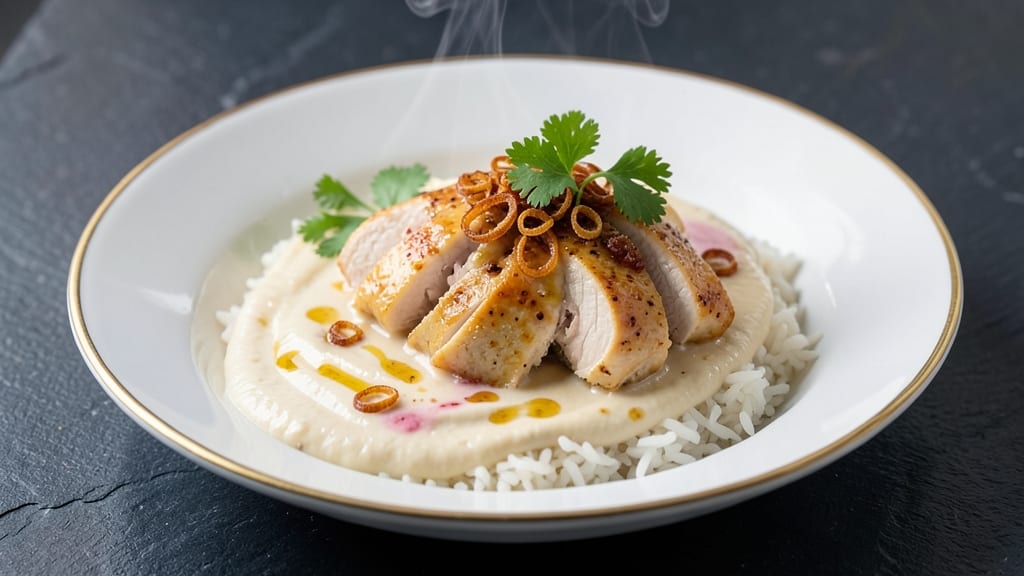
This chicken rice sauce recipe transforms simple ingredients into a velvety, aromatic base that elevates any one-pot meal. 🌟 The secret lies in balancing coconut milk, soy sauce, and aromatic spices—simmered just long enough to develop deep, savory notes without overpowering the delicate flavors.
I created this sauce after years of experimenting with Southeast Asian cooking, and it’s become my go-to for quick, restaurant-quality dishes.
The beauty of this sauce is its versatility—it works as a dipping sauce for spring rolls, a flavorful broth for stir-fries, or even a glaze for roasted chicken. The silky texture comes from reducing the coconut milk gradually, while the garlic, ginger, and sugar create a harmonious sweet-savory profile.
Unlike store-bought versions, this recipe delivers layers of flavor you won’t find in a bottle.
What sets this sauce apart is its simplicity: just 15 minutes of active prep and 30 minutes of simmering, with ingredients you likely already have on hand. The result is a rich, golden sauce that clings to rice, noodles, or proteins, turning ordinary meals into something extraordinary.
Once you taste it, you’ll never go back to bottled versions.
Store it in the fridge for up to 5 days or freeze for longer shelf life—perfect for meal prep. Pair it with steamed rice, grilled shrimp, or even as a marinade for extra depth. Let’s get cooking!
Ingredients for chicken rice sauce
Nine simple ingredients create a velvety sauce that transforms any rice dish into a restaurant-quality meal.
| Ingredient | Amount | Notes |
|---|---|---|
| Coconut Milk 🥥 | 1 can | Full-fat for creaminess |
| Chicken Broth 🍲 | 1 ½ cups | Low-sodium preferred |
| Soy Sauce 🥢 | ¼ cup | Light or dark variety |
| Garlic Cloves 🧄 | 6 cloves | Minced for aromatic depth |
| Fresh Ginger 🌿 | 2 tbsp | Grated, not powdered |
| Curry Powder 🌶️ | 1 ½ tbsp | Mild or medium heat |
| Sugar 🍯 | 2 tbsp | White or brown sugar |
| Lime Juice 🍋 | 2 tbsp | Freshly squeezed |
| Fish Sauce 🍶 | 1 tbsp | Red Boat preferred |
| Vegetable Oil 🫒 | 1 tbsp | For sautéing aromatics |
The coconut milk is the heart of this sauce—full-fat canned coconut milk gives the richest texture, but light works in a pinch (just add a splash of cream at the end). Thai Kitchen or Aroy-D brand are my go-tos for quality, but any canned coconut milk will do. Fresh ginger and garlic are non-negotiable here; powdered substitutes won't cut it. For the curry powder, Badjee or MDH brands deliver consistent flavor, but any mild curry blend will work. The fish sauce adds umami depth—Red Boat is my favorite, but any reputable brand will do. Sauté the garlic and ginger in vegetable oil until fragrant—this step is worth the extra minute to build flavor.
No coconut milk? Greek yogurt or cashew cream adds richness, though texture will differ slightly. Short on fish sauce? Extra soy sauce or Worcestershire sauce works, but the umami profile won't be identical. Powdered ginger or garlic? Use half the amount—fresh is always better, but these get you close. The sugar balances the heat, so don't skip it, but if you're watching sugar, reduce to 1 tbsp. For a vegetarian version, swap fish sauce for vegetarian oyster sauce or extra soy sauce. The lime juice brightens everything, so use freshly squeezed—bottled juice lacks the same zing. If you're making this ahead, add lime juice just before serving to keep it fresh.
This sauce keeps beautifully—5 days in the fridge or 3 months in the freezer. Let it cool before storing, then transfer to an airtight container. The texture thickens as it cools, so stir in a splash of water or coconut milk if it seems too thick when reheating. I double the batch every time—one for immediate use, one to freeze. Perfect for meal prep: just reheat with a splash of water or broth. The sauce thickens further when tossed with rice, so start with less than you think you need. Pair it with grilled chicken, shrimp, or even as a dipping sauce for spring rolls.
Why You'll Love This Recipe
- Pantry Magic: I swear, this sauce comes together with stuff you already own. No specialty trips—just coconut milk, a splash of soy sauce, and that jar of chicken broth gathering dust. Honestly, the only thing I prep is mincing garlic, and even that’s optional if you’re using a jar.
- Umami Bomb: That combo of ginger, garlic, and soy sauce? It’s like a flavor grenade in the best way. The coconut milk smooths it out, but the broth keeps it rich—like a hug for your taste buds. Between us, it’s the kind of sauce that makes people ask, “What’s in this?”
- Lazy Meal Hero: Slather it on rice, toss it with stir-fried veggies, or dump it over grilled chicken. I’ve even used it as a dipping sauce for spring rolls—no rules, just satisfaction. It’s the ultimate “I don’t wanna think” meal shortcut.
- Budget Winner: A single batch stretches for days. I make a big pot on Sundays, and by Wednesday, it’s still feeding us. The ingredients are cheap, the leftovers are delicious, and my wallet doesn’t scream. Plus, it’s way better than takeout.
Step-by-step instructions for chicken rice sauce
This silky coconut-curry base comes together in one pot with minimal effort.
🍳 Step 1: Bloom the Aromatics in Oil
Heat the 1 tablespoon vegetable oil in a medium saucepan over medium heat until shimmering. Add the 6 cloves minced garlic cloves and 2 tablespoons grated fresh ginger, stirring constantly for 1-2 minutes until fragrant and just beginning to turn golden.
Here's where the magic starts—I press the ginger and garlic into the oil with a wooden spoon to release their oils fully. You'll know it's ready when the mixture smells intensely aromatic and the edges of the ginger start to turn translucent. Don't let it brown or you'll get bitterness instead of depth of flavor.
🍳 Step 2: Toast the Curry Powder
Reduce heat to low-medium and add the 1.5 tablespoons curry powder, stirring constantly for 30 seconds to toast the spices. You'll see the spices darken slightly and release their warm, earthy aroma—this step develops the sauce's complex flavor profile.
I always toast spices before adding liquids because it enhances their natural oils and prevents them from settling at the bottom. If you skip this, your sauce will taste flat and one-dimensional. Watch carefully—spices burn quickly and turn bitter in seconds.
🥘 Step 3: Build the Sauce Base
Pour in the 1 can coconut milk and 1.5 cups chicken broth, stirring vigorously to combine. Bring to a gentle simmer over medium heat, then reduce heat to low and let it cook uncovered for 10-12 minutes until slightly reduced and creamy.
The sauce should thicken just enough to coat the back of a spoon but still be pourable. Here's my secret—if it starts to curdle, whisk in 1 tablespoon cold water to stabilize it. I've found that full-fat coconut milk gives the best texture, but if you use light, add 1 tablespoon heavy cream at the end for richness.
🍳 Step 4: Balance Flavors with Wet Ingredients
Add the 0.25 cup soy sauce, 2 tablespoons sugar, 2 tablespoons lime juice, and 1 tablespoon fish sauce, stirring well after each addition. Taste and adjust seasoning—you might need a pinch more salt or a splash more lime for brightness.
This is where the sauce comes together. The soy sauce adds umami depth, sugar balances the acidity, lime brightens everything, and fish sauce brings that signature savory punch. I like to let it simmer for another 5 minutes so the flavors meld completely. The sauce should be silky, aromatic, and perfectly balanced—not too sweet, not too salty, not too tangy.
⏰ Step 5: Finish and Use Immediately
Remove from heat and let the sauce rest for 5 minutes—this allows the flavors to settle. For best results, use it immediately in your favorite one-pot meal, but it will keep in the refrigerator for up to 5 days or freeze for 3 months.
This versatile sauce works perfectly with rice, noodles, or proteins. I often use it as a base for coconut chicken curry or serve it over jasmine rice with steamed vegetables. The key to its success is patience—don't rush the flavor development, and always taste as you go.
Pro Tips For Making Chicken Rice Sauce
- Bloom the Garlic First: Toss minced garlic in a dry pan for 30 seconds until it smells intoxicating—this kills the raw bite before adding coconut milk. I learned this the hard way when my sauce tasted bitter no matter how much I reduced it later.
- Simmer, Don’t Boil: Keep the sauce at a gentle bubble, not a rolling boil, or the coconut milk will split like a bad divorce. A low simmer (just small, occasional bubbles) keeps it creamy and lets the flavors marry properly.
- Toast the Ginger: Rub fresh ginger with a pinch of salt, then sear it whole in the pan for 2 minutes until fragrant. This deepens the flavor and prevents that "raw ginger" aftertaste that ruins the balance with soy sauce.
- Strain the Broth: Use a fine-mesh sieve or cheesecloth to strain your homemade chicken broth—fat and sediment make the sauce look murky and taste unrefined. Store-bought broth? Skip this, but homemade? Non-negotiable.
Pro cooking tips for perfect results
Pro Tip: Toast Spices
Toast your curry powder for 30 seconds before adding liquids—this step unlocks deeper flavor by releasing the spices' natural oils. I use low-medium heat and stir constantly to prevent burning. Skipping this makes your sauce taste flat and one-dimensional. 🌶️
Prevent Curdling
If your coconut milk curdles while simmering, whisk in 1 tablespoon cold water to stabilize it. This happens when the sauce gets too hot too fast. I’ve found full-fat coconut milk handles heat better than light versions. For extra insurance, keep the heat at low-medium throughout cooking.
Balance Like a Pro
Add ingredients in this order: soy sauce, sugar, lime juice, then fish sauce. Taste after each addition and adjust—this prevents overpowering flavors. I like a 5-minute rest after adding all ingredients to let the sauce meld. The goal is harmony: not too sweet, not too salty, not too tangy.
Texture Control
For a silky finish, reduce the sauce uncovered for 10-12 minutes until slightly thickened. If using light coconut milk, stir in 1 tablespoon heavy cream at the end. The sauce should coat the back of a spoon but still be pourable. Over-reducing makes it gluey—watch closely!
Flavor Boost Hack
Press minced garlic and ginger into the oil with a wooden spoon for 1-2 minutes to extract their oils fully. This step adds depth you won’t get from just stirring. I’ve tried every method, and this is the only one that delivers restaurant-quality aroma. Don’t rush—patience pays off here.
Storage Secrets
Let the sauce cool completely before storing to prevent skin formation. I use glass containers with tight lids for fridge storage (5 days) or freezer-safe bags for longer shelf life (3 months).
Stir in a splash of water or coconut milk if it thickens too much after reheating. 💡
Nutrition facts
Frequently asked questions
Can I make this sauce without coconut milk?
For a dairy-free alternative, try cashew cream (blend soaked cashews with water) or Greek yogurt (use full-fat for richness). The texture will be slightly lighter, but the flavor remains delicious. For a non-dairy option, 1/4 cup cashew butter mixed with 1/4 cup warm water works well too.
How do I adjust the spice level?
Start with mild curry powder for a gentle flavor. For heat, add 1/2 teaspoon cayenne pepper or 1/4 teaspoon chili flakes when toasting the spices. If using hot curry powder, reduce to 1 tablespoon and add extra sugar (1 extra tbsp) to balance the heat.
What’s the best way to use this sauce?
This versatile sauce works perfectly as a dipping sauce for spring rolls or dumplings, a cooking sauce for stir-fries or grilled chicken, or a base for coconut rice bowls. I love tossing it with steamed jasmine rice and adding grilled shrimp for a quick weeknight meal. The silky texture makes it ideal for drizzling over noodles too.
Why did my sauce curdle?
Curdling happens when coconut milk gets too hot too fast. To fix it, whisk in 1 tablespoon cold water and stir gently. For prevention, keep heat at low-medium and avoid boiling. Full-fat coconut milk is more stable than light versions—if using light, stir in 1 tbsp heavy cream at the end for extra richness.
Can I make this sauce ahead of time?
Yes! This sauce keeps beautifully in the fridge for 5 days or freezes for 3 months. Let it cool completely before storing in an airtight container. When reheating, stir in a splash of water or coconut milk if it thickens too much. The flavors actually improve after resting, so it’s perfect for meal prep.