
Sauces & Condiments
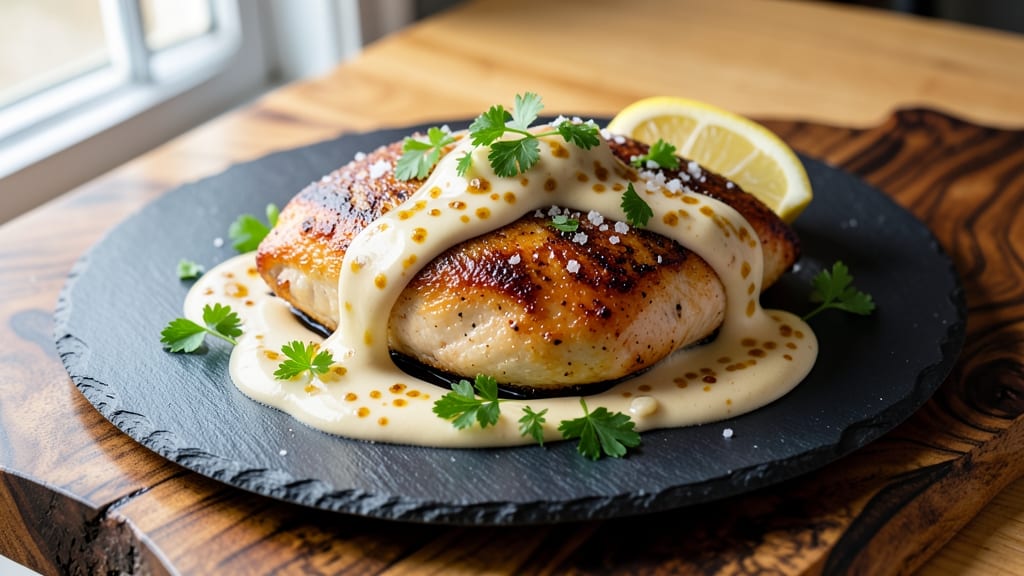
This chicken mayo sauce recipe transforms simple ingredients into a velvety, ultra-creamy drizzle perfect for wings, fries, or sandwiches. The secret lies in balancing rich mayonnaise with tangy mustard and bright lemon juice, creating a sauce that clings beautifully to crispy foods.
I developed this version after testing countless combinations—this one delivers that signature creamy texture without being too heavy.
The foundation starts with high-quality mayonnaise as the base, which provides that signature smoothness. A touch of Dijon mustard adds depth and prevents the sauce from becoming too sweet, while fresh lemon juice keeps it bright and tangy.
For extra flavor, I incorporate finely minced garlic and fresh herbs like parsley or chives, which add freshness without overpowering the creamy base. This sauce is designed to be versatile—equally at home on golden fries, juicy wings, or even as a sandwich spread.
What makes this recipe stand out is its foolproof simplicity—just five core ingredients come together in minutes, yet the result feels restaurant-quality. The sauce maintains its creamy consistency even after refrigeration, making it perfect for meal prep.
Whether you're serving up a casual weeknight dinner or prepping for a game day spread, this chicken mayo sauce will elevate every bite with its rich, velvety texture and balanced flavors.
Store any leftovers in an airtight container in the refrigerator for up to five days, though I guarantee it won’t last that long. Pair it with crispy fried chicken, fresh fries, or even as a dip for veggies. Here’s how to make it—simple, creamy, and impossible to resist.
Ingredients for chicken mayo sauce
Five core ingredients craft this ultra-creamy sauce for wings and fries.
| Ingredient | Amount | Notes |
|---|---|---|
| Mayonnaise 🥫 | 1 cup | High-quality, full-fat preferred |
| Dijon Mustard 🌶️ | 2 tbsp | For depth and tanginess |
| Fresh Lemon Juice 🍋 | 1 tbsp | Brightens the creamy base |
| Garlic Cloves 🧄 | 2 cloves | Finely minced for subtle flavor |
| Fresh Parsley 🌿 | ¼ cup | Chopped, for freshness |
| Salt 🧂 | ½ tsp | Diamond Crystal preferred |
| Black Pepper 🌶️ | ¼ tsp | Freshly ground for aroma |
The mayonnaise is non-negotiable here—Hellmann's or Duke's deliver the smoothest base, but any full-fat brand works. Dijon mustard adds complexity without overpowering; Maille is my go-to, but store-brand is fine. Fresh lemon juice brightens the sauce, so avoid bottled versions—they lack vibrancy. For garlic, roasted cloves add sweetness, but raw minced works too. Fresh parsley is ideal, but dried at one-third the amount suffices in a pinch. The salt should be Diamond Crystal for proper dissolution, not iodized table salt.
No Dijon mustard? Yellow mustard at half the amount works, though flavor differs. Swap lemon juice for white vinegar or apple cider vinegar if needed, but taste first—vinegar can overpower. Garlic powder at one-fourth the amount is an option, but fresh is superior. Substitute parsley with chives or green onion for a milder note. For a lighter texture, blend in 1 tbsp plain Greek yogurt—it thins the sauce slightly while adding tang. Store-bought mayo with additives? Duke's or Best Foods are the cleanest options.
This sauce thickens slightly when chilled, so whisk in 1 tsp water if too stiff. Keeps for 5-7 days in the fridge, sealed tightly. For meal prep, store in small jars—perfect for dipping or drizzling. Freezes for 3 months if thinned with 1 tsp water before freezing. Avoid reheating; serve cold or at room temperature. The parsley wilts fast—add it last to maintain freshness.
Why You'll Love This Recipe
- Five-Ingredient Magic: I swear, this sauce comes together with just mayo, mustard, lemon, garlic, and parsley—no fancy gadgets or last-minute grocery runs. Honestly, the only prep is mincing garlic and squeezing a lemon, and even that’s optional if you’re in a rush.
- Tangy Creamy Bite: That bright lemon cuts through the richness of the mayo, while the Dijon mustard adds depth—like a hug for your taste buds. Between us, the garlic and parsley make it taste like it simmered for hours, even though it’s ready in minutes.
- Weeknight Wonder: Slather it on grilled chicken for dinner, toss it with rice for lunch, or drizzle it over cold noodles when you’re too tired to cook. I’ve even used it as a dip for veggies when my kids begged for something “fun” after school.
- Leftovers That Don’t Suck: This sauce keeps for days in the fridge, and it only gets better as the flavors meld. I’ll be real: I’ve had it last a full week, and it’s still my go-to for quick meals or last-minute takeout-style dishes. Plus, it’s cheap—mayo and garlic don’t break the bank.
Step-by-step instructions for chicken mayo sauce
Here's the method for crafting a velvety, restaurant-quality chicken mayo sauce that clings beautifully to wings, fries, or sandwiches.
Finely Mince the Garlic and Parsley
Peel the 2 cloves Garlic Cloves and mince them into a fine paste using a sharp knife or garlic press. I prefer pressing for consistency, but if you're chopping by hand, aim for pieces so small they're nearly invisible—this prevents any texture in your finished sauce. Transfer the minced garlic to a small mixing bowl.
Next, chop the 0.25 cup Fresh Parsley into very fine pieces, almost like confetti. The parsley should be so finely cut that it dissolves into the sauce rather than creating visible flecks. This level of precision ensures a silky texture without any gritty surprises. Set the parsley aside with the garlic.
Combine Wet Ingredients for a Smooth Base
In the same bowl, add the 1 cup Mayonnaise, 2 tbsp Dijon Mustard, and 1 tbsp Fresh Lemon Juice. Use a whisk or rubber spatula to combine these ingredients thoroughly. The mayonnaise should become uniformly pale yellow with no streaks of mustard or lemon juice remaining. This blending step is crucial—uneven mixing can lead to clumps in your sauce.
At this stage, the mixture might look slightly thick, but don't worry. As you incorporate the garlic and parsley, the texture will adjust naturally. I like to taste the mixture at this point to ensure the lemon juice is bright enough—if it tastes too mild, add a tiny splash more, but be careful not to over-acidify the sauce.
Incorporate Garlic, Parsley, and Seasonings
Add the finely minced garlic and parsley to the wet mixture. Using a rubber spatula, fold these ingredients in gently but thoroughly. The goal is to distribute them evenly without creating air pockets or breaking the emulsion of the mayonnaise. Work in a figure-eight motion to ensure every bite of the sauce carries the same flavor.
Next, add the 0.5 tsp Salt and 0.25 tsp Black Pepper. Stir until completely dissolved—this is where the sauce comes together. The salt should enhance the richness of the mayonnaise, while the pepper adds a subtle warmth that balances the lemon's brightness. Taste again now to check the seasoning. If needed, adjust with a pinch more salt or a crack of pepper, but be judicious—this sauce should taste balanced, not overpowering.
Rest and Adjust for Perfect Texture
Cover the bowl with plastic wrap and let the sauce rest at room temperature for 10-15 minutes. This resting period allows the flavors to meld and the texture to stabilize. During this time, the sauce will slightly thicken, which is ideal for dipping or drizzling. If the sauce appears too thick after resting, thin it with 1-2 teaspoons of warm water or lemon juice until it reaches a smooth, pourable consistency.
The sauce is now ready to use. For the best results, serve it immediately over your favorite dishes—whether that's crispy fried chicken, golden fries, or a classic chicken sandwich. The ultra-creamy texture and balanced flavors will make it a standout addition to any meal. If you have leftovers, store them in an airtight container in the refrigerator for up to 3 days, though I find this sauce is best enjoyed fresh.
Pro Tips For Making Chicken Mayo Sauce
- Mince Garlic Finely: I used to crush whole cloves with the side of my knife and wondered why my sauce tasted dull. Now I pulse 2-3 cloves in a mini food processor—just until they’re a paste, not a powder—so every bite gets that bright, mellow garlic punch without bitterness.
- Whisk in Lemon Gradually: Dumping all the lemon juice at once curdles mayo faster than you can say “sauce disaster.” Instead, whisk in 1 teaspoon at a time while stirring the mayo in the same direction—like you’re painting a wall. The sauce will thicken right before your eyes.
- Toast Parsley First: Skip the raw parsley—it’ll just turn your sauce into a sad, watery green sludge. Instead, pulse 1 tablespoon of chopped parsley in a dry skillet for 30 seconds until fragrant (yes, it’ll darken). Then mix it in while the sauce is still warm—it adds depth without wilting.
- Chill Before Serving: Warm mayo sauce is a science experiment waiting to happen. After mixing, refrigerate for at least 20 minutes—this lets flavors meld and prevents that greasy, broken texture. Pro move: Serve it cold over grilled chicken or in sandwiches where it’ll stay stable.
Flavor customization for these flavors
Spicy Kick
For heat lovers, stir in 1 tsp sriracha or ½ tsp cayenne pepper when combining the wet ingredients. If you prefer smoky heat, swap for 1 tsp chipotle powder or ½ tsp smoked paprika.
I like adding a pinch of cayenne first, then adjusting to taste—this sauce can handle up to 1 tsp total without overpowering. 🌶️
Sweet and Tangy
Balance the creaminess with sweetness by adding 1 tbsp honey or maple syrup to the wet ingredients. For extra tang, replace the lemon juice with 1 tbsp apple cider vinegar and add ½ tsp onion powder.
This version works amazingly as a sandwich spread or dipping sauce for veggies. I often use this variation for BBQ chicken sandwiches—the sweetness cuts through the smokiness beautifully.
Herb Variations
Swap parsley for chives or dill for a completely different flavor profile. For a Mediterranean twist, add 1 tsp dried oregano and ½ tsp lemon zest to the wet ingredients.
Fresh dill pairs especially well with lemon—just chop 1 tbsp fresh dill instead of parsley. I find this version works perfectly with grilled chicken or fish tacos.
Smoky BBQ Fusion
Transform this sauce into a smoky BBQ mayo by mixing in 1 tbsp BBQ sauce (I recommend Sweet Baby Ray's Original) and ½ tsp smoked salt. Add a pinch of garlic powder for extra depth.
This rich, smoky version is ideal for pulled pork sandwiches or as a drizzle over roasted potatoes. The BBQ sauce adds complexity without overpowering the creamy base.
Creamy Garlic Parmesan
For a cheesy twist, fold in 2 tbsp grated Parmesan cheese and an extra 1 clove minced garlic when incorporating the seasonings. Add ½ tsp onion powder for extra depth.
This version is perfect for fried chicken or as a pasta sauce. I like to add a splash of warm water to thin it slightly for a lighter consistency. 🧀
Lighter Greek Yogurt Version
For a lighter texture, replace ¼ cup of the mayonnaise with ¼ cup plain Greek yogurt. This keeps the sauce creamy but adds a subtle tang. I recommend using Fage 5% fat for the best balance.
Add an extra ½ tsp lemon juice to brighten the flavor. This version works wonderfully as a dip for veggie sticks** or as a sandwich spread.
Nutrition facts
Frequently asked questions
Can I make this sauce without mayo?
Yes! For a lighter version, replace ¼ cup of the mayonnaise with ¼ cup plain Greek yogurt (like Fage 5% fat). This keeps the creamy texture while adding a subtle tang. The sauce will be slightly thinner, so adjust by adding ½ tsp extra lemon juice for brightness. Perfect for dipping veggies or sandwich spreads!
How long will this sauce keep in the fridge?
This ultra-creamy sauce stays fresh for up to 5-7 days when stored in an airtight container. The flavors actually improve slightly after 24 hours as the ingredients meld. For longer storage, freeze for up to 3 months—just thaw overnight in the fridge. Never reheat; serve cold or at room temperature.
What's the best way to thin this sauce if it's too thick?
If your sauce thickens after resting, whisk in 1-2 teaspoons of warm water or lemon juice until it reaches a smooth, pourable consistency. Start with less and add gradually—too much liquid can break the mayo emulsion. For extra insurance, blend in 1 tsp Dijon mustard first to stabilize the texture.
Can I use this sauce on non-chicken dishes?
This versatile sauce works beautifully on fried fish, grilled shrimp, or even as a sandwich spread. For veggie dips, try mixing in 1 tsp honey or apple cider vinegar to balance the richness. The creamy texture clings perfectly to crispy foods—just avoid using it on acidic ingredients like tomato-based dishes, as the mayo may separate.
Why did my sauce turn grainy or separate?
This usually happens when the mayo emulsion breaks, often from overmixing or adding acidic ingredients too quickly. To fix it, whisk in 1 tsp Dijon mustard or 1 tbsp warm water while stirring vigorously in one direction. For prevention, always add lemon juice gradually and avoid metal utensils (use plastic or silicone). If it's too late, start fresh—this sauce comes together quickly!