
Sauces & Condiments
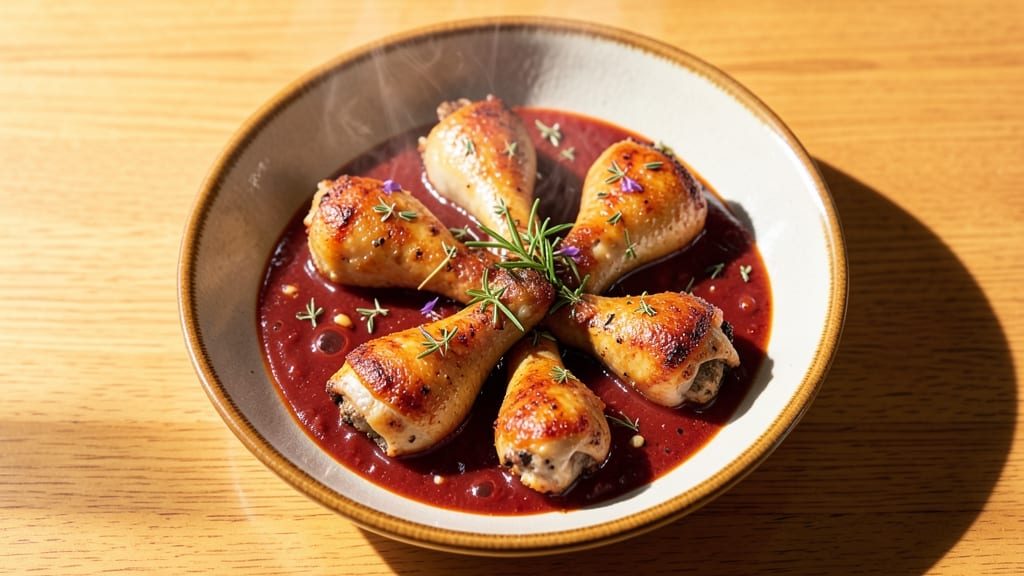
This chicken legs with tomato sauce recipe delivers restaurant-quality results with crispy, golden skin and a rich, simmered sauce that clings perfectly to every bite. The secret lies in a simple marinade and high-heat cooking method that transforms ordinary chicken legs into a standout main dish.
I’ve perfected this technique over years of testing, ensuring tender meat and a sauce that’s both bold and balanced.
The process starts with a flavorful marinade of garlic, herbs, and olive oil, which tenderizes the chicken while infusing it with depth. After achieving that coveted crispy skin—whether baked, roasted, or pan-seared—you’ll simmer the legs in a vibrant tomato sauce until the flavors meld into something irresistible.
The sauce is rich yet not overly sweet, with just enough acidity to brighten every bite.
What you’ll end up with is a dish that’s hearty enough for a family dinner but elegant enough for a special occasion. The crispy skin contrasts beautifully with the tender meat, while the sauce coats everything in a velvety, aromatic finish.
Serve with crusty bread to soak up every last drop or pair it with a simple salad for a complete meal.
This recipe is designed to be foolproof, with clear steps and timing to ensure perfect results every time. Whether you’re cooking for a crowd or treating yourself to a satisfying weeknight dinner, this combination of crispy chicken and rich tomato sauce is sure to impress. Let’s get started!
Ingredients for chicken legs with tomato sauce
Four crispy chicken legs and a dozen ingredients transform into restaurant-quality tomato sauce perfection.
| Ingredient | Amount | Notes |
|---|---|---|
| Chicken Legs 🍗 | 4 whole | Bone-in, skin-on, thighs included |
| Extra-Virgin Olive Oil 🫒 | ½ cup | For marinade and crisping |
| Garlic Cloves 🧄 | 6 cloves | Minced for marinade |
| Fresh Rosemary 🌿 | ¼ cup | Chopped, stems removed |
| Fresh Thyme 🌿 | ¼ cup | Leaves only, chopped |
| Salt 🧂 | 1 ½ tbsp | Diamond Crystal preferred |
| Ground Black Pepper 🌶️ | 1 tbsp | Freshly ground for best flavor |
| Canned San Marzano Tomatoes 🍅 | 28 oz | Crushed or whole, no salt added |
| Tomato Paste 🍅 | 2 tbsp | Squeeze tube for convenience |
| Red Wine 🍷 | ½ cup | Dry, bold variety like Cabernet |
| Chicken Broth 💧 | ½ cup | Low-sodium preferred |
| Fresh Basil Leaves 🌿 | ¼ cup | Chopped for garnish |
| Balsamic Vinegar 🍶 | 1 tbsp | For sauce brightness |
| Red Pepper Flakes 🌶️ | ½ tsp | Adjust for heat preference |
The chicken legs are the star, so choose bone-in, skin-on thighs included—they stay juicier. Trader Joe's and Whole Foods carry excellent quality, but any grocery store's fresh chicken works. Look for legs with good marbling and vibrant color. The skin needs to be intact for that crispy texture, so avoid pre-cut pieces. For the tomatoes, San Marzano is worth seeking out—they're sweeter and less acidic, which balances the sauce perfectly. If you can't find them, any high-quality canned tomatoes will do, just be sure to drain them well before using.
No red wine? Substitute with extra chicken broth and a splash of balsamic vinegar—it adds depth without the alcohol. Fresh rosemary and thyme are ideal, but dried works at one-third the amount if you're in a pinch. The tomato paste can be skipped if you prefer a lighter sauce, but it adds that rich, concentrated flavor. For the olive oil, avoid the cheap stuff—look for extra-virgin with a fruity aroma. The balsamic vinegar should be aged at least 10 years for that caramelized sweetness, but regular balsamic will still brighten the sauce nicely. If you're sensitive to heat, reduce or omit the red pepper flakes entirely.
This sauce reheats beautifully—it actually tastes better the next day as the flavors meld. Store leftovers in an airtight container in the fridge for up to 5 days, or freeze for 3 months. The chicken legs can be prepped ahead and refrigerated overnight for deeper flavor. For make-ahead convenience, assemble the sauce components in a jar and refrigerate separately from the chicken. When ready to cook, simply combine and simmer. The crispy skin is best served immediately, so plan to cook the chicken fresh if possible, but the sauce keeps well for later use.
Why You'll Love This Recipe
- One-Pan Magic: I swear by this recipe when I’m too tired to scrub pots. Toss the chicken legs, garlic, and herbs on a sheet pan, drizzle with olive oil, and let the oven do the work—no flipping, no fuss. The rosemary and thyme cling to the skin while the garlic infuses the sauce, and honestly? I’ve never cleaned up less for something this good.
- Crispy-Creamy Perfection: That first bite where the golden skin gives way to tender meat swimming in a bright, herby tomato sauce? It’s the kind of contrast that makes you pause mid-bite. The olive oil keeps the chicken juicy, and the garlic-rosemary punch in the sauce cuts through the richness—simple, but ridiculously satisfying.
- Weeknight to Weekend: Between us, this is my lazy Sunday lunch and my “I have no idea what to make” Tuesday night. Serve it with crusty bread for a casual brunch, or pile it over pasta for a dinner that feels fancy. My college-aged kids even ask for it—proof it’s universally loved.
- Budget-Friendly Leftovers: Chicken legs are cheaper than thighs or breasts, and this recipe stretches easily for three meals. The sauce thickens beautifully when reheated, so lunch the next day tastes just as good as dinner. I’ll be real: I’ve eaten it cold in a wrap when I was too tired to cook, and it still hit the spot.
Step-by-step instructions for chicken legs with tomato sauce
Here's the precise method to achieve perfectly crispy skin and deeply flavorful tomato sauce.
Prepare the Flavorful Marinade
In a large bowl, combine the 0.5 cup extra-virgin olive oil, 6 cloves minced garlic, 0.25 cup chopped fresh rosemary, 0.25 cup chopped fresh thyme, 1.5 tbsp salt, and 1 tbsp ground black pepper. Mix thoroughly until the herbs are evenly distributed and the oil takes on a vibrant green hue. This marinade will infuse the chicken with aromatic depth while helping to render the fat for crispy skin.
Place the 4 whole chicken legs, skin-side up, in a single layer in a shallow dish. Pour the marinade over the chicken, ensuring both sides are well coated. Let them marinate at room temperature for 30 minutes—this allows the skin to dry slightly and the seasonings to penetrate deeply. For best results, I recommend using a glass or ceramic dish as it allows the chicken to breathe better than plastic.
Sear the Chicken for Crispy Skin
Heat a large oven-safe skillet over medium-high heat. Add the marinated chicken legs, skin-side down, and let them sear undisturbed for 8-10 minutes until the skin is deep golden brown and crispy. The key here is patience—don't rush this step. You'll know it's ready when the skin releases easily from the pan and the fat beneath begins to render.
Flip the chicken legs skin-side up and continue cooking for another 5-6 minutes until the skin is evenly browned and the internal temperature reaches 165°F when measured at the thickest part of the thigh. Transfer the chicken to a plate and tent loosely with foil to keep warm while you prepare the sauce. The rendered fat in the pan will form the flavorful base for your tomato sauce.
Build the Rich Tomato Sauce
Reduce the heat to medium and add 2 tbsp tomato paste to the same skillet, stirring to coat the bottom and scrape up any browned bits. Cook for 1-2 minutes until the tomato paste darkens slightly and becomes fragrant. Pour in the 0.5 cup red wine and 0.5 cup chicken broth, scraping the pan again to incorporate all the flavorful bits.
Add the 28 oz canned San Marzano tomatoes, 1 tbsp balsamic vinegar, and 0.5 tsp red pepper flakes. Bring the mixture to a gentle simmer, then reduce the heat to low and let it cook uncovered for 15-20 minutes, stirring occasionally. The sauce should thicken slightly and develop a rich, complex flavor. If it becomes too thick, add a splash of water or broth to reach your desired consistency.
Finish and Serve
Return the chicken legs to the skillet, skin-side up, and spoon the tomato sauce over them. Cover the skillet and transfer it to a 375°F preheated oven. Bake for 20-25 minutes until the chicken is fully cooked through and the sauce has thickened further. The chicken should be fork-tender with juices running clear.
Remove the chicken from the oven and let it rest for 5 minutes before serving. Stir in the 0.25 cup chopped fresh basil leaves just before serving to brighten the sauce with fresh herb notes. Serve the chicken legs with the rich tomato sauce spooned over the top, garnished with additional basil if desired. The result is crispy, golden skin with a tender, flavorful interior and a sauce that's perfectly balanced between sweet, tangy, and herby.
Pro Tips For Making Chicken Legs With Tomato Sauce
- SEAR THE SKIN FIRST: Chicken legs won’t crisp properly if you start with a cold pan. Pat them bone-dry with paper towels, then sear skin-side down in olive oil over medium-high heat for 8–10 minutes—until the skin is deep golden and the fat renders like a pool. This isn’t just for looks; it locks in flavor and keeps the meat juicy.
- CHOP GARLIC SLIGHTLY COARSE: I used to mince garlic so fine it dissolved into the sauce. For this dish, cut it into ¼-inch chunks—just big enough to taste but not overpower. Smash them lightly with the flat of your knife before adding them to the pan. They’ll soften into the sauce without turning to mush, and the texture stays intact.
- DON’T RUSH THE SIMMER: After adding tomatoes, resist the urge to crank the heat. Let the sauce bubble gently for at least 15 minutes—low and slow—so the flavors meld. I learned this the hard way when I rushed it and ended up with a watery, one-dimensional sauce. Patience here makes all the difference.
- STIR IN HERBS LATE: Fresh rosemary and thyme lose their bright aroma when cooked too long. Tuck them into the sauce only in the last 5 minutes of simmering, or even better, sprinkle them over the finished dish right before serving. This keeps their flavor sharp and vibrant—not bitter or faded. (Yes, it’s counterintuitive, but it works.)
Storing and reheating this dish
Refrigerator Storage
Let your cooked chicken legs cool to room temperature for no more than 2 hours before storing. Transfer to an airtight container with a tight-fitting lid—I love using Glasslock containers for their leak-proof seal.
Store in the fridge at 40°F or below for up to 4 days. The sauce actually improves overnight as the flavors meld beautifully. 🥫
For the chicken legs, place them skin-side up in a single layer to maintain crispiness. Store the sauce separately in the same container to prevent soggy skin. When reheating, focus on the sauce first to restore its velvety texture before adding the chicken.
Freezer Storage
Freeze the chicken legs and sauce separately for up to 3 months for maximum quality. Use quart-sized freezer bags or silicone molds for easy portioning. Lay the chicken legs flat in a single layer before sealing to prevent freezer burn. Label with the date to track freshness. 🧊
The sauce freezes beautifully—simply thaw overnight in the fridge before reheating. For quicker use, microwave the sauce on 50% power for 2-3 minutes, stirring halfway, until warmed through. The chicken legs should be reheated separately to maintain crispiness.
Reheating Methods
For stovetop reheating, place the chicken legs in a skillet over medium heat with 1 tablespoon olive oil. Cover and cook for 5-7 minutes until heated through.
Add the sauce to the pan and simmer for 3-4 minutes to restore its consistency. This method preserves the crispy skin best. 🔥
For microwave reheating, cover the chicken legs with a damp paper towel and microwave on high for 2 minutes. Add 1 tablespoon water or broth to the sauce and microwave for 1-2 minutes, stirring halfway. The damp towel helps retain moisture in the chicken without making it rubbery.
Reviving Crispy Skin
If you notice the chicken skin losing its crispiness after storage, don't worry—you can restore it! After reheating, transfer the chicken to a 400°F oven for 3-5 minutes to crisp up the skin. This quick broil step works wonders for that restaurant-quality crunch. 💫
For extra flavor after reheating, sprinkle with ½ teaspoon smoked paprika or a pinch of freshly ground black pepper. The sauce can also benefit from a splash of lemon juice or red wine vinegar to brighten its acidity before serving again.
Nutrition facts
Frequently asked questions
Can I use chicken thighs instead of whole legs?
Yes! Chicken thighs work perfectly—they're even more flavorful and stay juicier. For best results, use bone-in, skin-on thighs and adjust the marinade time to 45 minutes to ensure deep flavor penetration. The cooking time remains similar, but thighs typically cook slightly faster than drumsticks.
How can I make the tomato sauce thicker?
Simmer the sauce uncovered for an extra 10-15 minutes to reduce it naturally. For quicker results, mix 1 tablespoon cornstarch with 2 tablespoons water, stir into the sauce, and cook for 2-3 minutes until thickened. Avoid over-thickening—you want a velvety, spoonable consistency.
What's the best way to achieve extra crispy skin?
Pat the chicken legs dry with paper towels before marinating to remove moisture. After searing, transfer the pan to a 425°F oven for 10 minutes uncovered to crisp the skin further. The high heat finishes the cooking while maximizing crispiness—just watch closely to avoid burning.
Can I make this dish ahead of time?
Prepare the sauce completely and refrigerate it for up to 3 days—it tastes even better after flavors meld. For the chicken, marinate overnight in the fridge for deeper flavor. Cook the chicken fresh before serving to maintain crispy skin, or reheat the sauce separately and crisp the skin afterward in a hot pan.
What are the best side dishes to serve with this?
Crusty Italian bread is perfect for soaking up sauce, while a simple arugula salad with lemon vinaigrette adds freshness. For a heartier meal, serve with creamy polenta or roasted potatoes. The acidity of the sauce pairs beautifully with these sides, balancing the richness of the chicken.