
Sauces & Condiments
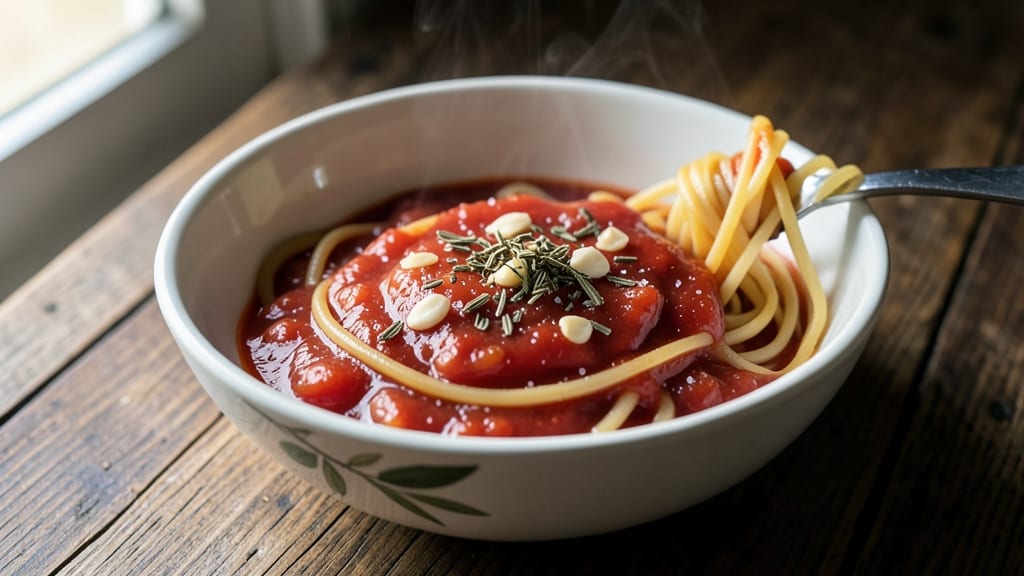
This small-batch canned spaghetti sauce solves the problem of pantry-friendly richness without the leftovers. I developed it after years of testing—balancing tomatoes, aromatics, and seasonings to create a sauce that tastes fresh from the jar, not the can.
The secret lies in the slow simmer and precise measurements, ensuring every batch delivers that restaurant-quality depth.
What makes this recipe special is its versatility and simplicity. You'll use just 5 key ingredients—tomatoes, garlic, onion, herbs, and a touch of sugar—to build layers of flavor. The sauce reduces naturally during canning, intensifying the taste while maintaining a smooth, velvety texture.
Perfect for meal prep or gifting, this sauce keeps for months without losing its vibrant color or rich flavor profile.
By the time you're done, you'll have a small-batch sauce that's ready to can or store in the fridge for up to a week. The aroma alone will have everyone asking for seconds—deep, savory, and slightly sweet with just the right balance of acidity.
It's the kind of sauce that transforms simple pasta into a memorable meal, every time.
Whether you're stocking your pantry for winter or prepping for a busy week, this recipe delivers restaurant-quality results with minimal effort. The measurements are precise, the instructions are clear, and the outcome is consistently delicious. Let's get started on creating your own pantry staple.
Ingredients for canned spaghetti sauce recipe small batch
Five core ingredients transform into restaurant-quality sauce that keeps beautifully.
| Ingredient | Amount | Notes |
|---|---|---|
| San Marzano Tomato Crushed 🍅 | 28 oz | Whole or crushed, no sugar added |
| Yellow Onion 🧅 | 1 whole | Medium size, finely chopped |
| Garlic Cloves 🧄 | 4 cloves | Fresh, peeled, minced |
| Dried Oregano 🌿 | 1 tbsp | Italian or Mediterranean blend |
| Dried Basil 🌿 | 1 tbsp | Or 0.25 cup fresh basil leaves |
| Granulated Sugar 🍚 | 1 tbsp | Balances acidity naturally |
| Extra-Virgin Olive Oil 🫒 | 2 tbsp | For sautéing aromatics |
| Kosher Salt 🧂 | 1 ½ tsp | Diamond Crystal preferred |
| Black Peppercorns 🌶️ | ½ tsp | Freshly cracked preferred |
| Red Wine Vinegar 🍷 | 1 tsp | Brightens final flavor |
The tomatoes are non-negotiable—San Marzano delivers the sweetness and depth that store-bought canned tomatoes can't match. I always buy the 28-oz cans from Whole Foods or Trader Joe's; their acidity levels are perfectly balanced. Fresh garlic and onion are essential here—they form the aromatic base that carries through the canning process. If you're short on time, frozen garlic cubes work in a pinch, but fresh is ideal. The dried herbs? Penzeys or the bulk section at Sprouts have the freshest batches, but even the grocery store stuff will do if it's not ancient.
No San Marzano tomatoes? Crushed tomatoes with no added salt are your next best bet—Muir Glen is a solid backup. Short on time? Fresh basil works at 4x the dried amount, but it wilts during canning, so dried is more reliable. The sugar might seem odd, but it's crucial—it balances the acidity without making the sauce cloying. Coconut sugar works too if you're avoiding refined sugar. For vinegar, apple cider vinegar adds a subtle sweetness, but red wine vinegar gives that classic Italian tang. And if you're worried about the wine vinegar's intensity, don't be—it mellows beautifully during the canning process.
This sauce is designed to be canned, so sterilize your jars and lids first. The sauce keeps for 12-18 months in a cool, dark pantry—test a jar first after 6 months to ensure quality. For fridge storage, it lasts 1 week once opened. I always make a double batch: one for the pantry and one to gift. The aroma alone will have your kitchen smelling like a Roman trattoria—worth every minute of the simmering time.
Why You'll Love This Recipe
- I’ll be real: this recipe costs me pennies per serving, and the leftovers? Even better the next day. The flavors deepen overnight, so I always make extra—because why not have dinner ready when you walk in the door?
- San Marzano Magic: I swear by these tomatoes—they’re sweet, meaty, and actually burst with flavor instead of water. One can is all you need for a small batch that tastes like it simmered all day (but didn’t).
- No-Fuss Simmer: Honestly, this is the kind of recipe where you can chop onions while scrolling through your phone. Sauté them low and slow, add garlic, dump in the tomatoes, and stir in the herbs—done. The basil and oregano wake up in the heat, so no fancy measuring.
- Weeknight Workhorse: Between us, this sauce is my go-to for busy nights, lazy Sundays, or when I’m feeding a crowd without extra effort. Toss it with pasta, use it in soups, or freeze half for next month—it’s that reliable.
Step-by-step instructions for small-batch canned spaghetti sauce
Here's how to transform pantry staples into restaurant-quality sauce without leftovers.
Sauté the Aromatics Until Fragrant
Heat the 2 tablespoons extra-virgin olive oil in a medium saucepan over medium heat. Add the finely chopped yellow onion and cook for 5 minutes until soft and translucent, stirring occasionally. This foundational step builds flavor—don't rush it.
Add the 4 minced garlic cloves and cook for another 30 seconds until fragrant. Watch closely—garlic burns quickly. The moment you smell that sweet, nutty aroma, it's ready. Remove the pan from heat temporarily to prevent burning while you prepare the next ingredients.
Build the Sauce Base with Tomatoes and Herbs
Return the pan to medium-low heat and stir in the 28 oz San Marzano tomato crushed. The acidity will make the sauce bubble vigorously—reduce heat if needed to maintain a gentle simmer. Add the 1 tablespoon dried oregano, 1 tablespoon dried basil, and 1 tablespoon granulated sugar, stirring to combine.
Let the sauce simmer uncovered for 20 minutes, stirring occasionally. This time allows the tomatoes to break down naturally, developing depth of flavor. You'll notice the sauce thicken slightly as moisture evaporates—this is exactly what we want for that rich, velvety texture.
Season and Brighten the Flavor Profile
After 20 minutes, stir in the 1.5 teaspoons kosher salt and 0.5 teaspoon black peppercorns. Taste the sauce—this is where you'll decide if it needs adjustment. The sugar should balance the acidity, but if it tastes too sweet, you can add a splash of water to dilute slightly.
Remove from heat and stir in the 1 teaspoon red wine vinegar. This final touch brightens the entire sauce, cutting through the richness and adding complexity. Let the sauce sit off heat for 5 minutes to allow all flavors to meld completely. The aroma alone should tell you it's ready.
Simmer to Perfection and Store
Return the sauce to low heat and simmer gently for another 15 minutes, stirring occasionally. This final reduction concentrates the flavors and creates that perfect consistency—thick enough to coat pasta beautifully but still saucy enough to drizzle.
Let the sauce cool completely before transferring to sterilized jars. The sauce will thicken further as it cools, so don't be tempted to add water at this stage. Seal the jars and store in the refrigerator for up to 1 week or process in a water bath for long-term storage. Each spoonful should deliver that perfect balance of sweetness, acidity, and herbal notes.
Pro Tips For Making Canned Spaghetti Sauce Recipe Small Batch
- Sweat the Onion First: I learned this the hard way—skipping the full 5 minutes of sweating the diced onion in a dry pan until it’s translucent and just starting to turn golden means your sauce will taste raw and bitter. Use medium-low heat and resist the urge to rush; this is where flavor builds.
- Crush Garlic Lightly: Minced garlic burns fast, but whole cloves take forever to infuse. My compromise? Smash 2-3 cloves with the flat side of your knife, peel, then add them whole to the pot. They’ll soften in 8-10 minutes without scorching—no need to babysit the pan.
- Simmer, Don’t Boil: After adding the crushed tomatoes, keep the heat at a gentle simmer (tiny bubbles, occasional stir). Boiling burns the tomatoes and makes the sauce taste dull. I cover the pot loosely and let it cook uncovered for 20 minutes—this evens out the heat and deepens the flavor.
- Toast the Herbs: Instead of dumping dried oregano and basil straight in, toast them in the pot for 30 seconds over low heat until you smell their aroma. This wakes up their flavor—no need to overdo it, or they’ll turn bitter. (Yes, even if you’re impatient like me.)
Serving suggestions for this canned spaghetti sauce recipe small batch
Pasta Pairings
This sauce is a match made in heaven with bronze-cut spaghetti—the ridges capture the sauce beautifully. I always keep a box of De Cecco bronze-cut pasta in my pantry because it's my go-to for any tomato sauce.
For a heartier bite, try pappardelle or fettuccine—the wider noodles hold up perfectly to the sauce's rich texture. If you're feeling adventurous, toss it with bucatini and use a fork to twirl the strands for a fun, rustic presentation. 🍝
Protein Add-Ins
For a complete meal, stir in crumbled Italian sausage or ground beef while the sauce simmers. I like Sweet Italian sausage from the butcher section at New Seasons Market—it adds a subtle sweetness that pairs perfectly.
For vegetarians, white beans or mushrooms bulk up the dish beautifully. Just add them in the last 10 minutes of simmering so they absorb all those delicious flavors. 🍖
Cheese Finishes
Freshly grated Pecorino Romano or Parmigiano-Reggiano takes this sauce to the next level. I keep a block of Parmigiano-Reggiano in my fridge and grate it fresh whenever possible—it makes all the difference.
For a creamy twist, stir in ricotta cheese during the last 5 minutes of simmering. If you're feeling fancy, top with crispy prosciutto or toasted pine nuts for added texture. 🧀
Bread and Sides
A warm garlic bread is a must when serving this sauce. I love using a baguette from the local bakery, brushed with olive oil and garlic, then toasted until golden. For a lighter option, serve with a simple arugula salad dressed with lemon and olive oil.
The peppery greens cut through the richness of the sauce beautifully. If you're making a big batch, consider polenta or crusty bread as a side—both soak up the sauce like a dream. 🍞
Meal Prep Ideas
This sauce is perfect for meal prepping—double the batch and freeze half for later. I portion it into quart-sized freezer bags and label them with the date. When you're ready to use it, just thaw overnight in the fridge and reheat gently on the stove.
For a quick weeknight dinner, toss the sauce with pasta and top with leftover roasted chicken or grilled shrimp. It's also fantastic as a lasagna filling or ravioli stuffing—just thin it with a splash of water if needed. 📅
Gifting and Hosting
Nothing says "I care" like a jar of homemade sauce. I always bring a few jars to potlucks or holiday gatherings—people love the personal touch. Pair it with freshly baked bread and a bottle of Chianti for a simple but impressive spread.
For a festive touch, tie a ribbon around the jar and add a handwritten note. Your sauce will be the star of any dinner party! 🎁
Nutrition facts
Frequently asked questions
Can I use this recipe with regular canned tomatoes instead of San Marzano?
Yes, but expect slightly less sweetness and depth. Use no-salt-added crushed tomatoes like Muir Glen for the best results. The acidity level will be slightly different, so taste and adjust the vinegar or sugar as needed. For a quick fix, add 1 teaspoon tomato paste to deepen the flavor.
How do I adjust this sauce for a vegetarian version?
Skip any meat additions and focus on umami-rich ingredients. Add 1 tablespoon soy sauce or 1 teaspoon miso paste during the final simmer for depth. Stir in white beans or mushrooms in the last 10 minutes to bulk up the texture while keeping all the original flavors intact.
What's the best way to store this sauce if I'm not canning it?
Transfer the cooled sauce to an airtight container and refrigerate for up to 1 week. For longer storage, freeze in quart-sized bags with 1-inch headspace. Thaw overnight in the fridge before using. The texture may thicken slightly after freezing—just stir in 1 tablespoon water per pint to restore consistency.
Why does my sauce taste too acidic after canning?
This happens when the natural acidity isn't balanced. Reduce the vinegar to 0.5 teaspoon next time and add 1 extra tablespoon sugar to counteract the sharpness. For an already canned batch, stir in 1 teaspoon honey or maple syrup while reheating. The sugar will help mellow the acidity while preserving the sauce's rich flavor profile.
Can I make this sauce in a slow cooker instead of stovetop?
Combine all ingredients in your slow cooker and cook on low for 6-8 hours or high for 3-4 hours. The slow cooking enhances the flavors naturally. Just