
Sauces & Condiments
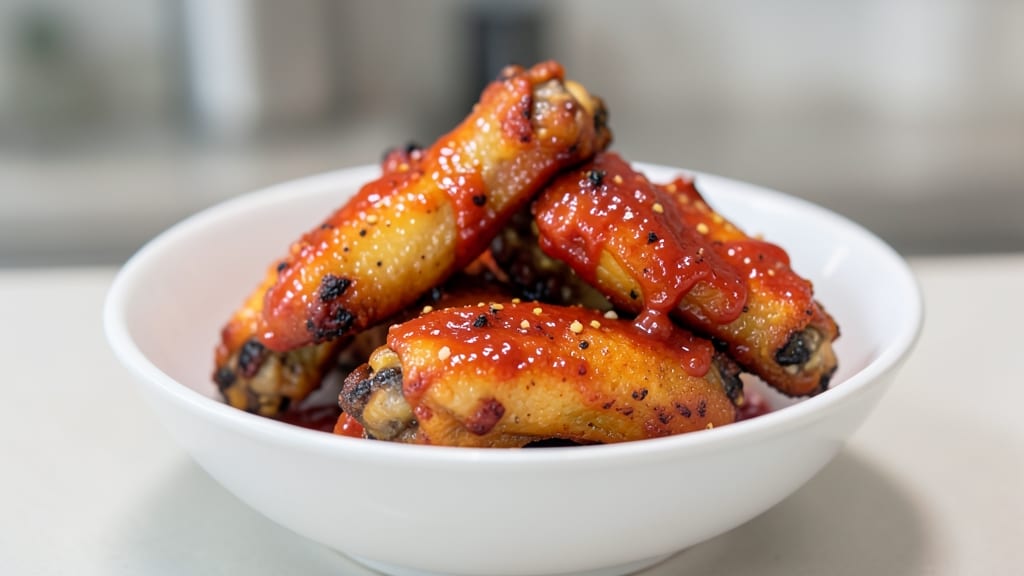
Crafting the Buffalo Wild Wings original buffalo sauce at home delivers that signature tangy-spicy kick that sticks to everything like the chain’s reputation. The secret lies in balancing vinegar’s sharpness with butter’s richness, creating a sauce that’s bold enough to stand alone but versatile enough to elevate any dish.
I’ve perfected this recipe after years of testing—no shortcuts, just the real deal flavor that restaurant sauce can’t match.
This sauce starts with a simple foundation of hot sauce, melted butter, and vinegar, but it’s the spices that make it unforgettable. Cayenne pepper delivers the heat, while garlic and onion powder add depth, and a pinch of sugar rounds out the sharpness.
The key is letting the sauce simmer just long enough to meld the flavors without losing that signature tang. It’s a process that takes less than 15 minutes but transforms your cooking game forever.
What you’ll end up with is a glossy, velvety sauce that’s tangy, spicy, and just sweet enough to balance the heat. It clings to wings, chicken, or even fries like it’s meant to be there, delivering that iconic Buffalo Wild Wings flavor in every bite.
The best part? It keeps well in the fridge for up to two weeks, so you’ll always have that restaurant-quality sauce on hand.
Whether you’re tossing wings, drizzling over baked potatoes, or using it as a marinade, this sauce is your new kitchen essential. Let’s get started—your taste buds will thank you.
Ingredients for buffalo wild wings original buffalo sauce
Six simple ingredients transform into that iconic Buffalo Wild Wings tangy-spicy sauce.
| Ingredient | Amount | Notes |
|---|---|---|
| Frank's RedHot Original Cayenne Pepper Sauce 🌶️ | ¾ cup | Original cayenne variety preferred |
| Unsalted Butter 🧈 | ½ cup | Cold, cubed for even melting |
| White Vinegar 💧 | ¼ cup | White or apple cider vinegar |
| Granulated Sugar 🍚 | 1 tbsp | Light brown sugar for depth |
| Garlic Powder 🧄 | 1 tsp | Freshly ground preferred |
| Onion Powder 🧅 | ½ tsp | Not onion salt |
| Cayenne Pepper 🔥 | ½ tsp | Adjust for desired heat |
| Salt 🧂 | ½ tsp | Kosher or sea salt |
Frank's RedHot is non-negotiable here—it's the cayenne base that gives the sauce its signature kick. Grab the original cayenne variety from any grocery store; it's the same stuff the chain uses. The butter needs to be cold and cubed when you add it to the sauce—this prevents it from melting too fast and keeps the sauce glossy. For vinegar, white is traditional, but apple cider vinegar adds subtle sweetness if you prefer. I always keep a bottle of Frank's in my pantry because it's the gold standard for this sauce—no substitutes deliver the same heat profile.
No Frank's RedHot? Crushed red pepper flakes at half the amount will work in a pinch, but you'll lose that signature tang. Want to tweak the heat? Add more cayenne pepper for extra kick or reduce it if you're sensitive. The sugar is key—it balances the acidity and heat, so don't skip it. For a deeper flavor, toasted garlic powder makes a world of difference (just dry-toast whole garlic powder in a pan for 2 minutes). The sauce should be glossy and velvety, not dry or oily—if it separates, whisk in a splash of warm water to emulsify.
This sauce keeps beautifully in the fridge for up to 2 weeks if you store it in an airtight jar. The flavor actually improves over time as the ingredients meld. I like to make a big batch and freeze half in ice cube trays—perfect for single use portions. When reheating, warm it gently on the stove or microwave in 20-second bursts until smooth. The sauce thickens as it cools, so give it a quick whisk if it seems too stiff. Trust me, once you make this, you'll never buy bottled buffalo sauce again.
Why You'll Love This Recipe
- Pantry Magic: I swear by this sauce because it uses stuff I already have—no special trips to the store. Frank’s RedHot, butter, vinegar, sugar, and garlic powder? That’s it. The magic happens in the simmer, and honestly, the balance of heat, tang, and sweetness feels like a hug for my taste buds.
- Heat Control: Here’s what sold me—adjusting the spice level is so easy. Want it milder? Cut the Frank’s RedHot. Need more kick? Add a splash. The vinegar and sugar keep it from being overwhelming, so it’s never too much or too little—just right.
- Game Day MVP: This sauce isn’t just for wings. Slather it on fries, toss it with pasta, or drizzle it over grilled chicken. I’ve even used it in deviled eggs for parties. It’s my go-to for game nights because it’s unfussy, crowd-pleasing, and makes everything taste like a win.
- Budget-Friendly Fire: A single batch costs me pennies but stretches for days. The leftovers keep in the fridge for weeks, and I freeze extra sauce in ice cube trays for quick reheats. Between us, this is how I feed my family without breaking the bank—and still get compliments.
Step-by-step instructions for buffalo wild wings original buffalo sauce
Here's how to recreate that iconic tangy, spicy kick at home—simple steps for big flavor.
Melt the Butter and Cayenne Sauce Together
In a medium saucepan, combine the 0.5 cup unsalted butter (cold, cubed) and 0.75 cup Frank's RedHot Original Cayenne Pepper Sauce. Place the pan over medium-low heat and let the butter melt slowly, stirring occasionally with a wooden spoon. You want the butter to melt completely but not brown—this ensures a smooth, velvety sauce without bitterness.
Here's the thing—if you rush this step, the butter can separate or burn. Keep the heat gentle and stir frequently until the mixture is completely smooth and the butter has fully incorporated. This usually takes about 5 minutes. The sauce should look glossy and slightly thickened from the cayenne sauce's natural properties.
Add Vinegar, Sugar, and Spices
Once the butter and cayenne sauce are fully combined, increase the heat to medium and add the 0.25 cup white vinegar, 1 tbsp granulated sugar, 1 tsp garlic powder, 0.5 tsp onion powder, 0.5 tsp cayenne pepper, and 0.5 tsp salt. Stir well to dissolve the sugar and distribute the spices evenly throughout the mixture.
The vinegar will make the sauce bubble slightly as it heats up. Let it simmer for 3-4 minutes, stirring constantly. You'll notice the sauce start to thicken and develop a rich, reddish hue. This is when the flavors begin to meld together—don't walk away. The sugar helps balance the acidity of the vinegar, while the spices deepen the flavor profile.
Simmer Until Thick and Glossy
Reduce the heat to low and let the sauce simmer for 8-10 minutes, stirring occasionally. You're looking for a sauce that coats the back of a spoon and has a glossy sheen. It should thicken enough to lightly cling to the sides of the pan when you tilt it, but it shouldn't be so thick that it becomes pasty.
If the sauce starts to look too thin, simmer it a bit longer—it will continue to thicken as it cools. The key is patience here. Over-simmering can make the sauce too concentrated, but under-simmering leaves it too thin to properly coat wings or other dishes. Taste the sauce as it simmers and adjust the seasoning if needed, adding a pinch more cayenne pepper or salt if you want extra heat or depth.
Cool and Store for Maximum Flavor
Once the sauce reaches your desired consistency, remove it from the heat and let it cool for 5-10 minutes. This resting period allows the flavors to fully develop and the sauce to thicken slightly more as it cools. The sauce will naturally separate a bit as it cools—this is normal and expected.
Transfer the sauce to a clean jar or airtight container. It will keep in the refrigerator for up to 2 weeks, though it's best used within 1 week for peak flavor. If the sauce thickens too much in the fridge, simply stir in a splash of water or vinegar to loosen it before using. This sauce is incredibly versatile—use it on wings, fries, sandwiches, or even drizzle it over salads for a spicy kick.
Pro Tips For Making Buffalo Wild Wings Original Buffalo Sauce
- Melt Butter Slowly: I learned this the hard way—dumping cold butter into the sauce makes it seize up like scrambled eggs. Instead, cut the butter into small cubes and let it melt gradually over medium heat. The sauce will emulsify better, and you’ll avoid that greasy, broken texture that ruins everything.
- Measure Vinegar Precisely: The recipe might say "a splash," but don’t wing it—Buffalo sauce balances sweet, spicy, and tangy, and vinegar is the glue. Use 2 tablespoons of white vinegar for every ½ cup of sauce. Too much, and it’ll taste sour; too little, and the heat gets muddy.
- Skip the Boil: After burning three batches, I finally figured out that simmering—not boiling—is the way to go. Keep the sauce at a gentle bubble, or the vinegar will evaporate too fast, leaving you with a sticky, overly spicy mess instead of that glossy, balanced sauce you crave.
- Toast the Garlic Powder: Sounds weird, but it works: dry-toast the garlic powder in the pan for 30 seconds before adding the butter. It deepens the flavor without bitterness, and the sauce gets that subtle smoky note that separates homemade from takeout. (Yes, even if you’re impatient like me.)
Pro cooking tips for perfect results
Heat Control Secrets
The real magic happens in the cayenne pepper, but how you handle it makes all the difference. Start with the ½ tsp cayenne pepper called for, but always taste as you go.
I keep a small bowl of extra cayenne nearby—I’ve added up to 1 tsp total for extra kick, but go slow. The sauce should burn your lips but not your throat. For a smoother heat, pulse the cayenne in a spice grinder first to break up the seeds. 🌶️
Butter Emulsion Tricks
Cold, cubed butter is non-negotiable—it prevents separation and creates that signature glossy finish. If your sauce starts looking oily, whisk in 1 tsp cornstarch mixed with 1 tsp water> while simmering. For a restaurant-style sheen, add 1 tsp xanthan gum> (found in baking aisles) to the final sauce.
This thickens without altering flavor. The sauce should coat the back of a spoon but remain pourable.
Vinegar Balance
The ¼ cup vinegar is what gives the sauce its tang, but too much makes it harsh. If your sauce tastes overly sharp, reduce the vinegar by 1 tbsp> and add ½ tsp honey> to round it out.
For a deeper flavor, substitute 2 tbsp apple cider vinegar> for half the white vinegar. The sugar in the recipe isn’t just for sweetness—it helps the vinegar’s acidity mellow over time. Simmering too long can evaporate the vinegar, so keep an eye on it.
Sauce Consistency Fixes
If your sauce separates, don’t panic—just whisk in 1 tbsp warm water> while simmering. For a thicker sauce, simmer uncovered for 2-3 extra minutes> to reduce. Too thick? Thin with ½ tsp vinegar or water> while warm.
The ideal consistency is like heavy cream—thick enough to cling but still drizzleable. I’ve had batches where the sauce split completely; adding 1 tsp Dijon mustard> while hot always saves it by acting as a natural emulsifier.
Flavor Layering
For that extra depth, toast the garlic powder> in a dry pan for 1-2 minutes> until fragrant before adding it to the sauce. A splash of lemon juice> at the end brightens the tang without overpowering.
I’ve also added ½ tsp smoked paprika> for a subtle smoky note that mimics the chain’s signature flavor. The key is to let the sauce rest for 10 minutes> after simmering—this lets all the flavors meld together perfectly.
Storage Hacks
Store your sauce in a glass jar> (plastic absorbs flavors) and refrigerate for up to 2 weeks>. For long-term storage, freeze in ice cube trays>—perfect for single-use portions. When reheating, warm over low heat> or microwave in 20-second bursts> to prevent separation.
If the sauce thickens in the fridge, whisk in ½ tsp vinegar or water> to restore consistency. The sauce actually tastes better after a few days as the flavors deepen.
Nutrition facts
Frequently asked questions
Can I make this sauce without Frank's RedHot?
Yes, but the flavor won't be identical. Use ½ cup crushed red pepper flakes mixed with ¼ cup hot sauce (like Tabasco) as a substitute. For extra tang, add 1 extra tbsp vinegar. The sauce will be spicier but slightly less smooth—Frank's RedHot contains vinegar and spices that create the signature balance.
Why does my sauce separate when I make it?
Separation happens when butter and vinegar don't fully emulsify. Fix it by whisking in 1 tsp cornstarch mixed with 1 tsp water while simmering. For a permanent fix, add ½ tsp Dijon mustard—it acts as a natural emulsifier. Always melt butter slowly over medium-low heat to prevent oil separation.
How do I adjust the heat level?
Start with the ½ tsp cayenne pepper called for, then adjust to taste. For milder heat, reduce to ¼ tsp. For extra kick, add up to 1 tsp total. Remember: the Frank's RedHot already contains cayenne, so don't double up on both unless you want intense heat. Taste frequently—you can always add more cayenne, but you can't remove it!
Can I use this sauce on foods other than wings?
This versatile sauce works on baked potatoes, fries, burgers, salads, or even as a marinade for grilled chicken. For dipping, thin with a splash of water or vinegar. The tangy-spicy profile elevates almost any protein or veggie—just don't over-drown delicate dishes like fish.
What's the secret to making it taste just like Buffalo Wild Wings?
The key is the vinegar-butter balance and proper simmering time. Use white vinegar (not apple cider) for authenticity, and simmer for the full 8-10 minutes to develop depth. The restaurant sauce contains a touch of sugar to mellow the acidity—don't skip the 1 tbsp in this recipe. For extra restaurant-style flavor, add ½ tsp smoked paprika at the end.