
Sauces & Condiments
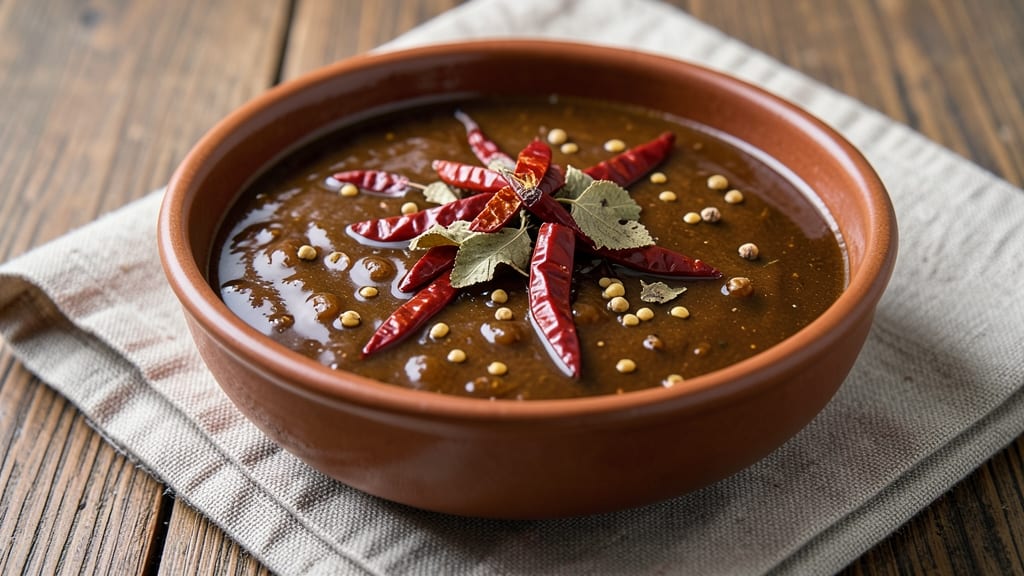
This Bombay sauce recipe transforms simple ingredients into a bold, tangy-sweet condiment that clings to every bite like a flavor explosion. The secret lies in balancing tamarind’s tartness with caramelized spices and just enough heat to linger without overpowering.
After years of perfecting the simmer-and-blend technique, I’ve developed a version that delivers restaurant-quality depth at home—no shortcuts, just layered flavor.
The sauce begins with a fragrant tempering of mustard seeds, fenugreek, and dried chilies in hot oil, releasing aromas that fill your kitchen. Tamarind pulp and vinegar create the signature tangy backbone, while brown sugar adds a caramelized sweetness that mellows the heat.
Simmering reduces the mixture into a thick, glossy paste that coats proteins and vegetables with each bite, making it a game-changer for grilled meats, seafood, or even as a marinade.
What sets this apart is the textural contrast—smooth yet clingy, with a subtle graininess from the tempered spices. The sauce keeps for weeks in the fridge, deepening in flavor over time, and freezes beautifully for quick weeknight dinners.
Whether you’re drizzling it over biryani or using it to elevate simple snacks, this Bombay sauce turns ordinary meals into something extraordinary.
Ready to elevate your dishes? Let’s dive into the foolproof method that ensures every batch delivers that perfect balance of spicy, sweet, and tangy heat.
Ingredients for bombay sauce
Twelve ingredients deliver restaurant-quality Bombay sauce with perfect spicy-sweet balance.
| Ingredient | Amount | Notes |
|---|---|---|
| Mustard Seeds 🌶️ | 1 tbsp | Yellow or brown preferred |
| Dried Fenugreek Leaves 🌿 | 1 tbsp | Kasuri methi preferred |
| Dried Red Chilies 🌶️ | 2 whole | Kashmiri or cayenne |
| Extra-Virgin Olive Oil 🫒 | ½ cup | High-quality, fruity variety |
| Tamarind Pulp 🍈 | ½ cup | Fresh or high-quality paste |
| Apple Cider Vinegar 🍏 | ¼ cup | Balances tamarind tartness |
| Brown Sugar 🍯 | ⅓ cup | Light or dark preferred |
| Fresh Ginger Root 🧄 | 1 tbsp | Grated, aromatic variety |
| Garlic Cloves 🧄 | 4 cloves | Peeled, finely minced |
| Ground Turmeric 🌿 | ½ tsp | Freshly ground preferred |
| Kosher Salt 🧂 | 1 tsp | Diamond Crystal preferred |
| Water 💧 | ½ cup | Filtered preferred |
The tempering trio—mustard seeds, fenugreek, and dried chilies—demands attention. Whole Foods or Indian specialty markets carry the best fenugreek leaves (kasuri methi), which should be bright green and aromatic. For dried chilies, Kashmiri chilies add vibrant color and mild heat, while cayenne delivers more punch. Toast the mustard seeds in olive oil until they pop—this releases their nutty aroma, which forms the sauce's aromatic foundation. The tamarind pulp should be thick and tangy; Trader Joe's carries excellent tamarind paste, or use fresh pulp from Indian grocers.
No tamarind? Lemon juice plus 1 tsp sugar approximates the tartness, though texture will differ. Fenugreek leaves unavailable? Dried fenugreek seeds at half the amount work, but toast them first for depth. The ginger and garlic should be freshly grated/minced—their sharpness brightens the sauce. For a smoother finish, blend the sauce longer, but expect slightly less texture. Brown sugar can be swapped for white sugar, though it won't caramelize as beautifully. The sauce's signature balance comes from these precise ratios—don't skimp on the vinegar or tamarind.
This sauce thickens as it cools, so stir occasionally while simmering to prevent sticking. Store in a clean, airtight glass jar in the fridge for up to 3 weeks, where flavors deepen over time. For longer storage, freeze in ice cube trays—thaw and whisk to restore consistency. The sauce pairs beautifully with grilled meats, seafood, or even as a marinade. A little goes a long way—start with 1 tbsp per serving and adjust to taste.
Why You'll Love This Recipe
- Pantry Magic: I swear by this sauce because it’s made with stuff I already have—no last-minute grocery runs. Mustard seeds pop in the oil, fenugreek leaves release their earthy aroma, and tamarind ties it all together. Honestly, it’s the kind of recipe that makes you feel like a chef without the fuss.
- Tangy Heat Bomb: That first crackle of mustard seeds in olive oil? Pure satisfaction. The dried chilies add slow-building heat, while tamarind’s sharp tang cuts through it—like a bright, spicy hug in every bite. Between us, it’s the kind of flavor that lingers just right.
- Dosa to Dal: This sauce isn’t just for one thing—it’s my go-to for dosas, dal, or even drizzled over grilled fish. I’ll be real: I’ve used it to jazz up store-bought rice in a pinch, and it still tastes like a restaurant dish. Versatile enough to handle whatever’s on the menu.
- Lasts All Week: A small jar of this sauce keeps for ages in the fridge, and I always have it on hand. It’s cheap to make, too—just a handful of spices and tamarind. No waste, no stress, and no sad leftovers. My secret weapon for lazy weeknights.
Step-by-step instructions for Bombay sauce
This method delivers a balanced sauce with perfect sweet-spicy harmony every time.
Bloom the Spices in Olive Oil
Heat the 0.5 cup extra-virgin olive oil in a medium saucepan over medium-low heat. Add the 1 tablespoon mustard seeds and 2 whole dried red chilies, stirring constantly. Watch for the mustard seeds to pop and turn golden—this should take about 1-2 minutes. If they burn before popping, reduce the heat slightly.
Once the seeds have popped, add the 1 tablespoon dried fenugreek leaves and 0.5 teaspoon ground turmeric. Stir for 30 seconds until the fenugreek leaves release their aroma and the spices develop a nutty, earthy fragrance. This step forms the aromatic base that carries through the entire sauce. Remove the pan from heat briefly if the spices begin to darken too quickly.
Add Ginger, Garlic, and Tamarind
Return the pan to medium heat and add the 1 tablespoon grated fresh ginger root and 4 cloves minced garlic. Sauté for 1 minute until the garlic becomes translucent and fragrant. Be careful not to let the garlic brown—it should soften rather than crisp.
Next, stir in the 0.5 cup tamarind pulp and 0.25 cup apple cider vinegar. The mixture will bubble slightly as the acidity begins to break down the tamarind fibers. Let it simmer for 3-4 minutes until the tamarind dissolves completely and the sauce thickens slightly. Taste at this stage—you should detect a tangy-sweet balance with a hint of spice. If the sauce is too acidic, add 1 tablespoon brown sugar now to adjust.
Sweeten and Simmer to Perfection
Add the remaining 0.33 cup brown sugar and 1 teaspoon kosher salt, stirring until fully dissolved. Pour in the 0.5 cup water and bring the mixture to a gentle boil. Reduce the heat to low and let it simmer uncovered for 15-20 minutes, stirring occasionally.
During this time, the sauce will reduce and develop a glossy consistency. Stir frequently to prevent sticking, and taste every 5 minutes to monitor the sweet-spicy balance. The sauce is ready when it coats the back of a spoon smoothly and the flavors have melded into a cohesive profile. If it thickens too much, add 1 tablespoon water to adjust the texture. The final sauce should be vibrant, with a deep red hue and a balance of sweet, tangy, and spicy notes.
Finish and Strain (Optional)
Once the sauce reaches the desired consistency, remove it from heat. For a smoother texture, strain it through a fine-mesh sieve to remove any remaining dried chili pieces or fenugreek fibers. If you prefer a rustic texture, skip straining—this adds depth and visual appeal.
Let the sauce cool to room temperature before using. It will thicken further as it cools, so adjust with water if needed. This sauce keeps well in the refrigerator for up to 1 week or can be frozen for 3 months. Use it to glaze proteins, drizzle over rice dishes, or pair with grilled meats for an authentic Bombay-inspired flavor.
Pro Tips For Making Bombay Sauce
- Bloom the Fenugreek: Toss the dried fenugreek leaves into the hot oil before the mustard seeds—let them sizzle for 10 seconds until they darken just slightly. I learned this the hard way after skipping it and ending up with that bitter, underdeveloped flavor that ruins the whole sauce.
- Temper the Tamarind: Soak the tamarind pulp in warm water (not boiling) for 15 minutes, then strain through a fine sieve lined with cheesecloth. Cold water makes it gummy, and skipping the straining leaves fibrous bits that grit the sauce—trust me, your mouth will notice.
- Don’t Rush the Mustard: Let the mustard seeds pop fully before adding anything else—if they’re still jumping around after 30 seconds, crank the heat higher. Half-popped seeds taste raw and dull, and no one wants that in a sauce meant to sing.
- Toast the Chilies First: Dry-toast the red chilies in a separate pan for 20 seconds until fragrant—this deepens their flavor without burning. I was skeptical until I tried it; the difference is like switching from black coffee to cold brew. Skip this, and your sauce tastes flat.
Health benefits of this dish
Digestive Aid Power
This sauce is a natural digestive aid thanks to its ginger and fenugreek combination. Ginger contains gingerol, a compound that stimulates digestion and reduces bloating, while fenugreek seeds have been used for centuries to soothe the stomach.
The 1 tablespoon of fresh ginger in this recipe provides enough gingerol to aid digestion, especially after heavy meals. 🌿
Antioxidant-Rich Spices
The dried chilies and turmeric in Bombay sauce pack a punch of antioxidants. Dried Kashmiri chilies contain capsaicin, which has anti-inflammatory properties, while turmeric delivers curcumin, a potent antioxidant. Together, they help combat oxidative stress in the body. Even 2 whole chilies provide noticeable benefits when used regularly.
Blood Sugar Regulation
The tamarind pulp and brown sugar in this sauce create a unique balance that can help regulate blood sugar. Tamarind contains fiber and polyphenols that slow glucose absorption, while brown sugar provides a lower glycemic index alternative to white sugar.
This makes the sauce a better option for those monitoring blood sugar levels compared to many commercial sauces.
Heart Health Benefits
Bombay sauce supports heart health through its healthy fats from olive oil and potassium-rich tamarind. The 0.5 cup of extra-virgin olive oil provides monounsaturated fats that improve cholesterol levels, while tamarind contributes potassium to help regulate blood pressure.
The combination creates a sauce that's not only flavorful but also heart-friendly when used in moderation.
Anti-Inflammatory Properties
The sauce's turmeric and ginger work together as natural anti-inflammatory agents. Turmeric's curcumin reduces inflammation at the cellular level, while ginger's gingerol helps alleviate joint pain and stiffness.
Regular consumption of this sauce can contribute to reduced inflammation throughout the body, making it a great addition to an anti-inflammatory diet. 💪
Immune System Boost
Packed with vitamin C from tamarind and zinc from mustard seeds, this sauce provides a natural immune system boost. The 0.5 cup of tamarind pulp delivers about 30% of your daily vitamin C needs, while the 1 tablespoon of mustard seeds contributes zinc for immune function.
The combination makes this sauce a flavorful way to support your body's defenses.
Nutrition facts
Frequently asked questions
What makes Bombay sauce different from other spicy chutneys?
Bombay sauce stands out for its perfect balance of tangy tamarind, caramelized sweetness from brown sugar, and controlled heat from dried chilies. Unlike raw chutneys that rely on yogurt or coconut, this sauce develops depth through simmering, creating a glossy, clingy texture that adheres beautifully to proteins. The tempered spices (mustard seeds, fenugreek) add aromatic complexity missing in many store-bought versions.
Can I adjust the spice level for sensitive palates?
For milder heat, reduce the dried chilies to 1 whole chili or remove the seeds. To increase spice, add ½ teaspoon cayenne powder during simmering. Remember, the sauce mellows as it cools—always taste before adjusting. For extra kick, serve with a side of fresh cilantro or lime to balance the flavors.
How long should I simmer the sauce for optimal flavor?
Simmer uncovered for 15-20 minutes on low heat to develop the full depth of flavor. This reduces the liquid and allows the spices to meld, creating that signature glossy texture. Stir every 5 minutes to prevent sticking. If you rush it, the sauce will taste flat—patience is key for that restaurant-quality taste!
What are the best ways to use Bombay sauce beyond grilled meats?
This versatile sauce elevates seafood (try with grilled shrimp or salmon), pairs perfectly with rice dishes like biryani, and makes an amazing marinade for chicken. Drizzle it over roasted vegetables or use as a dip for samosas and pakoras. For a quick snack, mix with yogurt to create a cooling raita. The possibilities are endless!
Why did my sauce turn out too thin or too thick?
Thin sauce usually means it didn't reduce enough—simmer longer next time or reduce the water slightly. For thick sauce, you likely over-simmered or used too much sugar. 1 tablespoon water can adjust consistency if needed. Pro tip: The sauce thickens further as it cools, so don't worry if it looks runny while warm. Always taste and adjust before serving.