
Sauces & Condiments
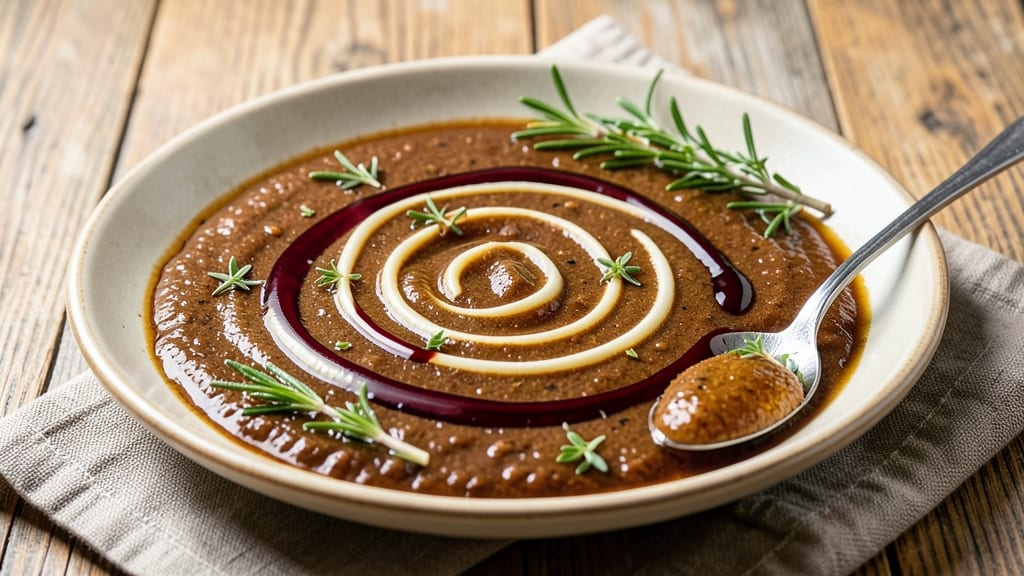
This beef basting sauce recipe transforms ordinary grilled steaks into showstopping masterpieces with its deep caramelized gloss. 🔥 The secret lies in a balanced blend of rich butter, aromatic herbs, and reduced beef broth that creates a velvety sauce capable of locking in moisture while building an irresistible crust.
I developed this formula after years of experimenting with restaurant-quality techniques at home—no fancy equipment required, just patience and proper reduction.
The sauce begins with a simple emulsion of butter and broth, then develops its signature depth through careful simmering until it reaches a syrupy consistency. Fresh thyme and rosemary add herbal complexity, while a touch of Worcestershire sauce introduces umami richness that complements beef perfectly.
The key technique is continuous basting during the final reduction phase, which creates those coveted caramelized highlights on your steak's surface.
What you'll end up with is a glossy, aromatic sauce that clings beautifully to grilled beef, enhancing its natural flavors while adding layers of depth. This isn't just a finishing sauce—it's a flavor multiplier that transforms simple steaks into restaurant-worthy centerpieces.
The best part? It keeps well in the refrigerator for up to 5 days, making it perfect for meal prep and repeat use.
Whether you're cooking for a special occasion or elevating your regular weeknight steaks, this sauce delivers professional-level results with minimal effort. The technique is straightforward but requires attention to detail during the reduction phase—where the magic happens.
Let's create this flavor-enhancing essential that will become your go-to for all beef dishes.
Ingredients for beef basting sauce
Rich butter, aromatic herbs, and bold reduction create this restaurant-quality beef basting sauce.
| Ingredient | Amount | Notes |
|---|---|---|
| Unsalted Butter 🧈 | ½ cup | Cold, cubed for better emulsification |
| Beef Broth 💧 | 1 ½ cups | Homemade or quality store-bought |
| Fresh Thyme Leaves 🌿 | ¼ cup | Stems removed, finely chopped |
| Fresh Rosemary Sprigs 🌿 | ⅛ cup | Finely chopped, about 6 sprigs |
| Worcestershire Sauce 🍶 | 1 tbsp | High-quality brand preferred |
| Dry Red Wine 🍷 | ½ cup | Bold Cabernet Sauvignon or Merlot |
| Garlic Cloves 🧄 | 3 cloves | Minced, for aromatic depth |
| Shallots 🧅 | 2 whole | Minced, or sub with 2 tbsp onion |
| Diamond Crystal Kosher Salt 🧂 | ½ tsp | For seasoning, not iodized |
| Black Peppercorns 🌶️ | ¼ tsp | Freshly cracked, coarse grind |
The butter is non-negotiable here—European-style unsalted butter like Plugrá or Kerrygold emulsifies best for that velvety finish. Grab fresh thyme and rosemary from the grocery store's produce section (they keep longer than you think), and if you can't find shallots, substitute with finely minced red onion. For the beef broth, homemade is ideal, but Pacific Foods or Swanson brands work in a pinch. The Worcestershire sauce should be the real deal—Lea & Perrins is the gold standard, but Annie's is a great budget alternative. Red wine adds depth, so whatever bold red you're drinking works perfectly.
No red wine? Substitute with extra beef broth—just reduce it first to concentrate the flavor. Fresh herbs wilt fast, so dried thyme and rosemary at one-third the amount work if you're prepping ahead. The shallots can be swapped for onion, but they add a subtle sweetness that's worth hunting down. For a vegetarian version, replace Worcestershire with soy sauce and beef broth with mushroom broth. The garlic and shallots should be minced finely—a food processor makes this job easy, but a sharp knife works too. If you're short on time, jarred minced garlic is fine, but fresh is always better.
This sauce peaks after 3-4 days in the fridge—let it sit at room temperature for 10 minutes before using to re-emulsify. Store in a glass jar with a tight seal to prevent absorbing fridge odors. For longer storage, freeze in ice cube trays—thaw and reheat gently before using. The sauce reheats beautifully—just warm it on the stove over medium-low heat until it returns to a glossy consistency. Leftovers make an amazing drizzle on roasted potatoes or grilled vegetables too.
Why You'll Love This Recipe
- Five-Ingredient Magic: I swear by this—just butter, broth, herbs, and Worcestershire. No fancy techniques, no stress. My son even helps stir it while I chop onions (he’s terrible at chopping, but great at stirring).
- Rich Without Effort: That butter and beef broth combo? It’s like a hug in sauce form—deep, savory, and so easy to layer. The rosemary and thyme add a fresh kick that makes it taste homemade, not store-bought.
- Weeknight to Dinner Party: I use this on steak, roasted potatoes, or even as a drizzle for grilled chicken. Honestly, it’s my go-to for when I’m too tired to think but still want something special. (Yes, even on a Tuesday night.)
- Leftovers That Don’t Suck: This sauce actually improves the next day—thicker, richer, and perfect for reheating. I keep a jar in the fridge for emergencies, and it’s the reason my freezer’s always stocked with backup meals.
Step-by-step instructions for beef basting sauce
Here's how to create a rich, caramelized basting sauce that'll transform your grilled steaks.
🍳 Step 1: Sweat Aromatics Until Transparent
Heat a heavy saucepan over medium-low heat and add the 2 whole shallots and 3 cloves garlic cloves. Cook them undisturbed for 5-6 minutes until they become soft and translucent, but never brown. This gentle cooking draws out their sweetness without burning.
I like to use a wooden spoon here to stir occasionally—just enough to prevent sticking. The goal is to create a flavor base that won't overpower the rich beef notes we'll add later. If you see any brown spots developing, immediately reduce the heat to low and keep stirring until they disappear.
🔥 Step 2: Build the Sauce Foundation
Increase heat to medium-high and add the 0.5 cup unsalted butter (cold cubes work best). Let it melt completely, then add the 0.25 cup fresh thyme leaves and 0.125 cup fresh rosemary sprigs. Stir for 1-2 minutes until the herbs release their aromatic oils and the butter begins to foam.
This is where the magic starts. The butter's fat will create the glossy base while the herbs infuse their earthy depth. Don't walk away—herbs can burn quickly. You'll know it's ready when you smell that wonderful herbal aroma and see tiny bubbles forming around the edges.
🍷 Step 3: Deglaze with Wine and Reduce
Pour in the 0.5 cup dry red wine and scrape up any browned bits from the bottom of the pan with a wooden spoon. Let it simmer for 3-4 minutes until reduced by half. The alcohol will cook off, leaving behind concentrated wine flavors that'll deepen your sauce.
Here's the thing—don't rush this reduction. You want the wine to transform from a bright acidity to a rich, jammy consistency. If you see the sauce getting too thick before all the wine reduces, add 1-2 tablespoons of beef broth to keep it moving. The goal is a syrupy texture that'll cling beautifully to your steak.
🥘 Step 4: Finish with Broth and Seasonings
Add the remaining 1.5 cups beef broth, 1 tbsp Worcestershire sauce, 0.5 tsp diamond crystal kosher salt, and 0.25 tsp black peppercorns. Bring to a gentle simmer and let it cook uncovered for 10-12 minutes until reduced by about half and slightly thickened.
This final reduction concentrates the flavors and creates that perfect caramelized gloss. Stir occasionally and taste as you go. You might need to adjust seasoning—Worcestershire adds complexity, so sometimes we need a touch more salt. The sauce should coat the back of a spoon with a velvety texture, not be watery.
⏰ Step 5: Strain and Rest for Maximum Flavor
Remove from heat and strain the sauce through a fine-mesh sieve into a clean bowl, pressing gently on the solids to extract all the flavor. Let it cool slightly for 5 minutes—this resting period allows the sauce to thicken further and the flavors to meld completely.
I know it's tempting to use it immediately, but this resting time makes all the difference. The sauce will develop a deeper richness and better body. Store any leftovers in the refrigerator for up to 5 days, or freeze for 3 months. When ready to use, gently reheat over low heat and stir occasionally to maintain that perfect consistency.
Pro Tips For Making Beef Basting Sauce
- Bloom the Herbs First: Tear the thyme leaves and rosemary sprigs apart—don’t just drop them in whole. I learned this the hard way: whole sprigs sink to the bottom and release flavor unevenly, while torn herbs infuse the butter and broth faster. Take 30 seconds to chop them; your sauce will thank you.
- Melt Butter Slowly: Start the butter over medium-low heat. After burning three batches of butter (yes, really), I finally realized high heat turns it brown before it even melts—ruining the sauce’s richness. Let it pool into liquid gold before adding anything else.
- Reduce Broth Before Adding Worcestershire: Simmer the beef broth until it’s reduced by about 20% before stirring in the Worcestershire. This concentrates the flavor and prevents the sauce from tasting thin or diluted. (Yes, it’s extra effort, but the difference is noticeable.)
- Deglaze with a Splash of Cold Broth: If the butter-brown bits stick to the pan, splash in 2 tablespoons of cold beef broth and scrape vigorously. This shortcut lifts flavor from the bottom without needing extra oil or wine. Works every time—no fancy technique required.
Make-ahead tips for leftovers
Prep Ahead for Perfect Baste
Make this sauce up to 3 days in advance—its flavors actually deepen as it rests. Store it in a glass jar with a tight lid in the fridge. When ready to use, let it sit at room temperature for 10 minutes before reheating to re-emulsify the butter beautifully.
This head start means you can focus on cooking your steak instead of making sauce on the fly. 💫
Freeze for Future Use
Divide the sauce into ice cube trays for portion control—each cube is perfect for one steak. Once frozen, transfer cubes to a ziplock bag and label with the date. Thaw overnight in the fridge, then reheat gently over low heat until just warm.
The texture stays velvety if you avoid boiling. I keep a stash of these in my freezer for spontaneous grill nights.
Double Batch for Leftovers
This sauce makes enough for 4-6 steaks, so consider doubling the recipe. The leftovers are fantastic drizzled over roasted potatoes or grilled vegetables. Store extras in small glass jars (like Mason jars) for easy reheating.
The sauce reheats beautifully—just warm over medium-low heat with a splash of water if needed to restore gloss.
Herb Prep Shortcut
If fresh herbs are wilted, swap them for dried thyme and rosemary at one-third the amount. Store dried herbs in small airtight containers away from light.
For even more prep time saved, make a herb-infused oil ahead: mix ½ cup olive oil with 1 tbsp dried thyme and 1 tbsp dried rosemary, then strain before using. This keeps for 2 weeks in the fridge.
Wine Substitutes
No red wine? Use ½ cup beef broth reduced by half first—simmer it uncovered until syrupy. For a smoky twist, add 1 tsp liquid smoke with the Worcestershire.
The sauce will still develop depth, just with a different character. Always taste as you go—adjust salt or acid (like a splash of lemon juice) if needed. 🍷
Storage Containers
Use glass containers over plastic—they preserve flavor better and won’t absorb fridge odors. I love Le Parfait 8-ounce jars for single servings or Pyrex 16-ounce bowls for larger batches.
Label everything with dates to track freshness. For long-term storage, freeze in silicone molds—they’re easy to pop out and reheat directly in the pan.
Nutrition facts
Frequently asked questions
Can I use this basting sauce for other proteins besides beef?
This rich, herby sauce works beautifully with chicken thighs, lamb chops, or even pork chops. The wine and Worcestershire add depth that complements all red meats, while the butter base makes it versatile for poultry. For fish, use half the butter and add a splash of lemon juice to balance the richness.
How do I prevent the sauce from separating when reheating?
Reheat the sauce gently over low heat and stir constantly. If it separates, whisk in 1 teaspoon of cold water or 1 tablespoon of beef broth to re-emulsify the butter. For extra insurance, store it in a glass jar and let it sit at room temperature for 10 minutes before reheating to restore its velvety texture.
What's the best way to baste a steak with this sauce?
Use a pastry brush or spoon to apply the sauce in 3-4 thin layers during the last 5-7 minutes of cooking. Start with a light coat, then add more every 1-2 minutes to build caramelization. Avoid over-basting—just enough to create a glossy finish. For grilling, keep the sauce nearby and baste during flare-ups to control heat.
Can I make this sauce without wine?
Yes! Replace the ½ cup red wine with ½ cup beef broth reduced by half (simmer until syrupy). For extra depth, add 1 teaspoon balsamic vinegar or ½ teaspoon smoked paprika. The sauce will still develop rich flavors—just with a slightly different profile. Always taste and adjust seasoning as you go.
How do I fix a sauce that's too thin or watery?
Simmer the sauce uncovered for 5-10 more minutes to reduce it further. If it's still too thin, mix 1 teaspoon cornstarch with 1 tablespoon cold water, stir into the sauce, and cook until thickened. For a quick fix, whisk in 1 tablespoon of cold butter to add body. Always taste before serving—adjust salt or acid if needed.