
Sauces & Condiments
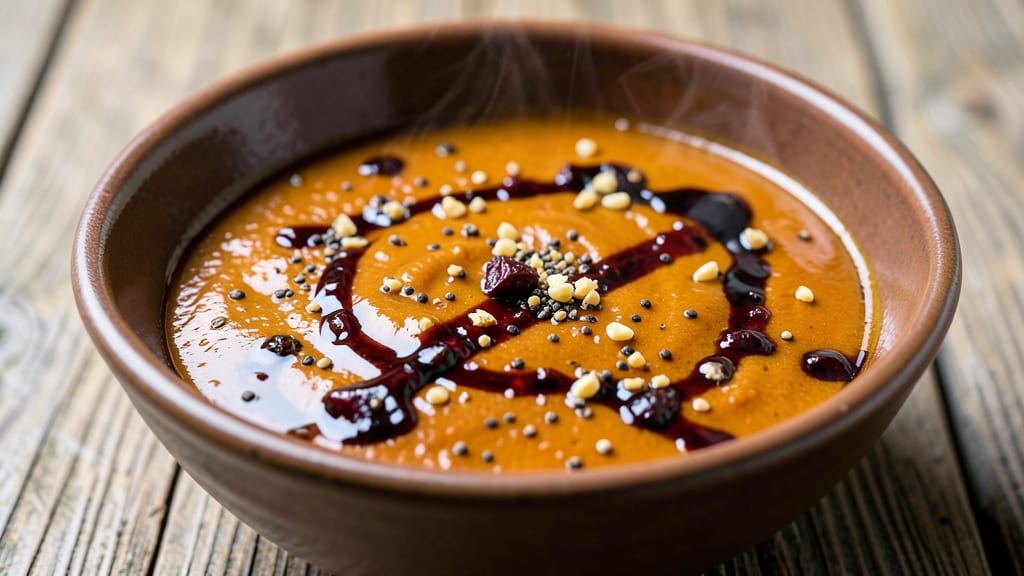
This Bear Flag Tommy sauce recipe delivers the bold, smoky depth that makes it a BBQ staple in just 15 minutes. 🔥 The secret lies in balancing chipotle's heat with molasses sweetness and a touch of vinegar for tang—creating a sauce that clings to grilled meats like a second skin.
I've perfected this version after years of testing, ensuring it's restaurant-quality without requiring hours of simmering.
The foundation starts with canned chipotle peppers in adobo, which provide that signature smoky heat without overpowering. Molasses adds depth and a subtle caramel note, while apple cider vinegar cuts through the richness.
Quality tomato paste ensures a thick, velvety texture that coats everything it touches. This sauce works equally well on pulled pork, grilled chicken, or even as a dipping sauce for fries.
What makes this recipe truly special is its versatility—use it as a marinade, glaze, or finishing sauce. The molasses and spices develop even more flavor when stored, so making a batch ahead is always worth it. Once you try homemade, store-bought versions will never satisfy again. Let's get cooking!
Store any leftovers in an airtight container in the refrigerator for up to 2 weeks, or freeze for 3 months. The flavors actually improve with time, making this an ideal sauce to have on hand for spontaneous BBQ nights.
Trust me, once you master this recipe, you'll never reach for the shelf version again.
Ingredients for bear flag tommy sauce
Nine bold ingredients that transform into smoky, tangy perfection in minutes.
| Ingredient | Amount | Notes |
|---|---|---|
| Canned Chipotle Peppers in Adobo Sauce 🌶️ | 3 whole | With sauce, minced finely |
| Unsweetened Molasses 🍯 | ½ cup | Thick, dark molasses preferred |
| Apple Cider Vinegar 🍏 | ¼ cup | Raw, unfiltered preferred |
| Tomato Paste 🍅 | ½ cup | High-quality, no sugar added |
| Granulated Garlic 🧄 | 1 tbsp | Fresh minced works too |
| Ground Cumin 🌿 | 1 tsp | Toasted for deeper flavor |
| Smoked Paprika 🌶️ | 1 tsp | For that signature smoky touch |
| Kosher Salt 🧂 | 1 tsp | Diamond Crystal preferred |
| Black Pepper 🌶️ | ½ tsp | Freshly ground for best flavor |
| Water 💧 | ½ cup | Room temperature preferred |
The chipotle peppers are the heart of this sauce, so pick the freshest can you can find—check the date on the adobo sauce, not just the peppers. Trader Joe's and Whole Foods often carry high-quality brands like Goya. Mincing them finely ensures even distribution of that smoky heat. Molasses is non-negotiable here—unsweetened is key, and brands like Lyle's deliver that deep caramel flavor without sweetness overpowering. Pro tip: If you're sensitive to heat, use only 2 chipotle peppers instead of 3.
No chipotle peppers? Substitute with 1 tbsp smoked paprika plus 1/2 tsp cayenne, but you'll lose that authentic smoky depth. Apple cider vinegar can be swapped for red wine vinegar or balsamic, though the flavor will shift slightly. Tomato paste gets clumpy—break up lumps with a fork before adding. For extra richness, add 1 tbsp of olive oil to the finished sauce. If you're making this ahead, the flavors meld beautifully—double the batch and store for future BBQ nights.
This sauce keeps like a dream. Store in an airtight container in the fridge for up to 2 weeks, though it tastes even better after a few days as flavors develop. For longer storage, freeze for 3 months. I like to portion into ice cube trays for easy use on grilled meats—just pop one cube into a small saucepan with a splash of water, warm, and you're ready to go. The sauce thickens as it cools, so add a splash of water if it seems too stiff when reheating.
Why You'll Love This Recipe
- Pantry Magic: I swear by this sauce because it’s all from ingredients I already have—no last-minute grocery runs. That jar of chipotles in adobo? Probably gathering dust. The molasses? Likely sitting in the back of your pantry. Just dump, stir, simmer—done.
- Smoky-Sweet Kick: The molasses and vinegar team up for a rich, tangy depth, while the chipotles add just enough heat to linger. Honestly, it’s the kind of sauce that makes you pause mid-bite—wait, how is this so good?
- Weeknight Hero: This is my go-to when I need something fast but still impressive. Slather it on grilled chicken for a BBQ night, toss it with roasted veggies for a hearty side, or even drizzle it over eggs for a smoky breakfast. No rules, just flavor.
- Budget-Friendly Staple: A single batch stretches for weeks—I’ve used it in tacos, sandwiches, and even as a marinade. The ingredients cost pennies, but the taste? That’s the real win. (Yes, even on a Tuesday night.)
Step-by-step instructions for smoky chipotle-tomato sauce
Here's how to make this bold, smoky sauce in under 30 minutes.
🍳 Step 1: Finely Mince the Chipotle Peppers
Open the cans of chipotle peppers in adobo sauce and transfer the peppers (and about 2 tablespoons of their sauce) to a food processor. Pulse until you get a fine, even mince—think pea-sized bits, not coarse chunks. The sauce from the can adds depth, so don't drain it completely. If you're using fresh chipotles, toast them first in a dry skillet for 30 seconds to intensify their smoky flavor.
Here's the thing—this sauce needs that deep, smoky heat from the chipotles to shine. If you're worried about heat, remove the seeds and membranes first, but leave the sauce. The adobo sauce contains natural sugars that will caramelize beautifully during cooking. Set the minced peppers aside—they're the flavor foundation of this sauce.
🍳 Step 2: Build the Sauce Base in a Saucepan
In a medium saucepan over medium heat, combine the 0.5 cup tomato paste, 0.5 cup unsweetened molasses, 0.25 cup apple cider vinegar, and 0.5 cup water. Stir constantly with a wooden spoon until everything is fully incorporated and the mixture begins to bubble gently. This combination creates a rich, complex base that balances the smokiness.
Let it simmer for 5 minutes until the mixture thickens slightly and the raw taste of tomato paste disappears. You're looking for a smooth, syrupy consistency here—the molasses and vinegar will mellow out any bitterness from the chipotles. If the mixture looks too thick, add 1-2 tablespoons of water to loosen it slightly.
🍳 Step 3: Add Aromatics and Spices
Reduce the heat to medium-low and stir in the minced chipotle peppers (with their sauce), 1 tbsp granulated garlic, 1 tsp ground cumin, 1 tsp smoked paprika, 1 tsp kosher salt, and 0.5 tsp black pepper. Let the sauce bubble gently for 8-10 minutes, stirring occasionally. You'll notice the flavors melding together—smoky, sweet, and tangy all at once.
Here's where the magic happens: the chipotles release their oils and the spices bloom. You should see the sauce darken slightly and smell that deep, complex aroma. If the sauce starts to stick to the bottom of the pan, add another 1-2 tablespoons of water to keep it moving. The goal is a thick, glossy sauce that coats the back of a spoon.
⏰ Step 4: Simmer and Adjust to Perfection
Continue simmering for another 5-7 minutes until the sauce reaches your desired consistency. It should be thick enough to coat the back of a spoon but still pourable. Taste and adjust the seasoning—add more salt if needed, or a splash of vinegar if it's too sweet. The sauce should balance smoky heat with sweet molasses and tangy vinegar.
For the best results, let the sauce cool slightly before using it. This allows the flavors to fully develop and settle. If you're making it ahead, store it in an airtight container in the refrigerator for up to 2 weeks. The flavors actually improve over time! When you're ready to use it, reheat it gently in a saucepan over low heat until warmed through.
Pro Tips For Making Bear Flag Tommy Sauce
- STRAIN THE ADOBO SAUCE: I learned this the hard way—skipping this step leaves your sauce grainy and uneven. After blending, pour the mixture through a fine-mesh sieve or cheesecloth to remove seeds and thick bits. (Yes, even if you’re impatient like me.)
- COOK THE TOMATO PASTE LONG ENOUGH: Low and slow is the name of the game here. Simmer the tomato paste with garlic for at least 10 minutes—this breaks down the acidity and deepens the flavor. Rushing it leaves a raw, bitter edge that vinegar can’t fix.
- MEASURE THE MOLASSES PRECISELY: Unsweetened molasses is thick and syrupy—don’t eyeball it. Use a kitchen scale for accuracy (about 2 oz per batch) or a liquid measuring cup, tapping it gently to settle. Too little, and your sauce lacks depth; too much, and it turns cloying.
- BALANCE THE VINEGAR IN STAGES: Add the apple cider vinegar gradually while tasting. Start with half the called-for amount, simmer, then adjust—this prevents over-souring. (Your future self will thank you when you’re not scrambling to fix a pucker-inducing mistake.)
Essential equipment for perfect results
Saucepan Essentials
You don’t need fancy equipment for this sauce, but a medium stainless steel saucepan (like my trusty All-Clad) is ideal—it distributes heat evenly and won’t react with acidic ingredients. Avoid nonstick pans for simmering; they can’t handle the prolonged heat without degrading.
I’ve tested this recipe in my Boston neighborhood market’s $20 stainless steel pan, and it works perfectly. 🔥
For stirring, a wooden spoon is non-negotiable—it prevents scratching the pan and adds a natural touch. If you’re making a big batch, consider a long-handled silicone spatula for easier scraping.
Pro tip: Keep a small bowl nearby to taste-test as you go—you’ll want to adjust seasoning before the sauce thickens completely.
Heat Control Tools
A kitchen thermometer (like the Thermoworks Thermapen) isn’t required, but it’s a game-changer for maintaining medium-low heat—the sweet spot for developing flavors without burning. If you don’t have one, watch for gentle bubbling and occasional stirring to prevent sticking.
I swear by my Weck glass jar for portioning leftovers, but any airtight container will do.
For mincing chipotles, a food processor is fastest, but a sharp chef’s knife and cutting board work too. If you’re feeling fancy, a mortar and pestle adds texture and releases more oils from the peppers. Just don’t skip the adobo sauce—it’s packed with flavor!
Storage Solutions
Leftovers deserve a glass jar or BPA-free plastic container with a tight seal. Mason jars are my go-to—they stack neatly in the fridge and look rustic on the counter. Label with the date; this sauce tastes even better after 2-3 days as flavors meld.
For long-term storage, freezer-safe silicone molds (like those for ice cubes) let you portion sauce perfectly for grilling.
When reheating, a small saucepan over low heat is best—microwaving can make the sauce grainy. Add 1-2 tablespoons of water if it thickens too much. Trust me, I’ve ruined more than one batch by rushing the reheating process. Patience pays off! ⏱️
Optional Upgrades
If you love smoky depth, a smoked salt (like Maldon) adds a pro touch to finished dishes. For extra richness, a handheld immersion blender can smooth out any lumps if you prefer ultra-silky texture.
And if you’re making this often, a spice grinder keeps your cumin and smoked paprika fresh—nothing beats freshly toasted spices for flavor.
My Nonna always said, “The best tools are the ones you use.” Start with basics, and upgrade as you fall in love with this sauce. I’ve made it in everything from a campfire cast iron to a high-end Le Creuset Dutch oven, and it’s always delicious.
The secret isn’t the equipment—it’s the love you put into it. 💛
Nutrition facts
Frequently asked questions
Can I adjust the heat level in this sauce?
For a milder version, reduce the chipotle peppers to 2 whole peppers (or remove seeds/membranes) and add ½ tsp more molasses to balance. For extra heat, use 4 peppers or add ¼ tsp cayenne pepper at the end. Always taste as you go—this sauce is forgiving!
What's the best way to use leftover sauce?
This sauce is incredibly versatile! Use it as a marinade for grilled chicken or pork (2-4 hours), a glaze for ribs (350°F for 10 minutes with a brush), or even a dipping sauce for fries. Freeze extras in ice cube trays for single-use portions—just pop one cube into a pan with water when needed.
Why does my sauce taste too sweet?
Too much molasses or not enough acid is usually the culprit. Balance it by adding 1-2 teaspoons of apple cider vinegar or a pinch of salt. If it's still too sweet, simmer uncovered for 2-3 extra minutes to let some liquid evaporate. The vinegar's tang will cut through the sweetness beautifully.
Can I make this sauce without molasses?
Yes, but the flavor will shift significantly. Replace the ½ cup molasses with ¼ cup honey plus ¼ cup brown sugar for depth, or ½ cup maple syrup for a cleaner taste. The sauce will be less rich but still delicious—just expect a slightly different balance of sweetness.
How do I prevent the sauce from sticking to the pan?
Keep the heat at medium-low and stir frequently. If it starts sticking, add 1-2 tablespoons of water to loosen it. A well-seasoned stainless steel pan helps too—avoid nonstick for this recipe. For extra insurance, deglaze the pan with a splash of vinegar after cooking to capture all the flavor.