
Sauces & Condiments
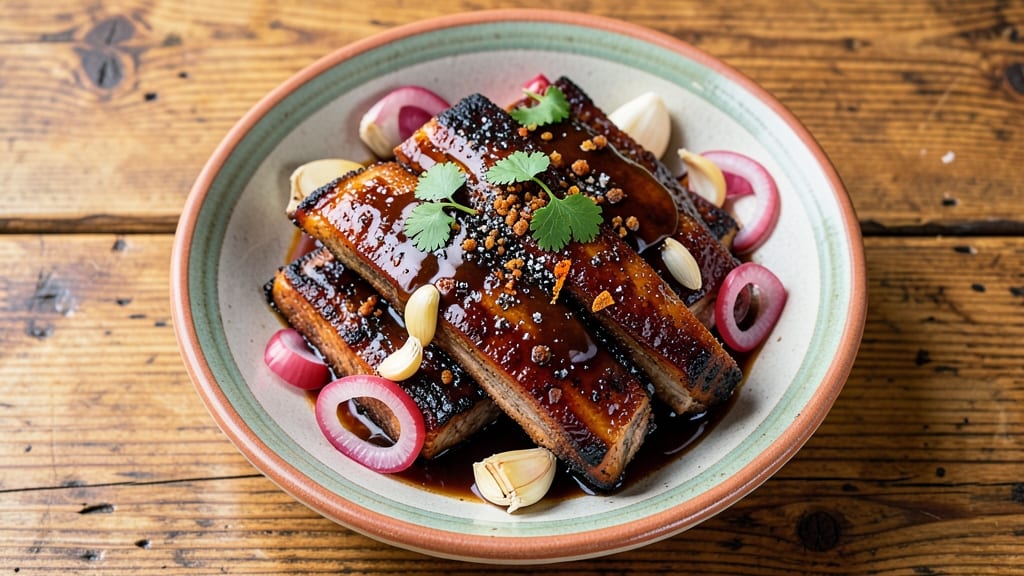
This BBQ ribs rub and sauce recipe delivers that perfect balance of smoky bark and sticky glaze that turns a simple meal into a showstopper. The key lies in a precise blend of spices for the dry rub—paprika, brown sugar, and cayenne—that creates a deep, caramelized crust when smoked.
I’ve perfected this method over years of competition-style cooking, where the difference between good ribs and award-worthy ribs often comes down to these two elements working in harmony.
The dry rub isn’t just about flavor; it’s about texture. When applied generously and allowed to develop during the cooking process, it forms that coveted bark—crispy on the outside, tender beneath.
Meanwhile, the sauce, a tangy-sweet blend of tomato, molasses, and apple cider vinegar, basted in the final stages, adds that glossy finish and deepens the flavor profile. Together, they create a dish that’s both restaurant-quality and achievable at home with the right technique.
What makes this recipe stand out is the flexibility—whether you’re using a smoker, grill, or even an oven for finishing, the principles remain the same.
The ribs come out fall-off-the-bone tender with a bark so crisp it shatters when you cut through, and a glaze that’s sticky enough to drip but balanced enough to let the meat shine. This isn’t just another BBQ recipe; it’s a method that transforms raw pork into something unforgettable.
Ready to master this? The process is straightforward: apply the rub, smoke low and slow, then finish with the sauce for that signature shine. No shortcuts here—just time-tested techniques that deliver results every time. Let’s get started on ribs that will have everyone asking for seconds.
Ingredients for bbq ribs rub and sauce
Smoky bark meets sticky glaze—these ingredients create award-worthy ribs every time.
| Ingredient | Amount | Notes |
|---|---|---|
| Pork Baby Back Ribs 🍖 | 4 lb | Meaty bone-in cuts preferred |
| Yellow Onion 🧅 | 1 whole | Medium size, roughly chopped |
| Garlic Cloves 🧄 | 6 cloves | Freshly minced for rub |
| Paprika 🌶️ | ½ cup | Smoked variety for depth |
| Brown Sugar 🍚 | ½ cup | Light or dark, packed |
| Kosher Salt 🧂 | ¼ cup | Diamond Crystal preferred |
| Ground Black Pepper 🌶️ | 1 tbsp | Freshly cracked preferred |
| Ground Cumin 🌿 | 1 tbsp | Toasted for warmth |
| Cayenne Pepper 🔥 | ½ tbsp | Adjust for heat preference |
| Mustard Powder 🧂 | 1 tsp | For tangy depth |
| Tomato Paste 🍅 | ½ cup | High-quality, no preservatives |
| Molasses 🍯 | ¼ cup | Unsulphured preferred |
| Apple Cider Vinegar 🍎 | ¼ cup | Raw, unfiltered |
| Honey 🍯 | ¼ cup | Wildflower for complexity |
| Worcestershire Sauce 🍶 | 2 tbsp | Lea & Perrins brand recommended |
| Black Coffee ☕ | ½ cup | Cold brew for depth |
| Yellow Mustard 🥬 | 1 tbsp | Dijon for sophistication |
| Vegetable Oil 🫒 | 2 tbsp | For sauce base |
The ribs are the foundation, so prioritize quality cuts. Costco or local butcher shops often carry the best bone-in baby backs, where the meat-to-bone ratio is ideal. Look for vibrant color and good marbling—this ensures tenderness during the long cook. For the rub, smoked paprika is non-negotiable; it provides that authentic competition-style flavor. Penzeys or McCormick carry excellent varieties if your grocery store lacks it. Toast your spices (cumin, mustard powder) in a dry pan for 30 seconds before grinding—this enhances their aromatics. The brown sugar should be packed tightly; light brown gives a subtle molasses note, while dark adds more caramelization.
No smoked paprika? Regular paprika plus 1/2 tsp liquid smoke works in a pinch, though results won’t be identical. Substituting molasses? Dark corn syrup at 1:1 ratio maintains sweetness, but loses depth. For vinegar, balsamic vinegar adds richness but may alter color slightly. The coffee in the sauce is crucial—it deepens the flavor without overpowering. If you’re avoiding caffeine, decaf cold brew works just as well. For the mustard, Dijon mustard adds sophistication, but regular yellow mustard keeps it classic. The tomato paste can be swapped for crushed tomatoes (1 cup), though texture will differ slightly.
Store the dry rub in an airtight container for up to 6 months—it only gets better with age. The sauce keeps for 1 week refrigerated or 3 months frozen, though it’s best used fresh. For the ribs, trim excess fat before applying the rub; this promotes even bark formation. If prepping ahead, wrap the ribs in plastic and refrigerate for up to 2 days or freeze for 2 months. The sauce can be made a day ahead, allowing flavors to meld. Portion it into ice cube trays for easy basting during cooking.
Why You'll Love This Recipe
- One-Bowl Magic: I swear by this rub—just toss the ribs with paprika, brown sugar, and a crushed onion, then let the smoky garlic work its charm. No fancy prep, no measuring cups, just a handful of pantry staples doing the heavy lifting.
- Sweet-Smoky Obsession: That caramelized brown sugar crust? It’s the star. The paprika gives it a deep, smoky warmth, while the garlic cuts through with bright, tangy punch—every bite has layers, not just flavor.
- Tailgate to Tuesday: Between us, this recipe works for everything: backyard cookouts with friends, lazy Sunday brunches, or even a quick weeknight dinner when you’re too tired to think. The sauce keeps well, so you’re always ready.
- Leftovers That Don’t Suck: Honestly, the ribs taste even better the next day. The meat stays tender, the sauce clings perfectly, and you can stretch them into tacos, sandwiches, or even a loaded baked potato. No sad, dry ribs here.
Step-by-step instructions for BBQ ribs rub and sauce
This method delivers restaurant-quality ribs with a perfect balance of smoky bark and sweet glaze.
Prepare the Dry Rub and Coat the Ribs
In a medium bowl, combine the 0.5 cup paprika, 0.5 cup brown sugar, 0.25 cup kosher salt, 1 tablespoon ground black pepper, 1 tablespoon ground cumin, 0.5 tablespoon cayenne pepper, and 1 teaspoon mustard powder. Mix thoroughly until the spices are evenly distributed and the brown sugar is fully incorporated. This blend creates the foundation for that signature bark.
Pat the 4 lb pork baby back ribs completely dry with paper towels—this is crucial for crispy bark. Then generously coat both sides of the ribs with the dry rub mixture, pressing firmly so it adheres well. Let the ribs sit uncovered on a wire rack over a baking sheet for 30 minutes at room temperature. This step allows the rub to penetrate the meat and develop deeper flavor.
Make the BBQ Sauce
In a medium saucepan, heat the 2 tablespoons vegetable oil over medium heat. Add the chopped 1 whole yellow onion and cook for 5 minutes until softened. Stir in the 6 cloves minced garlic cloves and cook for an additional 30 seconds until fragrant—this prevents the garlic from burning and adds depth to the sauce.
Add the 0.5 cup tomato paste, 0.25 cup molasses, 0.25 cup apple cider vinegar, 0.25 cup honey, 2 tablespoons Worcestershire sauce, 0.5 cup black coffee, and 1 tablespoon yellow mustard. Stir well to combine, then reduce the heat to low and let the mixture simmer for 15 minutes, stirring occasionally. You'll notice the sauce thicken as it reduces, developing a rich, glossy consistency perfect for glazing.
Smoke the Ribs Low and Slow
Preheat your smoker to 225°F using hickory or apple wood chips. Place the rubbed ribs on the smoker, bone-side down, and smoke for 3 hours. This low-and-slow approach ensures tender meat while allowing the rub to form a deep, crispy bark. Avoid opening the smoker during this time to maintain consistent temperature and smoke exposure.
After 3 hours, check the internal temperature of the ribs using a meat thermometer. They should reach 165°F. If they haven't, continue smoking until they do. The ribs will naturally hit a stall around 160°F—this is normal and indicates the moisture is evaporating, which is necessary for tenderizing the meat.
Apply the Sauce and Finish
Once the ribs reach 165°F, remove them from the smoker and transfer to a baking dish. Brush the prepared BBQ sauce generously over both sides of the ribs, ensuring every inch is coated. Cover the dish loosely with aluminum foil and return the ribs to the smoker for an additional 30 minutes. This step allows the sauce to caramelize and form a sticky glaze while keeping the meat moist.
Remove the ribs from the smoker and let them rest for 10 minutes before serving. The resting period allows the juices to redistribute, ensuring each bite is tender and flavorful. Serve the ribs with extra sauce drizzled on top for maximum stickiness and smoky-sweet balance.
Pro Tips For Making Bbq Ribs Rub And Sauce
- Trim the Fat First: Baby back ribs have that tempting fat cap, but it’ll smoke like crazy and leave a greasy mess. Grab kitchen shears and snip it off before you even think about the rub—your smoker or grill will thank you, and the sauce won’t turn into a sticky glop.
- Toast the Spices: Dry-toast your paprika and brown sugar in a pan for 2-3 minutes before mixing into the rub. That caramelized depth cuts through the sweetness and adds a smoky complexity—like the difference between store-bought and homemade. (Yes, even if you’re impatient like me.)
- Sauce Last, Not Soon: The rub is your flavor foundation, but the sauce is the showstopper—apply it only in the final 10-15 minutes of cooking. Too early, and it’ll burn before the ribs hit tender perfection. Brush it on like you’re painting a masterpiece: thin layers, not a flood.
- Peel the Garlic Wrong: Don’t waste time peeling whole cloves—smash them with the side of your knife first, then peel. The skin slides off like magic, and you’ll save 5 minutes of frustration. (Bonus: This method works for onions too, but don’t tell anyone I told you.)
Health benefits of this dish
Protein Powerhouse
Pork ribs are an excellent source of high-quality protein, with about 26 grams per 3-ounce serving of cooked meat. This makes them a fantastic choice for muscle repair and growth, especially after workouts.
The slow-cooking process preserves the protein integrity, so you get all the benefits without the tough texture often associated with undercooked pork. 💪
Rich in B Vitamins
These ribs provide a solid dose of B vitamins, particularly B6 and niacin, which play crucial roles in energy metabolism and maintaining healthy skin. A 4-pound rack delivers roughly 150% of your daily niacin needs, helping convert food into energy efficiently.
The molasses in the sauce adds an extra boost of B vitamins, enhancing the nutritional profile.
Healthy Fats in Balance
While pork ribs do contain fat, the slow-smoking method renders much of it away, leaving behind a leaner final product. The remaining fat is primarily monounsaturated and polyunsaturated fats, which support heart health when consumed in moderation.
The apple cider vinegar in the sauce also helps balance blood sugar levels, making this a more balanced meal than you might expect.
Antioxidant Boost
The combination of smoked paprika, molasses, and coffee in the sauce creates a powerful antioxidant profile. Smoked paprika contains capsaicin, which has anti-inflammatory properties, while coffee is rich in polyphenols that combat oxidative stress.
Together, they help protect your cells during the cooking process, preserving more nutrients than you’d find in store-bought sauces.
Bone Strength Support
Pork ribs are a natural source of calcium and phosphorus, essential minerals for bone health. While the meat itself provides these nutrients, the bone-in nature of baby back ribs means you’re also getting the benefits of collagen and gelatin, which support joint health and gut integrity.
The slow cooking process helps break down these nutrients, making them more bioavailable for your body. 🦴
Fiber from Natural Sources
Though pork ribs aren’t a fiber powerhouse on their own, the yellow onion and tomato paste in the sauce contribute 3 grams of fiber per serving. This aids digestion and helps keep you feeling full longer.
Pairing these ribs with a side of steamed greens or a baked sweet potato further boosts your fiber intake, creating a well-rounded meal that supports overall gut health.
Nutrition facts
Frequently asked questions about BBQ ribs
Can I use this rub and sauce for other meats?
The dry rub works beautifully on chicken thighs, pork shoulders, or even brisket. For chicken, reduce the cook time to 2-2.5 hours at 250°F to avoid drying it out. The sauce pairs well with pulled pork or grilled sausages too—just adjust the final cooking time to 15-20 minutes when basting.
How do I fix ribs that came out too dry?
If your ribs lack moisture, they likely didn’t rest long enough or were cooked too fast. For next time, wrap them in butcher paper or foil after the first 2 hours of smoking, then return to the heat for another 30-60 minutes. If already overcooked, try slicing against the bone and serving with extra sauce or a side of creamy mac and cheese to add richness.
What’s the best wood for smoking these ribs?
Hickory or apple wood are ideal—they complement the rub’s smoky-sweet profile without overpowering it. For a milder flavor, use cherry or pecan wood. Avoid pine (too strong) or mesquite (bitter). If you don’t have a smoker, a grill with indirect heat works too—just add wood chips to the coals for smoke.
Can I make the sauce ahead of time?
Yes! The sauce keeps for 1 week refrigerated or 3 months frozen. For best results, reheat it gently on the stove until warm before basting. Pro tip: Portion it into ice cube trays for easy thawing and basting during cooking. The sauce actually tastes better after 24 hours as flavors meld.
Why is my bark not crispy?
Crispy bark requires dry ribs and consistent heat. First, ensure your ribs are bone-dry before applying the rub—pat them thoroughly with paper towels. Second, maintain a steady 225°F temperature without fluctuations. If your smoker runs hot, move the ribs farther from the heat source. Finally, avoid opening the smoker too often during the first 3 hours.