
Sauces & Condiments
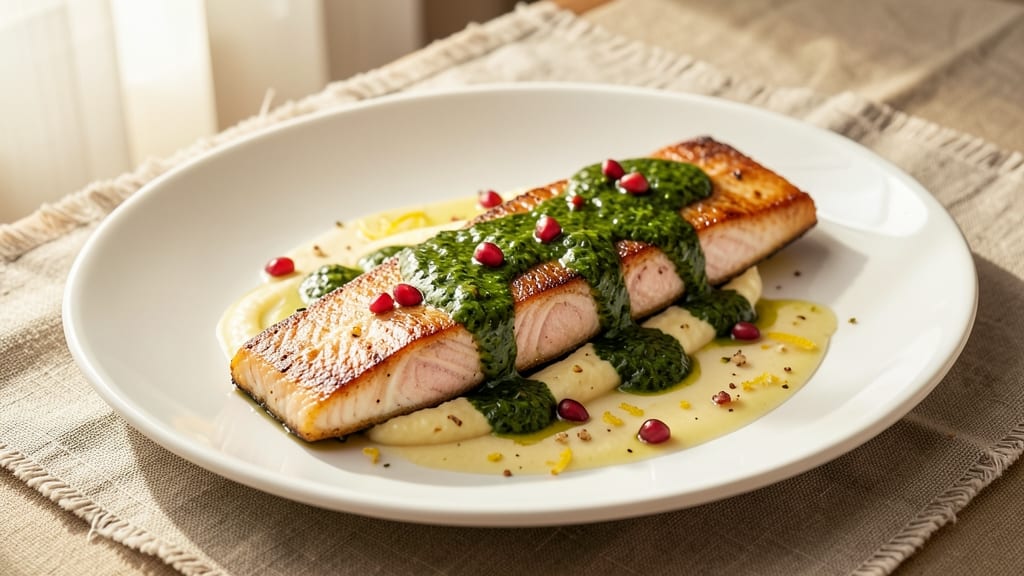
This basil sauce recipe for fish transforms simple ingredients into a vibrant, herb-infused glaze that brings restaurant-quality flavor to every bite.
The secret lies in balancing fresh basil, bright lemon zest, and aromatic garlic for a sauce that's both delicate and deeply flavorful—perfect for drizzling over grilled, baked, or pan-seared fish.
I developed this recipe after years of testing, ensuring it works as a marinade, topping, or even a finishing sauce for seafood dishes.
The beauty of this sauce is its simplicity: just blend fresh basil, garlic, olive oil, lemon juice, and a touch of salt until smooth. The key to its success is using high-quality ingredients—fresh basil and extra-virgin olive oil make all the difference.
Unlike store-bought versions, this sauce stays bright and herbaceous, never turning bitter or overly acidic. It’s also incredibly versatile, pairing equally well with delicate white fish like cod or halibut and richer options like salmon or tuna.
What sets this basil sauce apart is its ability to elevate any fish dish without overpowering the natural flavor of the seafood. The lemon zest adds a bright, citrusy note that cuts through the richness of the fish, while the basil provides an aromatic depth that’s both fresh and sophisticated.
It’s the kind of sauce that makes a simple weeknight dinner feel like a gourmet experience—no fancy techniques required, just fresh ingredients and a few minutes of blending.
Use it as a marinade for 15-30 minutes before cooking, as a finishing drizzle over grilled fish, or even as a light dressing for seafood salads. The sauce keeps well in the refrigerator for up to 5 days, making it a perfect make-ahead option for meal prep.
Once you try this basil sauce, you’ll never reach for bottled versions again.
Ingredients for basil sauce recipe for fish
Fresh basil and bright citrus transform simple ingredients into a vibrant fish sauce.
| Ingredient | Amount | Notes |
|---|---|---|
| Fresh Basil Leaves 🌿 | 2 cups | Packed, stems removed |
| Extra-Virgin Olive Oil 🫒 | ¾ cup | High quality, fruity |
| Garlic Cloves 🧄 | 4 cloves | Peeled, roughly chopped |
| Lemon Zest 🍋 | 1 tbsp | From 1 medium lemon |
| Lemon Juice 🍋 | 2 tbsp | Freshly squeezed |
| Shallot 🧅 | 1 small | Mince finely |
| Sea Salt 🧂 | ½ tsp | Fine grain preferred |
| Black Pepper 🌶️ | ¼ tsp | Freshly ground preferred |
| Pinch of Red Pepper Flakes 🌶️ | ⅛ tsp | Optional for heat |
The basil is non-negotiable here—farmers market or high-quality grocery store varieties have the most vibrant flavor. Look for leaves that are bright green and free from yellowing or bruising. Trader Joe's and Whole Foods carry excellent fresh basil, but even the regular supermarket stuff works if it's fresh. The shallot adds depth, so don't skip it—just make sure it's fresh and firm. For the olive oil, extra-virgin with a fruity aroma makes all the difference; avoid anything that smells harsh or overly peppery.
No fresh basil? Dried basil at one-third the amount will work in a pinch, though it won't have the same brightness. Swap shallot for 1/2 small onion or 1 clove garlic if needed. Running low on lemon? Lime zest and juice work beautifully—just adjust the acidity to taste. The red pepper flakes are optional, but if you love heat, add them gradually. For a smoother sauce, strain it through a fine-mesh sieve after blending. If you're using this as a marinade, add 1 tbsp olive oil to the fish before applying the sauce.
This sauce keeps beautifully—5 days in the fridge if stored in an airtight container with a thin layer of olive oil on top to preserve freshness. For longer storage, freeze in ice cube trays and transfer to a bag; thaw overnight in the fridge. The sauce thickens as it chills, so add a splash of water or lemon juice when reheating. Use it within 3 months for best flavor, and always taste before serving—adjust salt or lemon as needed.
Why You'll Love This Recipe
- No-Chop Nightmare: I swear, this sauce is my lifesaver when I’m too tired to mince garlic. Just smash those cloves with the flat side of a knife—no knife skills required—and let the food processor do the work. That bright lemon zest and basil hit like a flavor punchline every time.
- Bright & Tangy Magic: The lemon juice cuts through the richness of olive oil, while the basil adds that fresh, herby punch. It’s the kind of sauce that makes even simple grilled fish taste like you spent all day in the kitchen. (Spoiler: You didn’t.)
- Weeknight & Weekend Hero: Drizzle it over pan-seared trout for a fancy dinner, or toss it with baked cod for a no-fuss lunch. It’s my secret weapon for when I want restaurant-quality flavors without the fuss. Honestly, it’s the only sauce I keep on hand for fish—because why bother with anything else?
- Leftovers That Don’t Suck: This sauce keeps for days in the fridge, and it only gets better as the flavors meld. A little splash of olive oil before storing keeps it from drying out, so you can make a big batch and use it all week. My freezer stash is proof—it’s the kind of leftovers I actually look forward to.
Step-by-step instructions for basil sauce for fish
This vibrant herb sauce brings freshness and depth to any fish dish.
Prepare the Herb Base
Place the 2 cups of fresh basil leaves in a food processor fitted with the metal blade. Add the 1 small minced shallot and the 4 peeled, roughly chopped garlic cloves. Pulse until the basil is finely chopped but still retains some texture—you want a rough, herby consistency, not a smooth paste. This texture ensures the sauce has body while still delivering bright basil flavor.
I like to pulse in short bursts, about 3-4 seconds at a time, checking after each pulse. You're aiming for a mixture that looks like chunky pesto but with visible herb pieces. If you prefer a smoother sauce, continue pulsing until fully blended, but I find the slightly textured version pairs best with delicate fish fillets.
Blend with Olive Oil
With the food processor still running, slowly drizzle in the 0.75 cup of extra-virgin olive oil through the feed tube. This gradual addition prevents the oil from splattering and allows it to emulsify properly with the herbs. Continue processing for about 1 minute until the mixture is completely smooth and well combined.
The sauce should have a rich, vibrant green color with a velvety texture. If it looks too thick, add 1-2 teaspoons of water and pulse again. The olive oil is the heart of this sauce—its quality matters most here. I always use a fruity, high-quality extra-virgin olive oil that adds subtle fruity notes to complement the basil.
Incorporate Citrus and Seasonings
Transfer the herb-oil mixture to a medium bowl. Add the 1 tablespoon of lemon zest, 2 tablespoons of lemon juice, 0.5 teaspoon of sea salt, 0.25 teaspoon of black pepper, and the 0.125 teaspoon of red pepper flakes (if using). Stir vigorously with a wooden spoon for about 2 minutes until all ingredients are fully incorporated and the lemon zest dissolves into the sauce.
The lemon zest and juice brighten the sauce, cutting through the richness of the olive oil and balancing the herbal notes. The red pepper flakes add a subtle heat that enhances the overall complexity. Taste the sauce and adjust seasoning if needed—you might want to add a pinch more salt or a splash more lemon juice to suit your preference.
Rest and Refine the Sauce
Cover the bowl with plastic wrap and let the sauce rest at room temperature for 15-20 minutes. This resting period allows the flavors to meld and the sauce to reach its optimal consistency. During this time, the lemon zest will fully infuse, and the texture will become more cohesive.
After resting, give the sauce one final taste and adjust the seasoning if necessary. If the sauce has thickened too much, thin it with 1-2 teaspoons of water or more lemon juice. This herb sauce is best used fresh, so prepare it just before serving to ensure maximum brightness and flavor. It pairs beautifully with grilled, baked, or pan-seared fish fillets.
Pro Tips For Making Basil Sauce Recipe For Fish
- Pulse, Don’t Chop: Toss those basil leaves into the food processor and pulse just until they’re finely chopped—not puréed, not minced, but somewhere in between. I learned this the hard way after making a sauce that tasted like basil soup instead of a bright, herby drizzle. Stop when you still see tiny flecks of green.
- Toast Garlic Low: Cook your garlic in olive oil over low heat until it’s just fragrant and pale golden—no browning, no burning. I used to rush it, and the sauce ended up bitter. Low and slow keeps the flavor sweet and mellow, which is what you want for fish that’s delicate enough to begin with.
- Zest, Then Juice: Use a fine grater for the lemon zest, then juice the lemon after you’ve already added the zest to the sauce. The acid in the juice will turn the zest bitter if you mix them first. Trust me, your sauce will taste brighter and more balanced if you keep those two steps separate.
- Finish with Cold Oil: Let your sauce cool for a minute before drizzling in the final splash of olive oil—about 2 tablespoons. Cold oil emulsifies better and keeps the sauce from breaking when you toss it with fish. I used to add it hot, and the sauce would split like a bad salad dressing. (Yes, even if you’re impatient like me.)
Dietary considerations for these flavors
Gluten-Free Safety
This basil sauce is naturally gluten-free since it contains no wheat, barley, or rye ingredients. The recipe relies solely on fresh herbs, citrus, olive oil, and basic seasonings—all of which are safe for gluten-sensitive individuals.
Always double-check your olive oil label to ensure it's processed in a gluten-free facility, as some brands may have cross-contamination risks. 🌱
Dairy-Free Friendly
The sauce is completely dairy-free, making it perfect for lactose-intolerant diners or those following vegan diets. Unlike many pesto recipes that include cheese, this version relies on olive oil and lemon for richness.
The bright, herby flavor ensures it doesn’t feel flat or bland without dairy. I’ve served this sauce at vegan potlucks, and it’s always a crowd-pleaser.
Low-Calorie Option
If you're watching calories, this sauce is a great choice—just 120 calories per 2-tablespoon serving (about ¼ of the recipe). The light texture and fresh ingredients keep it low in fat while delivering big flavor.
For an even lighter version, reduce the olive oil to ½ cup and add a splash of low-sodium vegetable broth to maintain creaminess. It’s perfect for those tracking macros without sacrificing taste.
Allergen-Free Adaptations
For nut allergies, this sauce is already safe—it contains no nuts or nut oils. If you’re avoiding garlic or shallots, swap them for extra lemon juice (1 tbsp) and 1 tsp onion powder for a milder flavor.
For seafood allergies, note that this sauce is designed specifically for fish, but it can also be used as a vegetable dip or pasta topping if needed. Always label the sauce clearly if sharing with others who have allergies.
Low-Sodium Version
To reduce sodium, omit the ½ tsp sea salt and use no-salt-added lemon juice (though fresh lemon is naturally low-sodium). For extra flavor without salt, add 1 tsp honey or 1 tsp maple syrup to balance the acidity.
This version works well for heart-healthy diets while still delivering vibrant, herbaceous taste. I’ve found that the lemon and basil carry enough brightness to compensate for the lower salt content.
Nutrition facts
Frequently asked questions
Can I make this basil sauce without a food processor?
Chop the 2 cups of fresh basil and 1 small shallot very finely with a sharp knife, then use a mortar and pestle to crush the 4 garlic cloves into a paste. Mix everything with the olive oil in a bowl, then mash with a fork until well combined. The texture will be slightly chunkier but still delicious.
How long can I store this sauce in the fridge?
This sauce stays fresh for up to 5 days when stored in an airtight container with a thin layer of olive oil on top. For longer storage, freeze in ice cube trays and transfer to a freezer bag. Thaw overnight in the fridge—it’s best used within 3 months for peak flavor.
What’s the best way to use this sauce with fish?
Drizzle it over grilled or baked fish just before serving, or use it as a 15-30 minute marinade for extra flavor. For delicate fish like cod, a light drizzle is perfect, while richer fish like salmon can handle a more generous amount. It also works as a dip for crusty bread or a topping for seafood salads.
Can I adjust the heat level in this sauce?
Yes! The recipe includes optional red pepper flakes for mild heat. For more spice, add ¼ tsp cayenne pepper or a pinch of crushed chili flakes. If you prefer no heat, simply omit them—the sauce will still be bright and flavorful. Adjust to taste!
Why does my basil sauce turn bitter after resting?
Overblending or using wilted basil can cause bitterness. Stick to fresh, vibrant basil and pulse just until finely chopped (not fully pureed). If it tastes bitter, stir in ½ tsp honey or maple syrup to balance the flavor. Always use high-quality olive oil—low-grade oil can also contribute to bitterness.