
Sauces & Condiments
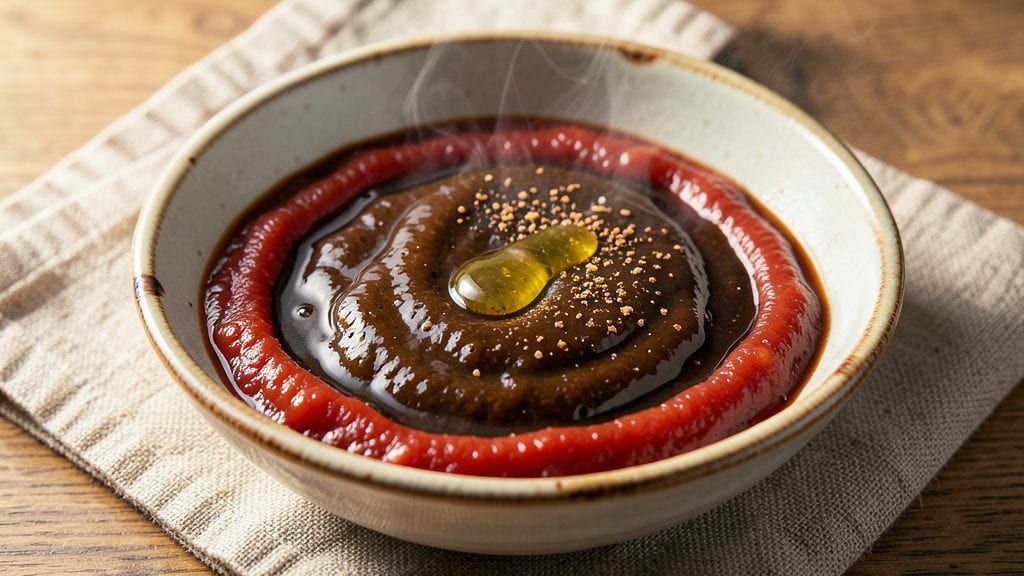
Master this barbque sauce recipe to unlock that smoky-sweet magic that elevates every dish into something unforgettable. After years of testing store-bought versions, I developed a formula that’s richer, more complex, and far more versatile than anything you’ll find on the shelf.
The key lies in balancing tomato paste, vinegar, and molasses while building deep smoky notes through precise spice blending.
The process is straightforward but requires patience—simmering the sauce until it thickens and flavors meld creates that signature tangy depth. You’ll need just 15 minutes of active prep time, followed by 30 minutes of simmering, but the results are worth every moment.
This sauce clings perfectly to ribs, chicken, or even baked beans, adding layers of flavor without overwhelming the dish.
What sets this recipe apart is its adaptability. Use it as a glaze for grilled meats, a dipping sauce for fries, or even a marinade for slow-cooked dishes. The molasses adds caramelized sweetness, while the vinegar ensures a bright, tangy finish that cuts through richness.
Once you taste the difference, you’ll never go back to bottled versions again.
Store leftovers in the refrigerator for up to two weeks or can for long-term use, making it perfect for meal prep and bulk cooking. Let’s get started on creating a sauce that elevates everything it touches.
Ingredients for barbque sauce
Twelve ingredients. One sauce. Restaurant-quality flavor that sticks like glue.
| Ingredient | Amount | Notes |
|---|---|---|
| Tomato Paste 🍅 | ½ cup | High-quality, unsweetened preferred |
| Apple Cider Vinegar 🍏 | ½ cup | For tangy brightness |
| Molasses 🍯 | ¼ cup | Unsulphured for rich flavor |
| Brown Sugar 🍚 | ½ cup | Light or dark variety |
| Water 💧 | 1 ½ cups | Filtered preferred |
| Smoked Paprika 🌶️ | 2 tbsp | For deep smoky flavor |
| Garlic Powder 🧄 | 1 tbsp | Freshly ground preferred |
| Onion Powder 🧅 | 1 tbsp | For aromatic depth |
| Mustard Powder 🍯 | 1 tbsp | Yellow or Dijon |
| Salt 🧂 | 1 ½ tsp | Kosher or sea salt |
| Black Pepper 🌶️ | ½ tsp | Freshly ground |
| Cayenne Pepper 🔥 | ½ tsp | Adjust for heat preference |
The tomato paste is your flavor anchor here—Muir Glen or Trader Joe's are my go-tos because they're consistent and rich. If you've got San Marzano tomatoes from a can, use those instead for extra depth. Molasses can vary wildly in quality, so look for unsulphured—it's worth the few extra bucks. For smoked paprika, Penzeys or bulk bins at natural food stores give you that authentic smoky kick. The vinegar? Apple cider vinegar is non-negotiable for that classic tang, but if you're out of it, white vinegar works in a pinch (just add an extra splash).
No molasses? Maple syrup at half the amount gets you close, though it'll be sweeter. Short on tomato paste? Crushed tomatoes at double the amount—just strain out the seeds first. The mustard powder is what gives this sauce that signature tang, so don't skip it. Want more heat? Add an extra 0.5 tsp cayenne or swap in red pepper flakes. For a smoother sauce, blend it after simmering—immersion blender makes this easy. And if you're feeling fancy, add a 1 tbsp of coffee to deepen the smoky notes.
This sauce gets better with time—let it sit overnight before using for maximum flavor development. Keeps in the fridge for 2 weeks or 6 months in the freezer. I like to portion it into 4-ounce jars for easy use. For canning, follow standard procedures—it's perfect for gifting or bulk cooking. The sauce thickens as it cools, so add a splash of water if it gets too stiff when reheating.
Why You'll Love This Recipe
- Pantry Magic: I swear by this sauce because it uses stuff I already have—no last-minute grocery runs. That deep molasses caramelizes into something rich, and the vinegar cuts through the sweetness just enough to keep it balanced.
- Smoky-Sweet Fix: The brown sugar and tomato paste blend into this velvety, slightly tangy sauce that’s perfect for ribs, chicken, or even drizzled over baked beans. Honestly, the first time I made it, I ate the pot clean.
- Weeknight Workhorse: I’ve used this sauce for everything from slow-cooked pulled pork to glazing grilled veggies. It’s my go-to for game days, potlucks, or when I’m too tired to think. Just toss it in a jar and let it sit—it’s that easy.
- Budget-Friendly Staple: A single batch costs me pennies but stretches across multiple meals. The molasses adds depth without breaking the bank, and it keeps well in the fridge for weeks. My wallet—and my taste buds—thank me.
Step-by-step instructions for smoky-sweet barbecue sauce
Here's how to blend all these ingredients into a rich, balanced sauce that clings perfectly.
Build the Flavor Base in a Saucepan
Combine the 0.5 cup tomato paste, 0.5 cup apple cider vinegar, 0.25 cup molasses, and 0.5 cup brown sugar in a medium saucepan over medium heat. Stir constantly with a wooden spoon for 3-4 minutes until the sugar dissolves completely and the mixture thickens slightly. You'll notice the sauce darkening and developing a glossy sheen—this is when the molasses and brown sugar begin to caramelize.
Here's the thing—don't rush this step. The slow simmer allows the vinegar to mellow while the sugars develop depth. If you see the mixture sticking to the bottom, add 1-2 tablespoons of the 1.5 cups water to help it release. The goal is a smooth, thickened base before adding any spices.
Add Dry Seasonings and Simmer
In a small bowl, whisk together the 2 tbsp smoked paprika, 1 tbsp garlic powder, 1 tbsp onion powder, 1 tbsp mustard powder, 1.5 tsp salt, 0.5 tsp black pepper, and 0.5 tsp cayenne pepper. Sprinkle this mixture evenly over the simmering sauce in the pan. Stir vigorously for 1-2 minutes to fully incorporate the spices and prevent any clumping.
Pour in the remaining 1.5 cups water and bring the mixture to a gentle boil. Once boiling, reduce the heat to low and let it simmer uncovered for 20-25 minutes. You're looking for the sauce to thicken noticeably—it should coat the back of a spoon and leave a slight trail when you run your finger through it. Stir occasionally to prevent scorching at the bottom.
Refine and Test the Balance
After simmering, taste the sauce and adjust the seasoning if needed. If it needs more sweetness, add 1 tablespoon brown sugar. For extra tang, stir in 1 teaspoon apple cider vinegar. If the heat from the cayenne is too intense, balance it with ½ teaspoon additional black pepper to mellow the flavor. The sauce should have a perfect harmony of smoky, sweet, tangy, and slightly spicy notes.
For the final texture adjustment, transfer the sauce to a blender (if you prefer it smooth) or leave it slightly chunky in the saucepan. If using a blender, pulse briefly to achieve your desired consistency. Once satisfied, let the sauce cool to room temperature before storing. This sauce keeps beautifully in the refrigerator for up to 2 weeks or can be frozen for 3 months—perfect for batch cooking.
Pro Tips For Making Barbque Sauce
- Bloom the Tomato Paste: Heat the tomato paste in the pot for 3-4 minutes before adding liquids—this deepens the flavor by removing the raw taste. I used to skip this, and the sauce always tasted slightly metallic afterward.
- Use Real Molasses: Skip the "blackstrap" label and grab unsulphured molasses for a smoother, richer flavor. Sulphured molasses adds a harsh bitterness that fights with the brown sugar—trust me, your sauce will taste more balanced.
- Simmer, Don’t Boil: Keep the sauce at a gentle simmer (tiny bubbles, occasional swirls) to prevent scorching the sugar. I learned this the hard way when my sauce turned into a sticky, burnt glaze instead of a glossy sauce.
- Balance the Vinegar: Add the apple cider vinegar gradually—start with half the amount, taste, then adjust. Too much upfront makes the sauce sharp and unbalanced; too little later means you’ll regret it when it’s already thickened.
Perfect pairings for barbque sauce
Meat Glazes
Use this sauce as a high-heat glaze for ribs, chicken wings, or pork chops. Brush it on during the last 5-10 minutes of grilling or baking to create a caramelized crust. For extra stickiness, reduce the sauce by simmering it uncovered for 10-15 minutes until it reaches a syrup-like consistency.
I like to add 1 tbsp Worcestershire sauce to the reduced version for deeper umami. 🔥
For pulled pork, mix ¼ cup of this sauce with 2 tbsp apple cider vinegar and 1 tbsp brown sugar to create a tangy-sweet finishing sauce. Toss it with the pulled meat just before serving to keep the texture tender.
The acidity in the vinegar helps break down any residual toughness in the meat.
Dipping Sauces
Thin it slightly with 2-3 tablespoons water to create a perfect dipping sauce for fries, onion rings, or mozzarella sticks. I like to serve it warm in a small crock pot on the table for parties—it stays warm and ready to use all evening.
For a smoky kick, add ½ tsp liquid smoke to the thinned sauce just before serving.
For a creamy twist, mix ¼ cup of this sauce with ½ cup sour cream and 1 tbsp fresh chives. This works wonderfully with chicken tenders or as a dip for veggie sticks.
The sour cream cools the heat from the cayenne while adding a velvety texture that kids and adults love.
Baked Beans
Simmer 1 cup of this sauce with 1 can (15 oz) baked beans and ½ cup chicken broth for 15-20 minutes until the sauce thickens and coats the beans. Stir in 1 tbsp Dijon mustard and ½ cup chopped bacon for a smoky, sweet, and savory side dish.
This version is perfect for BBQ meals or game day spreads.
For a vegetarian option, swap the bacon for ½ cup crumbled tempeh or ¼ cup vegan bacon bits. The sauce's depth of flavor makes it work beautifully without meat. Serve with cornbread or over mashed potatoes for a hearty meal.
Marinades
Use this sauce as a marinade for chicken, pork, or tofu by mixing ½ cup sauce with 2 tbsp olive oil and 1 tbsp soy sauce. Let it coat the protein for 4-6 hours in the refrigerator before grilling or baking.
The molasses and vinegar tenderize the meat while infusing it with smoky-sweet flavor.
For a dry rub version, blend 2 tbsp sauce with 1 tbsp smoked paprika, 1 tbsp brown sugar, and ½ tsp garlic powder. Apply this paste to ribs or brisket before smoking for a sticky, flavorful bark.
The sauce's natural stickiness helps the rub adhere better than dry blends alone.
Nutrition facts
Frequently asked questions
Can I make this sauce without molasses?
Yes! Replace the 0.25 cup molasses with 0.25 cup maple syrup for a similar sweetness level, though it'll be slightly less rich. For a deeper caramel note, use 0.25 cup honey instead. The sauce will still develop that signature tangy-sweet balance, just with a different flavor profile.
How do I adjust the heat level in this sauce?
Start with the 0.5 tsp cayenne pepper as written, then taste as you simmer. For more heat, add 0.25 tsp extra cayenne per batch. To mellow the spice, blend in ½ tsp black pepper or 1 tsp brown sugar—the sweetness helps balance the burn. Always adjust gradually!
Can I use this sauce as a marinade?
Mix ½ cup sauce with 2 tbsp olive oil and 1 tbsp soy sauce for a bold marinade. Let it coat chicken, pork, or tofu for 4-6 hours before grilling. The molasses and vinegar tenderize the meat while infusing smoky-sweet flavor. For extra stickiness, reduce the sauce slightly first.
Why did my sauce turn out too thin?
This usually happens if you didn't simmer long enough or added too much water. Next time, simmer uncovered for the full 20-25 minutes and stir occasionally to thicken naturally. If it's still too thin, return it to low heat and reduce for another 5-10 minutes. For immediate fixes, mix in 1 tbsp cornstarch dissolved in 2 tbsp water and stir until thickened.
How should I store leftovers?
Store in an airtight container in the fridge for up to 2 weeks. For longer storage, freeze in 4-ounce portions for up to 3 months. Thaw overnight in the fridge—never microwave directly from frozen. The sauce thickens as it cools, so add a splash of water when reheating. Perfect for meal prep!