
Sauces & Condiments
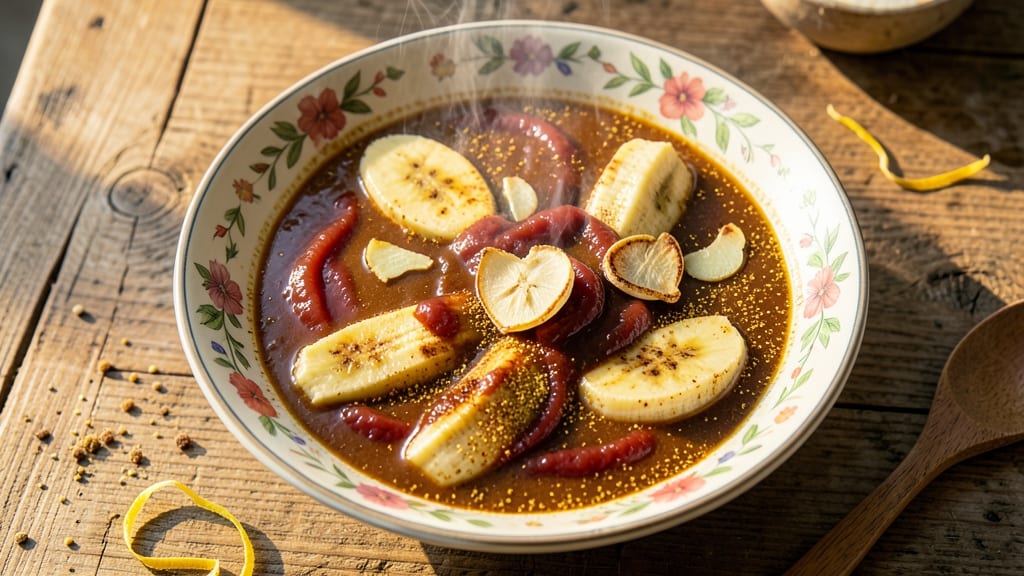
This banana curry sauce recipe transforms ordinary dishes into vibrant tropical experiences with its silky coconut base and subtle sweetness. 🌿 The secret lies in balancing ripe bananas with aromatic curry spices, creating a sauce that's rich yet light—perfect for curries, stir-fries, or even as a dipping sauce.
What makes this recipe stand out is how the bananas caramelize slightly during cooking, adding natural sweetness that complements the earthy curry flavors without overpowering them.
The foundation of this sauce is coconut milk, which provides that signature creamy texture while keeping the dish light. I've found that adding a touch of tomato paste not only thickens the sauce naturally but also deepens its flavor profile, giving it a complexity that store-bought versions lack.
The sauce is incredibly versatile—it works beautifully with chicken, fish, or even vegetables, transforming simple ingredients into something extraordinary.
What you'll end up with is a smooth, aromatic sauce that's rich enough to coat proteins or vegetables while remaining light enough to drizzle over rice or noodles.
The banana adds a subtle sweetness that balances the heat from the curry powder, making it perfect for those who enjoy bold flavors without overwhelming spice.
This sauce also keeps well in the refrigerator for up to a week, so you can make a big batch and enjoy it throughout the week.
Whether you're serving it over curried rice, using it as a marinade, or simply dipping fresh vegetables, this banana curry sauce will elevate your meals to new heights. The best part?
It comes together in just 30 minutes, making it a quick yet impressive addition to your cooking repertoire. Let's get started on creating this tropical-inspired sauce!
Ingredients for banana curry sauce
Silky coconut meets tropical banana sweetness—just ten ingredients for bold flavors.
| Ingredient | Amount | Notes |
|---|---|---|
| Ripe Bananas 🍌 | 2 whole | Slightly soft, not mushy |
| Full-Fat Coconut Milk 🥥 | 1 ½ cups | Canned, shaken well |
| Curry Powder 🌶️ | 2 tbsp | Mild or medium heat |
| Tomato Paste 🍅 | 2 tbsp | Smooth, no chunks |
| Fresh Ginger 🧄 | 1 tbsp | Finely grated, peels removed |
| Garlic Cloves 🧄 | 3 cloves | Minced, fresh preferred |
| Lemon Juice 🍋 | 1 tbsp | Freshly squeezed |
| Extra-Virgin Olive Oil 🫒 | 2 tbsp | For richness and balance |
| Sea Salt 🧂 | ½ tsp | Diamond Crystal preferred |
| Ground Black Pepper 🌶️ | ¼ tsp | Freshly cracked |
The bananas are everything here—look for ones with faint brown spots (not mushy) for perfect sweetness. Trader Joe's and Whole Foods carry the ripest ones, but any grocery store's produce section works if you pick carefully. Coconut milk? Full-fat only—the creaminess is non-negotiable. Shake the can well before opening, or you'll get a watery sauce. Curry powder varies wildly—Madras or yellow curry gives the best depth, but any mild/medium will work. Pro tip: Toast your spices (curry powder, ginger) in a dry pan for 30 seconds before using—it wakes up their flavors like magic.
No ripe bananas? Ripe plantains work in a pinch (more starchy, so cut back slightly), or 1/4 cup unsweetened applesauce for a milder sweetness. Swapping coconut milk? Cashew cream gives similar richness, but it'll be less tropical. Fresh ginger and garlic are ideal, but powdered ginger at half the amount works if you're in a rush. The tomato paste can be skipped entirely if you prefer a sweeter sauce—just add 1 extra tbsp of honey or maple syrup. For extra depth, a pinch of turmeric in the curry powder mix gives that signature golden hue.
This sauce keeps beautifully—1 week refrigerated in an airtight jar, or 3 months frozen in ice cube trays (perfect for portion control). The flavors actually improve after a day or two as everything melds. If it thickens too much, just whisk in 1-2 tbsp of warm water or coconut milk. I make double batches all the time—it disappears faster than you'd think. Freeze extras in 1/4 cup portions for quick weeknight meals. And if you're feeling fancy, strain it for a silky texture, or leave it slightly chunky for rustic appeal.
Why You'll Love This Recipe
- One-Pot Magic: I swear by this recipe—just bananas, coconut milk, and a handful of pantry staples. No chopping mountains of veggies or straining through colanders; the sauce thickens itself as it simmers. Honestly, the only prep is peeling bananas and cracking open a can.
- Sweet-Spicy Balance: That first bite? Warm, earthy curry with a whisper of ginger’s kick, then the bananas melt into the sauce like caramelized honey. The tomato paste adds depth, but it’s the coconut milk that makes it ridiculously smooth—creamy without being heavy.
- Meal Prep MVP: I make a big batch on Sundays and freeze it in jars. Dump it over rice, toss it with tofu, or drizzle it on roasted chicken—it’s my go-to for lazy nights. (Yes, even on a Tuesday night when takeout feels like a chore.)
- Budget-Friendly Luxury: Full-fat coconut milk might sound fancy, but it stretches further than you’d think. Ripe bananas are often discounted, and curry powder lasts forever. For under $5, I’ve got a sauce that tastes like a restaurant dish—no one needs to know it’s secretly my secret weapon.
Step-by-step instructions for banana curry sauce
This tropical curry sauce comes together in minutes with bold flavors and velvety texture.
🍳 Step 1: Bloom the Curry Powder in Olive Oil
Heat the 2 tablespoons extra-virgin olive oil in a medium saucepan over medium-low heat. Add the 2 tablespoons curry powder and stir constantly for 1-2 minutes until fragrant—you'll smell those warm, earthy spices unfurl like a tropical breeze. This step develops the curry's complex aroma before we add any moisture.
Watch the curry powder closely—it burns easily. If it darkens too quickly, reduce heat to low and keep stirring. The goal is a rich, golden-brown color that signals the spices are properly toasted and ready to infuse the sauce with depth.
👨🍳 Step 2: Sauté Aromatics Until Fragrant
Add the 1 tablespoon finely grated fresh ginger and 3 minced garlic cloves to the saucepan. Cook for 1-2 minutes until the garlic turns golden and translucent, and the ginger loses its raw bite. You'll know it's ready when the mixture emits a pungent, aromatic steam that fills your kitchen.
Here's the thing—don't rush this step. Undercooked garlic stays sharp and bitter, while overcooked garlic turns bitter. Aim for that sweet, mellow aroma that's the perfect bridge between spice and sweetness in this sauce.
🍳 Step 3: Add Tomato Paste and Cook Until Darkened
Stir in the 2 tablespoons tomato paste and cook for 2-3 minutes until it darkens slightly and begins to caramelize. This step builds the sauce's rich, umami foundation. The paste will thicken and cling to the pan, creating those beautiful browned bits that hold so much flavor.
If the mixture sticks to the pan, add 1 tablespoon water to deglaze and scrape up those flavorful bits. Every browned speck contains concentrated flavor that will make your sauce sing. Keep the heat at medium-low to prevent burning while allowing the paste to develop properly.
🍳 Step 4: Incorporate Bananas and Coconut Milk
Peel and mash the 2 whole ripe bananas directly in the saucepan using a wooden spoon. Stir until fully combined with the spiced paste. Then pour in the 1.5 cups full-fat coconut milk and bring to a gentle simmer over medium heat. The sauce will thicken as it cooks, transforming from a loose mixture into a luscious, velvety consistency.
Simmer for 5-7 minutes, stirring occasionally, until the sauce coats the back of a spoon. You're looking for a balance between smooth and slightly textured—just enough body to cling to proteins or grains without being gluey. The bananas will sweeten the sauce beautifully while adding natural creaminess.
🥘 Step 5: Finish with Acid and Season
Remove the saucepan from heat and stir in the 1 tablespoon lemon juice, 0.5 teaspoon sea salt, and 0.25 teaspoon ground black pepper. The acid brightens all the flavors, cutting through the richness while enhancing the tropical notes. Taste and adjust seasoning—you might need a pinch more salt to balance the sweetness from the bananas.
Let the sauce rest for 5 minutes before serving. This resting period allows all the flavors to meld together perfectly. The sauce will thicken slightly as it cools, reaching that ideal consistency for drizzling over rice, spooning over grilled fish, or serving with roasted vegetables.
Pro Tips For Making Banana Curry Sauce
- Bloom the Spices First: Toss your curry powder and tomato paste into a dry, hot pan for 30 seconds before adding anything else—this wakes up the flavors. I used to skip this, and the sauce always tasted flat until I realized the spices needed a head start.
- Peel Ginger Like a Pro: Use a spoon to scoop off the ginger’s skin in one long strip instead of peeling with a knife—it’s faster and less messy. I still cut my fingers sometimes, but this method saves time when you’re already multitasking.
- Simmer, Don’t Boil: Keep the coconut milk at a gentle simmer, not a rolling boil, or it’ll split and turn grainy. I learned this after ruining three batches—now I just watch for tiny bubbles breaking the surface.
- Slice Bananas Thin: Cut the bananas into ¼-inch slices so they cook evenly and don’t turn to mush. Thicker pieces stay undercooked, and thinner ones caramelize beautifully—worth the extra 2 minutes of chopping.
Creative variations of banana curry sauce
Tropical Fusion Twist
Swap the coconut milk for 1 cup cashew cream (blend 1 cup soaked cashews with ½ cup water) and add ½ cup pineapple juice for a fruity, dairy-free version.
The cashews give a nutty richness while the pineapple keeps it light and refreshing. I love this variation for vegan diets—it's just as creamy but with a different texture. 🌿
Spicy Kick Variations
For heat lovers, add 1 tbsp gochujang (Korean chili paste) when blooming the curry powder, or stir in 1 tsp sambal oelek at the end. If you prefer milder heat, reduce the curry powder to 1 tbsp and add ½ tsp smoked paprika for depth instead.
The bananas help balance the spice beautifully.
Savory-Sweet Balance
Need more depth? Add 1 tsp soy sauce or ½ tsp fish sauce when finishing the sauce—it enhances the umami without overpowering. For extra sweetness, stir in 1 tbsp honey or 1 mashed ripe mango at the end. The banana’s natural sugar will still shine, but these additions add complexity.
Thai-Inspired Adaptation
Transform this into a Thai-style curry sauce by adding 1 stalk lemongrass (bruised and finely chopped) and 1 tbsp fish sauce when blooming the spices. Replace the lemon juice with 1 tbsp lime juice and finish with 1 tsp palm sugar (or regular sugar).
The lemongrass adds a citrusy aroma that pairs perfectly with the banana’s sweetness. 🌶️
Smoky BBQ Fusion
For a smoky twist, add 1 tbsp smoked paprika when toasting the curry powder and stir in ½ cup ketchup with the tomato paste. Finish with 1 tsp liquid smoke (just a drop!) for a barbecue-inspired sauce.
This works amazingly on grilled chicken or as a dip for fries—trust me, it’s a game-changer. 🔥
Herb-Infused Freshness
Brighten the sauce with 2 tbsp fresh cilantro or 1 tbsp fresh basil, chopped and stirred in at the end. For a Thai-inspired touch, add 1 tbsp Thai basil (if available) or 1 tsp mint leaves.
These herbs add freshness that cuts through the richness, making the sauce feel lighter and more vibrant. Perfect for summer meals! ✨
Nutrition facts
Frequently asked questions
Can I use green (unripe) bananas in this curry sauce?
Green bananas won't work well here—they're too starchy and lack the natural sweetness this sauce needs. Instead, look for bananas with faint brown spots (not mushy). If you only have green bananas, try ripe plantains as a substitute, but reduce the amount to 1 cup mashed since they're more starchy. The sauce will still be delicious but with a slightly different texture.
How do I adjust the spice level in this sauce?
Start by reducing the curry powder to 1 tablespoon for milder heat, or increase to 3 tablespoons for extra spice. For a smoky depth without heat, add ½ teaspoon smoked paprika. If you love chili, stir in ½ teaspoon cayenne or 1 teaspoon sambal oelek at the end. The banana's natural sweetness helps balance any spiciness beautifully.
Can I make this sauce without coconut milk?
Yes! For a dairy-free version, blend 1 cup soaked cashews with ½ cup water to make cashew cream. For a lighter option, use 1 cup Greek yogurt or coconut yogurt (reduce coconut milk to 1 cup). If you prefer a thinner sauce, add ½ cup vegetable broth instead of coconut milk. The sauce will still be flavorful but with a different texture.
How can I use this sauce beyond curries?
This versatile sauce works as a marinade for grilled chicken or fish, a dip for spring rolls or veggies, or a drizzle over rice, noodles, or roasted sweet potatoes. For extra richness, spread it on toasted naan or flatbread. The sweet-spicy balance makes it perfect for tropical-inspired bowls or as a glaze for baked tofu or tempeh.
Why did my sauce turn out too thick?
This usually happens if you simmered it too long or used too much tomato paste. To fix it, whisk in 1-2 tablespoons warm water or coconut milk while stirring. For prevention, simmer only until the sauce coats the back of a spoon (5-7 minutes) and avoid over-reducing. If you prefer a thicker sauce, add 1 teaspoon cornstarch mixed with 1 tablespoon water at the end.