
Sauces & Condiments
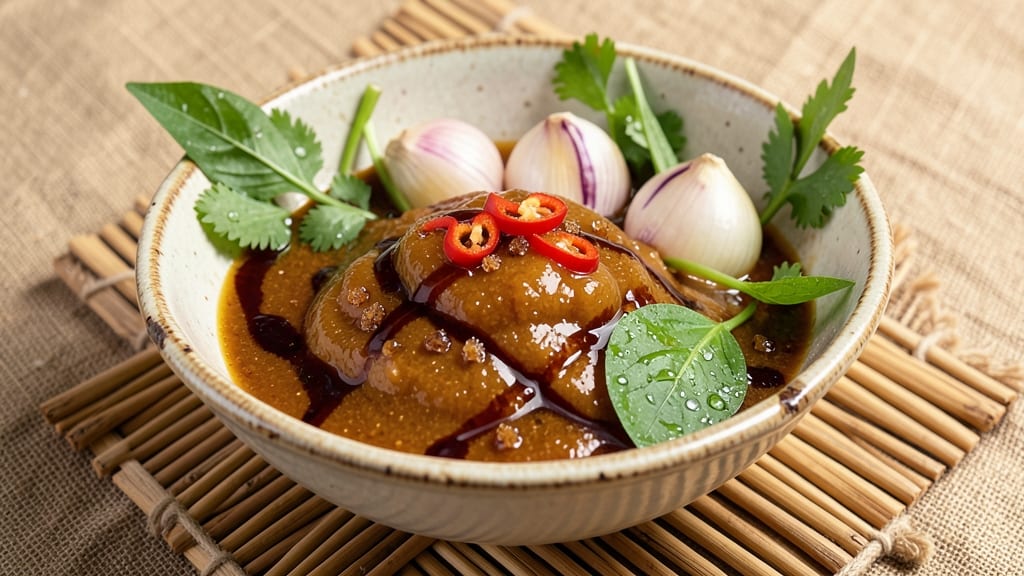
This balut sauce recipe transforms the bold flavors of balut into a harmonious blend of tangy tamarind and fiery chili. The perfect balance of sweet, sour, and heat cuts through the dish's richness, making every bite more vibrant.
I developed this sauce after years of perfecting the balance—too much tang would overpower, while too little heat would leave it flat.
The foundation starts with tamarind paste, which brings that signature Filipino tang, while soy sauce adds umami depth. Fresh garlic and chili peppers introduce layers of heat and aroma, then simmered with vinegar to create a glossy, cohesive sauce.
It's simple but transformative—just a few ingredients that elevate balut from a simple street food to a restaurant-worthy experience.
What you'll achieve is a glossy, aromatic sauce with a perfect harmony of sweet, sour, and spicy notes. The tamarind provides the signature tang, while the chili adds just enough heat to complement balut's natural richness.
The sauce thickens as it cooks, creating a perfect dipping consistency that clings to every bite.
This sauce isn't just for balut—it pairs beautifully with other Filipino dishes like sisig or adobo. Store it in an airtight container in the fridge for up to a week, or freeze for longer storage. The flavors only deepen over time, making it a versatile addition to your cooking repertoire.
Ingredients for balut sauce
Nine simple ingredients transform bold balut into restaurant-quality harmony.
| Ingredient | Amount | Notes |
|---|---|---|
| Tamarind Paste 🍋 | ½ cup | Unsweetened, block or paste form |
| Light Soy Sauce 🥢 | ¼ cup | Kikkoman preferred for balance |
| White Vinegar 🍶 | ¼ cup | Distilled or apple cider |
| Fresh Garlic Cloves 🧄 | 4 cloves | Minced for aromatic punch |
| Bird's Eye Chilies 🌶️ | 3 whole | Adjust for heat preference |
| Brown Sugar 🍚 | 2 tbsp | Light or dark variety |
| Olive Oil 🫒 | 2 tbsp | Extra-virgin for richness |
| Salt 🧂 | 1 tsp | Kosher or sea salt |
| Black Peppercorns 🌶️ | ¼ tsp | Freshly cracked for depth |
| Water 💧 | ½ cup | For thinning consistency |
Tamarind is the heart of this sauce—Filipino markets or Asian grocery stores have the best blocks. If you can't find it, tamarind concentrate works in a pinch, but thin it with water first. The bird's eye chilies? Wear gloves—they pack serious heat. I always grab a few extra to adjust to taste. For garlic, peel and smash with the flat side of a knife before mincing—releases more flavor. The soy sauce matters too—Kikkoman is my go-to for that perfect umami balance without overpowering the tang.
No tamarind? Lime juice plus a pinch of sugar mimics the tang, though it won't be identical. Short on bird's eye chilies? Red pepper flakes at half the amount work, but you'll lose that bright, peppery heat. The brown sugar can be swapped for coconut sugar or maple syrup—just taste as you go. Olive oil is non-negotiable here; vegetable oil lacks the fruity depth. For a smoother sauce, blend everything after simmering. If you prefer texture, leave it chunky—that's where the real character hides.
This sauce keeps 1 week in the fridge and freezes beautifully for 3 months. I double the batch every time—the second day is even better as flavors meld. Store in a glass jar with a tight seal to preserve that glossy sheen. Pairs perfectly with sisig or grilled calamari too, not just balut. For extra richness, stir in 1 tbsp of coconut milk before serving—trust me on this.
Why You'll Love This Recipe
- Five-Ingredient Magic: I swear by this sauce—just tamarind, soy, vinegar, garlic, and chili. No fancy prep, no hidden steps, just chop and simmer while you do everything else.
- Tangy-Savory Balance: That tamarind paste gives it a bright, almost citrusy kick, while the soy and vinegar round it out. Honestly, the first time I tasted it, I grabbed another balut just to dip again.
- Party or Pantry: Slather it on balut for gatherings, drizzle it over grilled pork, or toss it with rice—it’s my go-to for lazy dinners too. My roommate stole my last jar for his sinigang and didn’t even ask.
- Lasts All Week: A single batch stretches for days. I keep it in the fridge, and the flavors only deepen—perfect for when you’re too tired to cook but still crave something bold. (Yes, even on a Tuesday night.)
Step-by-step instructions for balut sauce
This tangy, spicy sauce cuts through balut's richness perfectly—here's how to make it shine.
Prepare the Tamarind Base
In a small saucepan, combine the 0.5 cup tamarind paste with the 0.5 cup water and 2 tbsp brown sugar. Stir over medium heat until the mixture reaches a gentle simmer—about 5 minutes. You'll notice the tamarind dissolving completely and the sugar melting into the mixture, creating a thick, molasses-like consistency.
This step is crucial for balancing the sauce's sweetness and acidity. If you're using block tamarind, make sure it's fully dissolved—no grainy bits should remain. Stir occasionally to prevent sticking, and keep the heat moderate to avoid burning the sugar.
Add Aromatics and Build Flavor
Once the tamarind mixture is smooth, reduce heat to low and add the 2 tbsp olive oil, 4 cloves minced fresh garlic cloves, and 3 whole bird's eye chilies (left whole for easier removal). Let the mixture simmer gently for 8-10 minutes, stirring occasionally. You'll smell the garlic softening and the chilies releasing their fiery aroma—this is when the sauce starts to develop its signature depth.
Don't rush this step. The garlic should be fragrant but not browned, and the chilies should soften slightly while retaining their shape. If the sauce becomes too thick, add 1-2 tablespoons of water to maintain a pourable consistency.
Incorporate Soy Sauce and Vinegar
After the aromatics have infused, stir in the 0.25 cup light soy sauce and 0.25 cup white vinegar. Increase heat to medium-low and let the sauce simmer for another 5 minutes, allowing the flavors to meld together. The vinegar will sharpen the tamarind's tang, while the soy sauce adds umami depth—this is where the sauce transforms from good to extraordinary.
Taste the sauce at this stage. It should be a balance of sweet, sour, salty, and spicy. If it needs more heat, add a pinch of finely chopped chili or a dash of hot sauce. If it's too sharp, a tiny bit more brown sugar will help round out the flavors.
Season and Finish
Remove the sauce from heat and stir in the 1 tsp salt and 0.25 tsp freshly cracked black peppercorns. Let the sauce sit for 5 minutes to allow the flavors to fully integrate. The peppercorns will add a subtle, aromatic finish that elevates the entire dish.
Strain the sauce through a fine-mesh sieve to remove the chilies and garlic if you prefer a smoother texture. For a rustic touch, leave them in for added texture and heat. This sauce is best served warm, so reheat gently before serving—it pairs perfectly with balut's creamy richness.
Pro Tips For Making Balut Sauce
- STIR CONSTANTLY AT FIRST: The tamarind paste and soy sauce will clump like glue if you let them sit. Keep the pan on medium heat and stir aggressively for the first 30 seconds—until the paste dissolves completely. I learned this the hard way when my sauce turned into a grainy mess.
- MINCE THE GARLIC FINE: No, "chopped" isn’t good enough. Use a knife to press and mince the garlic into a paste—it blends better and burns less. Skip this, and you’ll taste raw garlic bits in every bite.
- DILUTE THE VINEGAR GRADUALLY: Add the white vinegar a little at a time while tasting. Too much upfront, and your sauce turns sharp and unbalanced. Start with half the recipe’s amount, let it simmer 2 minutes, then adjust.
- TOAST THE CHILIES FIRST: Dry-toast the bird’s eye chilies in the same pan for 10 seconds before adding them to the sauce. This deepens their flavor without making the sauce bitter. (Yes, even if you’re impatient—it’s worth the wait.)
Make-ahead tips for this recipe
Prep Ahead for Flavor
Make this sauce 24 hours ahead—the flavors deepen as they meld. I always prepare it the night before a gathering so it's ready to reheat and serve. Store in a glass jar in the fridge, and give it a quick stir before using.
The tamarind and vinegar will mellow slightly, creating a more refined balance of sweet and sour. 💫
Freezer-Friendly Batch
Double the recipe and freeze half in ice cube trays for single-serving portions. Once frozen, transfer cubes to a ziplock bag and flatten to save space.
Thaw overnight in the fridge—just pop a cube into a small pot, add 1 tbsp water, and warm over low heat for 2 minutes. Perfect for last-minute balut nights or impromptu Filipino feasts.
Sauce for Multiple Uses
This isn’t just for balut—use it as a marinade for grilled calamari or drizzle over sisig. I keep a jar in my fridge dedicated to Filipino dishes, and it lasts 10 days this way.
The soy sauce and vinegar combo makes it incredibly versatile. For extra richness, stir in 1 tbsp coconut milk before serving—trust me, it’s a game-changer. ✨
Thickening for Dipping
If the sauce seems too thin after refrigeration, simmer it for 3-5 minutes on the stove to reduce. For a glossy finish, add 1 tsp honey or corn syrup while reheating.
The sauce should coat the back of a spoon but still be pourable—ideal for dipping balut or brushing onto grilled meats. Adjust consistency to your preference before storing.
Gift-Worthy Jars
Transfer cooled sauce into small mason jars for homemade gifts. Label them with the date and a note: "Best when used within 1 week." These make thoughtful presents for Filipino food lovers or anyone craving bold, tangy flavors.
I’ve given jars to friends during holidays, and they always come back for seconds. 🎁
Reheating Like a Pro
For restaurant-quality results, reheat the sauce in a small saucepan over low heat until just warm—no boiling. If it separates, whisk in 1 tsp water to restore smoothness.
Avoid microwaving; it dulls the vibrant flavors. A quick 30-second warm-up on the stove preserves the sauce’s brightness and depth. 🔥
Nutrition facts
Frequently asked questions
Can I substitute tamarind paste if I can't find it?
Yes! Mix 3 tablespoons lime juice with 1 teaspoon sugar to mimic tamarind's tang. For deeper flavor, add 1/2 teaspoon fish sauce—it enhances the Filipino profile. The sauce will be brighter but still delicious. Use this ratio for best results.
How spicy should the sauce be for balut?
The recipe balances heat with sweetness to complement balut's richness. For mild heat, reduce bird's eye chilies to 1-2 or remove seeds. For extra kick, add 1/2 teaspoon chili flakes or a dash of hot sauce. Taste as you go—balut's creamy texture makes heat more noticeable.
What if my sauce turns out too thin?
Simmer the sauce uncovered for 3-5 minutes to reduce thickness. For a glossy finish, stir in 1 teaspoon honey or corn syrup while reheating. If it's still too runny, mix 1/2 teaspoon cornstarch with 1 tablespoon water, then stir into the sauce until thickened.
Can I make this sauce without vinegar?
Yes, but the tang will be less vibrant. Replace vinegar with 1/4 cup lemon juice or orange juice for brightness. For depth, add 1/2 teaspoon fish sauce—it mimics vinegar's complexity. The sauce will still work, but the flavor profile will shift slightly toward sweetness.
How do I adjust the sauce for vegetarian dishes?
Replace soy sauce with coconut aminos and omit fish sauce entirely. For umami, add 1/2 teaspoon mushroom powder or 1 tablespoon nutritional yeast. The sauce will still pair well with grilled vegetables or tofu, though the savory depth will be slightly different. Taste and adjust sweetness with more brown sugar if needed.