
Sauces & Condiments
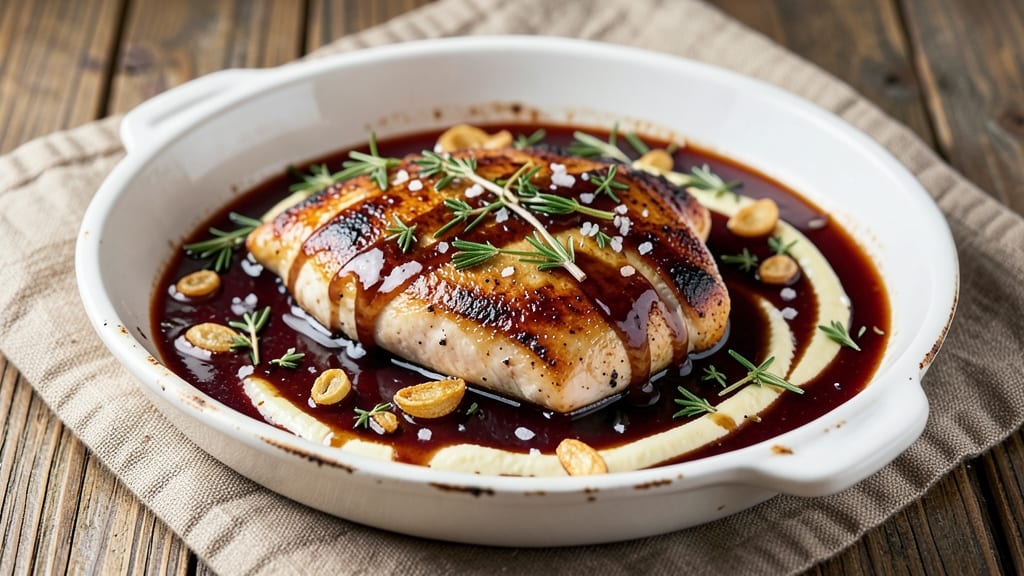
This balsamic chicken sauce recipe transforms simple pantry staples into a rich, velvety sauce with deep caramelized notes and herbal brightness. The key lies in slow reduction—where balsamic vinegar develops complex sweetness while chicken broth builds depth, creating a sauce that elevates everything from grilled chicken to roasted vegetables.
I developed this recipe after years of testing reductions, and the difference between a quick glaze and a restaurant-quality sauce comes down to patience and technique.
The foundation starts with a balance of sweet and tangy: balsamic vinegar provides the signature depth, while a splash of chicken stock keeps the sauce luscious without being cloying.
Fresh herbs like thyme and rosemary add aromatic layers that brighten the richness, and a touch of Dijon mustard ensures smoothness while preventing separation.
What makes this sauce truly special is how it clings to proteins—whether you're drizzling it over seared chicken, tossing it with pasta, or using it as a glaze for roasted vegetables.
By the time you finish reducing, you'll have a glossy, deeply caramelized sauce with a perfect balance of sweetness, acidity, and herbal notes. The texture is silky yet coats perfectly, making it ideal for drizzling or simmering into dishes.
Unlike store-bought versions, this sauce develops flavor as it sits, becoming even more complex over time. Store it in the fridge for up to a week or freeze for longer shelf life—its versatility makes it a pantry staple worth mastering.
This sauce works as a finishing touch for grilled meats, a base for creamy pasta, or a marinade when reduced further. The secret to success is controlling the heat during reduction—too fast, and you'll end up with a bitter glaze; too slow, and you risk losing the balsamic's signature depth.
Let's create a sauce that turns ordinary dishes into something extraordinary.
Ingredients for balsamic chicken sauce
Nine simple ingredients create this deeply caramelized, restaurant-quality balsamic sauce.
| Ingredient | Amount | Notes |
|---|---|---|
| Balsamic Vinegar 🍷 | ½ cup | High-quality aged balsamic |
| Chicken Broth 🍲 | 1 cup | Low-sodium preferred |
| Fresh Thyme Leaves 🌿 | ¼ cup | Or 1 tbsp dried thyme |
| Fresh Rosemary Sprigs 🌿 | 2 whole | Or 1 tsp dried rosemary |
| Dijon Mustard 🥬 | 1 tbsp | For smoothness and balance |
| Granulated Sugar 🍚 | 1 tbsp | Enhances caramelization |
| Extra-Virgin Olive Oil 🫒 | 2 tbsp | For richness and sheen |
| Garlic Cloves 🧄 | 2 cloves | Minced for aromatic depth |
| Salt 🧂 | ½ tsp | Kosher or sea salt |
| Black Pepper 🌶️ | ¼ tsp | Freshly ground preferred |
The balsamic vinegar is non-negotiable here—look for aged balsamic (the thick, syrupy kind) at Trader Joe's or Italian markets. It should be dark, glossy, and smell like caramelized fruit. Chicken broth matters too: low-sodium versions keep the sauce from getting too salty. Fresh herbs make all the difference, so grab aromatic thyme and rosemary from the grocery store's produce section. If you're using dried, crush them between your fingers to release their oils. The Dijon mustard is key for that silky texture—Maille or Whole Foods brands are my go-tos, but any quality brand works.
No aged balsamic? Regular balsamic vinegar plus 1 tsp maple syrup gets you close. Fresh herbs? Dried works at one-third the amount, but the flavor won't be as bright. Short on olive oil? Avocado oil works too, though it has a slightly different finish. The garlic can be roasted for a sweeter flavor—just wrap the whole cloves in foil and roast at 400°F for 10 minutes. No Dijon? Yellow mustard at half the amount is a decent swap, though it'll be less refined. The sugar is purely for caramelization—don't skip it, but don't overdo it either.
This sauce gets better with time, so make extra. Store it in a glass jar in the fridge for up to 1 week—the flavors meld beautifully. For longer storage, freeze in ice cube trays and transfer to a bag. Thaw overnight in the fridge. The sauce thickens as it cools, so stir in a splash of broth or water if it gets too stiff. A drizzle over grilled chicken or roasted veggies? Absolute game-changer. Trust me on this one.
Why You'll Love This Recipe
- No Pantry Frenzy: I swear by this recipe because it uses what I already have—no obscure ingredients or last-minute grocery runs. That balsamic vinegar you’ve had since college? The chicken broth you simmered from scraps? Perfect. Even the Dijon mustard just sits there waiting for its moment.
- Taste That Sticks: The rosemary and thyme don’t just hint at flavor—they punch through the richness of the balsamic like a bright, herby wake-up call. That tangy-sweet balance? It’s the kind of sauce that makes you pause mid-bite and think, “Wait, is this even healthy?”
- Weeknight to Dinner Party: Throw it over grilled chicken for a Tuesday night, or drizzle it over roasted veggies for guests—same effort, totally different vibes. Honestly, I’ve used it as a marinade, a dipping sauce, and even a glaze for chicken thighs. It’s my culinary Swiss Army knife.
- Leftovers That Don’t Suck: This sauce actually improves the next day, deepening in flavor like a good wine. Freeze half for when you’re too tired to cook, and reheat it with a splash of water—no texture loss, just pure, reliable deliciousness. My lazy future self thanks me every time.
Step-by-step instructions for balsamic chicken sauce
Here's how to create a rich, caramelized sauce with perfect balance—no shortcuts, just flavor.
Build the Flavor Base
Heat the 2 tablespoons extra-virgin olive oil in a medium saucepan over medium heat. Add the 2 cloves minced garlic and cook for 30 seconds until fragrant—not browned. This is where the foundation begins, so don't rush this step.
Add the 2 whole fresh rosemary sprigs and 0.25 cup fresh thyme leaves, stirring gently for 1 minute until the herbs release their aromatic oils. The pan should smell vibrant and earthy. If using dried herbs, reduce to 1 teaspoon each—fresh is always better, but dried works in a pinch.
Deglaze and Caramelize
Pour in the 0.5 cup balsamic vinegar and scrape the bottom of the pan to release any browned bits. Increase heat to medium-high and let it simmer for 5-7 minutes, stirring occasionally, until it reduces by about half and begins to thicken. You'll notice the color deepen to a rich amber—this is your caramelization happening.
Add the 1 tablespoon granulated sugar and 1 tablespoon Dijon mustard, stirring to combine. The sugar helps enhance the caramelization while the mustard adds a smooth, tangy depth. Keep the sauce moving to prevent burning—it should bubble gently but not smoke.
Simmer with Broth and Season
Pour in the 1 cup chicken broth and bring to a gentle simmer. Add the 0.5 teaspoon salt and 0.25 teaspoon black pepper, then reduce heat to low. Let it simmer uncovered for 10-12 minutes, stirring occasionally, until the sauce thickens to a glossy consistency. You're aiming for a sauce that coats the back of a spoon but still moves smoothly.
Taste and adjust seasoning if needed—this is your chance to fine-tune the balance. The sauce should be tangy from the balsamic, sweet from the caramelization, and herby from the thyme and rosemary. If it's too acidic, add a pinch more sugar; if too mild, a splash more broth or a crack of pepper.
Finish and Serve
Remove the rosemary sprigs and discard them—they've done their job. For a smoother texture, strain the sauce through a fine-mesh sieve if you prefer no herb bits. Return it to the pan and let it simmer for another 2-3 minutes to reach your desired consistency.
This sauce is perfect for drizzling over grilled chicken, roasted vegetables, or even pasta. It keeps well in the refrigerator for up to 5 days or can be frozen for 3 months. The flavors only deepen with time, so don't hesitate to make extra—you'll want it again and again.
Pro Tips For Making Balsamic Chicken Sauce
- Simmer Slow and Low: I learned this the hard way—rushing the sauce turns it bitter. After the broth and vinegar come to a boil, drop the heat to a gentle simmer (just small bubbles breaking the surface) and let it cook uncovered for at least 15 minutes. This lets the balsamic mellow out and deepen in flavor instead of turning sharp.
- Strip the Herbs, Don’t Chop: Fresh rosemary and thyme need love, not destruction. Use your fingers to pull the leaves off the stems (discard the woody bits) rather than chopping—this keeps the herbs intact and prevents them from turning bitter or floating as sludge. Tuck the whole sprigs into the sauce early, then remove them before serving.
- Deglaze First, Then Add Broth: That browned chicken fond at the bottom? Don’t ignore it. Splash in 2 tablespoons of white wine (or extra broth) and scrape vigorously with a wooden spoon to lift all the flavor before adding the full broth. Skipping this step means you’re missing out on layers of richness that make the sauce sing.
- Balance the Mustard Early: Dijon mustard is the unsung hero here, but too much makes the sauce taste like a condiment. Whisk 1 teaspoon into the broth before adding the balsamic vinegar, then adjust to taste at the end. This lets the acidity and sweetness of the vinegar play nicely with the mustard’s tang instead of fighting it.
Common mistakes when making this dish
Rushing the Reduction
I’ve seen so many people crank the heat high to speed up the reduction process, but that’s a big mistake. When you boil balsamic vinegar too aggressively, it turns bitter and loses its beautiful caramelized depth.
Instead, maintain a gentle simmer—you should see small bubbles but not a rolling boil. This slow reduction is what develops those rich, complex flavors. Patience here makes all the difference! 🔥
Skipping the Sugar
The 1 tablespoon granulated sugar might seem like an afterthought, but it’s essential for enhancing the caramelization. Without it, your sauce can taste flat or overly acidic. The sugar helps break down the balsamic’s natural sweetness, creating that perfect balance of tangy and sweet.
Trust me, it’s worth adding—just don’t overdo it or you’ll end up with a syrup.
Ignoring the Herbs
Fresh herbs like thyme and rosemary aren’t just for decoration—they bring aromatic depth that dried herbs can’t match. If you use dried, crush them between your fingers to release their oils, but even then, the flavor won’t be as vibrant.
For the best results, grab fresh herbs from the store and let them infuse the sauce while it simmers. It’s a game-changer for the final flavor. 🌿
Not Tasting as You Go
Many people skip tasting the sauce during the cooking process, only to realize at the end that it’s either too salty, too sweet, or too bland. Taste it after adding the broth and again after simmering.
Adjust with a pinch of salt, a splash of broth, or even a tiny bit of sugar if needed. This is your chance to fine-tune the balance—don’t skip it!
Using Low-Quality Balsamic
Not all balsamic vinegar is created equal. If you grab the cheapest bottle from the store, you’ll end up with a sauce that’s thin, watery, and lacks depth. Invest in aged balsamic vinegar—look for it at Italian markets or specialty stores.
It’s thicker, sweeter, and packed with flavor. The difference is night and day, and it’s worth the extra few dollars. 🍷
Overcooking the Garlic
Garlic can turn bitter if cooked too long, and that bitterness will ruin your sauce. Once it’s fragrant (about 30 seconds), remove it from the heat immediately. If you let it brown, you’ll taste that harshness in every spoonful.
Freshly minced garlic is best, but even pre-minced works if you cook it just until it smells amazing. Don’t let it linger!
Nutrition facts
Frequently asked questions
Can I use this sauce on non-chicken dishes?
This versatile sauce works beautifully on grilled vegetables, roasted potatoes, or even as a drizzle for pasta dishes. The herby balsamic notes complement plant-based proteins too—try it with tofu or tempeh for a vegetarian option. The key is balancing the sauce's richness with the dish's natural flavors.
How do I make this sauce thicker for glazing?
Simmer the sauce uncovered for an extra 5-7 minutes to evaporate more liquid. For instant thickening, mix 1 teaspoon cornstarch with 1 tablespoon cold water, stir into the sauce, and cook for 1-2 minutes until it reaches your desired consistency. Just be careful not to over-reduce or it may become bitter.
What's the best way to store leftovers?
Transfer to an airtight glass container and refrigerate for up to 5 days. For longer storage, freeze in ice cube trays—thaw overnight in the fridge. The sauce actually improves with time, developing deeper flavors. Always reheat gently on low heat to preserve its glossy texture.
Can I substitute white wine for the chicken broth? Yes, but use only ½ cup white wine plus ½ cup water to maintain the sauce's balance. The acidity helps cut through richness, but too much wine can make the sauce too sharp. Dry white wines like Sauvignon Blanc work best.
Why did my sauce turn bitter?
Bitter flavor usually means you boiled the balsamic too vigorously or reduced it too long. Keep heat at a gentle simmer and never let it boil hard. If it's already bitter, try balancing it with a pinch of sugar or a splash of broth. For next time, monitor the heat closely—patience is key!