
Sauces & Condiments
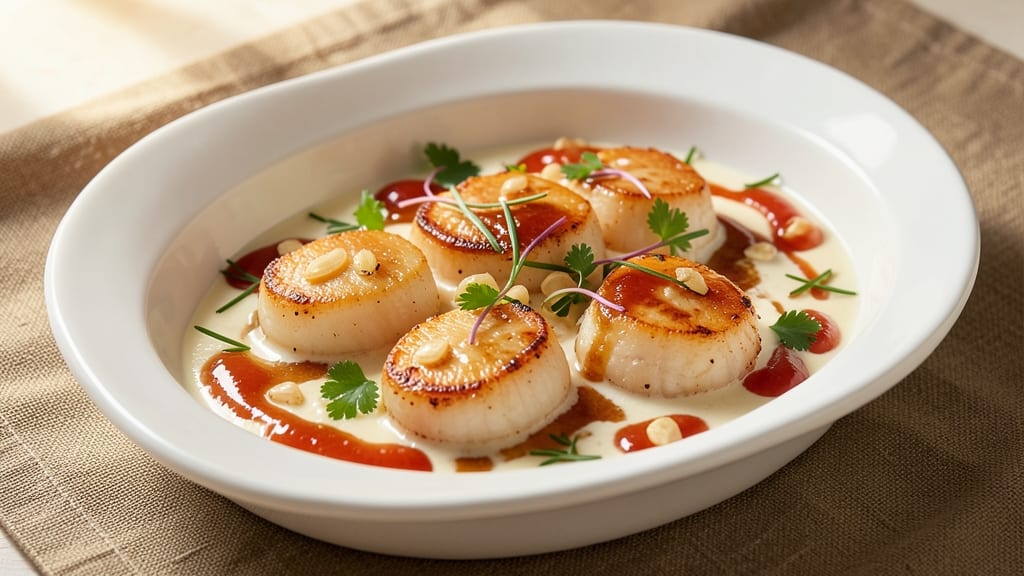
Baked scallops in cream sauce transform simple seafood into an elegant, restaurant-worthy dish with minimal effort. The secret lies in achieving perfectly golden, crisp edges while keeping the centers tender—paired with a velvety tomato cream sauce that balances richness and acidity.
This technique elevates scallops from basic to extraordinary, making it ideal for weeknight dinners or special occasions.
The process begins with searing the scallops to develop natural sweetness, then baking them in a rich cream sauce infused with garlic, shallots, and a touch of white wine. The sauce thickens beautifully while the scallops finish cooking, creating a harmonious bite.
Unlike delicate poached scallops, this method delivers satisfying texture—crispy edges that contrast with the creamy sauce and tender interior.
What you’ll end up with is a plate that looks and tastes like fine dining: golden scallops nestled in a glossy, silky sauce that clings perfectly to each piece. The sauce’s depth comes from slow reduction, ensuring no bitterness remains, while the scallops maintain their natural sweetness.
This dish pairs effortlessly with roasted asparagus, crusty bread, or a simple green salad to round out the meal.
Ready in just 30 minutes, this recipe is designed for confidence—no fancy techniques required, just precise timing and attention to detail. The result is a dish that feels luxurious but remains approachable, proving that elegant seafood can be part of your regular rotation.
Let’s get started on creating this showstopper.
Ingredients for baked scallops in cream sauce
Elegant seafood meets creamy comfort—just 13 ingredients for restaurant-quality scallops at home.
| Ingredient | Amount | Notes |
|---|---|---|
| Large Dry Sea Scallops 🦪 | 1 ½ lb | Pat dry and side-cut to remove membrane |
| Heavy Cream 🥛 | 1 cup | Full-fat for velvety texture |
| Whole Milk 🥛 | ½ cup | For sauce balance |
| Garlic Cloves 🧄 | 4 cloves | Minced finely for depth |
| Shallots 🧅 | 2 whole | Thinly sliced, not chopped |
| Tomato Paste 🍅 | 2 tbsp | High-quality for rich flavor |
| Dry White Wine 🍷 | ¼ cup | Sauvignon Blanc preferred |
| Unsalted Butter 🧈 | 3 tbsp | Cold for searing scallops |
| Fresh Thyme Leaves 🌿 | ¼ cup | Or 1 tsp dried thyme |
| Lemon Juice 🍋 | 1 tbsp | Freshly squeezed |
| Sea Salt 🧂 | 1 ½ tsp | Diamond Crystal preferred |
| Ground Black Pepper 🌶️ | ½ tsp | Freshly cracked |
| All-Purpose Flour 🌾 | 1 tbsp | For sauce thickening |
The scallops are non-negotiable here—look for dry-packed (not wet) with uniform size. Whole Foods or high-end seafood markets carry the best quality, but any reputable fishmonger will have them. Pat them thoroughly with paper towels before searing—this step is critical for crisp edges. If you can't find dry-packed, soak them in cold water for 10 minutes and pat dry. The white wine should be dry and crisp—Sauvignon Blanc works perfectly, but any white will do in a pinch. For the tomato paste, San Marzano is ideal but any quality brand will suffice. Fresh thyme is best, but dried works at one-third the amount.
No white wine? Substitute with extra chicken broth—just add a splash of lemon juice to mimic the acidity. Shallots can be swapped for onions (use half the amount), though they add a more delicate flavor. The butter is essential for searing—don't use margarine. For a lighter sauce, reduce the cream to ½ cup and add an extra ½ cup of milk. If you're short on time, pre-minced garlic and shallots from the store work fine, though fresh is always better. The flour is just for thickening—if you're gluten-free, use cornstarch instead at the same ratio.
Scallops keep best in the fridge for 1 day before cooking, though they're best used immediately. The sauce can be made ahead and reheated gently—just add a splash of milk or cream to restore thickness. Store leftovers in an airtight container for up to 3 days; the sauce freezes beautifully for 3 months. For extra crispiness, broil the scallops for 1-2 minutes at the end. This dish pairs perfectly with roasted asparagus or a simple arugula salad—both balance the richness of the sauce.
Why You'll Love This Recipe
- No Fuss, Big Payoff: I swear by this recipe because it’s all about minimal effort for maximum flavor. Pat the scallops dry, toss them in a pan with butter and garlic—that’s it—then bake while the sauce simmers. No briny prep, no fussy plating.
- Creamy-Garlicky Magic: The sauce is where this dish shines: rich heavy cream and whole milk caramelize into a velvety blanket, while the shallots and garlic add a deep, savory punch. That crispy sear on the scallops? Pure satisfaction.
- Weeknight to Dinner Party: Honestly, this works for everything—throw it together for a lazy Tuesday or impress guests with zero stress. The sauce reheats beautifully, and the scallops stay tender, so it’s my go-to when I need something that feels special but isn’t a production.
- Leftovers That Don’t Suck: Between us, most baked scallop recipes turn to rubber the next day. Not this one. The cream sauce stays luscious, and the scallops hold their shape—perfect for lunch or a quick pasta toss. (Yes, even on a Tuesday night.)
Step-by-step instructions for baked scallops in cream sauce
Here's how to achieve restaurant-quality scallops with a velvety tomato cream sauce and perfect golden edges.
Prepare the Scallops for Baking
Start by patting the 1.5 lb large dry sea scallops completely dry with paper towels. This is crucial for achieving crisp edges—the moisture needs to evaporate before baking begins. Using kitchen shears, make a shallow side-cut on each scallop to remove the tough membrane. Arrange them on a parchment-lined baking sheet in a single layer, cut-side down, and set aside.
Preheat your oven to 425°F while you prepare the sauce. The high heat will ensure those crisp edges while keeping the centers tender. I like to let the oven fully preheat before adding the scallops—this guarantees even cooking from the moment they go in.
Build the Tomato Cream Sauce Base
In a medium saucepan, melt 3 tbsp unsalted butter over medium heat. Add the 2 whole shallots (thinly sliced) and cook for 3-4 minutes until they become translucent but not browned. This gentle cooking prevents bitterness and forms the aromatic foundation.
Add the 4 cloves minced garlic and cook for 30 seconds until fragrant—don't let it brown or it'll turn bitter. Stir in the 2 tbsp tomato paste and cook for another 1 minute, allowing it to deepen in color. This paste will form the rich, slightly sweet base for your sauce.
Deglaze and Combine Sauce Ingredients
Pour in the 0.25 cup dry white wine and scrape up any browned bits from the bottom of the pan with a wooden spoon. This deglazing step captures all the flavor that would otherwise stick to the pan. Let the wine simmer for 2-3 minutes until reduced by half, then stir in the 1 cup heavy cream and 0.5 cup whole milk. Bring to a gentle simmer and cook for 4-5 minutes until slightly thickened.
Remove the sauce from heat and stir in the 0.25 cup fresh thyme leaves, 1 tbsp lemon juice, 1.5 tsp sea salt, and 0.5 tsp ground black pepper. Toss in the 1 tbsp all-purpose flour and whisk vigorously for 1 minute until fully incorporated. The sauce should now coat the back of a spoon with a silky consistency—this is your perfect base before adding the scallops.
Bake the Scallops to Golden Perfection
Carefully pour the sauce over the prepared scallops on the baking sheet, making sure each one is well-coated. Transfer the baking sheet to the preheated 425°F oven and bake for 12-14 minutes. You're looking for scallops with golden brown edges that contrast beautifully with the creamy sauce underneath.
About 2 minutes before the scallops are done, watch for the sauce to bubble gently around the edges. If it starts to brown too quickly, transfer the baking sheet to a lower oven rack or tent loosely with foil to prevent burning. The scallops are perfect when they reach an internal temperature of 125°F—they'll continue cooking slightly as they rest.
Finish and Serve Immediately
Remove the scallops from the oven and let them rest for 2-3 minutes on the baking sheet. This brief resting period allows the sauce to set slightly and the scallops to firm up just enough for easy serving. Taste the sauce and adjust seasoning if needed—add a pinch more salt or a squeeze of lemon juice if desired.
Serve the scallops immediately, spooning the creamy tomato sauce generously over each portion. The contrast of crispy edges with silky sauce creates an unforgettable texture experience. Pair with crusty bread or roasted vegetables to soak up every last bit of that rich, aromatic sauce.
Pro Tips For Making Baked Scallops In Cream Sauce
- Pat Dry the Scallops: I learned this the hard way—wet scallops steam instead of sear. Grab paper towels and press hard on both sides before baking; you want them bone-dry. No exceptions, even if they feel stubborn. This guarantees a golden crust instead of a sad, soggy mess.
- Sear Shallots First: Skip the raw onion flavor by cooking the shallots in butter until they’re deep golden and slightly caramelized—about 5 minutes on medium heat. This adds depth the cream sauce desperately needs. (Yes, even if you’re impatient like me, don’t rush it.)
- Don’t Overmix the Cream: Once you add the cream to the pan, stir just enough to combine—overworking it turns the sauce into glue. A few gentle swirls with a wooden spoon keeps it silky. I used to whip it aggressively and ended up with a thick, clumpy disaster every time.
- Bake at 375°F, Not Higher: The cream sauce curdles fast at 400°F+. Stick to 375°F and bake the scallops for 12–14 minutes—just until the edges are set and the centers jiggle like jelly. Any hotter, and you’re risking a scrambled-egg sauce. Trust the thermometer, not the guesswork.
Troubleshooting this recipe
Sauce Too Thin?
If your sauce isn't thickening enough, simmer it uncovered for an extra 2-3 minutes—this evaporates excess liquid. For a quicker fix, whisk in 1 tsp cornstarch mixed with 1 tbsp cold water and cook for 1 minute.
Remember, the sauce should coat the back of a spoon but still be silky, not gluey. 💡
Scallops Overcooked
Scallops cook fast—125°F internal temp is perfect. If yours are tough, check your oven temp with an oven thermometer (many run hot). For future batches, reduce bake time to 10-12 minutes and broil for 1-2 minutes at the end to crisp edges without overcooking. 🔥
Sauce Too Heavy?
If your sauce feels too rich, stir in 2 tbsp whole milk or chicken broth while warm. For brightness, add ½ tsp lemon zest or a splash of white wine. The key is balance—creamy but not cloying. Taste as you go! ✨
Uneven Browning
Rotating the baking sheet halfway through baking ensures even color. If edges brown too fast, tent with foil for the last 2 minutes. For extra crispiness, broil for 30 seconds post-bake—but watch closely to avoid burning. 🌟
Sauce Separating?
If cream separates, whisk in 1 tbsp cold butter or 1 tsp flour to re-emulsify. Heat gently while whisking until smooth. For prevention, avoid boiling the sauce—keep it at a gentle simmer. 💪
Scallops Sticking
Line your baking sheet with parchment paper and pat scallops completely dry before baking. If they stick, gently lift with a spatula and place on a wire rack for 1 minute to cool slightly before serving. 💡
Nutrition facts
Frequently asked questions about baked scallops in cream sauce
Why do the scallops need to be patted completely dry?
Patting scallops dry creates the perfect conditions for crispy edges—moisture prevents browning and leads to soggy results. The high oven temperature (425°F) needs dry surfaces to develop that golden crust while keeping the centers tender. Think of it like frying: water = steam = soggy scallops!
Can I substitute fresh thyme with dried?
Yes, but use one-third the amount—1 tsp dried thyme instead of 0.25 cup fresh. Fresh thyme releases more aromatic oils, so dried won't have the same depth. For extra flavor, add ½ tsp lemon zest along with the dried thyme to brighten the sauce.
How do I know when the scallops are done baking?
They're perfect when edges are golden brown and internal temp reaches 125°F (use a meat thermometer). Overcooking turns them rubbery—scallops cook fast! If unsure, check at 10 minutes and finish with broil for 1-2 minutes to crisp edges without overcooking.
What's the best way to reheat leftovers?
Gently reheat in a saucepan over low heat with 1 tbsp milk or cream to restore thickness. Avoid microwaving—it breaks the sauce's silky texture. For scallops, warm for 2-3 minutes max, then broil for 30 seconds to revive crisp edges. Store leftovers in an airtight container for up to 3 days.
Can I make this sauce ahead of time?
Prepare the sauce up to 1 day ahead and refrigerate. Reheat gently, adding 1 tbsp milk or cream to thin it if needed. For best texture, finish with 1 tbsp butter while warm. The sauce freezes beautifully for 3 months—thaw in the fridge overnight before using.