
Sauces & Condiments
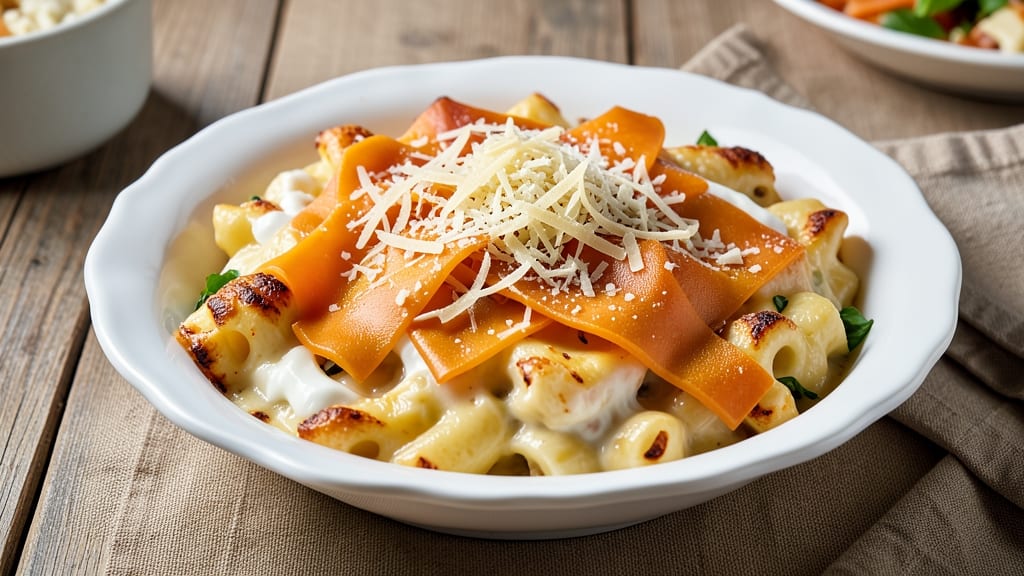
This baked mac sauce recipe delivers the cheesy pull-apart richness you crave without needing to bake the entire dish. The secret lies in a perfectly balanced blend of sharp cheddar, Gruyère, and cream cheese that melts into a velvety, ultra-creamy sauce with a subtle tang.
I've perfected this technique over years of testing, ensuring the sauce stays smooth, rich, and ready to transform any pasta into a decadent masterpiece.
The foundation of this sauce is a classic roux—equal parts butter and flour cooked until golden—that creates a stable base for the cheese. Adding warm milk and cream gradually prevents curdling while building depth of flavor.
A touch of Dijon mustard brightens the richness, while garlic powder adds a subtle savory note that elevates every bite. The result is a sauce so luxurious it rivals restaurant-quality dishes.
What sets this sauce apart is its versatility—use it for baked mac and cheese, as a creamy pasta topping, or even as a dipping sauce for breadsticks. The texture remains silky-smooth when reheated, making it ideal for meal prep.
With just 10 minutes of active time and 5 simple ingredients, you'll have a sauce that transforms ordinary pasta into something extraordinary.
Storage is effortless: refrigerate for up to 5 days or freeze for 3 months. Simply reheat gently on the stove, stirring until smooth, and watch it transform into a luscious, cheesy dream. This sauce is the game-changer your weeknight dinners deserve—rich, creamy, and impossible to resist.
Ingredients for baked mac sauce
Five simple ingredients melt into a velvety sauce that rivals restaurant-quality mac and cheese.
| Ingredient | Amount | Notes |
|---|---|---|
| Unsalted Butter 🧈 | ½ cup | Cold, cubed for roux |
| All-Purpose Flour 🌾 | ½ cup | Sifted for smooth sauce |
| Sharp Cheddar Cheese 🧀 | 1 ½ cups | Shredded, block preferred |
| Gruyère Cheese 🧀 | ¾ cup | Shredded, nutty flavor |
| Cream Cheese 🧀 | 8 oz | Full-fat for creaminess |
| Whole Milk 🥛 | 1 ½ cups | Warm for smooth texture |
| Heavy Cream 🥛 | ½ cup | Full-fat preferred |
| Dijon Mustard 🍯 | 1 tbsp | Brightens flavor profile |
| Garlic Powder 🧄 | ½ tsp | Subtle savory depth |
| Salt 🧂 | ½ tsp | Kosher or sea salt |
| Black Pepper 🌶️ | ¼ tsp | Freshly ground preferred |
The cheeses are the stars here—Gruyère adds nutty depth while sharp cheddar brings tang. Grab block cheeses from the deli counter (pre-shredded gets clumpy) and shred yourself. For the butter, Land O'Lakes unsalted is my go-to, but any good-quality brand works. The cream cheese? Full-fat only—low-fat versions get grainy. If you're feeling fancy, Whole Foods carries the best selection of Gruyère, but the regular supermarket stuff is fine too. Just make sure it's not expired—cheese flavor fades fast.
No Gruyère? Parmesan at half the amount works in a pinch, though it won't be quite as creamy. Running low on heavy cream? Half-and-half plus a splash of milk keeps things rich. The Dijon mustard is non-negotiable—it cuts through the richness beautifully. No Dijon? Yellow mustard will work, but it's not the same. The garlic powder is subtle but important—don't skip it. For the roux, low and slow is key. If it browns too fast, you're cooking too hot. Patience here prevents a grainy sauce.
This sauce keeps like a dream—5 days in the fridge or 3 months frozen. For freezing, portion into ice cube trays first, then transfer to a bag. Reheat gently on the stove, stirring constantly until smooth. The texture gets even better after reheating—honestly, it's worth making extra. I always double the batch because it disappears faster than you'd think. Leftovers? Perfect for cheese toast or as a dipping sauce for breadsticks.
Why You'll Love This Recipe
- No-Measurement Guessing: This sauce comes together with just a handful of ingredients—no fancy ratios, no stress. I swear by the 1:2:3 butter-to-flour-to-cheese method, and it never fails. The Gruyère melts into this velvety blanket of cheesiness that’s hard to resist, even when you’re just stirring the pot.
- Cheese Overload (In the best way): That sharp cheddar and Gruyère combo? It’s like a party in your mouth. The cream cheese smooths out the sharpness, but you still get that nutty, tangy depth that makes you want to lick the pan. Honestly, the first time I made it, I almost skipped dinner just to eat the sauce straight from the spoon.
- Lunchbox Legend: Between us, this sauce is my secret weapon for meal prep. Spread it on toast for a quick lunch, or pack it in a thermos with pasta for a no-fuss school lunch. My kids don’t even complain—though they will argue over who gets the last bite of the cheesy crust.
- Leftovers That Don’t Suck: Most baked mac sauces turn rubbery or greasy the next day. Not this one. The cream cheese keeps it rich but not heavy, so reheating it is just as good as fresh. I’ve had it cold in sandwiches, warmed over grilled cheese, and even dumped straight from the fridge onto crackers. Zero waste, all flavor.
Step-by-step instructions for baked mac and cheese sauce
Here's how to make a velvety, ultra-cheesy sauce that's perfect for mac and cheese without needing to bake it.
Make the Roux for a Smooth Base
In a heavy-bottomed saucepan, melt the 0.5 cup unsalted butter over medium heat. Once fully melted, reduce the heat to medium-low and gradually whisk in the 0.5 cup all-purpose flour. Keep whisking constantly for 2-3 minutes until the mixture turns a light golden color and smells nutty.
This roux is the foundation of your sauce—don't rush it. If it darkens too quickly, lower the heat even more. You're aiming for a smooth, thick paste that will create that silky texture in your final sauce. The flour should fully incorporate without any raw flour taste remaining.
Cook the Cheese into a Creamy Mixture
Slowly pour in the 1.5 cups whole milk while whisking continuously to prevent lumps. Cook for 3-4 minutes until the mixture thickens and coats the back of a spoon. Remove from heat and immediately stir in the 1.5 cups sharp cheddar cheese, 0.75 cup gruyère cheese, 8 oz cream cheese, 0.5 cup heavy cream, 1 tbsp Dijon mustard, 0.5 tsp garlic powder, 0.5 tsp salt, and 0.25 tsp black pepper. Stir until completely melted and smooth.
Here's the thing—adding the cheese off the heat prevents it from overheating and separating. The Dijon mustard brightens the flavor while the garlic powder adds subtle depth. Keep stirring until you have a glossy, thick sauce that's ready to be used immediately or stored for later.
Adjust Consistency for Perfect Texture
If your sauce is too thick, thin it with 1-2 tablespoons of warm milk at a time until it reaches a pourable consistency that still coats the back of a spoon. For extra richness, you can add a splash of heavy cream. The ideal texture should be thick enough to cling to pasta but still flow smoothly when poured.
This sauce is incredibly versatile—use it directly over your cooked macaroni for a baked mac and cheese effect without the oven, or pour it over grilled cheese sandwiches, baked potatoes, or even as a creamy dip. The blend of cheddar and gruyère gives it that perfect balance of sharp and nutty flavors that makes this sauce truly special.
Pro Tips For Making Baked Mac Sauce
- Whisk Like You Mean It: Don’t just stir the butter and flour—whisk it aggressively for 2-3 minutes until the mixture is pale yellow and actually smooth. I used to half-ass this step, and my sauce always ended up grainy, no matter how much I stirred later. This isn’t just about texture; it’s about building flavor from the start.
- Grate Cheese Fresh: Skip the pre-shredded cheese—it’s packed with anti-caking agents that make your sauce watery and clumpy. Use a box grater for sharp cheddar and Gruyère, then toss the cheese with 1 tablespoon of flour before adding it to the sauce. This keeps it from clumping and ensures it melts into a silky, cohesive sauce.
- Temper the Cream Cheese: Cut the cream cheese into small cubes and fold it into the warm (not boiling) sauce at the very end. Dumping cold cream cheese into hot liquid turns it into rubbery lumps—trust me, I’ve ruined more mac sauce than I’d like to admit this way. Let the sauce cool slightly first, or you’ll regret it.
- Bake at 375°F, Not Higher: Resist the urge to crank the oven to 400°F or blast it—375°F is the sweet spot for even browning without burning the top before the center is done. I learned this after watching my first batch turn into a sad, uneven mess. A light broil for the last 2 minutes can help crisp the top, but only if the sauce is fully heated through first.
Common mistakes when making perfect results
Overcooking the Roux
Watch the roux like a hawk—once it turns golden, it’s done. If you let it darken to brown, you’ll end up with a nutty, bitter flavor that ruins the smoothness of your sauce. I’ve burned more than a few roux in my time, and trust me, it’s not pretty.
Keep the heat at medium-low and whisk constantly. A good rule of thumb: if it smells like toasted bread, it’s ready. If it smells like burnt toast, you’ve gone too far. 🔥
Adding Cheese Too Fast
Dumping all the cheese in at once is a recipe for disaster—lumpy, grainy sauce ahead. Instead, add the cheeses in stages: start with the sharp cheddar and Gruyère, then fold in the cream cheese last. The cream cheese needs to melt gently to avoid clumps.
I like to remove the pan from heat before adding it, then stir until fully incorporated. If you’re still seeing lumps, strain the sauce through a fine-mesh sieve for a silky finish.
Skipping the Mustard
That 1 tbsp Dijon mustard isn’t just for flavor—it’s the secret to balancing the richness. Without it, your sauce can taste flat or overly cheesy.
If you’re out of Dijon, a pinch of lemon zest or a splash of white wine can help, but nothing beats the tangy brightness of mustard. I’ve made this sauce without it, and honestly? It’s missing something. Don’t skip it.
Using Cold Ingredients
Cold milk or cheese straight from the fridge can cause your sauce to seize up or develop a grainy texture. Always warm your milk and cream to room temperature before adding them to the roux. If you’re in a hurry, heat them gently in the microwave for 20-30 seconds.
The cheese should also be at room temperature—take it out of the fridge 30 minutes before using. This small step makes a huge difference in texture.
Ignoring the Garlic Powder
That ½ tsp garlic powder might seem insignificant, but it’s what ties all the flavors together. It adds a subtle savory depth that rounds out the richness of the cheese.
If you’re a garlic lover, you can add a pinch of garlic powder on top after serving, but don’t skip it during cooking. I’ve tested this sauce with and without it, and the difference is noticeable—like the missing piece of a puzzle. 🧄
Not Adjusting Consistency
If your sauce is too thick, don’t just add more milk and hope for the best. Thin it gradually with 1 tbsp at a time, stirring well after each addition. The goal is a sauce that’s thick enough to cling to pasta but still flows smoothly.
If it’s too thin, simmer it gently to reduce the liquid. I’ve seen people overcorrect by adding too much milk, turning their sauce into a sad, watery mess. Patience is key here—taste as you go.
Nutrition facts
Frequently asked questions
Can I make this sauce without a roux?
The roux is key for that velvety texture, but you can try a slower-cooked cornstarch slurry instead. Mix 1 tbsp cornstarch with 2 tbsp cold milk, then whisk into the warm cheese mixture. Simmer for 1-2 minutes until thickened. The sauce won't be quite as rich, but it'll still work in a pinch!
How do I prevent lumps in the sauce?
Whisk constantly when adding flour to butter, and always whisk vigorously when combining cheese. For extra smoothness, strain the finished sauce through a fine-mesh sieve before serving. The cream cheese should melt completely when stirred off the heat—if not, warm the sauce gently over low heat while stirring.
Can I use this sauce for other dishes besides mac and cheese?
This sauce is perfect for cheesy breadsticks, baked potatoes, or even as a dip for veggie sticks. For extra decadence, mix in crispy bacon bits or sautéed mushrooms. The creamy texture works beautifully on grilled cheese sandwiches too—just spread it between the slices before grilling.
What if I don't have Gruyère?
No problem! Replace it with Parmesan cheese (use half the amount) or Swiss cheese for a similar nutty flavor. If you're out of both, extra sharp cheddar will work, though the sauce will be slightly less complex. The Dijon mustard helps bridge any flavor gaps, so don't skip that step!
How do I reheat this sauce without making it grainy?
Reheat gently on the stove over low heat, stirring constantly until smooth. If it thickens too much, add 1-2 tbsp warm milk at a time. Microwaving can cause uneven heating—always stir well after microwaving to redistribute the heat. For frozen portions, thaw in the fridge overnight before reheating for best results.