
Sauces & Condiments
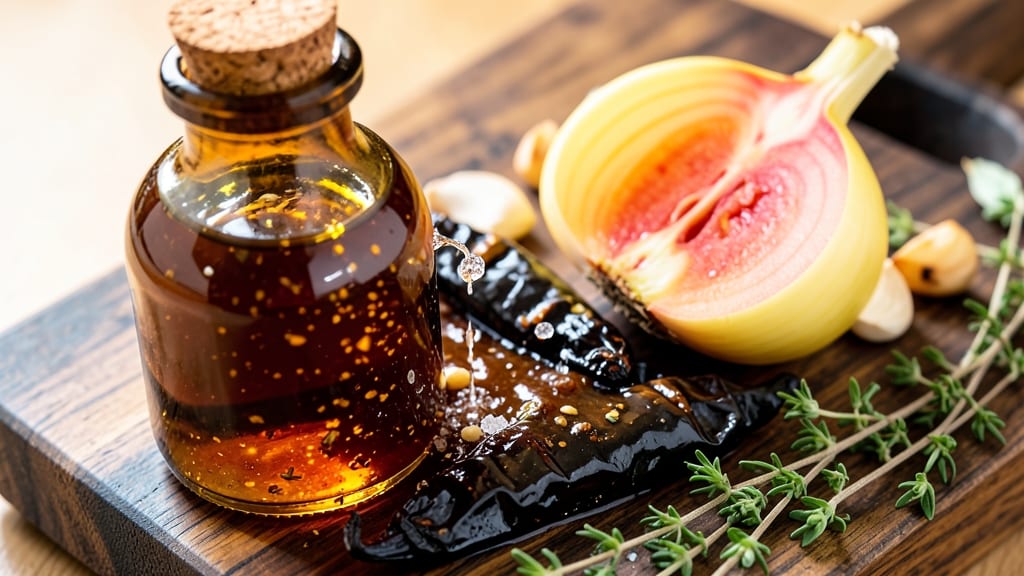
This Bajan hot pepper sauce delivers the bold, fiery kick that defines Caribbean cuisine—packed with Scotch bonnet peppers, tangy vinegar, and aromatic spices that transform every dish. The secret lies in blending fresh peppers with garlic, onions, and thyme, then letting the flavors meld for at least a week.
This isn’t just a condiment; it’s a flavor bomb that elevates grilled meats, fried fish, or even rice and peas to new heights.
The process is straightforward but requires patience: roast the peppers for depth, blend with vinegar for tang, and strain for a smooth, potent sauce.
The Scotch bonnet peppers provide the signature heat, while the vinegar and garlic balance the intensity. Aged properly, this sauce intensifies in flavor, becoming richer and more complex with time.
What sets this sauce apart is its versatility—use it as a marinade for jerk chicken, a dipping sauce for fried plantains, or a finishing touch for soups and stews.
The heat level is adjustable, so you can dial it up or down to suit your taste. No shortcuts here; the slow fermentation process ensures every drop is packed with authentic Caribbean flavor.
Store it in a cool, dark place, and you’ll have a pantry staple that lasts for months. Whether you’re cooking for a crowd or spicing up a weeknight meal, this sauce brings the sun-soaked heat of the Caribbean to your kitchen. Let’s make it—your taste buds will thank you.
Ingredients for bajan hot pepper sauce
Nine ingredients, Caribbean heat—this sauce brings the bold flavors of Bajan cuisine to your table.
| Ingredient | Amount | Notes |
|---|---|---|
| Scotch Bonnet Peppers 🌶️ | ½ lb | Fresh, roasted for depth |
| Yellow Onion 🧅 | 1 whole | Medium, roughly chopped |
| Garlic Cloves 🧄 | 6 cloves | Fresh, peeled and smashed |
| Fresh Thyme Leaves 🌿 | ¼ cup | Stems removed, loosely packed |
| White Vinegar 💧 | 1 cup | Distilled, for tang |
| Granulated Sugar 🍚 | 1 tbsp | Balances heat, optional |
| Salt 🧂 | 1 tsp | Kosher or sea salt |
| Black Peppercorns 🌶️ | ½ tsp | Freshly ground, coarse |
| Extra-Virgin Olive Oil 🫒 | ¼ cup | For richness, high quality |
| Water 💧 | ½ cup | Filtered, for thinning |
Scotch bonnets are the star here—look for bright red, firm peppers at Latin markets or well-stocked grocery stores. Whole Foods or Trader Joe's usually carry them fresh, but frozen works in a pinch. Roasting them first brings out their natural sweetness and deepens the flavor. If you can't find Scotch bonnets, habaneros are a close second, but dial back the amount for less heat. The thyme? Fresh is best—dried works, but it lacks that bright, citrusy aroma. Grab a small bunch and use half now, save the rest for other Caribbean dishes.
No vinegar? Apple cider vinegar or lime juice will work, but the tang won't be quite the same. Running out of sugar? Honey or maple syrup at half the amount balances the heat, though it adds a different flavor profile. Olive oil can be swapped for avocado oil or even coconut oil, but extra-virgin olive oil gives that authentic richness. The water is key for thinning—if your sauce is too thick, add a splash more. And if you're worried about the heat, start with fewer peppers or remove some seeds before blending.
This sauce gets better with age—1-2 weeks in a cool, dark place lets the flavors meld beautifully. Store it in a clean, sterilized jar with a tight seal. It keeps for up to 6 months in the fridge, though the heat might mellow slightly over time. For extra potency, strain out the seeds after aging. Use it on grilled meats, fried fish, or even popcorn—just a drizzle transforms everything. And if you make a big batch, freeze half in ice cube trays for single-serving convenience.
Why You'll Love This Recipe
- No-Fuss Blend: I swear by this—just chop, pulse, and pour. No simmering, no peeling endless garlic cloves, just a quick whiz in the food processor while you wait for dinner to cook. The Scotch bonnet’s heat hits instantly, but the vinegar cuts through so cleanly you won’t even notice the prep time.
- Heat with Depth: That first bite? Chef’s kiss. The Scotch bonnet brings the fire, but the thyme and caramelized onion add this earthy sweetness that balances it perfectly. It’s not just spicy—it’s got layers, like a hug from a Bajan auntie after a long day.
- Pantry Powerhouse: Honestly, this sauce is my secret weapon for lazy nights. Drizzle it on fried plantains, toss it with rice and peas, or even mix it into mayo for sandwiches. The vinegar keeps it shelf-stable for weeks, so I always have a backup for when I burn dinner (again).
- Budget-Friendly Fire: Between us, this costs pennies to make but feels like a restaurant-worthy upgrade. A single Scotch bonnet and a handful of thyme stretch for months—no fancy ingredients, just bold flavor. Plus, it’s the kind of sauce that makes you look like a pro, even if you’re just reheating leftovers.
Step-by-step instructions for Bajan hot pepper sauce
Here's how to make this fiery Caribbean sauce that packs serious heat and deep flavor.
Roast the Scotch Bonnet Peppers
Preheat your oven to 400°F. Place the 0.5 lb Scotch Bonnet Peppers directly on a baking sheet, cut-side down. Roast for 15-20 minutes until the skins blacken and blister in spots. This step develops their natural sweetness and deepens the flavor.
Transfer the peppers to a bowl, cover with a clean kitchen towel, and let them steam for 10 minutes. The steam helps loosen the skins so they'll peel off easily. Once cool enough to handle, peel away the charred skins and remove the stems and seeds. You'll be left with soft, flavorful pepper flesh ready to blend.
Sauté Aromatics in Olive Oil
Heat the 0.25 cup Extra-Virgin Olive Oil in a medium saucepan over medium heat. Add the 1 whole Yellow Onion, chopped into rough pieces, and cook for 5 minutes until softened and translucent. Stir occasionally to prevent burning.
Add the 6 cloves Garlic Cloves, smashed with the side of your knife, and cook for another 2 minutes until fragrant. The garlic should be golden around the edges but not browned. Remove the pan from heat and let it cool slightly before adding the peppers.
Combine All Ingredients
Return the saucepan to the stove over low heat. Add the peeled Scotch Bonnet Peppers, 0.25 cup Fresh Thyme Leaves, 1 cup White Vinegar, 1 tbsp Granulated Sugar, 1 tsp Salt, and 0.5 tsp Black Peppercorns to the pan. Stir gently to combine all ingredients.
Bring the mixture to a gentle simmer, then reduce heat to lowest setting. Let it cook uncovered for 15 minutes, stirring occasionally. The sauce should thicken slightly, and the flavors should meld together beautifully. If it gets too thick, add the 0.5 cup Water gradually to reach your desired consistency.
Blend and Strain for Smoothness
Transfer the sauce to a blender or food processor. Blend until completely smooth, about 1 minute. The sauce should be vibrant red with no visible chunks. If you prefer a slightly chunkier texture, pulse briefly instead of blending completely.
Strain the sauce through a fine-mesh sieve into a clean bowl to remove any remaining skin fragments or seeds. This step ensures a silky texture perfect for drizzling or cooking. Taste and adjust seasoning if needed—you might want to add a pinch more salt or sugar to balance the heat.
Bottle and Store Properly
Transfer the finished sauce to a clean glass jar or bottle. Let it cool completely before sealing. This sauce keeps well in the refrigerator for up to 2 weeks or can be canned for longer storage. The flavors will actually improve over time as they meld together.
For best results, store in an airtight container and shake well before each use. This fiery sauce adds incredible heat to dishes like jerk chicken, seafood, or even cocktails. Start with small amounts—it's hotter than it looks!
Pro Tips For Making Bajan Hot Pepper Sauce
- REMOVE SEEDS FIRST: I learned this the hard way—skipping this step means your sauce will taste bitter and uneven. Use a small knife to slice open Scotch Bonnets lengthwise and scrape out seeds and membranes, even if they look clean. The white pith hides most of the heat, and you want control, not a mouth on fire.
- SWEAT ONIONS LOW: High heat turns onions caramelized before they soften, and that’s the opposite of what you want here. Cook them over medium-low for 8-10 minutes until translucent but still holding shape—this builds flavor without burning. (Yes, even if you’re impatient like me.)
- BLITZ GARLIC: Add minced garlic to the pot right after the onions soften, not before. The onions’ moisture will prevent burning, and the garlic infuses faster—no waiting for it to brown into oblivion. Stir constantly for 30 seconds max, then move on.
- VINEGAR LAST: Pouring vinegar too early stops the cooking process and dulls the flavors. Wait until the peppers have simmered for at least 5 minutes after adding them, then add vinegar in stages—start with ¼ cup, taste, and adjust. This keeps the heat sharp and the acid balanced.
Common mistakes when making great bajan hot pepper sauce
Skipping the Roast
Roasting the Scotch bonnet peppers is non-negotiable for authentic flavor—it caramelizes the sugars and deepens the pepper's natural sweetness. If you skip this step and use raw peppers, your sauce will taste harsh and one-dimensional.
I’ve tried it both ways, and the difference is night and day. The roasted peppers also peel more easily, saving you time and effort later. 🔥
Overblending the Sauce
While you want a smooth sauce, overblending can turn it into a gluey mess. Pulse the ingredients in short bursts, stopping to scrape down the sides of the blender. If you blend too long, the sauce may thicken excessively and lose its vibrant color.
Strain it afterward to remove any remaining skins or seeds for that silky texture. A fine-mesh sieve works best for this.
Ignoring the Aging Process
This sauce needs time to develop its full depth of flavor—at least 1-2 weeks in a cool, dark place. Skipping the aging process means you’ll miss out on the complex, layered taste that makes it special.
I’ve seen people rush it and end up with a sauce that’s too sharp or thin. Patience here is key! Store it in a sterilized jar to prevent spoilage.
Using Low-Quality Vinegar
The vinegar is the backbone of this sauce, providing tang and balance to the heat. Using cheap or flavored vinegars (like balsamic or apple cider) will alter the flavor profile.
Stick to distilled white vinegar for the classic Bajan taste. If you’re out of vinegar, lime juice is a decent substitute, but it won’t have the same sharpness.
Not Adjusting the Heat Level
Scotch bonnet peppers are famously hot, but everyone’s tolerance is different. If you’re making this sauce for the first time, start with 3 peppers instead of 5 and adjust to taste.
Removing some seeds and membranes before blending also reduces the heat. Taste as you go—you can always add more pepper later, but you can’t take it out once it’s in!
Nutrition facts
Frequently asked questions
Can I substitute Scotch bonnet peppers with habaneros?
Yes, but use half the amount since habaneros are milder. For example, if the recipe calls for 5 Scotch bonnets, use 2-3 habaneros instead. Roast them first to deepen their flavor—this step is crucial for balancing the heat.
How long does this sauce last, and can I freeze it?
Unopened, it keeps for 6 months in a cool, dark pantry. Once opened, refrigerate for 2-3 months or freeze in ice cube trays for single-serving portions. The heat mellows slightly when frozen, but the flavor remains vibrant. Always store in airtight containers.
Why does my sauce look thin or watery?
This usually happens if you didn’t reduce the sauce enough during cooking or added too much water. Simmer uncovered for an extra 10-15 minutes to thicken it naturally. For a quicker fix, mix 1 tsp cornstarch with 1 tbsp water, stir into the sauce, and cook until it gels.
Can I make this sauce without vinegar?
Vinegar is key for tang, but you can substitute lime juice or lemon juice in a 1:1 ratio. However, the flavor won’t be identical—vinegar’s sharpness balances the heat better. If using citrus, add ½ tsp extra sugar to compensate.
What are the best dishes to use this sauce with?
This sauce shines on grilled meats (jerk chicken, pork chops), seafood (fried fish, shrimp), and even starches like rice and peas or fried plantains. Drizzle it over soups, use as a marinade, or mix into mayo for a spicy dip. Start with ½ tsp—it’s hotter than it looks!