
Sauces & Condiments
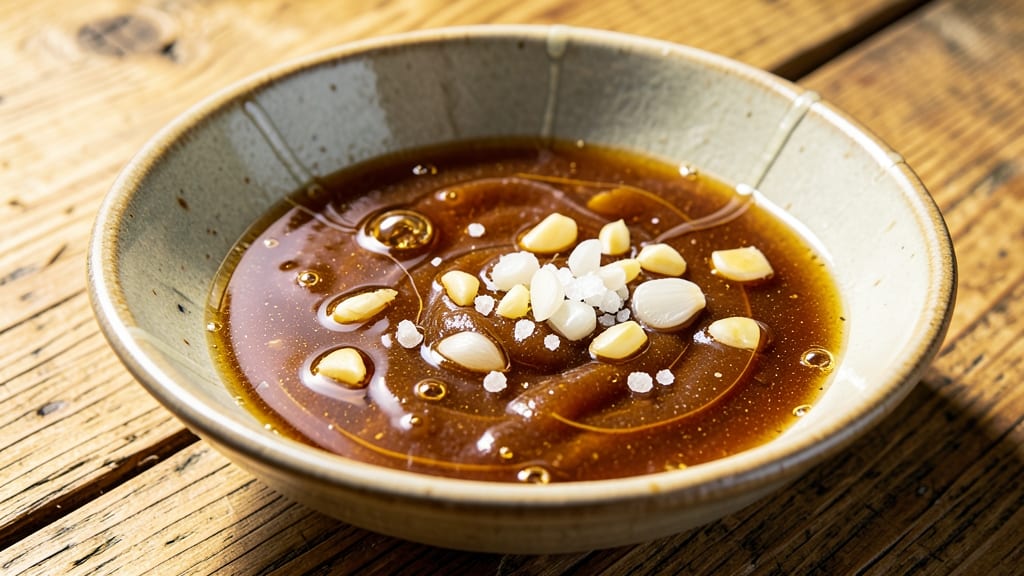
This bagoong sauce recipe unlocks the umami-rich soul of Filipino cuisine with just five simple ingredients. Fermented shrimp paste (bagoong isda or alamang) forms the base, while vinegar, garlic, and shallots create a tangy, savory sauce that transforms ordinary dishes into extraordinary ones.
The fermentation process—where time and patience develop deep, complex flavors—is where the real magic happens.
What sets traditional bagoong sauce apart is its versatility and intensity. Unlike store-bought versions, homemade bagoong delivers a brighter, more aromatic profile with layers of garlic, vinegar, and the briny depth of fermented fish.
The sauce thickens slightly as it sits, becoming richer with each use, making it perfect for drizzling over sinigang, grilled seafood, or even rice dishes.
Making this sauce requires just 15 minutes of prep and 24 hours of fermentation—minimal effort for maximum flavor impact. The key is balancing the vinegar’s acidity with the fermented paste’s saltiness, creating a condiment that’s both bold and harmonious.
Once ready, it keeps for weeks in the fridge, ready to elevate any Filipino meal.
The result is a savory-sweet sauce with a slightly sticky texture that clings to every bite, adding depth to soups, marinades, or even as a dip for crispy fritters. For those new to fermentation, this recipe simplifies the process without compromising authenticity. Let’s make bagoong sauce that tastes like home.
Ingredients for bagoong sauce
Five essential ingredients transform into a complex, umami-packed Filipino condiment with just 15 minutes prep.
| Ingredient | Amount | Notes |
|---|---|---|
| Fermented Shrimp Paste (Bagoong Isda or Alamang) 🦐 | ½ cup | Authentic Filipino fermented shrimp paste |
| White Vinegar 🍶 | ¼ cup | Distilled white vinegar preferred |
| Garlic Cloves 🧄 | 6 whole | Freshly minced for maximum aroma |
| Shallots 🧅 | 4 whole | Peeled and finely minced |
| Cane Sugar 🍬 | 1 tbsp | For subtle sweetness balance |
| Water 💧 | ¼ cup | Filtered for neutral taste |
| Salt 🧂 | ½ tsp | Diamond Crystal preferred |
The fermented shrimp paste is the heart of this sauce, and authenticity matters. Look for bagoong isda at Asian markets—brands like Alamang or Soy Vang deliver the deepest flavor. If you can't find it, fermented anchovy paste works as a substitute, though the texture will differ slightly. Freshness is key: the paste should have a vibrant, briny aroma, not a sharp or overly fishy smell. For the vinegar, cane vinegar adds complexity, but distilled white vinegar is perfectly fine for beginners. The garlic and shallots should be freshly minced—pre-minced jarred garlic lacks the aromatic punch this sauce needs.
No fermented shrimp paste? Fermented anchovy paste is the closest substitute, though the flavor profile will be slightly milder. Short on shallots? Red onion works in a pinch, but reduce to 2 whole for a milder taste. The cane sugar can be swapped for white sugar or even honey (though honey will add a floral note). For a less tangy sauce, reduce the vinegar to 2 tbsp and add 1 tbsp water instead. If you're making this for a large batch, scale up the ingredients proportionally—this sauce keeps well for weeks, so there's no rush to use it all at once.
Once mixed, let the sauce ferment for 24 hours in an airtight container at room temperature before refrigerating. The texture will thicken slightly over time, becoming richer and more complex with each use. Store in the fridge for up to 4 weeks—the longer it sits, the deeper the flavor. For best results, use a glass jar with a tight seal to preserve the fermentation. If the sauce separates, simply stir before using. This condiment is incredibly versatile—drizzle over sinigang, mix into marinades, or use as a dip for crispy fritters. The fermentation process enhances its umami depth, making it a pantry staple worth the wait.
Why You'll Love This Recipe
- Five-Ingredient Magic: I swear by this—just the shrimp paste, vinegar, garlic, shallots, and sugar. That’s it. No fancy prep, no hidden pantry items. The umami punch from the bagoong alone makes it worth the effort, and honestly? The vinegar cuts through the funk in all the right ways.
- Umami Bomb: The first time I tasted this, I nearly spilled my coffee. That deep, funky-sweet fermented shrimp flavor? It clings to everything—rice, grilled fish, even a simple omelet. The sugar balances the vinegar’s bite, and the garlic-shallot base? It’s like a warm hug for your taste buds.
- Pantry Staple Power: Here’s what sold me—this sauce lasts weeks in the fridge, and I use it for everything. Stir it into noodles, slather it on grilled corn, or drizzle it over fried rice. Even my picky teenage nephew asks for seconds now. (Yes, even on a Tuesday night.)
- Budget Flex: Between us, this is my wallet’s best friend. A tiny block of bagoong goes a long way, and the rest of the ingredients? Cheap as chips. I make a big batch, freeze half, and boom—next month’s meals are already sorted. No last-minute grocery runs, no stress. Just flavor on demand.
Step-by-step instructions for authentic bagoong sauce
This traditional Filipino sauce delivers bold umami depth with just seven ingredients—precision matters at every stage.
Prepare the Fermented Shrimp Paste
In a small saucepan, combine the 0.5 cup Fermented Shrimp Paste (Bagoong Isda or Alamang) with the 0.25 cup White Vinegar. Stir over medium-low heat for 3-4 minutes until the paste dissolves completely and the mixture becomes smooth. You'll notice the aroma intensify—this is where the sauce's signature funk develops. The vinegar helps mellow the potent shrimp paste flavor while preserving its umami punch.
If you encounter any undissolved bits, press them through a fine-mesh sieve into the pan to ensure a silky texture. This step is critical—the paste must fully integrate for a balanced sauce. Keep the heat gentle to prevent the vinegar from evaporating too quickly, which would concentrate the flavors unevenly.
Build the Aromatic Base
Add the 6 whole Garlic Cloves and 4 whole Shallots to the saucepan. Cook over medium heat for 4-5 minutes, stirring frequently, until the garlic turns golden brown and the shallots soften completely. You'll see the mixture darken slightly—this indicates proper caramelization, which deepens the sauce's complexity.
Use a wooden spoon to press the garlic and shallots against the pan's sides, scraping up any browned bits. These fond bits carry concentrated flavor that would otherwise be lost. The garlic should be fragrant but not burnt—if it starts to darken too quickly, reduce the heat slightly. This aromatic base forms the sauce's flavor foundation.
Balance with Sweetness and Seasoning
Stir in the 1 tbsp Cane Sugar and 0.5 tsp Salt, then add the 0.25 cup Water. Bring the mixture to a gentle simmer over medium heat, then reduce to low heat and let it cook uncovered for 8-10 minutes. The sauce should thicken slightly and develop a glossy sheen—this indicates proper reduction.
Taste as you go: the sugar should mellow the sauce's acidity while the salt enhances the shrimp paste's savory depth. If the sauce appears too thin after reduction, simmer uncovered for another 2-3 minutes to achieve the right consistency. The final texture should coat the back of a spoon but remain pourable.
Finish and Adjust
Remove the sauce from heat and let it cool for 5 minutes. This resting period allows the flavors to meld completely. Taste again and adjust seasoning if needed—Filipino sauces often benefit from a final touch of salt or vinegar to refine balance.
The sauce should now have a rich, umami-forward profile with balanced acidity, sweetness, and saltiness. If you find it too strong, thin with an additional 1-2 tablespoons water (though the original recipe yields a concentrated sauce perfect for dressings, marinades, or dipping). Store in an airtight container in the refrigerator for up to 1 week, or freeze for 3 months.
Pro Tips For Making Bagoong Sauce
- Bloom the Garlic: Sauté minced garlic in oil until it’s just golden—about 30 seconds—before adding shallots. I used to burn it every time, but this step keeps the flavor bright and stops the sauce from tasting bitter. (Yes, even if you’re impatient like me.)
- Toast the Shrimp Paste: Heat your bagoong isda or alamang in the pan for 30 seconds before adding vinegar. This deepens the umami without overpowering the sauce. I learned this the hard way—skipping it makes the paste taste raw and funky.
- Balance the Vinegar: Start with 2 tablespoons of vinegar, then taste as you go. Too much and your sauce turns harsh; too little and it’s flat. Add sugar gradually—this is the thing that matters most for that sweet-sour harmony.
- Strain for Smoothness: If your sauce ends up grainy, strain it through a fine-mesh sieve before serving. I skip this when I’m lazy, but the dish is noticeably better when I don’t—especially for dipping or drizzling. (Your future self will thank you.)
Perfect pairings for bagoong sauce
Sinigang Perfection
This sauce transforms sinigang, the iconic Filipino sour tamarind soup, into something extraordinary. Drizzle 1-2 tablespoons over a steaming bowl of sour soup with shrimp, pork, or fish—it adds a briny, umami kick that cuts through the tangy broth beautifully.
I like to add it at the end so the flavors meld without overpowering the delicate sourness. 🍲
Grilled Seafood Drizzle
Bagoong sauce elevates grilled milkfish (bangus), tuna, or squid to restaurant-quality levels. Brush ½ teaspoon on each piece before grilling, then finish with a drizzle of the sauce post-grill.
The fermented shrimp paste caramelizes slightly on the grill, creating a sticky, savory crust that pairs perfectly with the smoky char. Serve with calamansi slices for brightness.
Crispy Fritters Dip
Turn fish fritters (tupig) or shrimp croquettes into an irresistible appetizer by serving them with a small bowl of bagoong sauce for dipping. The slightly sticky texture clings to the crispy exterior while the umami depth balances the fried oil.
I like to mix 1 tablespoon of the sauce with ½ teaspoon soy sauce for extra richness before serving.
Rice Dish Elevator
Stir 1 teaspoon of bagoong sauce into garlic fried rice (sinangag) or sinabawang (Filipino-style stir-fried vegetables) just before serving. The sauce adds a deep, savory layer that makes the grains stick together slightly, creating a cohesive bite.
For extra depth, add a pinch of ground black pepper to the sauce before mixing.
Marinade Magic
Use bagoong sauce as a bold marinade for grilled chicken (inahaw) or pork belly (lechon kawali). Mix 2 tablespoons of the sauce with 1 tablespoon soy sauce, 1 teaspoon brown sugar, and 1 minced garlic clove.
Let the meat marinate for at least 30 minutes—the fermented flavors penetrate deeply, creating a sticky, caramelized crust when cooked.
Breakfast Star
Add 1 teaspoon of bagoong sauce to garlic rice (sinangag) or tapsilog (tapsilog is garlic fried rice with a fried egg and tocino). The umami punch wakes up your taste buds and balances the richness of fried eggs and crispy tocino.
For a spicy kick, stir in ½ teaspoon sriracha before serving. 🍳
Nutrition facts
Frequently asked questions
Can I use bagoong alamang instead of bagoong isda?
Yes! Both work perfectly—bagoong alamang (made from tiny shrimp) is even more aromatic and slightly sweeter than bagoong isda (shrimp paste). Use the same measurements, but expect a more delicate, almost floral note in the finished sauce. For maximum depth, try blending both types.
Why does my bagoong sauce smell so strong?
The fermented shrimp paste naturally carries a potent aroma—this is normal and actually indicates freshness! If the smell is overwhelming, reduce the paste to ¼ cup and add 1 extra tablespoon of vinegar to balance it. The flavor mellows as it cooks and ferments, so don't worry if it's intense at first.
How long should I ferment the sauce?
Ferment for at least 24 hours at room temperature before refrigerating. The longer it sits (up to 5 days), the deeper and more complex the flavors become. For quick use, refrigerate immediately, but the flavor will peak after 3-4 days of fermentation. Always store in an airtight container.
Can I make this sauce without vinegar?
Vinegar is essential for balancing the saltiness of the fermented paste, but you can substitute with 1 tbsp lemon juice + 1 tbsp water for a brighter, less tangy profile. The sauce will be milder—expect less complexity without the vinegar's acidity. For a traditional taste, stick with vinegar.
What if my sauce separates or looks grainy?
This happens if the paste didn't dissolve fully during cooking. Stir vigorously and simmer for another 2-3 minutes to emulsify. For graininess, blend with an immersion blender or strain through a fine-mesh sieve. The texture should smooth out as it cools and ferments.