
Sauces & Condiments
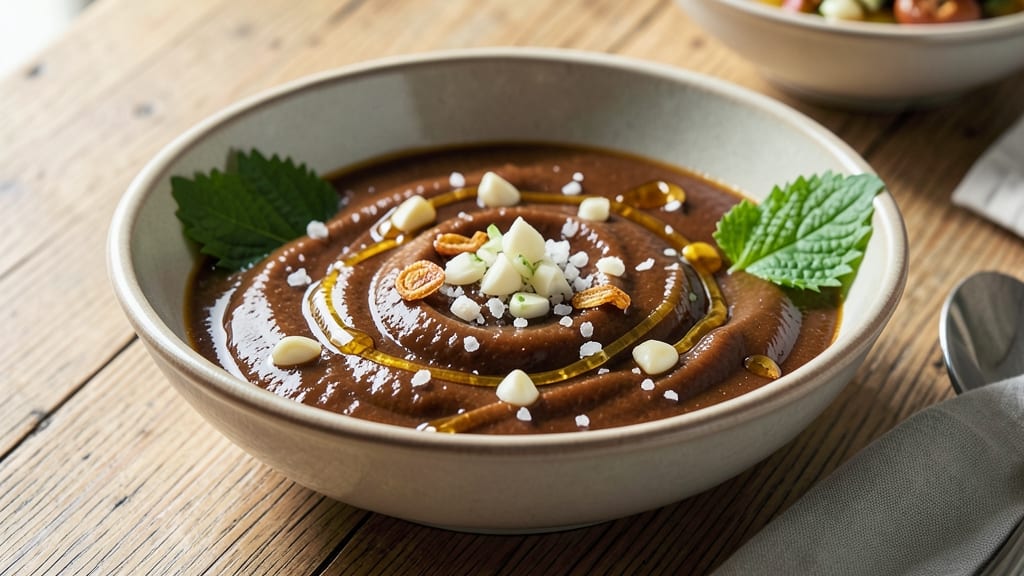
Bachman's Japanese BBQ sauce recipe transforms grilled meats with its signature smoky-sweet umami depth—just like the legendary sauce that made Bachman's famous. 🔥 The secret lies in balancing fermented soy, mirin's bright acidity, and caramelized sugar for a glossy finish that clings to every charred bite. I've been perfecting this version for years, and it delivers that same restaurant-quality punch without the shortcuts.
This sauce starts with a simple base of soy sauce, mirin, and sugar, but the real magic happens when we add toasted sesame oil, minced garlic, and fresh ginger.
The slow simmer reduces the sauce to a thick, syrupy consistency that's perfect for glazing ribs, brushing on chicken, or serving as a dipping sauce. Unlike store-bought versions, this recipe builds layers of flavor through proper reduction and ingredient quality.
What you'll end up with is a glossy, aromatic sauce that's rich with umami, balanced by sweetness, and finished with a subtle smokiness. It's the kind of sauce that makes grilled meats taste like they've been slow-cooked for hours, even when you're working with just 30 minutes on the grill.
The texture is perfect—thick enough to cling but still pourable for even coating.
Best of all, this sauce keeps well in the refrigerator for up to two weeks, making it perfect for meal prep or gifting. Once you try it, you'll never go back to store-bought BBQ sauce again. Let's get started on creating your own batch of this legendary glaze.
Ingredients for bachman's japanese bbq sauce
Nine simple ingredients unlock that legendary Bachman's smoky-sweet umami punch for your grill.
| Ingredient | Amount | Notes |
|---|---|---|
| Kosher Soy Sauce 🍶 | ½ cup | High-quality, fermented preferred |
| Mirin 🍶 | ¼ cup | Sweet cooking wine, not dry |
| Granulated Sugar 🍚 | ¼ cup | White or brown sugar works |
| Toasted Sesame Oil 🫒 | 1 tbsp | For authentic aroma |
| Garlic Cloves 🧄 | 4 cloves | Minced finely for depth |
| Fresh Ginger 🌿 | 2 tbsp | Grated, not minced |
| Rice Vinegar 🍶 | 1 tbsp | Adds bright acidity |
| Honey 🍯 | 1 tbsp | For extra sweetness |
| Sesame Seeds 🥜 | 1 tsp | Toasted for garnish |
| Salt 🧂 | ½ tsp | Adjust to taste |
The soy sauce is non-negotiable—Kikkoman or Yamasa are my go-tos, but any quality brand works. Mirin adds that signature sweetness and depth, so don't skimp on the real stuff (the cheap stuff in the Asian aisle is fine). Trader Joe's has great options if you're not near a specialty store. Fresh ginger and garlic are where the magic happens—organic ginger from the produce section has more punch than the jarred kind. Toast your sesame oil in a dry pan for 30 seconds before adding—that nutty aroma is what makes this sauce sing.
No mirin? Substitute 1 tbsp sugar plus 1 tbsp water—it's not perfect, but it works in a pinch. Fresh ginger too expensive? Dried ginger powder at half the amount gets you close. Want more heat? Add a dash of sriracha or red pepper flakes. The honey can be swapped for maple syrup if you prefer. The sauce needs to reduce properly—don't rush it. If you're short on time, simmer uncovered and stir frequently to prevent burning. The texture should coat the back of a spoon when done.
This sauce gets better with age—let it sit overnight before using if possible. Keeps in the fridge for 2 weeks in an airtight jar. For gifting, portion into small jars with a ribbon—everyone will ask for more. Freezes beautifully for 6 months if you want to make a big batch. The sesame seeds can be toasted fresh each time you use it or mixed in ahead—your call.
Why You'll Love This Recipe
- Pantry Magic: I swear by this sauce because it uses things I already have—no special trips to the store. The kosher soy and mirin alone make it taste like a restaurant, and the sugar cuts through the salt just right.
- Umami Bomb: That first hit of toasted sesame oil and garlic? Pure flavor payoff. It’s sweet, salty, and savory all at once, with a depth that makes store-bought sauce feel boring.
- Weeknight Swiss Army: Drizzle it on grilled chicken, toss it with noodles, or slather it on homemade burgers. It’s my go-to for quick meals, potlucks, or even a last-minute dinner when I’m starving.
- Budget Stretch: A little goes a long way—this sauce costs pennies to make and lasts forever in the fridge. I double the batch and freeze half, so I’m never scrambling for a sauce fix.
Step-by-step instructions for Bachman's Japanese BBQ sauce
Here's how to make this smoky-sweet sauce that'll elevate your grilled meats to new heights.
🍳 Step 1: Build the Flavor Base
In a medium saucepan, combine the 0.5 cup kosher soy sauce, 0.25 cup mirin, 0.25 cup granulated sugar, and 1 tbsp rice vinegar. Bring to a gentle simmer over medium heat—this is where all the magic starts. You'll see the sugar begin to dissolve as the liquid warms, creating a fragrant foundation.
Here's the thing—don't rush this step. Let it simmer for 5-7 minutes until the sugar fully integrates and the mixture reduces slightly. You're looking for a syrupy consistency that coats the back of a spoon. This reduction concentrates the flavors and removes any raw sugar taste that might otherwise make your sauce taste cloying.
👨🍳 Step 2: Add Aromatics and Toast the Garlic
Reduce the heat to low and add the 4 minced garlic cloves and 2 tbsp grated fresh ginger. Stir gently to combine—you want these aromatics to infuse, not burn. Let them cook for 3-4 minutes until the garlic turns golden and fragrant, releasing its sweet, nutty aroma.
This is where the sauce gets its depth. The garlic should smell amazing but not be browned to a crisp—just lightly toasted. If you see it darkening too quickly, reduce the heat immediately. The ginger will mellow out as it cooks, adding subtle warmth without overpowering the other flavors.
🍳 Step 3: Sweeten and Finish the Sauce
Stir in the 1 tbsp honey and 1 tbsp toasted sesame oil, then add the 0.5 tsp salt. The sauce should now look glossy and aromatic. Let it simmer for another 5 minutes on low heat, stirring occasionally. You're looking for a thick, syrupy consistency that's still pourable but coats the back of a spoon.
Here's a pro tip: Taste as you go. If it needs more depth, add a splash of mirin. If it's too sweet, balance with a touch more rice vinegar. The sauce should be perfectly balanced between smoky, sweet, and tangy—this is what makes it irresistible on grilled meats.
⏰ Step 4: Cool and Store for Maximum Flavor
Remove the sauce from heat and let it cool completely. This resting period allows the flavors to meld and the sauce to thicken further. Once cool, transfer it to a clean jar or airtight container. It'll keep in the refrigerator for up to 2 weeks, or you can freeze it for longer storage.
I know it seems counterintuitive to wait, but this cooling process is crucial. The sauce will thicken as it cools, becoming even more glossy and flavorful. When you're ready to use it, simply reheat it gently in a small saucepan over low heat, stirring until smooth. This sauce is perfect for glazing grilled meats, drizzling over rice bowls, or even as a dipping sauce for spring rolls.
Pro Tips For Making Bachman'S Japanese Bbq Sauce
- Simmer Low and Slow: The recipe calls for a gentle simmer, but I’ve learned the hard way that rushing this step makes the sauce bitter. Keep the heat at a bare simmer—just enough to see tiny bubbles breaking the surface—and let it cook uncovered for the full 20-25 minutes. The longer it reduces, the deeper the flavor, and skipping this turns your sauce into something closer to syrup.
- Toast Your Garlic: Fresh garlic cloves straight from the jar? Skip it. Toast whole garlic cloves in a dry pan over medium heat until golden and fragrant—about 3-4 minutes, stirring often. This step builds complexity that raw garlic can’t match, and it prevents that harsh, overpowering bite that sneaks into the sauce if you just chop and add. (Yes, even if you’re impatient like me.)
- Balance the Sugar First: The recipe mixes sugar and mirin before adding them to the soy sauce, but I used to just toss everything in at once. Instead, dissolve the sugar and mirin together in a small saucepan first, then simmer for 2-3 minutes until slightly syrupy. This ensures the sugar fully integrates and prevents grainy texture later—no one wants to taste sugar crystals in their BBQ sauce.
- Add Sesame Oil Last: The toasted sesame oil is the flavor bomb, but it’s also the most delicate part. Stir it in only in the final 30 seconds of cooking—off the heat if possible—to preserve its aroma. If you add it too early, the high heat will burn off its nutty, toasty notes, leaving you with just a faint oiliness instead of that rich, aromatic punch. (Your future self will thank you.)
Storing and reheating your leftovers
Refrigerator Storage
Transfer your freshly made sauce to a clean, airtight glass jar—I recommend Ball Mason jars for their durability. Store it in the fridge at 40°F or below where it’ll keep its vibrant flavors and glossy texture for up to 2 weeks.
The sauce actually improves overnight as the ingredients meld together, developing deeper umami notes. 💫
Freezing for Long-Term
For extended storage, divide the sauce into smaller portions (like 4-ounce jars) before freezing. This prevents freezer burn and makes it easy to thaw just what you need.
Label with the date—it’ll stay fresh for 6 months in the freezer. When ready to use, thaw in the fridge overnight for best results.
Reheating Sauce
Always reheat your sauce gently to preserve its texture. Pour it into a small saucepan and warm over low heat for 3-5 minutes, stirring constantly until smooth. Avoid high heat—it can break down the delicate balance of flavors.
For quick use, microwave for 20-30 seconds on 50% power, then stir vigorously to restore its silky consistency.
Garnish Before Serving
Just before using, sprinkle with 1 tsp toasted sesame seeds for extra texture and aroma. I like to toast them fresh in a dry pan for 30 seconds until golden.
This adds a nutty crunch that contrasts beautifully with the glossy sauce. A pinch of flaky sea salt right before serving enhances the umami depth.
Reviving Thickened Sauce
If your sauce thickens too much during storage, simply add 1 tsp water or mirin and warm gently while stirring. The sauce should return to its perfect syrupy consistency without losing any flavor. Never force it with excessive liquid—this sauce is meant to be rich, not watery.
Portioning for Gifting
Package your sauce in small, decorative jars with a ribbon for a thoughtful gift. I use amber glass jars to protect the sauce from light, which can degrade flavors over time.
Label with the date and recipe name—everyone will want to know how to recreate this restaurant-quality glaze. Perfect for holidays or cookout gatherings! 🎁
Nutrition facts
Frequently asked questions
Can I make this sauce without mirin?
Yes, but the flavor will be slightly different. Replace the 0.25 cup mirin with 1 tbsp sugar plus 1 tbsp water—it won't replicate mirin's sweetness and acidity perfectly, but it'll work in a pinch. For a closer substitute, use 1 tbsp sake or dry white wine plus 1 tbsp extra sugar. The sauce will still taste delicious, just with a slightly less refined balance.
How do I adjust the sweetness level?
Start by tasting the sauce after the initial 5-minute simmer. If it's too sweet, add 1 tsp rice vinegar or 1 tsp extra soy sauce to balance it. Need more sweetness? Stir in 1 tsp honey or maple syrup at the end. Remember, the sauce will thicken and concentrate as it cools, so err on the slightly less sweet side if you're unsure.
What meats work best with this sauce?
This sauce shines on grilled chicken thighs, pork chops, and ribs, but it's also fantastic on tofu, shrimp skewers, or even as a dipping sauce for spring rolls. For best results, brush it on during the last 5-10 minutes of grilling or baking. The high heat caramelizes the sugars, creating that signature glossy finish.
Why did my sauce turn out too thin?
This usually happens if you didn't reduce the sauce enough or if you added too much liquid during the process. To fix it, return the sauce to low heat and simmer uncovered for an extra 5-10 minutes, stirring often. If it's still too thin, mix 1 tsp cornstarch with 1 tbsp water, stir it in, and simmer for another 2 minutes. Never boil the sauce—just keep it at a gentle simmer.
Can I use this sauce in non-grilled dishes?
This versatile sauce works beautifully in stir-fries, as a marinade for noodles or dumplings, or even as a glaze for roasted vegetables. For marinades, reduce the salt slightly and let the sauce sit with your protein for 30 minutes to 2 hours before cooking. The umami depth makes it a fantastic addition to ramen broths or rice bowls too.