
Sauces & Condiments
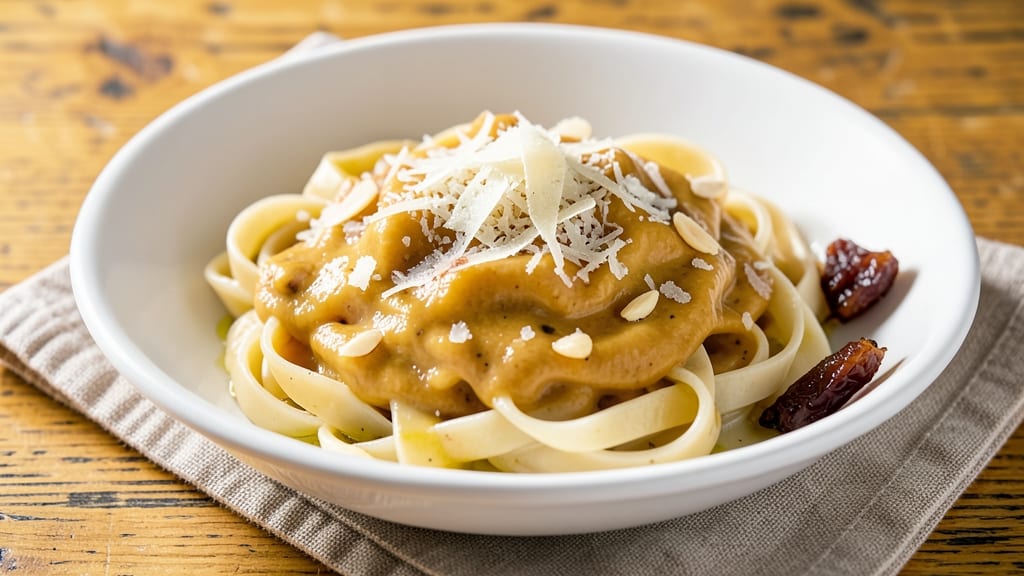
This awesome alfredo sauce recipe delivers restaurant-quality creaminess without the risk of burning or breaking. The secret lies in a slow, steady process that creates a velvety sauce with just the right balance of richness and subtle garlic notes.
I've perfected this method over years of testing, ensuring every batch turns out perfectly smooth and luxurious.
What sets this recipe apart is the technique of tempering the cheese with warm cream rather than dumping it all in at once. This prevents clumping and creates that signature silky texture that clings beautifully to pasta.
The sauce comes together in just 15 minutes with simple ingredients you likely already have on hand.
By the end, you'll have a sauce so rich and creamy it transforms any pasta dish into a luxurious meal. The aroma alone will have everyone gathering around the table, and the first bite delivers that perfect blend of buttery, cheesy goodness with just a hint of garlic warmth.
This sauce keeps well in the refrigerator for up to 5 days, making it perfect for meal prep. You can also freeze portions for up to 3 months, so you'll always have restaurant-quality alfredo at your fingertips.
The possibilities for variations are endless—add a splash of heavy cream for extra richness or stir in fresh herbs for a brighter flavor profile.
Ingredients for awesome alfredo sauce
Eight simple ingredients for velvety alfredo that tastes like a restaurant secret.
| Ingredient | Amount | Notes |
|---|---|---|
| Unsalted Butter 🧈 | ½ cup | Cold, cut into small cubes |
| Heavy Cream 🥛 | 1 ½ cups | Full-fat for best texture |
| Parmesan Cheese 🧀 | 1 ½ cups | Freshly grated, block preferred |
| Garlic Cloves 🧄 | 4 cloves | Minced, not powdered |
| Extra-Virgin Olive Oil 🫒 | 2 tbsp | For richness and balance |
| Salt 🧂 | ½ tsp | Kosher or sea salt |
| Black Pepper 🌶️ | ¼ tsp | Freshly ground preferred |
| Fresh Parsley 🌿 | ¼ cup | Chopped, for garnish |
| Whole Milk 🥛 | ¼ cup | For thinning if needed |
The butter and Parmesan are non-negotiable for that signature richness. Grab a wedge of Parmigiano-Reggiano from the deli counter—pre-grated gets clumpy and lacks flavor. I always buy extra since it keeps for months. For the butter, unsalted is best so you control the saltiness. The heavy cream should be full-fat (none of that 2% stuff)—it makes all the difference in that silky texture. If you're in a pinch, half-and-half works but the sauce won't be quite as luscious.
No heavy cream? Full-fat coconut milk gives you a similar richness, though it'll have a slight coconut flavor. Skip the garlic powder—fresh minced garlic is what gives this sauce that subtle warmth. Want extra depth? Add a pinch of nutmeg or a splash of white wine. The olive oil might seem odd, but it balances the richness beautifully. If your sauce gets too thick, whole milk is your best friend—just add a tablespoon at a time until it reaches that perfect clingy consistency.
This sauce reheats beautifully—just warm it gently on the stove with a splash of milk or cream. Keeps for 5 days in the fridge, sealed tightly in a jar. For freezing, portion into ice cube trays first—3 months in the freezer, and you can pop out just what you need. I always make a double batch because it disappears faster than you'd think.
Why You'll Love This Recipe
- No Fuss, No Mess: I swear by this method—just melt butter in one pot, toss in garlic, and let the cream do the work. No whisking madness or lumps to hide; it’s smoother than my old takeout order.
- Rich Without Guilt: That first bite? Pure indulgence. The butter and heavy cream make it velvety, but the sharp Parmesan cuts through—like a hug from a gourmet chef. (Yes, even on a Tuesday night.)
- Pasta Party Starter: Need a sauce that works for fettuccine, chicken, or veggies? This one’s your secret weapon. I’ve used it for dinner parties, lazy Sundays, and even frozen lasagna—always a hit.
- Leftovers That Lie: Between us, this sauce tastes better the next day. I make a double batch, freeze half, and pretend I’m some kind of meal-prep genius. (Spoiler: It’s just butter magic.)
Step-by-step instructions for no-burn creamy alfredo sauce
Here's how to make rich, velvety alfredo without the risk of curdling or burning.
Melt Butter and Sauté Garlic
Heat the 2 tablespoons extra-virgin olive oil and ½ cup unsalted butter in a medium saucepan over medium-low heat. Let the butter melt completely, then add the 4 minced garlic cloves. Cook for 1-2 minutes until the garlic is fragrant but not browned—this prevents bitterness in your sauce.
Here's the thing—garlic burns fast. Watch it closely and remove the pan from heat if it starts to darken. You want that sweet, mellow garlic flavor, not harsh, burnt notes. Once the garlic smells amazing, you're ready for the next step.
Gradually Add Heavy Cream
Pour in the 1½ cups heavy cream slowly, whisking constantly to prevent lumps. Keep the heat at medium-low and let the mixture simmer gently for 3-4 minutes. You'll see small bubbles form at the edges—this tells you it's heating evenly.
Don't walk away. The cream needs constant attention to keep it smooth. If you see any skin forming on top, whisk it back in immediately. The goal is a silky texture, not a curdled mess.
Incorporate Parmesan Cheese
Reduce the heat to low and begin adding the 1½ cups freshly grated Parmesan cheese in small batches. Whisk vigorously after each addition to fully incorporate before adding more. This gradual approach prevents clumping and ensures a perfectly smooth sauce.
I like to use a block of Parmesan and grate it myself—it makes a huge difference in flavor. If you're using pre-grated cheese, make sure it's the good stuff without anti-caking agents. Let the mixture simmer for another 2-3 minutes until it thickens slightly.
Season and Adjust Consistency
Stir in the ½ teaspoon salt and ¼ teaspoon black pepper, then taste and adjust seasoning. If the sauce is too thick, whisk in 1-2 tablespoons whole milk at a time until you reach your desired consistency. For extra richness, you can even add a splash more heavy cream.
This is where you'll notice the magic happen. The sauce should coat the back of a spoon with a velvety texture, not be gloppy or too stiff. If it's still too thick after adding milk, simmer it for another minute or two—it'll continue to thicken as it cools.
Finish with Fresh Parsley
Remove the sauce from heat and stir in the ¼ cup chopped fresh parsley. Let it steep for 1 minute to infuse the parsley's bright flavor. Taste again and adjust seasoning if needed—sometimes the parsley mellows out the saltiness.
Now you've got a creamy, restaurant-quality alfredo that's foolproof and ready to toss with your favorite pasta. The key to this recipe is patience and attention to heat—no rushing, no skipping steps. Serve immediately over hot pasta for the best results!
Pro Tips For Making Awesome Alfredo Sauce
- Infuse the Garlic Slowly: Don’t dump minced garlic all at once—it burns faster than you think. Sauté 1 clove at a time in the olive oil for 30 seconds until just fragrant, then remove it before adding the next. (Yes, even if you’re impatient like me, the flavor is worth it.)
- Use Cold Heavy Cream: Heavy cream straight from the fridge blends smoother and doesn’t scorch when hitting the hot butter. Let it sit out just long enough to pour easily—no need to wait 20 minutes. Your sauce will thicken evenly without breaking.
- Grated Parmesan Only: Skip the pre-shredded stuff—it’s coated with anti-caking agents that make the sauce grainy. Freshly grate your own, and use the fine holes on your box grater for that velvety texture. (Your future self will notice the difference.)
- Simmer Low and Long: After adding the cream and cheese, reduce heat to low and let it bubble gently for 5–7 minutes. Skim off any foam that rises—it’s the sign of a properly emulsified sauce. Rushing this step is how you end up with a separated mess.
Essential equipment for awesome alfredo sauce
Essential Saucepan
You'll need a medium-sized, heavy-bottomed saucepan—I swear by my All-Clad stainless steel 3-quart pan—to handle the heat evenly and prevent scorching. A thin, flimsy pan will cause hot spots and burn your sauce.
If you're on a budget, a Calphalon nonstick saucepan works well too, though it won't last as long. Avoid cast iron unless you're experienced—it can retain too much heat and make temperature control tricky. 🔥
Whisk for Smoothness
A balloon whisk is your best friend here—it creates a vortex that incorporates ingredients perfectly. I use a OXO Good Grips whisk because it's sturdy and comfortable to hold. A regular fork won't cut it; you need the whisk's flexibility to break up lumps as you add cheese.
If you don't have one, a hand mixer on low speed works in a pinch for the cream stage.
Cheese Grater
Freshly grated Parmesan cheese makes all the difference, so invest in a good grater. My go-to is a Microplane—it gives you fine, even shreds without the clumpy texture of pre-grated cheese.
If you don't have one, a box grater with the fine side works, but you'll need to sift out any large chunks. Pro tip: Grate your cheese right before adding it to the sauce to prevent it from drying out or absorbing moisture.
Measuring Tools
Precision matters with this sauce, so grab a stainless steel measuring spoons set (like KitchenAid's) for accurate measurements. A digital kitchen scale is even better for the cheese—it ensures you get the exact 1½ cups needed.
For liquids, a liquid measuring cup with clear markings helps you track the 1½ cups heavy cream and ¼ cup milk additions. Don't eyeball it; consistency is key for that perfect texture.
Thermometer (Optional)
If you're really serious about nailing this sauce, a candy or instant-read thermometer helps monitor the temperature. The ideal range is 160-170°F—any hotter and you risk breaking the cream.
I use a Thermoworks ThermoPop because it's fast and reliable. It's not mandatory, but it gives you confidence, especially if you're new to making Alfredo from scratch.
Storage Containers
For leftovers, use glass jars with airtight lids—I love Le Parfait 16-ounce jars—to store your sauce in the fridge. For freezing, silicone ice cube trays are perfect for portioning out single servings. If you don't have silicone, small glass containers work too, but leave ½-inch headspace for expansion.
Label everything with the date—this sauce keeps for 5 days in the fridge or 3 months in the freezer. ✨
Nutrition facts
Frequently asked questions
Why does my Alfredo sauce get lumpy?
Lumps happen when cheese is added too quickly or the heat isn't controlled properly. The key is to add the Parmesan cheese in small batches while whisking constantly over low heat. Also, make sure your cheese is freshly grated—pre-grated cheese often contains anti-caking agents that cause clumping. If lumps form, strain the sauce through a fine-mesh sieve for a silky texture.
Can I make this sauce without heavy cream?
Yes! For a lighter version, substitute the 1½ cups heavy cream with 1 cup whole milk + ½ cup full-fat coconut milk. The coconut milk adds richness while keeping it dairy-free. For extra creaminess, use ½ cup Greek yogurt + 1 cup milk. Just remember the texture will be slightly thinner, so adjust by simmering longer or adding a cornstarch slurry if needed.
How do I prevent my sauce from breaking when reheating?
Reheat gently over low heat and add a splash of milk or cream to restore moisture. Never let it boil—keep it at a bare simmer (160-170°F). For extra insurance, whisk constantly and add a tablespoon of butter to stabilize the emulsion. If it still separates, blend it briefly with an immersion blender for a quick fix.
What's the best way to store leftover Alfredo sauce?
Store in an airtight glass container in the fridge for up to 5 days. For freezing, portion into silicone ice cube trays or small jars, leaving ½-inch headspace. Thaw overnight in the fridge—never at room temperature. To reheat, warm gently on the stove with a splash of milk or cream. The sauce thickens as it cools, so thin with milk if needed.
Can I add other cheeses to this recipe?
For extra depth, mix in ½ cup cream cheese (whisked smooth first) or ¼ cup grated Gruyère. Want a sharper flavor? Add 2 tablespoons nutritional yeast for a cheesy, umami boost. Just remember—each additional cheese changes the texture slightly, so adjust liquid (milk/cream) as needed to maintain that velvety consistency.