
Sauces & Condiments
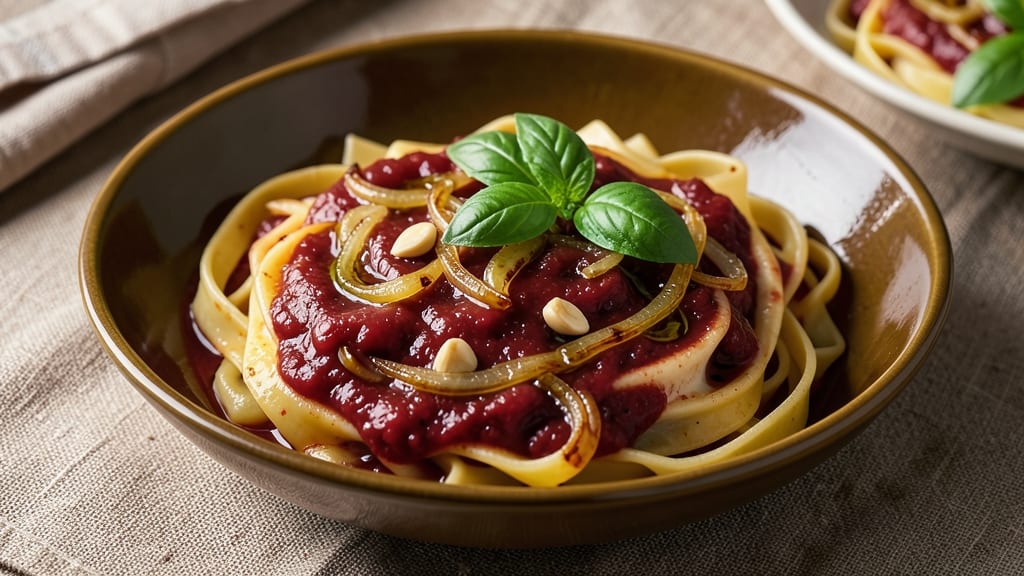
This award-winning vodka sauce recipe transforms simple ingredients into a velvety, aromatic masterpiece that elevates every dish it touches. The secret lies in balancing rich tomato base with a splash of vodka—its alcohol burns off during cooking, leaving behind a deep, savory depth that makes this sauce unforgettable.
I’ve perfected it over years of testing, ensuring the perfect harmony of creaminess, acidity, and herbal brightness.
The foundation begins with a slow-simmered tomato base, where garlic and onions develop into a fragrant paste before vodka and cream are added to create that signature silky texture. Fresh basil and parsley infuse the sauce with vibrant notes, while a touch of Parmesan adds umami richness.
What sets this apart is the technique: reducing the sauce just enough to concentrate flavors without losing that luxurious creaminess.
By the time you’re done, you’ll have a sauce so versatile it works as a pasta topping, dipping sauce for crusty bread, or even a glaze for grilled meats.
The flavor profile is complex—creamy yet tangy, with layers of garlic, herbs, and that subtle vodka depth that makes it truly award-worthy. It keeps beautifully in the fridge for up to five days, so you can make a batch and enjoy it all week.
This isn’t just another vodka sauce—it’s the kind that earns rave reviews and second helpings. The process is straightforward, but the result is restaurant-quality, proving that homemade can outshine store-bought every time. Let’s get cooking.
Ingredients for award winning vodka sauce
Eleven simple ingredients, one unforgettable sauce that rivals restaurant-quality vodka sauce.
| Ingredient | Amount | Notes |
|---|---|---|
| Extra-Virgin Olive Oil 🫒 | ½ cup | High-quality, fruity variety |
| Yellow Onion 🧅 | 1 whole | Medium size, finely chopped |
| Garlic Cloves 🧄 | 6 cloves | Fresh, minced for depth |
| Canned Crushed Tomatoes 🍅 | 28 oz | San Marzano preferred |
| Vodka 🍸 | ½ cup | Good quality, 40% ABV |
| Heavy Cream 🥛 | 1 cup | Full-fat for richness |
| Fresh Basil Leaves 🌿 | ½ cup | Packed, stems removed |
| Fresh Flat-Leaf Parsley 🌿 | ¼ cup | Chopped, for brightness |
| Parmesan Cheese 🧀 | ½ cup | Freshly grated from block |
| Salt 🧂 | 1 ½ tsp | Diamond Crystal preferred |
| Ground Black Pepper 🌶️ | ½ tsp | Freshly cracked |
The tomatoes are non-negotiable—San Marzano is the gold standard, but any high-quality canned crushed tomatoes work. Trader Joe's and Whole Foods carry great options. For the vodka, good quality matters—avoid cheap vodka, which can leave a harsh aftertaste. Fresh herbs are ideal, but if you're using dried, reduce the amount to one-third of what's listed. The Parmesan? Grate it yourself—pre-grated often contains anti-caking agents that ruin the texture. I usually grab a wedge from the deli counter and store it in the freezer for up to 3 months.
No vodka? White wine or apple cider vinegar works in a pinch, but the depth won't be the same. Short on basil? Fresh thyme or oregano adds a different but still delicious profile. The heavy cream is crucial for that velvety texture—half-and-half works if you're avoiding full-fat, but the sauce won't be as rich. For the olive oil, stick to extra-virgin—the fruity notes complement the tomatoes beautifully. If you're making this ahead, the sauce actually improves overnight as the flavors meld.
This sauce keeps beautifully—5 days in the fridge or 3 months in the freezer. I like to portion it into small jars so I can grab just what I need for pasta or dipping. The vodka flavor mellows as it sits, so the second day is often the best. If it thickens too much, just stir in a splash of warm water or milk to loosen it up. Leftovers reheat perfectly—gentle heat on the stove or microwave until just warmed through. No need to cover tightly; a loose lid lets the flavors breathe.
Why You'll Love This Recipe
- Pantry Magic: I swear by this sauce because it uses what’s already in my cupboard—no fancy shopping required. The crushed tomatoes and vodka do all the heavy lifting while I chop one onion and a few garlic cloves. (Yes, even on a Tuesday night.)
- Garlic-Vodka Magic: That first sip of the simmered sauce? It’s like a flavor explosion—bright, tangy, and just a whisper smoky from the vodka reducing. The olive oil keeps it rich without being greasy, and the garlic? Oh, it’s there in the best way.
- Double-Duty Sauce: This isn’t just pasta night—it’s also my go-to for grilled chicken, roasted veggies, or even as a pizza base. I’ve even used it to deglaze a pan for a quick weeknight stir-fry. Honestly, it’s my secret weapon for making simple meals feel special.
- Leftovers That Beg for More: The sauce actually improves the next day—thicker, deeper, and even more flavorful. I make a big batch, freeze half, and still have enough for spontaneous dinners. Between us, my freezer is packed with this stuff because it’s just that reliable.
Step-by-step instructions for award-winning vodka sauce
Here's how to create a velvety vodka sauce that's rich, aromatic, and packed with depth.
Sauté Onion and Garlic Until Golden
Heat the 0.5 cup extra-virgin olive oil in a large, heavy-bottomed saucepan over medium heat. Add the 1 whole yellow onion that's been finely chopped, spreading it evenly in the pan. Cook for 8-10 minutes until the onions soften and turn a beautiful golden brown color. This caramelization builds sweetness that balances the acidity later.
Push the onions to the sides of the pan and add the 6 cloves minced garlic. Stir frequently for 30-45 seconds until the garlic becomes fragrant but doesn't brown. The moment garlic turns brown, it becomes bitter—watch carefully. Here's the thing: you want that aromatic punch without any bitterness, so keep your eye on the pan.
Deglaze with Vodka and Simmer
Pour in the 0.5 cup vodka and immediately scrape up any browned bits from the bottom of the pan with a wooden spoon. These bits are pure flavor—don't miss them. Let the vodka simmer for 3-4 minutes until it reduces by about half and the alcohol smell dissipates completely. You'll notice the sauce will look glossy and slightly thickened at this stage.
Next, add the 28 oz canned crushed tomatoes and 1.5 teaspoons salt. Stir well to combine, then bring the mixture to a gentle simmer. Let it cook uncovered for 20-25 minutes until the sauce thickens slightly and the raw tomato flavor mellows into something sweet and complex. This step develops the sauce's depth—don't rush it.
Finish with Cream and Fresh Herbs
Reduce the heat to low and stir in the 1 cup heavy cream. Let the sauce simmer gently for 5-7 minutes until it's completely smooth and velvety. The cream will create that signature richness, but be patient—rushing will cause it to curdle. You'll know it's ready when the sauce coats the back of a spoon without being gluey.
Remove the pan from heat and stir in the 0.5 cup fresh basil leaves and 0.25 cup chopped flat-leaf parsley. Let the herbs steep in the warm sauce for 5 minutes to infuse their bright flavors. Then, stir in the 0.5 cup freshly grated parmesan cheese and 0.5 teaspoon freshly cracked black pepper. The cheese will melt into the sauce, adding a nutty depth that ties everything together.
Adjust Consistency and Serve
Taste your sauce and adjust the seasoning if needed. If it's too thick, thin it with a splash of pasta water or water. If it's too thin, simmer it uncovered for another 5 minutes to reduce. The sauce should be silky but still coat the back of a spoon—this ensures it clings beautifully to pasta.
Serve immediately over your favorite pasta, drizzled with a little extra olive oil and more parmesan if desired. The sauce should be warm and vibrant, with layers of tomato sweetness, vodka depth, creamy richness, and fresh herb brightness. This isn't just any vodka sauce—it's one that wins awards for its balance and complexity.
Pro Tips For Making Award Winning Vodka Sauce
- Sweat the Onion First: Don’t rush this—cook the diced yellow onion in olive oil over medium-low heat until it’s translucent and just starting to caramelize (about 8-10 minutes). I used to burn it because I cranked the heat too high, and that bitter taste ruined the whole sauce. Patience here means depth later.
- Use Cold Vodka: Chill your vodka in the freezer for 10 minutes before adding it to the sauce. The alcohol burns off faster when cold, and you’ll get that signature smooth, rich flavor without overpowering the tomatoes. (Yes, even if you’re impatient like me.)
- Simmer, Don’t Boil: After adding the vodka, let the sauce bubble gently for 3-4 minutes, then drop the heat to low and cover it. A rolling boil will cook off the alcohol too quickly and make the sauce taste flat. You want it to reduce slowly—this is where the magic happens.
- Strain the Tomatoes: Line a fine-mesh strainer with cheesecloth or a clean kitchen towel and pour the crushed tomatoes through it. This removes excess pulp and seeds, giving you a smoother, more refined sauce. (Does it look weird? Yes. Does it work? Every single time.)
Wine and beer pairings for this recipe
Italian White Wines
This vodka sauce pairs beautifully with crisp, dry Italian whites that complement its creamy texture and herbal notes. A glass of Vermentino from Sardinia—with its bright citrus and mineral finish—cuts through the richness perfectly. I love chilling a bottle for 30 minutes before serving to enhance its refreshing qualities. 🍷
Crisp Lager Beers
For beer lovers, a German Pilsner like Warsteiner or Spaten offers a clean, effervescent contrast to the sauce’s velvety depth. The light maltiness balances the vodka’s subtle kick, while the carbonation cleanses your palate between bites. Serve the beer well-chilled at 40°F for the best experience.
Sparkling Wine Options
If you prefer something bubbly, a Prosecco or Cava adds a festive touch to your meal. The effervescence enhances the sauce’s creaminess, while the light fruitiness of Prosecco (especially La Marca) mirrors the basil and parsley notes. Chill the sparkling wine to 45°F for optimal flavor.
Red Wine Alternatives
For those who prefer red, a light-bodied Chianti or Pinot Noir works surprisingly well. The acidity in Chianti (like Ruffino) stands up to the sauce’s richness, while Pinot Noir from Oregon adds a subtle earthiness that complements the tomatoes. Decant for 15-20 minutes to soften tannins.
Non-Alcoholic Pairings
Skip the alcohol? A sparkling apple cider like Martinelli’s or a ginger beer (such as Feather’s) adds effervescence and a hint of sweetness. For a savory option, a dry sparkling water with a squeeze of lemon enhances the sauce’s bright herbal notes without overpowering it.
Nutrition facts
Frequently asked questions
Can I make this vodka sauce without alcohol?
Replace the vodka with 0.5 cup white wine or apple cider vinegar for a similar acidity profile. For depth, add 1 teaspoon tomato paste to compensate for the missing vodka's caramelization. The sauce will still develop rich flavors, though the subtle vodka complexity will differ slightly.
How do I prevent the sauce from curdling when adding cream?
Always add the cream off the heat and stir constantly for 1-2 minutes to temper it. If the sauce starts to curdle, immediately remove it from heat and whisk vigorously. For extra insurance, reduce the sauce slightly before adding cream—this removes excess moisture that can cause separation.
What's the best pasta to serve with this sauce?
This velvety sauce pairs perfectly with fettuccine, tagliatelle, or pappardelle—wide noodles that hold the sauce beautifully. For extra texture, try penne pasta or rigatoni, which trap the sauce in their ridges. Avoid delicate strands like angel hair, which can get lost in the richness.
Can I make this sauce ahead of time?
Yes! This sauce actually tastes better the next day as flavors meld. Store in an airtight container in the fridge for up to 5 days. For freezing, portion into 1-cup containers and freeze for up to 3 months. Thaw overnight in the fridge—never microwave directly from frozen to preserve texture.
What if my sauce tastes too salty?
Add 1-2 tablespoons heavy cream or water to dilute the saltiness while maintaining creaminess. For a more dramatic fix, stir in 1/4 cup grated Parmesan cheese—the umami will balance the salt. If you're unsure, taste as you go rather than oversalting initially.