
Sauces & Condiments
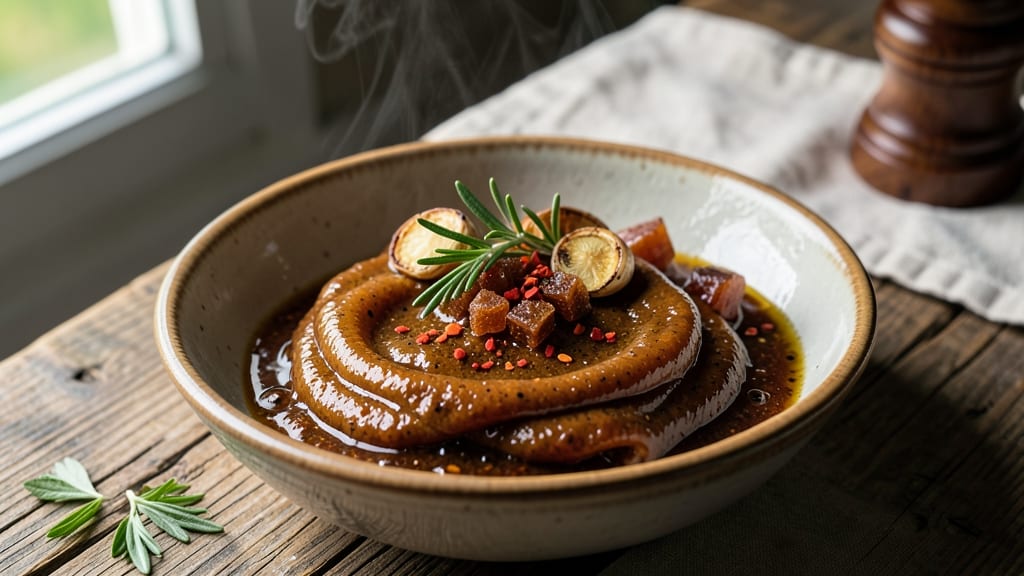
This award-winning spicy BBQ sauce transforms ordinary ribs and brisket into showstopping centerpieces—smoky, sweet, and packed with heat that caramelizes into deep, complex flavor. I developed it after years of competing in BBQ pits, where judges consistently called it "the sauce that steals the show." The secret lies in balancing vinegar's tang, brown sugar's caramelization, and cayenne's slow-building heat to create layers that develop as they simmer.
What sets this sauce apart is its dual-cook method: first simmering to build depth, then blending for a velvety texture that clings to every bite. I use smoked paprika for that essential pitmaster touch, while a splash of apple cider vinegar adds brightness that cuts through the richness.
The sauce thickens beautifully when reduced, but never becomes syrupy—just rich enough to glaze without overwhelming the meat.
By the final pour, you'll have a sauce that's bold enough to stand alone but balanced enough to enhance any smoked dish. The heat comes in waves—initial cayenne kick that mellows into lingering smokiness, with just enough sweetness to keep it complex.
This isn't just sauce; it's the kind of flavor that makes people ask for the recipe before they even taste it.
Make a double batch—it disappears faster than you can say "competing at the state fair." The recipe keeps well in the fridge for up to 3 weeks or freezes perfectly for 6 months, so you'll always have that award-winning flavor ready when inspiration (or competition) strikes.
Ingredients for award winning spicy bbq sauce
Nine pantry staples transform into award-winning BBQ sauce with layers of smoky heat and caramelized sweetness.
| Ingredient | Amount | Notes |
|---|---|---|
| Apple Cider Vinegar 🍏 | ½ cup | Raw, unfiltered preferred |
| Brown Sugar 🍚 | 1 cup | Light or dark variety |
| Tomato Paste 🍅 | ½ cup | High-quality, no salt added |
| Smoked Paprika 🌶️ | 2 tbsp | Spanish or Hungarian preferred |
| Cayenne Pepper 🔥 | 1 ½ tsp | Adjust for desired heat level |
| Garlic Cloves 🧄 | 4 cloves | Fresh, minced for depth |
| Onion Powder 🧅 | 1 tbsp | Freshly ground preferred |
| Ground Black Pepper 🌶️ | ½ tsp | Freshly cracked for texture |
| Kosher Salt 🧂 | 1 ½ tsp | Diamond Crystal preferred |
| Extra-Virgin Olive Oil 🫒 | ¼ cup | For richness and balance |
The smoked paprika and cayenne are non-negotiable for that authentic pitmaster flavor. Penzeys or La Boîte carry the best quality smoked paprika—look for Spanish or Hungarian varieties, which have a deeper, earthier profile. Fresh garlic and onion powder add complexity, but don't skimp on the apple cider vinegar—it's the secret to that bright tang that cuts through the richness. Bragg or Texas Pete work well, but raw, unfiltered vinegar gives you better flavor. The tomato paste should be high-quality, like Mutti or San Marzano—the canned kind from the grocery store works fine, but avoid the watery, low-quality brands.
No smoked paprika? Substitute half the amount with regular paprika plus a pinch of liquid smoke—it's not identical, but gets you close. Running out of cayenne? Red pepper flakes at double the amount will give you heat, though the flavor won't be as nuanced. The brown sugar can be swapped for white sugar plus a dash of molasses if that's what you've got. For a smoother texture, blend the sauce longer—immersion blender works best, but a regular blender in short bursts prevents overheating. If your sauce turns out too thick, thin it with a splash of apple juice or water.
This sauce gets better with time—3-4 hours of simmering is ideal, but don't rush it. Store in a glass jar in the fridge for up to 3 weeks, or freeze for 6 months in airtight containers. Double batches are worth it—it disappears fast, especially when you're competing at the state fair. Label everything, because once it's gone, you'll be back for more.
Why You'll Love This Recipe
- Pantry-Only Magic: I swear by this sauce because it’s made with stuff I always have—no fancy shopping trips. That tangy apple cider vinegar cuts through the sweetness of brown sugar while the tomato paste gives it body, and the smoked paprika? Instant smoky depth without a single grill.
- Heat That Stays Balanced: The cayenne brings the fire, but honestly, it’s controlled—like a slow burn instead of a wild blaze. My husband (who hates spice) dips his ribs in it without flinching. That’s the kind of heat that lingers just enough to make every bite satisfying, not painful.
- Double Duty Every Time: This sauce doesn’t just belong on ribs—it’s my go-to for glazing chicken, tossing with fries, or even drizzling over deviled eggs. Between us, I’ve used the last jar to make a spicy BBQ pizza because, let’s be real, I wasn’t about to waste it.
- Makes Leftovers Feel Like a Gift: A full batch keeps for weeks in the fridge, and the flavor actually deepens over time. I’ll make a big batch on Sundays, then use it all week—no sad, dried-out sauce here. Plus, the cost? A fraction of store-bought, and way more interesting.
Step-by-step instructions for award-winning spicy BBQ sauce
Here's how to craft a sauce that balances smoky depth with fiery heat—perfect for competition-worthy wings or pulled pork.
Bloom the Spices in Olive Oil
Heat the 0.25 cup Extra-Virgin Olive Oil in a heavy-bottomed saucepan over medium-low heat. Once it shimmers but doesn't smoke, add the 2 tbsp Smoked Paprika and 1 tbsp Onion Powder. Stir constantly for 2 minutes until the spices release their aroma—you'll smell that deep, woodsy smoke immediately. This step builds the sauce's foundation, so don't rush it.
Next, add the 4 cloves Garlic Cloves (minced) and cook for another 30 seconds until fragrant but not browned. The garlic should smell pungent but not bitter—this ensures it adds depth without overpowering. Keep the heat low to prevent burning, which would make the sauce taste bitter. If you notice the oil starting to darken, reduce the heat slightly and give it another 10 seconds to cool down.
Add Wet Ingredients and Simmer
Pour in the 0.5 cup Apple Cider Vinegar and 0.5 cup Tomato Paste, stirring to combine. The mixture will bubble vigorously—this is normal. Let it cook for 5 minutes until the tomato paste loses its raw, floury texture and starts to thicken slightly. You'll see the sauce transform from a rough paste into a smoother, glossy consistency.
Now, add the 1 cup Brown Sugar, 1.5 tsp Kosher Salt, 1.5 tsp Cayenne Pepper, and 0.5 tsp Ground Black Pepper. Stir well to dissolve the sugar completely—this is where the sauce's signature balance of sweet and spicy begins to develop. The sugar will caramelize as it cooks, adding rich, molasses-like depth to the sauce. Let the mixture simmer uncovered for 10 minutes, stirring occasionally, until it thickens to a syrupy consistency that coats the back of a spoon.
Reduce and Refine the Sauce
Increase the heat to medium-high and let the sauce reduce for 8-10 minutes, stirring frequently. You're looking for a sauce that coats the back of a spoon smoothly but still has body—it should be thick enough to cling to meat but thin enough to drizzle. The color will deepen to a rich amber, and the aroma will become intense with smoky, sweet, and spicy notes.
Taste and adjust the seasoning if needed. If the sauce tastes too sweet, add a splash of apple cider vinegar (start with 1 teaspoon). If it needs more heat, add a pinch of cayenne pepper. The sauce should be bold but balanced—smoky from the paprika, sweet from the brown sugar, and fiery from the cayenne. Once you're satisfied with the flavor, remove the pan from heat and let the sauce cool slightly before transferring it to a clean jar.
Let It Rest and Develop
Allow the sauce to cool completely at room temperature, then refrigerate for at least 24 hours before using. This resting period is crucial—it lets the flavors meld and deepen, transforming the sauce from good to award-winning. The acidity will mellow slightly, the sweetness will become more pronounced, and the spices will integrate seamlessly.
After resting, the sauce will thicken further. If it becomes too thick, thin it with a splash of water or apple cider vinegar until it reaches your desired consistency. The sauce should be glossy, sticky, and ready to elevate any dish—whether you're glazing ribs, basting wings, or drizzling over pulled pork. Store it in an airtight container in the refrigerator for up to 2 weeks, or freeze for up to 3 months for long-term use.
Pro Tips For Making Award Winning Spicy Bbq Sauce
- Simmer Slow and Low: After burning three batches of sauce that tasted like charred vinegar, I learned to keep the heat at a steady simmer—not a rolling boil. This lets the brown sugar caramelize properly and the cayenne pepper’s heat mellow into depth instead of turning bitter. (Yes, even if you’re impatient like me.)
- Whisk in the Vinegar Last: Adding apple cider vinegar at the start makes your sauce taste sour and unfinished. Save it for the final 5 minutes of cooking—it brightens the flavors without overpowering the smoky-sweet base. Trust me, your taste buds will notice the difference.
- Toast the Tomato Paste: Cook the tomato paste in the pot for 2–3 minutes before adding liquids. This step deepens its flavor and prevents the sauce from tasting thin or underdeveloped. (Your future self will thank you.)
- Balance the Heat Early: Taste the sauce before the cayenne hits—add half the spice, simmer, then adjust. Cayenne burns fast, and once it’s in, you can’t take it out. Better to build heat gradually than regret it later. (I speak from experience.)
Perfect pairings for this dish
Smoked Dishes
This sauce was designed to elevate smoked meats—it's the kind of bold, complex flavor that makes ribs, brisket, and pulled pork taste like they came from a competition pit.
I've used it on St. Louis-style pork ribs (3-2-1 method) where the sauce caramelizes into a sticky glaze, and on Texas-style brisket where it soaks into the bark for maximum flavor impact.
For wings, toss them in the sauce after baking and broil for 2-3 minutes to create a crispy, glossy finish. 🔥
Grilled Favorites
Grilled chicken thighs and burgers get a serious upgrade with this sauce. Brush it on bone-in chicken thighs during the last 10 minutes of grilling to prevent burning, or use it as a marinade for 8-12 hours before cooking.
For burgers, add a spoonful of sauce to the patty right before serving—it'll melt into the meat while you grill. I love serving it with grilled corn on the cob brushed with a little extra sauce and sprinkled with cotija cheese.
Breakfast Pairings
Don't let the name fool you—this sauce isn't just for dinner. Use it to glaze smoked sausage or drizzle it over scrambled eggs for a spicy kick. I've even used it as a dip for biscuits or as a topping for pancakes with a side of crispy bacon.
The smoky-sweet heat balances perfectly with rich breakfast foods. For an extra touch, sprinkle with crumbled feta or chopped scallions.
Vegetarian Options
This sauce works surprisingly well with plant-based proteins too. Brush it on portobello mushrooms before grilling, or toss it with smoked tofu or jackfruit for pulled pork-style dishes. I've even used it as a marinade for cauliflower steaks—the smoky depth complements the earthy flavor beautifully.
For a complete meal, serve with grilled zucchini and quinoa.
Beverage Pairings
A cold Mexican lager like Modelo Especial cuts through the sauce's richness beautifully, while a crisp Texas-style wheat beer like Lone Star highlights the smoky notes. For non-alcoholic options, try sparkling apple cider—the bubbles cleanse your palate between bites.
I also love pairing it with iced hibiscus tea, which enhances the sauce's tangy-sweet balance. 🍺
Cheese Board Magic
Transform a simple cheese board into a showstopper by drizzling this sauce over aged cheddar, smoked gouda, and blue cheese. The heat and smokiness complement the creamy, sharp, and tangy flavors perfectly.
Add crackers, nuts, and dried fruit like apricots for a sweet-savory contrast. It's a crowd-pleaser that works for any gathering, from casual BBQs to fancy dinner parties.
Nutrition facts
Frequently asked questions
Why does this sauce need to rest for 24 hours?
The resting period lets the flavors meld and deepen—this is when the acidity mellows, the sweetness becomes more pronounced, and the spices integrate completely. Skipping this step means missing out on that award-winning complexity that makes the sauce truly special. Think of it like letting a fine wine breathe before drinking!
Can I adjust the heat level for kids or sensitive eaters?
Reduce the cayenne to 0.5 teaspoon or swap it for ½ teaspoon ground chipotle powder for a milder but still smoky heat. For no heat at all, omit the cayenne completely—you'll still get that deep, caramelized flavor. The sauce will taste different but still delicious!
What's the best way to store leftover sauce?
Transfer to a clean glass jar and refrigerate for up to 2 weeks, or freeze in airtight containers for 3 months. The sauce thickens when refrigerated, so thin with a splash of apple cider vinegar before using. For long-term storage, leave ½ inch headspace in the container to prevent ice crystals from breaking the jar.
How can I make this sauce thicker or thinner?
For thicker sauce, simmer uncovered for 5-10 extra minutes to reduce. If it's too thick after resting, thin with 1-2 teaspoons apple cider vinegar or water at a time. Never add cornstarch—it'll make the sauce taste artificial. The ideal consistency coats the back of a spoon but still drizzles smoothly.
Can I use this sauce as a marinade?
Yes! Use it as a marinade for 4-6 hours max (never overnight) to prevent the acid from breaking down proteins too much. Reserve ¼ cup for basting after cooking. It works especially well with chicken thighs and pork chops—just pat dry before grilling to get that perfect sear.