
Sauces & Condiments
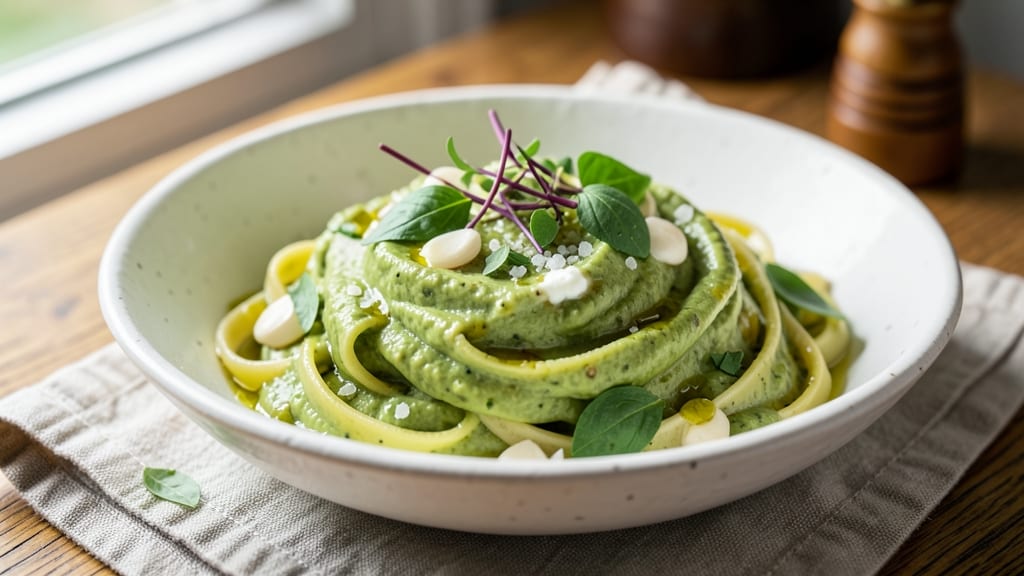
This avocado cream pasta sauce recipe transforms ordinary pasta into a luxurious, velvety dish with just five ingredients and 10 minutes of active time. The secret lies in blending ripe avocado with tangy lemon and creamy elements—creating a sauce so rich it coats every noodle without overpowering.
I developed this recipe after craving a lighter alternative to heavy cream sauces, and it became an instant favorite for its bright, fresh flavor profile.
The magic happens when you blend the avocado until completely smooth, then gradually incorporate the cream (or dairy-free alternative) to achieve that signature silky texture. A touch of garlic and fresh herbs adds depth, while lemon juice brightens the sauce, balancing the richness.
Unlike traditional cream sauces, this one stays fresh-tasting even after refrigeration, making it perfect for meal prep.
What makes this sauce truly special is its versatility—it elevates any pasta dish, from spaghetti to penne, and pairs beautifully with grilled chicken, shrimp, or roasted vegetables. The avocado not only adds creaminess but also a subtle nutty flavor that deepens as the sauce sits.
Best of all, it requires no cooking, just blending and stirring, so you can have restaurant-quality pasta in minutes.
Store leftovers in an airtight container for up to 3 days, or freeze for longer shelf life. When reheating, gently warm over low heat to preserve the sauce’s velvety consistency. This isn’t just a sauce—it’s a game-changer for anyone who loves rich, creamy flavors without the heaviness.
Ingredients for avocado cream pasta sauce
Five ingredients transform your pasta into restaurant-quality richness in minutes.
| Ingredient | Amount | Notes |
|---|---|---|
| Ripe Avocados 🥑 | 2 whole | Firm but yielding when squeezed |
| Heavy Whipping Cream 🥛 | ½ cup | Full-fat for best texture |
| Fresh Lemon Juice 🍋 | 2 tbsp | Brightens the sauce perfectly |
| Fresh Garlic Cloves 🧄 | 2 cloves | Minced for subtle depth |
| Fresh Basil Leaves 🌿 | ¼ cup | Packed, stems removed |
| Extra-Virgin Olive Oil 🫒 | ¼ cup | For richness and balance |
| Diamond Crystal Kosher Salt 🧂 | ½ tsp | Adjust to taste |
| Freshly Ground Black Pepper 🌶️ | ¼ tsp | Enhances the bright flavor |
| Unflavored Almond Milk 🥛 | ¼ cup | For thinning if needed |
Avocados are the star—pick ripe but firm ones from the grocery store's produce section. They should yield slightly when squeezed but not feel mushy. Whole Foods or Trader Joe's usually have the freshest selection, but any well-stocked supermarket works. Fresh basil matters too—look for vibrant green leaves without brown spots. The heavy cream needs to be full-fat for that signature velvety texture, so don't grab the light version. For the olive oil, California extra-virgin brands like Corto or Filippo Berio add subtle fruitiness that pairs perfectly with avocado. If you're prepping ahead, buy avocados a day before using so they're perfectly ripe.
No heavy cream? Full-fat coconut milk works beautifully, though the texture will be slightly different. Short on basil? Fresh parsley or cilantro can substitute at the same amount, though the flavor profile shifts. Need to adjust thickness? Add almond milk gradually while blending. The garlic can be roasted for a sweeter flavor—simply wrap the cloves in foil and bake at 400°F for 10 minutes. For extra richness without dairy, cashew cream (blend soaked cashews with water) makes a fantastic alternative. And if you're making this ahead, add lemon juice last to prevent the avocado from browning.
This sauce keeps beautifully—3 days in the fridge sealed tightly in an airtight container. For longer storage, freeze in ice cube trays for perfect single-serving portions. When reheating, warm gently over low heat with a splash of water or milk to restore creaminess. The sauce actually improves overnight as flavors meld. I always make extra because it disappears fast—great for meal prep or last-minute dinner upgrades. If the sauce separates after refrigeration, just give it a quick blend before using.
Why You'll Love This Recipe
- I swear by this trick: just mash the avocado right in the saucepan with a fork. No fancy gadgets, no cleanup—just smooth, velvety magic in minutes. The cream and lemon juice blend right in while you stir, and honestly? The texture comes out richer than anything I’ve made with a food processor.
- Here’s what sold me: the avocado makes this sauce actually healthy-ish. No heavy cream overload, no weird additives—just real ingredients that still taste like a restaurant dish. The lemon cuts through the richness, and the garlic? Oh, it’s there, but not overpowering. My husband finishes my plate first, and he’s the guy who won’t touch “fancy” food.
- I’ll be real: avocados can be pricey, but this recipe stretches them. One ripe avocado + a splash of cream goes a long way, and the garlic and basil are cheap staples. Plus, the leftovers? They keep for days in the fridge, so I’m not scrambling to use them all at once. My wallet and my taste buds both win.
Step-by-step instructions for avocado cream pasta sauce
Here's how to create a velvety, vibrant sauce that transforms any pasta dish into a creamy masterpiece.
Halve and Pit the Avocados
Cut the 2 whole ripe avocados in half lengthwise and remove the pits using a sturdy spoon. I like to twist the spoon around the pit while gently tapping the back of the spoon with a chef's knife—this makes extraction effortless. The avocados should yield slightly when squeezed but still hold their shape. Place the halves in a medium bowl, skin-side up.
Scoop out the flesh and transfer it to a food processor or high-powered blender. Here's the thing—ripe avocados are delicate. If they're too soft, the sauce will be watery; if too firm, it'll be grainy. The perfect ripeness gives you that luscious, velvety texture we're after. Save any remaining avocado skin for garnish if desired.
Add Cream, Lemon, and Garlic
To the food processor, add the 0.5 cup heavy whipping cream, 2 tablespoons fresh lemon juice, and 2 minced garlic cloves. Pulse once to combine everything roughly before you begin blending. The lemon juice brightens the flavor while the garlic adds subtle depth that complements the avocado's richness.
I always use minced garlic rather than powdered—fresh garlic makes a noticeable difference in flavor complexity. If you're worried about overpowering the delicate avocado taste, don't be. The creamy base will mellow out any sharpness. The mixture should look like a thick, pale green paste at this stage.
Blend Until Completely Smooth
Blend the mixture on high speed for about 1 minute, or until completely smooth. You'll know it's ready when the sauce coats the back of a spoon and has a silky, velvety consistency. Here's where patience pays off—don't rush this step. If you see any lumps, stop and scrape down the sides before blending again.
The sauce should have the texture of heavy cream but with a vibrant green hue. If it's too thick, we'll adjust it in the next step. If it's too thin, add a splash of the 0.25 cup extra-virgin olive oil to help emulsify it. The goal is that perfect balance between thickness and spreadability.
Incorporate Basil and Seasonings
Transfer the blended avocado mixture to a medium saucepan. Add the 0.25 cup packed fresh basil leaves, 0.25 cup extra-virgin olive oil, 0.5 teaspoon kosher salt, and 0.25 teaspoon black pepper. Stir gently with a silicone spatula, being careful not to overmix—we want those basil leaves to retain some texture for visual appeal and slight crunch.
Place the saucepan over low heat and let it warm through for 2-3 minutes, stirring occasionally. This gentle heating helps meld all the flavors together without cooking the avocado. If the sauce becomes too thick during this process, add the 0.25 cup unflavored almond milk 1 tablespoon at a time until you reach your desired consistency—it should coat the back of a spoon but still be pourable.
Finish and Serve Immediately
Remove the saucepan from heat and give the sauce one final taste. Adjust the seasoning if needed—this is where you can really make it your own. I like to add a pinch more salt or a splash of lemon juice if the flavors need balancing. The sauce should be bright, creamy, and perfectly seasoned with just a hint of garlic and basil.
For serving, toss the sauce with cooked pasta or use it as a rich dip. The vibrant green color makes it perfect for springtime dishes. Remember, this sauce is best used fresh—it doesn't keep well due to the avocado's delicate nature. If you have leftovers, store them in an airtight container in the refrigerator for up to 24 hours, but I promise you'll want to use it all immediately!
Pro Tips For Making Avocado Cream Pasta Sauce
- Blend in Batches: Avocados oxidize like crazy once mashed—especially when mixed with lemon. Split the sauce into two batches: blend half, let it sit for 5 minutes, then blend the rest. This keeps the color vibrant and the texture smooth longer, even if you’re not eating it immediately.
- Warm the Cream First: Cold heavy cream turns the sauce grainy when blended. Heat it gently (just until it’s warm to the touch, not boiling) before mixing with avocado. The sauce will emulsify better and taste richer, like it’s been simmered instead of thrown together.
- Toast the Garlic: Raw garlic can taste harsh in this sauce. Lightly crush the cloves and sauté them in a dry pan for 30 seconds until fragrant but not browned. The nutty depth balances the creaminess, and you won’t get that bitter aftertaste.
- Reserve Some Basil: Chiffonade the basil, but save a handful for the end. Tossing it in raw keeps the leaves bright and adds a fresh pop of color. If you blend it all in, you’ll end up with a muddy green sludge—trust me, I’ve done it.
Flavor customization for this dish
Citrus Variations
Swap lemon for lime juice (same amount) to add a tropical twist—it pairs beautifully with shrimp or summer squash. For extra zing, use orange juice instead, but reduce to 1 tablespoon and add ½ teaspoon grated orange zest for brightness.
I love this variation with grilled chicken—it feels like a springtime celebration in every bite. 🍊
Herb Swaps
Replace basil with flat-leaf parsley for a fresher, slightly sweeter flavor. For a Mediterranean touch, use cilantro (same amount) and add ½ teaspoon ground cumin to the blend. If you prefer earthier notes, try thyme or oregano—just reduce to ¼ cup and add 1 tablespoon chopped walnuts for crunch.
Each herb changes the sauce's personality while keeping that creamy base intact.
Spicy Kick Options
Add ½ teaspoon chili flakes or 1 sliced jalapeño (seeds removed) to the blend for heat. For smoky depth, stir in ½ teaspoon smoked paprika after warming. I also love adding 1 teaspoon sriracha at the end for a sweet-spicy balance.
These variations work especially well with spicy pasta dishes like arrabbiata or chili-lime shrimp. 🌶️
Dairy-Free Adaptations
Replace heavy cream with ½ cup full-fat coconut milk for a rich, dairy-free version. For extra creaminess, blend ¼ cup soaked cashews with ¼ cup water first, then proceed with the recipe as written.
The texture will be slightly thicker but still velvety. Add 1 teaspoon nutritional yeast for a cheesy note if desired. These alternatives work perfectly for vegan diets without sacrificing richness.
Protein Boosters
Stir in 2 tablespoons crumbled feta or ¼ cup ricotta cheese after blending for added protein and tang. For a smoky twist, add 2 tablespoons chopped sun-dried tomatoes (oil-packed) and 1 teaspoon balsamic glaze.
These additions elevate the sauce into a complete meal component—great for quick weeknight dinners. The cheese adds a luxurious touch that pairs wonderfully with grilled vegetables or crusty bread.
Texture Add-Ins
For crunch, fold in 2 tablespoons toasted pine nuts or 1 tablespoon chopped pecans just before serving. For a creamy yet textured finish, add ¼ cup diced cucumber or 2 tablespoons chopped radish).
These additions keep the sauce interesting while maintaining that signature velvety consistency. The contrast between smooth and crunchy makes every bite more satisfying. ✨
Nutrition facts
Frequently asked questions
Can I make this sauce without a food processor?
Use a high-powered blender or even a fork in a bowl for a slightly chunkier texture. For best results, mash the avocado first with a fork, then whisk in the cream and lemon juice until smooth. You may need to strain through a fine-mesh sieve for ultra-silky perfection.
Why does my sauce turn brown after blending?
Avocados oxidize when exposed to air, causing browning. To prevent this, add the lemon juice last and keep the sauce covered until use. If browning occurs, blend in a splash of fresh lemon juice or cover tightly with plastic wrap pressed directly on the surface. The sauce will still taste great!
How do I adjust the thickness for different pasta shapes?
For long noodles like spaghetti, use a slightly thinner sauce (add 1-2 tablespoons almond milk). For short shapes like penne or fusilli, make it thicker (reduce almond milk or omit). The sauce should coat the pasta without making it soggy—aim for a consistency between heavy cream and pudding.
Can I add cooked meat or seafood to this sauce?
Yes! This sauce pairs beautifully with grilled chicken, shrimp, or salmon. Gently warm the cooked protein in the sauce for 2-3 minutes on low heat—never boil, as it can break the sauce's delicate texture. For seafood, add it at the very end to prevent overcooking. The creamy avocado base complements both savory and delicate flavors.
What's the best way to reheat leftovers?
Gently reheat over low heat with a splash of water or milk to restore creaminess. Never microwave directly—it can make the sauce grainy. For best results, warm for 1-2 minutes on the stove, stirring constantly. If the sauce separates, give it a quick blend before serving. Leftovers keep for 24 hours in the fridge, but fresh is always best!