
Sauces & Condiments
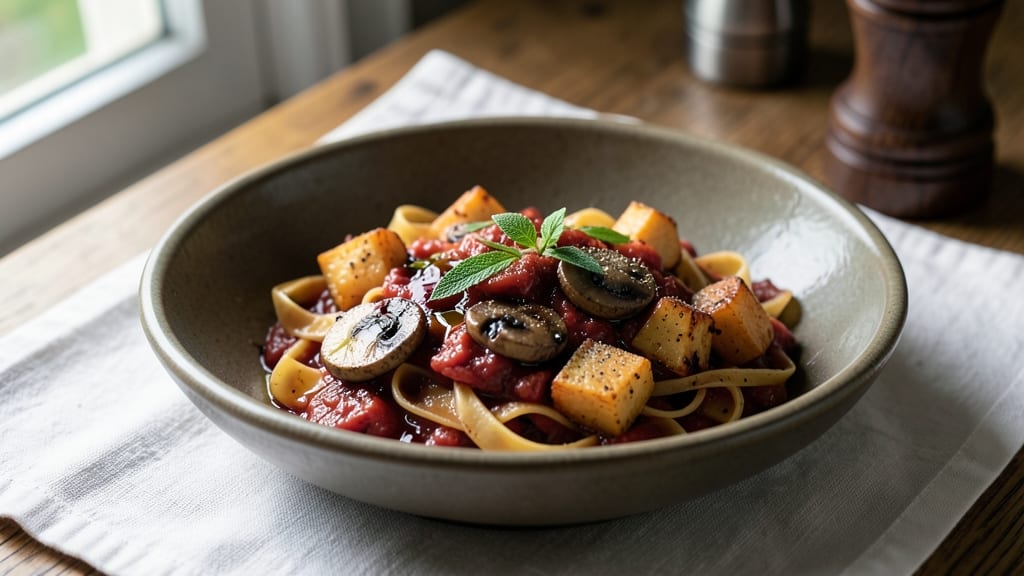
This autumn pasta sauce recipe transforms simple ingredients into velvety richness that feels like a warm embrace on a crisp fall evening. The secret lies in roasting butternut squash and mushrooms until caramelized, then blending them with tomatoes, sage, and a whisper of nutmeg for depth.
Every spoonful delivers layers of savory-sweet complexity that clings perfectly to pasta.
The sauce begins with a simple technique: roasting seasonal vegetables until their natural sugars concentrate into caramelized sweetness. A splash of red wine adds depth, while fresh sage and a pinch of nutmeg bring that cozy autumn warmth.
Unlike store-bought versions, this sauce develops richer flavor the longer it simmers, making it ideal for meal prep.
What you'll end up with is a silky, aromatic sauce that coats pasta beautifully—deep red with golden flecks of roasted vegetables and herbs. The texture is velvety yet balanced, with just enough acidity from the tomatoes to cut through the richness.
It's the kind of sauce that makes even the simplest pasta dish feel like a restaurant-worthy meal.
Perfect for tossing with penne, rigatoni, or even as a hearty dip for crusty bread. The flavors only improve overnight, so make extra for leftovers. Here's how to create this autumnal masterpiece in your kitchen.
Ingredients for autumn pasta sauce
Ten ingredients transform into velvety autumn richness that elevates any pasta dish.
| Ingredient | Amount | Notes |
|---|---|---|
| Butternut Squash 🎃 | 1 ½ lb | Cubed, peeled, and roasted |
| White Button Mushrooms 🍄 | 1 lb | Sliced, stems removed |
| San Marzano Tomatoes 🍅 | 1 can | 28 oz can, crushed by hand |
| Red Wine 🍷 | ½ cup | Bold dry variety like Cabernet |
| Fresh Sage Leaves 🌿 | ½ cup | Chopped, stems removed |
| Extra-Virgin Olive Oil 🫒 | ½ cup | High quality, fruity |
| Shallots 🧅 | 2 whole | Minced, finely chopped |
| Ground Nutmeg 🌶️ | ¼ tsp | Freshly grated preferred |
| Vegetable Broth 💧 | 1 cup | Low sodium preferred |
| Garlic Cloves 🧄 | 4 cloves | Peeled, minced |
The butternut squash and mushrooms form the sauce's velvety heart—roast them until deeply caramelized for concentrated sweetness. Whole Foods or local farmers markets often carry the sweetest varieties, especially in fall. For mushrooms, cremini or oyster mushrooms add even more umami depth. The San Marzano tomatoes are non-negotiable—their sweetness and acid balance make all the difference. If you can't find them, any high-quality crushed tomatoes will work, but you'll notice the difference in flavor complexity.
No red wine? Substitute with additional vegetable broth, though you'll lose some depth. Fresh sage is ideal, but dried sage at one-third the amount works in a pinch. The shallots add subtle sweetness—skip them if you prefer a more tomato-forward sauce. For extra richness, add 1 tbsp of unsalted butter during the final simmer. The nutmeg should be freshly grated—pre-ground loses potency quickly. If you're making this ahead, reduce the nutmeg slightly as flavors intensify during storage.
This sauce develops beautifully over time—make a double batch for leftovers. Store in an airtight container in the fridge for up to 5 days, or freeze for 3 months. The texture becomes even silkier after reheating. For meal prep, portion into glass jars—they're microwave-safe and keep flavors vibrant longer. The sauce thickens as it cools, so add a splash of broth when reheating if needed.
Why You'll Love This Recipe
- One-Pot Magic: I swear by this recipe—just roast the squash and mushrooms together, then toss everything into the same pan. No extra dishes, no stress, and honestly? The flavors meld even better when they simmer side by side.
- Rich Without Effort: That red wine and San Marzano tomatoes? They do all the heavy lifting—deep, earthy, and just sweet enough. The sage leaves add a bright herbal note that makes it taste like you spent hours simmering, not 25 minutes.
- Weeknight to Dinner Party: Between us, this sauce works for takeout night and when you’re hosting. Pasta for the kids, crusty bread for guests—it’s the same sauce, just different vessels. My roommates now call it my “no-fuss flex dish.”
- Leftovers That Don’t Suck: I make double batches because reheating this is a dream. The squash stays tender, the mushrooms don’t turn to mush, and the wine flavor actually deepens overnight. (Yes, even on a Tuesday night.)
Step-by-step instructions for autumn pasta sauce
This velvety sauce builds through careful layering—start with roasted squash for depth, then develop rich tomato-sage flavors that meld perfectly with al dente pasta.
Roast the Butternut Squash for Sweet Foundation
Preheat your oven to 400°F and line a baking sheet with parchment paper. Toss the 1.5 lb butternut squash (already cubed and peeled) with 1 tablespoon of the 0.5 cup extra-virgin olive oil and 0.25 tsp ground nutmeg. Spread in an even layer and roast for 25-30 minutes until tender with caramelized edges. The squash should yield slightly when pierced with a fork—this sweetness forms the sauce's backbone.
While roasting, chop the 0.5 cup fresh sage leaves (stems removed) into small pieces. This will infuse the sauce with aromatic depth later. Keep the roasted squash in the pan for now—its residual heat will help extract flavor when we blend.
Develop the Sauce Base with Shallots and Mushrooms
Heat a large Dutch oven over medium heat and add the remaining 0.4 cup extra-virgin olive oil. Add the 2 minced shallots and cook for 5-6 minutes until translucent and just beginning to color. Add the 4 minced garlic cloves and cook for 30 seconds until fragrant—don't let them brown or they'll turn bitter.
Increase heat to medium-high and add the 1 lb sliced white button mushrooms. Cook for 8-10 minutes until they release their moisture and develop golden-brown spots. Remove the mushrooms with a slotted spoon and set aside—we'll add them back later for texture. The mushrooms should be tender but still hold their shape.
Build Flavor with Wine and Tomatoes
Pour in the 0.5 cup red wine and scrape up any browned bits from the bottom of the pot with a wooden spoon. This deglazing step captures all the flavor you've built so far. Let the wine simmer for 3-4 minutes until reduced by half—you want the alcohol to cook off but retain the wine's depth.
Add the 1 can crushed San Marzano tomatoes and the 1 cup vegetable broth. Stir in the roasted butternut squash (with its caramelized juices) and bring to a gentle simmer. Partially cover and cook for 20 minutes to allow the flavors to meld. The sauce should thicken slightly as it reduces, developing a rich, velvety consistency.
Finish with Sage and Nutmeg
Stir in the chopped 0.5 cup fresh sage leaves and the reserved mushrooms. Simmer for another 5 minutes until the sage is wilted and the mushrooms are heated through. Taste and adjust seasoning with salt and pepper—this sauce should be rich but balanced, with the nutmeg adding subtle warmth.
For an ultra-smooth texture, carefully transfer half the sauce to a blender and blend until silky. Return to the pot and stir well. If the sauce is too thick, add 1-2 tablespoons of pasta water to reach your desired consistency. The finished sauce should coat the back of a spoon with a glossy sheen.
Serve Over Al Dente Pasta
Cook your pasta in well-salted boiling water until 1 minute before al dente (it will finish cooking in the sauce). Reserve 1 cup pasta water before draining. Toss the drained pasta with the warm sauce, adding pasta water as needed to create a creamy, clingy coating. The sauce should adhere beautifully to each strand without making it soggy.
Garnish with additional chopped sage leaves and a drizzle of extra-virgin olive oil for brightness. Serve immediately while the sauce is still velvety and the pasta maintains its bite. The nutmeg and sage will linger on your palate long after the last bite.
Pro Tips For Making Autumn Pasta Sauce
- Sear the Squash First: I learned this the hard way—roasting butternut squash cubes first (400°F for 20 minutes) concentrates their sweetness and caramelizes the edges. Skip this, and your sauce tastes bland and watery. (Yes, even if you're impatient like me.)
- Deglaze with Wine Immediately: As soon as you remove the mushrooms from the pan, pour in that red wine right away—don’t let the fond dry out. A 3-minute simmer reduces the alcohol and builds flavor. After burning three batches, I finally figured out: heat off the second the wine hits the pan, then stir like your life depends on it.
- Salt the Tomatoes Twice: San Marzano tomatoes are low-acid, so they need extra salt. Sprinkle a pinch right after crushing them (they’ll release juice faster) and another pinch at the end. This isn’t the prettiest method, but it’s the tastiest—trust the process.
- Toast the Sage Leaves: Tear the sage leaves, not chop them (they’ll turn to mush), and fry them whole in olive oil for 10 seconds until fragrant. Remove them before they brown—you’re after aroma, not crispiness. (Your future self will thank you for not skipping this.)
Common mistakes when making perfect results
Overcooking Vegetables
Roasting the butternut squash and mushrooms too long turns them mushy, destroying their natural sweetness and texture. I’ve learned the hard way—once I left mine in the oven for 45 minutes instead of 30, and the sauce ended up tasting bland and watery.
Keep a close eye on them after 25 minutes and check for tender-yet-firm doneness with a fork. 🌱
Skipping the Deglaze
That browned bit at the bottom of the pot—the fond—holds onto deep, caramelized flavors. If you skip deglazing with the ½ cup red wine, you’re missing out on layers of complexity.
Always scrape with a wooden spoon to lift those flavorful bits into your sauce. Trust me, it makes a noticeable difference!
Rushing the Simmer
This sauce needs time to develop its velvety texture and balanced flavors. If you rush the 20-minute simmer after adding the tomatoes, the wine’s alcohol won’t fully cook off, leaving a harsh taste. Let it work its magic—patience here is key for that restaurant-quality richness. ⏳
Ignoring the Blend Step
While the sauce is delicious as-is, blending half of it creates a silky texture that coats pasta perfectly. Skipping this step leaves the sauce chunky, which can feel uneven on every bite. Use an immersion blender for convenience or transfer carefully to a blender—just watch for splatters!
Over-Salting Early
Tomato-based sauces often need less salt than you think, especially when paired with salty pasta water. Taste as you go and adjust gradually. I’ve ruined a batch by adding too much salt early—now I wait until the very end to balance flavors. A little goes a long way!
Using Low-Quality Ingredients
The difference between a good sauce and a great one often comes down to ingredients. San Marzano tomatoes, fresh sage, and high-quality olive oil are non-negotiable.
Cutting corners here—like using regular canned tomatoes or pre-ground nutmeg—will make your sauce taste flat. Invest in the good stuff; your taste buds will thank you. 💛
Nutrition facts
Frequently asked questions
Can I make this sauce without red wine?
The red wine adds depth, but you can substitute with ½ cup extra vegetable broth or ½ cup apple cider for sweetness. For best results, use a dry white wine like Sauvignon Blanc instead—it won't overpower the autumn flavors as much as bold reds.
How do I adjust the sauce for gluten-free pasta?
This recipe is naturally gluten-free! Just ensure your pasta is certified gluten-free (like brown rice or chickpea pasta) and check that all ingredients—especially broth and wine—are also gluten-free. The sauce's velvety texture works beautifully with gluten-free noodles when tossed properly.
What's the best way to store leftovers?
Transfer cooled sauce to an airtight container and refrigerate for up to 5 days. For freezing, portion into glass jars (leave 1-inch headspace) and freeze for 3 months. Thaw overnight in the fridge—never microwave directly from frozen. The texture becomes even silkier after reheating gently.
Can I add meat to this sauce?
Brown ½ lb Italian sausage or 8 oz pancetta with the shallots, then remove before adding mushrooms. For chicken, shred 1 cooked chicken breast and stir in at the end. The sauce's richness complements hearty proteins beautifully—just adjust seasoning as needed.
Why does my sauce taste too acidic?
This likely means the wine's acidity didn't cook off enough. Simmer uncovered for an extra 5-10 minutes to evaporate excess acidity. For immediate balance, stir in ½ teaspoon sugar or a pinch of baking soda (just a tiny amount!) to neutralize. The nutmeg and roasted squash will help round out the flavors.