
Sauces & Condiments
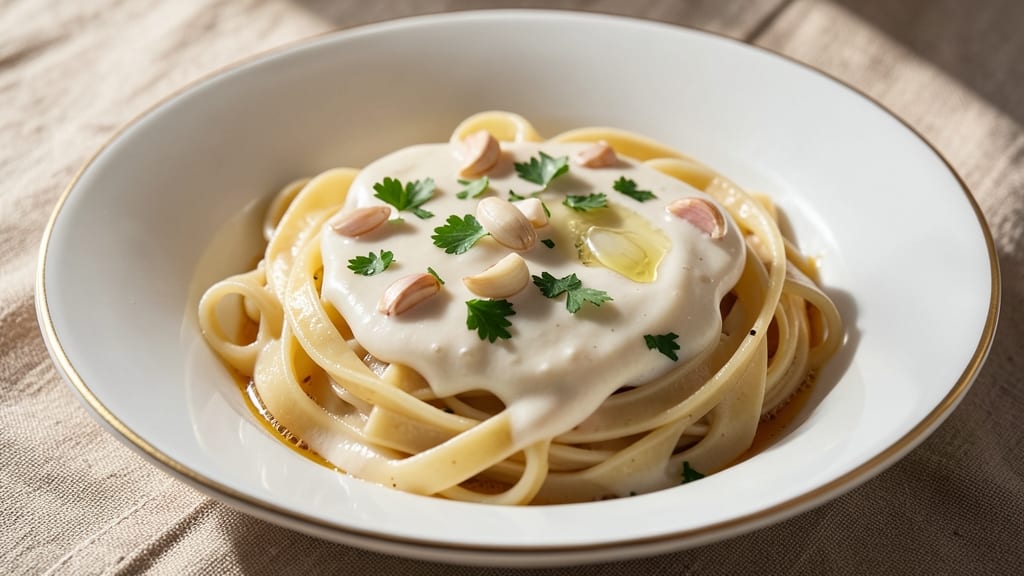
This authentic white sauce pasta recipe delivers restaurant-quality velouté that clings perfectly to al dente ribbons—no lumps, no separation, just velvety richness. The secret lies in a proper roux foundation (butter, flour) that forms the backbone of the sauce, then gently emulsifies with warm milk and cream.
I’ve perfected this technique over years of testing, ensuring every bite is creamy without being heavy, with just the right balance of garlic and herbs to elevate the dish.
The beauty of this method is its versatility—it works with fettuccine, tagliatelle, or even penne—but the technique remains the same. Start with high-quality ingredients: unsalted butter for flavor depth, all-purpose flour for structure, and whole milk for creaminess.
The sauce builds gradually, layering warmth from the roux with the smoothness of dairy, while a touch of parmesan adds umami richness. No heavy cream here—just a light, elegant sauce that lets the pasta shine.
What you’ll end up with is a dish that feels indulgent yet balanced: tender pasta coated in a glossy, clingy sauce that’s neither greasy nor overly rich. The garlic and herbs infuse subtly, while the sauce’s texture remains silky-smooth.
This is the kind of pasta that feels like a special occasion—without requiring hours in the kitchen. Serve with a simple arugula salad or roasted vegetables to round out the meal.
The key to success is patience: whisking constantly during the roux stage prevents burning, and adding warm milk gradually ensures a smooth emulsion. Once mastered, this technique becomes your go-to for any white sauce pasta—from classic Alfredo to lighter herb-infused variations. Ready to elevate your weeknight dinners?
Ingredients for authentic white sauce pasta
High-quality butter, flour, and dairy form the velouté backbone—elevated with fresh herbs and garlic for authentic depth.
| Ingredient | Amount | Notes |
|---|---|---|
| Unsalted Butter 🧈 | ½ cup | Cold, cut into tablespoons for roux |
| All-Purpose Flour 🌾 | ½ cup | Sifted for smooth texture |
| Whole Milk 🥛 | 1 ½ cups | Warmed for emulsion |
| Heavy Cream 🥛 | ½ cup | High-fat for richness |
| Fresh Garlic Cloves 🧄 | 4 cloves | Minced for aromatic depth |
| Fresh Parsley 🌿 | ¼ cup | Chopped, for vibrant finish |
| Fresh Chives 🌿 | 2 tbsp | Finely chopped, for brightness |
| Parmesan Cheese 🧀 | ½ cup | Freshly grated from block |
| Salt 🧂 | 1 tsp | Diamond Crystal preferred |
| Ground Black Pepper 🌶️ | ½ tsp | Freshly cracked |
| Fettuccine Pasta 🍝 | 12 oz | Al dente preferred |
| Extra-Virgin Olive Oil 🫒 | 2 tbsp | For tossing pasta |
| Lemon Zest 🍋 | 1 tsp | Optional, for brightness |
The butter and flour create a proper roux, the foundation of any velouté. European-style unsalted butter from Plugrá or Kerrygold adds flavor depth, while sifted all-purpose flour ensures a smooth sauce. Warm the milk and cream separately to 160°F before adding—they should be steaming but not boiling. Freshly grated Parmesan from a block (not pre-grated) melts into the sauce seamlessly, adding umami richness. For the herbs, flat-leaf parsley and chives from the grocery store’s refrigerated section work best—they’re fresher than dried and pack more flavor.
No heavy cream? Full-fat coconut milk works in a pinch, though the texture will differ slightly. Short on garlic? Garlic powder at half the amount is a decent substitute, but fresh is ideal. The pasta should be al dente—undercooking by a minute ensures it holds up to the sauce. If your roux starts to brown too quickly, reduce the heat and whisk more vigorously. For extra richness, stir in 1 tablespoon of reserved pasta water at the end—it helps emulsify the sauce for that signature cling.
Store any leftover sauce in an airtight container with a thin layer of plastic wrap pressed directly onto the surface to prevent a skin from forming. Keeps for 3-4 days in the fridge or 3 months frozen. The pasta reheats best in the sauce—simply warm everything together over low heat, stirring occasionally. For a restaurant-quality finish, toss the pasta with a drizzle of extra-virgin olive oil and a sprinkle of lemon zest before serving.
Why You'll Love This Recipe
- No-Fuss Roux Magic: I swear by that golden butter-flour paste—just melt the butter, whisk in the flour, and let it cook until it smells like a bakery. Three minutes of hands-off time, and you’ve got the base for something restaurant-worthy without the fuss.
- Garlic Cream Dream: That raw garlic clove, barely cooked, blends into the sauce while the heavy cream and milk turn it velvety. It’s not overpowering—just a whisper of warmth that makes every bite feel like a hug.
- Weeknight to Dinner Party: Same sauce, endless uses. Slap it on fettuccine for a quick weeknight meal, or toss it with grilled chicken and spinach for a fancy guest dinner. The prep stays identical; the occasion gets the upgrade.
- Leftover Luxury: This sauce actually improves the next day—thicker, richer, and still creamy. I make double batches on Sundays, freeze half, and reheat it in minutes. Budget-friendly? Absolutely. Lazy-friendly? Even more so.
Step-by-Step instructions for creamy garlic-herb velouté pasta
Master this classic technique for velvety sauce and perfectly al dente pasta every time.
Create the Perfect Roux Foundation
Cut the 0.5 cup unsalted butter into tablespoon-sized pieces and melt them in a medium saucepan over medium-low heat. Once fully melted, remove from heat and immediately whisk in the 0.5 cup all-purpose flour all at once. Return to the same medium-low heat and stir continuously with a wooden spoon for 2-3 minutes until the mixture thickens and turns a pale golden color.
This roux is the backbone of your sauce—don't rush it. You're looking for a texture that coats the back of a spoon but isn't browned. If it darkens too quickly, reduce the heat further. The flour should cook out completely, eliminating any raw flour taste that would make your sauce taste chalky.
Infuse the Sauce with Aromatics
Add the 4 minced fresh garlic cloves to the roux and cook for 30-45 seconds until fragrant but not browned. Immediately pour in the 1.5 cups whole milk all at once while whisking vigorously to prevent lumps from forming. Return to medium heat and continue whisking for 3-4 minutes until the sauce begins to thicken and coats the spoon.
Here's where authenticity matters: keep whisking constantly. The sauce should thicken to a velouté consistency—smooth, glossy, and clingy. If it gets too thick too quickly, whisk in 1-2 tablespoons of the milk you've set aside. The sauce should coat the back of a spoon but still flow easily when poured.
Build Depth with Cream and Seasonings
Reduce heat to low and stir in the 0.5 cup heavy cream, 1 tsp salt, and 0.5 tsp ground black pepper. Add the 1 tsp lemon zest if using, and let the sauce simmer gently for 4-5 minutes until it reaches your desired consistency. The sauce should be thick enough to coat the pasta beautifully but still have a silky, velvety mouthfeel.
Taste and adjust seasoning—this is your only chance to perfect the flavor before combining with pasta. The sauce should be rich but not overpowering, with bright garlic notes and a subtle peppery finish. If it needs more depth, add a pinch more salt or a splash of cream. Keep it warm over low heat while you cook the pasta.
Cook the Fettuccine Al Dente
Bring a large pot of well-salted water to a rolling boil. Add the 12 oz fettuccine pasta and cook according to package directions until 1 minute shy of al dente. Reserve 1 cup of pasta water before draining—this starchy liquid is essential for adjusting the sauce consistency later.
Don't overcook the pasta—it will finish cooking in the sauce. The ideal texture should be firm to the bite with a slight resistance. Drain the pasta, but don't rinse it—those surface starches help the sauce cling perfectly. Toss the hot pasta immediately with 2 tbsp extra-virgin olive oil to prevent sticking while you finish the sauce.
Combine and Finish with Herbs
Return the pasta to the pot and add the warm sauce. Toss gently to coat, adding pasta water 1 tablespoon at a time if the sauce becomes too thick. The goal is a glossy, velvety coating that clings to every strand without being gluey. Stir in 0.5 cup freshly grated parmesan cheese and 0.25 cup chopped fresh parsley along with 2 tbsp finely chopped fresh chives for vibrant color and freshness.
Serve immediately while the sauce is still warm and the pasta maintains its al dente texture. Each forkful should deliver perfectly balanced flavors: rich velouté sauce, bright garlic, fresh herbs, and the sharpness of parmesan. The sauce should coat the pasta completely without overwhelming it, creating an authentic Italian velouté experience.
Pro Tips For Making Authentic White Sauce Pasta
- Whisk Like You Mean It: The roux is where magic happens—or turns to glue. Melt the butter over medium heat first, then immediately add the flour and whisk constantly for 2-3 minutes until it’s a rich, golden paste, not a pale paste. I used to let it sit too long, and it’d taste flat. Keep moving that wrist.
- Toast the Garlic Right: Fresh garlic cloves should sizzle in the butter just until fragrant—about 30 seconds—before adding the roux. Burnt garlic ruins the sauce, but undercooked garlic disappears. Watch it like a hawk; it’s easy to walk away for “one second.”
- Temper the Milk Slowly: Pouring cold milk into hot roux causes lumps like a stubborn child refusing to share. Warm the milk in a separate saucepan first (just until tiny bubbles form at the edges), then drizzle it into the roux while whisking. Your sauce will thank you.
- Finish with Cream Carefully: Stir in the heavy cream off the heat—off the heat—to avoid curdling. If you’re impatient and add it while simmering, the sauce will split like a bad relationship. Let it cool slightly first, then fold it in gently. Patience here makes all the difference.
Make-ahead tips for authentic white sauce pasta
Sauce Prep Ahead
Prepare the sauce up to 2 days in advance for maximum flavor development. After completing Step 3 in the instructions, let the sauce cool to room temperature, then transfer it to an airtight container. Press plastic wrap directly onto the surface to prevent skin formation.
Store in the fridge—when ready to serve, reheat over low heat, stirring frequently and adding 1-2 tablespoons of milk or cream if it thickens too much. The flavors meld beautifully overnight! ✨
Pasta Prep Timeline
Cook the pasta just before combining with the sauce to maintain al dente texture. If prepping ahead, boil the fettuccine 1 minute less than package instructions, then drain and toss with 1 tablespoon olive oil to prevent sticking.
Store in an airtight container at room temperature for up to 2 hours before tossing with warm sauce. For longer storage, refrigerate cooked pasta separately and reheat in the sauce for 3-4 minutes over low heat.
Freezer-Friendly Sauce
Freeze sauce in portioned batches (1-cup servings) for easy reheating. Use silicone molds or freezer-safe containers—leave ½-inch headspace for expansion. Thaw overnight in the fridge, then reheat gently on the stovetop.
For pasta, freeze uncooked fettuccine in a single layer on a tray, then transfer to a ziplock bag with sauce portions. Cook from frozen in the sauce—add 1 extra minute to cooking time and use 2 tablespoons pasta water to adjust consistency. ❄️
Make-Ahead Serving Strategy
Assemble the dish 30 minutes before serving for optimal texture. Reheat sauce and pasta separately to 165°F, then combine over medium-low heat for 2-3 minutes. Garnish with fresh parsley and chives just before serving to maintain vibrant color.
For a cold pasta salad, chill the combined dish for 1-2 hours—the sauce will thicken slightly, creating a creamy, cold pasta experience. Perfect for potlucks or meal prep! 💡
Batch Cooking Tips
Double the sauce recipe for 4 servings—it reheats just as well. Use a slow cooker on "warm" to keep the sauce ready for up to 4 hours without curdling. For pasta, cook 2 batches and store separately to prevent sogginess.
When reheating, add 1 extra tablespoon of pasta water per batch to maintain that signature clingy texture. Label containers with dates to track freshness—sauce lasts 3 months frozen, while cooked pasta is best within 2 days.
Nutrition facts
Frequently asked questions
Can I substitute heavy cream with a lighter option?
Yes, but expect a slightly different texture. Replace the 0.5 cup heavy cream with 0.5 cup whole milk for a lighter version, or use 0.5 cup full-fat coconut milk for a dairy-free alternative. The sauce will be less rich, but still creamy. For extra thickness, whisk in 1 tablespoon cornstarch mixed with 1 tablespoon cold water at the end.
Why did my sauce get lumpy?
Lumps usually happen when milk is added too quickly or not whisked enough. Always pour milk gradually while whisking vigorously to prevent clumping. For existing lumps, blend the sauce briefly with an immersion blender or strain through a fine-mesh sieve. The key is patience—whisk constantly for 2-3 minutes after adding milk to fully incorporate the roux.
What's the best pasta shape for this recipe?
Fettuccine or tagliatelle are ideal—their flat surfaces cling beautifully to the sauce. For a heartier option, try pappardelle or penne. Avoid tiny shapes like orzo—the sauce may not coat them evenly. If using a different shape, reduce cooking time by 1 minute to maintain al dente texture.
Can I make this sauce without butter?
For a dairy-free version, replace butter with 0.5 cup olive oil (use a neutral oil like avocado oil for better flavor). The roux will be oil-based, but the technique remains the same. Add 1 tablespoon nutritional yeast for a cheesy flavor if desired. The sauce will be lighter but still velvety when made with warm plant-based milk.
How do I fix sauce that's too thick?
Thin with pasta water—it contains starch that helps emulsify the sauce without breaking its texture. Add 1 tablespoon at a time while stirring constantly. If you run out, use warm milk or cream as a last resort. Never add cold liquid—it can cause the sauce to curdle. The goal is a glossy, clingy consistency that coats the pasta perfectly.