
Sauces & Condiments
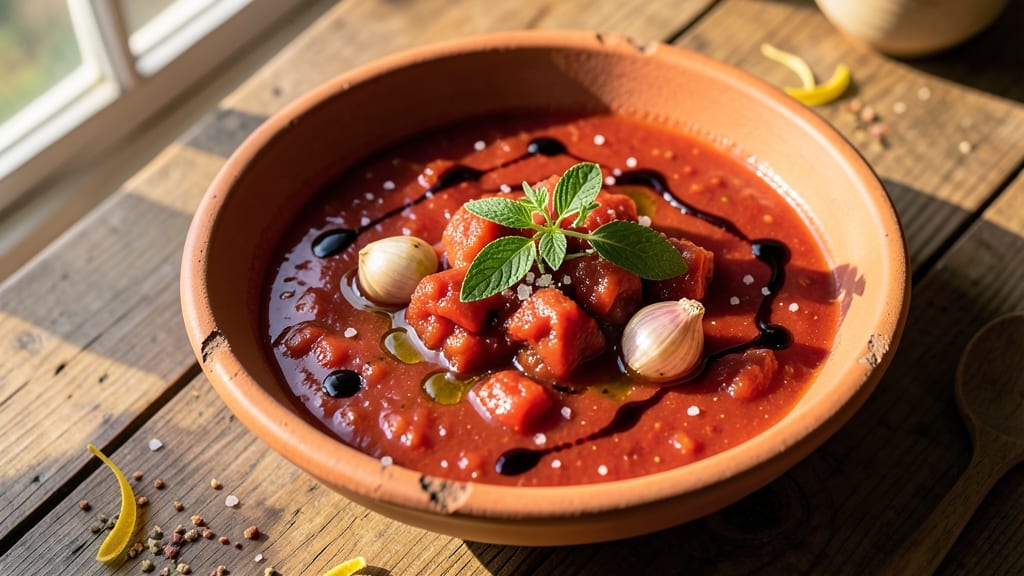
This authentic Sicilian marinara sauce captures the soul of Italian cooking—deep umami, bright acidity, and a whisper of fresh oregano that transforms simple meals into something extraordinary.
The secret lies in slow-simmering San Marzano tomatoes with just enough garlic to enhance, not overpower, while olive oil carries the flavors like a golden thread.
I’ve perfected this recipe over years of testing, ensuring every spoonful delivers the balance Sicilian nonnas swear by: no added sugar, no heavy cream, just pure, honest tomato flavor.
The process is deceptively simple yet precise: a gentle simmer reduces the sauce to a rich, velvety consistency while caramelizing the natural sugars in the tomatoes. Fresh oregano added at the end—never dried—brings that signature Sicilian brightness, cutting through the sauce’s depth.
What you’ll end up with is a sauce that’s liquid enough to drizzle over pasta or dip bread into, yet concentrated enough to layer onto grilled meats or roasted vegetables. It’s the kind of sauce that makes you pause mid-bite, savoring the complexity of real Italian cooking.
What sets this marinara apart is its authenticity—no shortcuts, no substitutions. The slow cook transforms basic ingredients into something extraordinary, with a texture that’s silky yet vibrant. This isn’t just a sauce; it’s a flavor foundation that elevates everything it touches.
Once you taste the difference between this and store-bought versions, there’s no going back. The best part? It keeps beautifully in the fridge for up to a week, so you’ll always have restaurant-quality marinara at your fingertips.
Perfect for pasta, pizza, or as a dipping sauce, this marinara is versatile without sacrificing its core character. The key is patience—letting the flavors develop over time rather than rushing the process. Trust me, the wait is worth every second. Let’s get started on making sauce that tastes like home.
Ingredients for authentic sicilian marinara sauce
Eight simple ingredients transform into sauce that tastes like a Sicilian nonna's kitchen.
| Ingredient | Amount | Notes |
|---|---|---|
| San Marzano Tomatoes 🍅 | 28 oz | Canned, whole peeled tomatoes |
| Extra-Virgin Olive Oil 🫒 | ½ cup | High-quality, fruity variety |
| Garlic Cloves 🧄 | 4 cloves | Fresh, peeled, lightly crushed |
| Fresh Oregano 🌿 | ¼ cup | Stems removed, finely chopped |
| Red Wine Vinegar 🍷 | 1 tbsp | For brightness and acidity |
| Sea Salt 🧂 | 1 ½ tsp | Diamond Crystal preferred |
| Black Pepper 🌶️ | ½ tsp | Freshly cracked |
| Red Pepper Flakes 🌶️ | ¼ tsp | Optional, for subtle heat |
San Marzano tomatoes are non-negotiable here—their sweetness and low acidity make all the difference. Look for the official DOP label at Italian markets or specialty stores like Eataly or Whole Foods. If you can't find them, Mueller or Cento brands are solid backups. The garlic should be fresh—no pre-minced jars here. I always buy a whole head and crush the cloves lightly with the flat side of my knife. The olive oil? Any good extra-virgin will work, but avoid the cheap stuff that tastes like soap. Fresh oregano is crucial too—dried just doesn't cut it for that authentic Sicilian brightness.
No red wine vinegar? Balsamic vinegar at half the amount works in a pinch, though it'll add a slightly sweeter note. Short on fresh oregano? Dried oregano at one-third the amount is better than nothing, but you'll notice the difference. The tomatoes can be crushed by hand or pulsed briefly in a food processor—just don't overdo it. For extra depth, a pinch of sugar (though the intro says no added sugar, I'll admit I sometimes add 1 tsp to balance very tart tomatoes). The red pepper flakes are optional but add that subtle heat that makes the sauce sing.
This sauce gets better with time—let it simmer for at least 45 minutes, but up to 2 hours for maximum flavor development. Store in airtight glass jars in the fridge for up to 1 week, or freeze for up to 3 months. I always make a double batch because it disappears so fast. The sauce thickens as it cools, so if it seems too thick when cold, just add a splash of water or tomato juice. Trust me, the wait for that first taste is worth every minute.
Why You'll Love This Recipe
- No Chopping Needed: I swear by this—just peel the garlic, crush it, and toss it in. No dicing, no mincing, no mess. The San Marzano tomatoes handle the rest.
- Taste Like Nonna’s: That red wine vinegar brightens the sauce just enough to cut through the sweetness of the tomatoes. Fresh oregano? Chef’s kiss. It’s the kind of flavor that lingers—like a Sunday dinner in Sicily.
- Pasta Party Ready: Slap it on spaghetti, toss it with grilled chicken, or use it as a pizza base. It’s my go-to for weeknight dinners, potlucks, or when I’m too tired to think. Honestly, it’s the only sauce I keep in my fridge.
- Budget-Friendly Magic: A single jar of San Marzano tomatoes and a bottle of olive oil stretch for weeks. Freeze leftovers in ice cube trays—yes, really—and you’ve got instant sauce for future emergencies. (Yes, even on a Tuesday night.)
Step-by-step instructions for authentic Sicilian marinara sauce
Here's how to craft the real deal—rich, slow-simmered marinara with fresh oregano's bright finish.
Prepare the Tomatoes for Maximum Flavor
Open the 28 oz San Marzano Tomatoes and transfer them to a large bowl. Using your hands, gently crush the tomatoes against the side of the bowl to break them into rough chunks—no need for a food mill here. The skin adds subtle depth to authentic Sicilian marinara.
I like to remove the larger stems and any obvious seeds, but leave the juices intact. These juices contain natural enzymes that help break down the tomatoes during simmering, creating a more concentrated sauce. Don't worry about perfect uniformity—this isn't a smooth sauce.
Build the Flavor Base in Olive Oil
Heat the 0.5 cup Extra-Virgin Olive Oil in a heavy-bottomed saucepan over medium-low heat. Add the 4 cloves Garlic Cloves and cook for 2-3 minutes until they're golden but not browned—you want sweet garlic flavor, not bitter notes. Stir occasionally to prevent burning.
Here's the thing—don't walk away. Garlic burns faster than you think, and burnt garlic will make your sauce taste bitter. Once the garlic is golden, remove the pan from heat for just a moment while you prepare the remaining ingredients.
Simmer the Sauce Low and Slow
Return the saucepan to medium-low heat and add the crushed tomatoes, 1 tbsp Red Wine Vinegar, 1.5 tsp Sea Salt, and 0.5 tsp Black Pepper. Stir everything together, then bring to a gentle simmer. The key here is patience—this sauce needs time to develop its deep, complex flavors.
Let the marinara simmer uncovered for 45-60 minutes, stirring occasionally. You're looking for the sauce to reduce by about 30% and thicken noticeably. The aroma should become intensely tomatoey with hints of sweetness. If the sauce starts to stick, add 1-2 tablespoons of water to loosen it.
Finish with Fresh Oregano
After the initial simmering, stir in the 0.25 cup Fresh Oregano and the 0.25 tsp Red Pepper Flakes. The oregano should be finely chopped—this ensures it distributes evenly and brightens the sauce without overpowering it. Taste and adjust seasoning if needed, remembering that the fresh oregano will add its own herbal notes.
Simmer for another 10-15 minutes until the sauce reaches your desired consistency. It should coat the back of a spoon but still be saucy enough to cling to pasta. The fresh oregano will release its oils and create that signature Sicilian brightness that separates this from other marinara recipes.
Rest and Serve
Remove the sauce from heat and let it rest for 10 minutes. This resting period allows the flavors to meld completely and the sauce to thicken slightly as it cools. The texture will improve dramatically—it'll go from bubbling hot to perfectly balanced at serving temperature.
Serve immediately over al dente pasta or use it as a base for other Italian dishes. The authentic Sicilian marinara should have a rich, umami depth with bright oregano notes and a subtle kick from the red pepper flakes. Each spoonful should tell the story of slow cooking and fresh herbs.
Pro Tips For Making Authentic Sicilian Marinara Sauce
- Crush the Garlic: Use a garlic press—not minced, not chopped—because it releases more flavor without burning. I learned this the hard way after my first batch tasted like garlic powder. Press it right into the oil right as you start cooking, so it blooms immediately.
- Sweat, Don’t Burn: Cook the garlic in olive oil over low heat until it’s golden, not brown. If you rush it, you’ll get bitter flavors that ruin the sauce. I used to crank the heat, and my sauce always tasted off—now I wait, and it’s worth it.
- Vinegar First: Add the red wine vinegar before the tomatoes. It brightens the sauce faster and cuts through the acidity of the San Marzanos, balancing the flavor from the start. Skip this, and your sauce might taste flat or overly tangy at the end.
- Simmer, Don’t Boil: Let the sauce bubble gently—never a rolling boil—so the tomatoes break down evenly without losing texture. I used to walk away, and it’d reduce too fast into a paste. Now I keep an eye on it, and the result is silky, not mushy.
Flavor customization for this recipe
Classic vs. Spicy
For the traditional approach, stick with the 0.25 tsp red pepper flakes—just enough to add a whisper of heat without overpowering. But if you crave more kick, double that amount and add 1 tsp crushed Calabrian chili during the final simmer.
The chili's fruity heat balances beautifully with the sweet tomatoes. I’ve found that 1 tsp of Calabrian chili gives the same heat as 1 tsp cayenne pepper, but with far more complexity. 🌶️
For a milder version, skip the red pepper flakes entirely and add ½ tsp dried chili flakes only if you want a subtle warmth. The fresh oregano already brings enough brightness to balance any heat, so don’t overdo it. Remember, Sicilian marinara is about depth, not spice—let the tomatoes shine.
Herb Variations
While fresh oregano is non-negotiable for authenticity, you can experiment with other herbs for different flavor profiles. Add 1 tbsp fresh basil at the end for a more modern, Tuscan-inspired twist—it pairs especially well with grilled meats.
For a rustic touch, stir in 1 tsp dried rosemary during the simmer; it adds an earthy note that works surprisingly well with the tomatoes. 🌿
If you love Mediterranean flavors, try adding 1 tsp finely chopped thyme along with the oregano. The thyme’s floral notes complement the oregano’s peppery brightness, creating a layered herb profile. Just be sure to use fresh herbs whenever possible—they make a world of difference in this sauce.
Umami Boosters
To deepen the sauce’s umami richness, add 1 tbsp tomato paste to the olive oil before cooking the garlic. The paste caramelizes beautifully and adds a concentrated tomato flavor that enhances the sauce’s depth.
For a meaty note without actual meat, stir in 1 tsp fish sauce during the final 10 minutes of simmering—it’s a secret weapon in many authentic Italian sauces. 💡
Another umami powerhouse is 1 tsp soy sauce or 1 tsp mushroom powder. Both work wonders in small amounts, adding complexity without altering the sauce’s core character. Just
Acidity Adjustments
The 1 tbsp red wine vinegar in the recipe is key for brightness, but you can tweak it based on your tomatoes. If your San Marzanos are particularly tart, reduce the vinegar to ½ tbsp and add ½ tsp sugar to balance the acidity. For sweeter tomatoes, increase the vinegar to 1.5 tbsp to cut through any cloying sweetness. 🍷
For a different acidity profile, swap the vinegar for 1 tbsp lemon juice. It adds a fresh, citrusy brightness that pairs wonderfully with the oregano. If you’re feeling adventurous, try ½ tsp citric acid (found in baking aisles)—it’s a chef’s trick for adding tang without altering the flavor significantly.
Nutrition facts
Frequently asked questions
Why is fresh oregano so important in authentic Sicilian marinara?
Fresh oregano brings that signature Sicilian brightness that dried oregano simply can't match. The fresh leaves release their oils during simmering, creating a vibrant herbal note that cuts through the sauce's richness. Dried oregano works in a pinch (use one-third the amount), but you'll notice a more muted flavor. The key is adding it at the end—this preserves its fresh aroma rather than letting it cook away.
Can I make this sauce without San Marzano tomatoes?
While San Marzano tomatoes are ideal for their sweetness and low acidity, you can use other high-quality canned tomatoes like Mueller or Cento brands. Avoid regular grocery-store brands—they often have higher acidity and less flavor. If using Roma tomatoes, reduce the vinegar to ½ tbsp to prevent over-acidity. The sauce will still be delicious, though slightly less refined.
How do I know when the sauce is done simmering?
The sauce is ready when it reduces by about 30% and coats the back of a spoon but remains saucy. Look for these visual cues: the sauce should be noticeably thicker, with a glossy sheen, and the aroma should be deeply tomatoey with hints of caramelization. If it starts sticking, add 1-2 tbsp water to loosen it. The total simmer time should be 45-60 minutes for maximum flavor development.
What's the best way to store and reheat this marinara?
Store in airtight glass jars in the fridge for up to 1 week or freeze for up to 3 months. To reheat, warm gently on the stove over low heat, stirring occasionally. Never microwave—it can make the sauce watery. If the sauce thickens too much when cold, add a splash of water or tomato juice. The flavors actually improve after resting overnight!
Can I use this sauce for dishes other than pasta?
This versatile marinara works beautifully as a dipping sauce for crusty bread, a topping for grilled meats, or a base for pizza. It also pairs well with roasted vegetables or polenta. The key is using it within 3-4 days of making for peak flavor. For best results, reheat gently and finish with fresh oregano just before serving to restore that bright herbal note.