
Sauces & Condiments
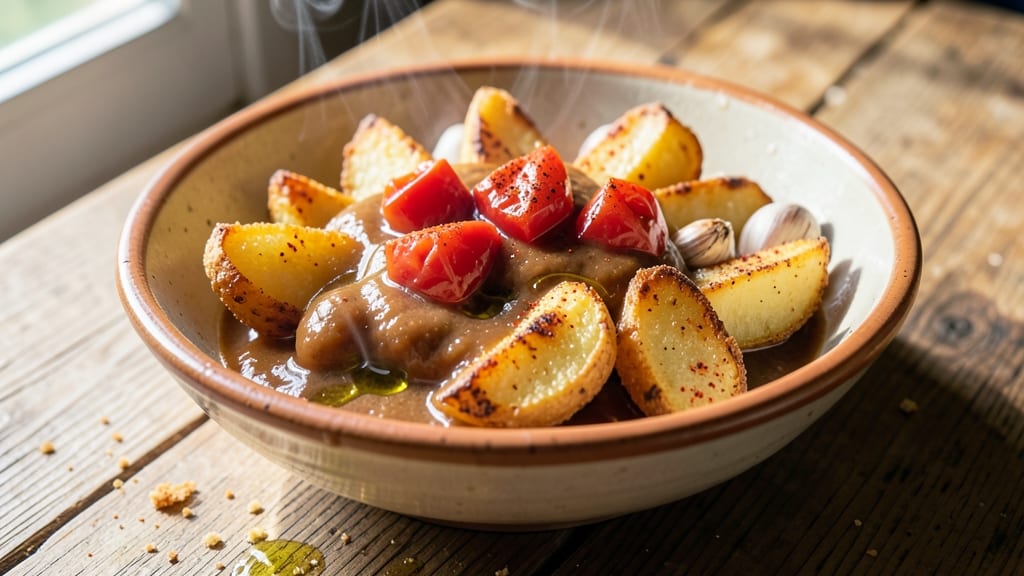
Authentic patatas bravas sauce transforms simple fried potatoes into a smoky, garlicky masterpiece—just like in Spain’s best tapas bars. The secret lies in pimentón de la Vera, a smoked Spanish paprika that delivers deep, earthy flavor without overwhelming heat. I’ve perfected this recipe after years of testing, ensuring the sauce is rich, slightly tangy, and perfectly balanced for dipping or drizzling.
This sauce starts with a slow simmer of garlic, tomato, and vinegar to build depth, then blends into a velvety texture with a touch of olive oil. The key is controlling the spice: a pinch of cayenne or chili flakes adds kick, but you can adjust to taste.
Traditional recipes skip heavy blending, so I’ll show you how to achieve that rustic, slightly chunky consistency that still coats every bite.
What you’ll end up with is a sauce that’s authentic to Spanish tapas culture—smoky, garlicky, and just spicy enough to make your potatoes irresistible. It keeps well in the fridge for up to a week or freezes beautifully for quick weeknight dinners.
The flavor only deepens over time, making it a pantry staple for any Spanish-inspired meal.
Whether you’re serving crispy patatas bravas, paella, or grilled meats, this sauce elevates everything it touches. The process is straightforward, but the results are undeniably restaurant-quality. Let’s make it—your taste buds will thank you.
Ingredients for authentic patatas bravas sauce
Smoky paprika, garlic, and tomatoes—just six ingredients transform fried potatoes into tapas bar magic.
| Ingredient | Amount | Notes |
|---|---|---|
| Extra-Virgin Olive Oil 🫒 | ½ cup | High quality, fruity variety |
| Pimentón de la Vera 🌶️ | 2 tbsp | Smoked Spanish paprika (essential) |
| Garlic Cloves 🧄 | 6 cloves | Freshly minced, not pre-minced |
| San Marzano Tomatoes (Canned, Whole) 🍅 | 14 oz | San Marzano preferred, no salt added |
| Red Wine Vinegar 🍷 | 2 tbsp | Dry, bold variety recommended |
| Cayenne Pepper 🔥 | ¼ tsp | Adjust to taste for heat |
| Salt 🧂 | ¾ tsp | Diamond Crystal preferred |
| Dried Oregano 🍃 | ½ tsp | Mexican oregano if available |
| Onion Powder 🧅 | ¼ tsp | For depth, not sharpness |
| Ground Black Pepper 🌶️ | ¼ tsp | Freshly ground preferred |
Pimentón de la Vera is non-negotiable here—Spanish specialty stores or Amazon carry it, and it’s worth hunting down. The smoked paprika gives that authentic tapas bar flavor. San Marzano tomatoes are a must for their sweetness and low acidity—Trader Joe's or Whole Foods stock them year-round. Fresh garlic is key too—pre-minced loses flavor fast. For the vinegar, any dry red wine vinegar works, but Balsamic Vinegar Co.'s is my go-to for extra depth.
No pimentón? Smoked paprika plus a pinch of liquid smoke gets you close, but it won’t be the same. Short on tomatoes? Tomato paste at half the amount works in a pinch. The oregano can be skipped if you’re avoiding extra herbs, but the onion powder adds subtle sweetness that balances the garlic. For heat control, start with just a pinch of cayenne—you can always add more. The olive oil should be fruity and high-quality—none of that cheap cooking oil.
This sauce keeps beautifully—1 week in the fridge or 3 months frozen. I like to make a double batch because it’s perfect for dipping, drizzling, or even tossing with grilled veggies. For freezing, use ice cube trays—one cube per serving makes reheating easy. The flavor actually improves after a day or two, so make it ahead if you can.
Why You'll Love This Recipe
- No Chopping Needed: I swear by this—just crush garlic, open a can of tomatoes, and let the pimentón do the work. The sauce practically makes itself while you toss fries in the oven.
- Smoky-Spicy Magic: That first spoonful of pimentón and red wine vinegar? It’s like a warm hug for your taste buds. The San Marzano tomatoes keep it rich but bright, never heavy.
- Game for Any Meal: Taco Tuesday? Slather it on grilled shrimp. Lazy Sunday? Drizzle it over roasted veggies. My kids even ask for it on plain toast—(yes, even on a Tuesday night).
- Leftovers That Don’t Suck: This sauce actually improves overnight—deeper, richer, and still vibrant. I freeze half the batch all the time; just reheat and serve. Budget-friendly and foolproof.
Step-by-step instructions for authentic patatas bravas sauce
Here's how to make the signature smoky, garlicky sauce that brings patatas bravas to life.
Bloom the Pimentón de la Vera
Heat the 0.5 cup extra-virgin olive oil in a medium saucepan over medium-low heat. Add the 2 tablespoons pimentón de la vera and stir constantly for 1-2 minutes until it releases its deep, smoky aroma. This is the soul of your sauce—don't rush it, or you'll burn the paprika and turn the sauce bitter.
Watch closely as the paprika darkens slightly. You'll see it transform from a dull powder to a rich, aromatic paste. This step develops the complex smoky flavor that sets authentic patatas bravas sauce apart. If you smell any burning, immediately reduce the heat or remove the pan from the stove.
Add Garlic and Tomatoes
Add the 6 minced garlic cloves to the saucepan and cook for 30 seconds until fragrant but not browned. You want the garlic to perfume the oil without turning bitter. Immediately add the 14 ounces San Marzano tomatoes (crushed by hand or with a fork) and stir to combine.
Bring the mixture to a gentle simmer over medium heat. Let it cook uncovered for 10 minutes, stirring occasionally. You'll see the sauce thicken slightly as the tomatoes break down and release their juices. This is where the flavors meld together—don't walk away, as this is the critical stage for building depth.
Season and Simmer
Add the 2 tablespoons red wine vinegar, 0.25 teaspoon cayenne pepper, 0.75 teaspoon salt, 0.5 teaspoon dried oregano, 0.25 teaspoon onion powder, and 0.25 teaspoon ground black pepper. Stir well to combine all the ingredients. The vinegar adds brightness that cuts through the richness of the olive oil and tomatoes.
Reduce the heat to low and let the sauce simmer uncovered for another 15 minutes. You're looking for a smooth, velvety consistency with a thick coating on the back of a spoon. Taste and adjust the seasoning—you might need a pinch more salt or cayenne to achieve that perfect balance of smoky, garlicky, and slightly spicy flavors.
Blend for Silky Perfection (Optional)
For a completely smooth sauce, use an immersion blender to purée the mixture until it reaches your desired texture. If you prefer some texture, simply mash the tomatoes with a wooden spoon instead. The sauce should be thick enough to cling to fried potatoes but still have enough body to coat them evenly.
Return the sauce to low heat and keep it warm until ready to serve. The key to great patatas bravas is using this sauce immediately while it's at its peak flavor. If you need to make it ahead, let it cool completely, then refrigerate for up to 3 days. Reheat gently over low heat, stirring frequently to prevent scorching.
Pro Tips For Making Authentic Patatas Bravas Sauce
- TOAST THE PIMENTÓN: Heat your Pimentón de la Vera in the dry pan for 30 seconds before adding oil—this blooms its smoky depth and cuts the bitterness. Skip this, and your sauce will taste flat, no matter how much you stir.
- CRUSH GARLIC LIKE IT’S 1987: Smash those cloves with the flat side of your knife first, then mince them finely—this prevents burning and ensures even distribution. I used to chop them roughly, and the sauce would taste like garlic overpowered everything.
- SIMMER THE TOMATOES LOW: Once the tomatoes hit the pan, reduce heat to low and let them break down for at least 15 minutes—no rushing. High heat turns them mushy and dulls the acidity you’re paying for with San Marzano quality.
- SAVE THE VINEGAR FOR LAST: Stir in the red wine vinegar after the sauce thickens, just before serving—this keeps the acid bright and stops it from cooking off into oblivion. Add it early, and your sauce will taste sour and one-dimensional.
Common mistakes when making your authentic patatas bravas sauce
Burning the Paprika
Watch the pimentón de la Vera like a hawk—it burns faster than you think! I’ve ruined batches by walking away for just 30 seconds while it’s blooming in the oil. The paprika should darken slightly but never turn bitter or acrid.
If you smell anything smoky or burnt, immediately remove from heat and start over. A good rule of thumb: the pan should smell like a Spanish tapas bar, not a campfire. 🌶️
Overcooking the Garlic
Those 6 cloves of garlic need to perfume the oil, not turn into bitter brown sludge. Cook them for only 30 seconds—any longer and they’ll release harsh, allicin-heavy flavors that overpower the delicate tomato base.
If you’re unsure, err on the side of undercooking. You can always add more raw garlic at the end if needed, but you can’t undo burnt garlic.
Skipping the Vinegar
The 2 tablespoons red wine vinegar isn’t just for acidity—it’s the secret to balancing the sauce’s richness. Without it, the olive oil and tomatoes can taste flat or one-dimensional.
I’ve seen home cooks skip this step, and the sauce always feels lacking. Add it early in the simmering process so the acidity mellows out and integrates completely.
Overblending the Sauce
Traditional patatas bravas sauce has a rustic, slightly chunky texture. If you blend it too smoothly, you lose that authentic tapas-bar quality. Use an immersion blender for just 10-15 seconds—enough to break up the tomatoes but leave some texture.
Or, for true authenticity, skip blending entirely and mash the tomatoes with a wooden spoon. The goal is a sauce that clings to potatoes, not one that’s silky smooth. 🥔
Adding Too Much Cayenne Early
That ¼ teaspoon cayenne pepper is potent! I’ve seen people add it all at once, only to realize the sauce is too spicy to enjoy. Start with just a pinch, taste as you go, and add more gradually.
Remember, you can’t remove heat once it’s in. The sauce should have a gentle kick, not a fire alarm warning. Adjust to your spice tolerance—some people love it fiery, others prefer a whisper of heat.
Ignoring the Simmer Time
Rushing the 15-minute low simmer is a common mistake. This is where the flavors meld and deepen. If you cut it short, the sauce will taste flat and underdeveloped. Patience pays off—let it cook until it naturally thickens and the aromas are rich and complex.
Trust the process, and don’t be tempted to crank up the heat to speed things along. 🕒
Nutrition facts
Frequently asked questions
Can I make this sauce without pimentón de la Vera?
You can substitute with smoked paprika plus 1/8 teaspoon liquid smoke, but the flavor won't be identical. The key is the smoky depth from authentic pimentón—it's worth tracking down at Spanish markets or specialty stores. For a quick fix, mix 1 tablespoon regular paprika + 1/2 teaspoon smoked paprika for a closer approximation.
How do I adjust the spice level for kids or sensitive eaters?
Start by reducing the cayenne to just 1/8 teaspoon or omit it entirely. For extra mildness, add 1 teaspoon honey or sugar at the end to balance any residual heat. The vinegar and garlic provide enough flavor without needing extra spice. Always taste as you go—you can't add back what you've removed!
Can I use fresh tomatoes instead of canned?
Fresh tomatoes work but require extra prep: peel, seed, and chop 1.5 pounds Roma tomatoes (about 3 cups) to match the 14 oz canned yield. For best results, roast them first at 400°F for 20 minutes to concentrate their flavor. Fresh tomatoes have more water content, so you may need to simmer longer to achieve the same thickness.
What's the best way to reheat leftover sauce?
Gently reheat over low heat on the stovetop, stirring constantly to prevent scorching. For microwave reheating, use 30-second intervals on medium power, stirring between each. The sauce thickens as it cools, so add 1 teaspoon water or broth if it becomes too stiff. Never reheat to boiling—just warm through to 160°F to preserve the flavors.
How does this sauce differ from alioli?
While both are Spanish tapas staples, alioli is a garlic mayo emulsion served cold for dipping, whereas this sauce is a warm, tomato-based condiment designed to be drizzled or spooned over hot potatoes. Alioli is creamy and rich, while patatas bravas sauce balances smoky, tangy, and slightly spicy flavors. They complement each other perfectly on a shared plate!