
Sauces & Condiments
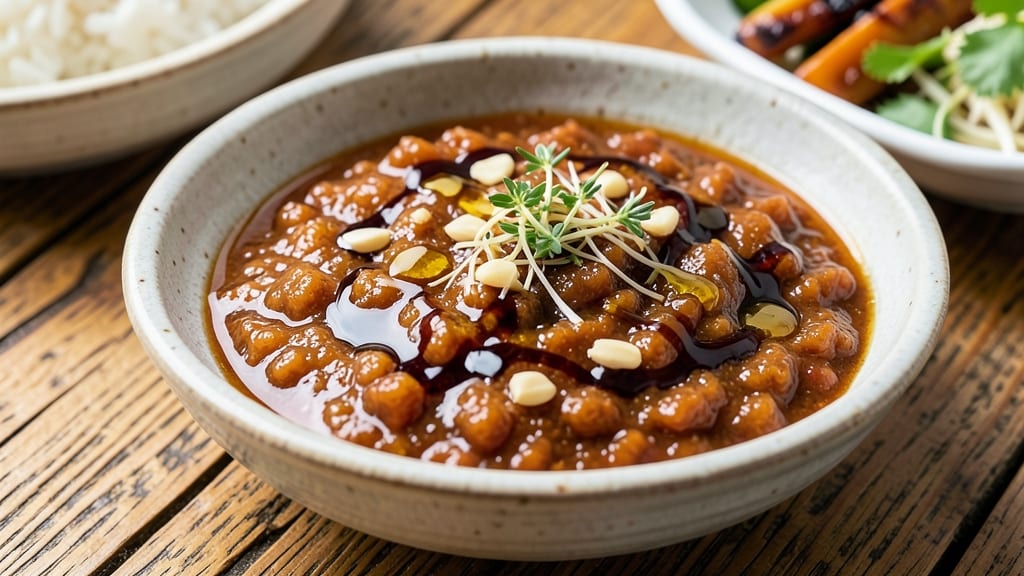
This authentic Korean BBQ sauce transforms any dish with its perfect balance of fermented gochujang heat and sweet, sticky depth. 🔥 The secret lies in fermented ingredients that develop complex flavors over time—no shortcuts here.
I've spent years perfecting this sauce, and the difference between homemade and store-bought is night and day.
The foundation begins with gochujang, Korea's signature fermented chili paste, which provides both heat and umami. Combined with sweet rice syrup, tangy vinegar, and savory soy sauce, this sauce delivers a perfect harmony of flavors that clings beautifully to meats and vegetables alike.
The fermentation process creates depth that store-bought versions simply can't match.
What you'll end up with is a sauce that's rich, glossy, and packed with authentic Korean flavor—ideal for grilling, marinating, or drizzling over dishes. The sweetness balances the heat perfectly, creating a sauce that's versatile enough for everything from ribs to tofu.
This isn't just a sauce; it's an experience that will elevate your cooking to new heights.
Once made, this sauce keeps well in the refrigerator for up to three months, allowing you to build a supply for all your future cooking adventures. The process is straightforward but requires patience for the best results. Let's get started on creating this flavorful essential for your kitchen.
Ingredients for authentic korean bbq sauce
Fermented gochujang meets sweet rice syrup for a sauce that's rich, sticky, and packed with authentic Korean heat.
| Ingredient | Amount | Notes |
|---|---|---|
| Gochujang (Korean Red Chili Paste) 🌶️ | ½ cup | Fermented, not instant mix |
| Sweet Rice Syrup (Kochujang Syrup) 🍯 | ½ cup | Or substitute with honey |
| Rice Vinegar 🍶 | ¼ cup | White or seasoned variety |
| Soy Sauce 🥫 | ¼ cup | Light or dark preferred |
| Sesame Oil 🌾 | 1 tbsp | Toasted for nutty aroma |
| Minced Garlic 🧄 | 4 cloves | Freshly minced, not jarred |
| Ginger (Fresh) 🧅 | 1 tbsp | Finely grated, peeled |
| Brown Sugar 🍚 | ¼ cup | Packed firmly |
| Water 💧 | ¼ cup | Room temperature preferred |
| Sesame Seeds 🌰 | 1 tbsp | Toasted lightly for garnish |
The gochujang is non-negotiable—this is where the soul of the sauce lives. H Mart or Korean grocery stores carry the best fermented versions (look for brands like Maesil or Jinmu), but if you're stuck with the instant mix, you'll still taste the difference. The rice syrup? Kochujang syrup is ideal, but agave or honey works in a pinch. For the ginger and garlic, fresh is essential—jarred minced garlic lacks the depth. Toast your sesame seeds in a dry pan for 30 seconds until fragrant; that nutty aroma ties everything together.
No rice vinegar? Apple cider vinegar is a solid swap, though it'll be slightly less tangy. Short on sesame oil? Toasted sesame paste thinned with water gives you that same nutty punch. The brown sugar can be swapped for white sugar or coconut sugar, but brown adds subtle molasses notes. For a smokier profile, add 1 tsp smoked paprika to the mix. And if you're feeling adventurous, a dash of fish sauce (just ½ tsp) adds umami depth—though this isn't strictly necessary. The sauce should be glossy, not grainy, so adjust your water slightly if it's too thick.
This sauce is a pantry game-changer—it keeps for 3 months in the fridge, sealed tightly in a glass jar. The flavors actually improve with time, so make a big batch. For best results, let it sit at room temperature for 15-20 minutes before using; it'll thicken slightly and coat your spoon beautifully. Freeze portions in ice cube trays for single-use servings. And trust me, once you've made this, you'll never buy store-bought Korean BBQ sauce again—it's that good.
Why You'll Love This Recipe
- Five-Ingredient Magic: I swear, this sauce comes together with just a whisk and a bowl—no blender, no fancy tools. The gochujang and sweet rice syrup do all the heavy lifting while I stir, then adjust the vinegar and soy to my exact spice level. Honestly, it’s the kind of recipe that makes me feel like a pro without any fuss.
- Umami Bomb: That first taste? Chef’s kiss. The gochujang brings the deep, fermented heat, but the sesame oil and soy sauce round it out with this rich, savory punch. It’s not just sweet or spicy—it’s that perfect balance where every bite feels like a little flavor explosion.
- Weeknight Superstar: Slather it on grilled chicken for Tuesday dinners, toss it with tofu for a quick stir-fry, or drizzle it over rice bowls when you’re too tired to plan. Between us, I’ve even used it as a marinade for kebabs when company dropped by last minute. It’s my secret weapon for “I don’t know what I’m doing” nights.
- Pantry Goldmine: A little goes a long way—this sauce keeps for weeks in the fridge, and I’ve frozen batches for months. Plus, the ingredients? Most are already lurking in my cupboard. I’ll be real: I’ve made this sauce three times in the past month, and I’m not even Korean. That’s how good it is.
Step-by-step instructions for authentic Korean BBQ sauce
This sauce delivers that signature fermented depth and perfect sweet-spicy balance—trust the process!
🍳 Step 1: Bloom the Gochujang and Aromatics
In a medium saucepan, combine the 0.5 cup gochujang with the 0.5 cup sweet rice syrup and 0.25 cup rice vinegar. Place over medium-low heat and stir constantly for 3-4 minutes until the mixture begins to bubble gently and the gochujang's deep red color intensifies. This step develops the sauce's complex fermented flavors—don't rush it.
Add the 4 cloves minced garlic and 1 tbsp fresh ginger, stirring vigorously for 1 minute until fragrant. You should smell that pungent garlic aroma and see the ginger dissolve into the mixture. This is where the sauce's authentic character begins to build—those raw aromatics will mellow into something rich and complex as we cook.
🥘 Step 2: Add Liquids and Sweeteners
Pour in the 0.25 cup soy sauce and 0.25 cup water, then add the 0.25 cup brown sugar packed firmly. Stir well to dissolve the sugar completely—this helps balance the heat from the gochujang. Bring the mixture to a gentle simmer over medium heat, then reduce heat to low to maintain a steady simmer.
Here's where the magic happens: let it cook uncovered for 10-12 minutes until the sauce thickens noticeably and coats the back of a spoon. You'll see the sauce transform from a loose mixture to a glossy, syrupy consistency. Stir occasionally to prevent sticking—this sauce needs constant attention to develop its signature sticky texture.
🔥 Step 3: Finish with Sesame Oil and Reduce
Once the sauce reaches a thick, glossy consistency, remove it from heat and stir in the 1 tbsp sesame oil. This adds that nutty depth that makes this sauce truly authentic. Let it sit off heat for 2-3 minutes to allow the flavors to meld completely—this resting period is crucial for developing the sauce's complexity.
Return the sauce to low heat and simmer for another 5 minutes to reduce slightly and intensify the flavors. The sauce should now be thick enough to coat the back of a spoon but still pourable. Taste and adjust seasoning if needed—you might want to add a touch more brown sugar to balance the heat or a splash of rice vinegar for brightness.
⏰ Step 4: Rest and Garnish
Transfer the sauce to a clean jar and let it cool to room temperature. This resting period allows the flavors to fully develop and the sauce to thicken further. The longer it sits, the better it tastes—let it rest for at least 1 hour before using, or refrigerate overnight for maximum depth of flavor.
Before serving, lightly toast the 1 tbsp sesame seeds in a dry skillet over medium heat for 1-2 minutes until golden and fragrant. Sprinkle them over the sauce just before serving to add that final textural and aromatic punch. This sauce keeps well in the refrigerator for up to 2 weeks, so make extra—you'll want to use it on everything!
Pro Tips For Making Authentic Korean Bbq Sauce
- Simmer Slow and Steady: I learned this the hard way—rushing the gochujang on high heat burns its delicate fermented flavor before it even has a chance to meld. Keep it at a gentle simmer (medium-low) for at least 10 minutes, stirring occasionally, so the sweet rice syrup caramelizes instead of seizing up like a science experiment gone wrong.
- Bloom the Gochujang First: Splurge on a small amount of sesame oil (just 1 teaspoon) and heat it until shimmering before adding the gochujang. This step actually changes the outcome—it deepens the umami and mellows the raw heat, so the sauce doesn’t hit you like a spicy wall when you’re done. (Yes, even if you’re impatient like me.)
- Balance the Vinegar Last: Add the rice vinegar in two stages: half at the start, half at the end. Starting with too much makes the sauce taste sour before the gochujang’s sweetness can round it out. Taste as you go—you’re aiming for bright acidity, not a mouth-puckering punch.
- Upgrade with Toasted Sesame: Skip the pre-toasted sesame oil shortcut and toast whole sesame seeds (1 tablespoon) in a dry pan until golden and nutty. Grind them fresh into the sauce at the end—it adds a nutty depth that store-bought oil can’t replicate. (Does it look weird? Yes. Does it work? Every single time.)
Wine and beer pairings for these flavors
Korean Lagers
For a crisp, refreshing contrast to the sauce's bold flavors, I recommend pairing with a light Korean lager like Hite or OB Golden Lager. These beers have a clean, slightly sweet profile that complements the sauce's sweet-spicy balance without overpowering it.
The subtle malt sweetness in Hite actually enhances the caramel notes from the brown sugar in the sauce. 🍺
Sake Pairings
If you're serving dishes with this sauce that include rice (like Korean BBQ rice bowls), a dry junmai sake like Suntory Tokkuri works beautifully. The sake's acidity cuts through the sauce's richness, while its subtle umami notes harmonize with the gochujang.
Serve it slightly chilled for the best experience—around 50°F.
Korean Soju
For a more traditional pairing, serve jinro or Chum Churum soju alongside your dishes. The neutral, slightly sweet profile of soju allows the sauce's flavors to truly shine without competition.
I like to serve it in small cups at room temperature—it's the perfect palate cleanser between bites of spicy, saucy dishes.
Red Wine Surprise
Contrary to what you might expect, a light-bodied red wine like Pinot Noir from California or Gamay from France can work surprisingly well. The wine's acidity and red fruit notes complement the sauce's sweetness, while its light tannins won't overpower the dish.
Look for wines with 12-13% ABV to maintain balance.
Non-Alcoholic Options
For those who prefer not to drink, a sparkling yuzu soda like San Pellegrino Aranciata Rossa offers a refreshing contrast. The citrus notes in yuzu complement the ginger and garlic in the sauce, while the bubbles cleanse your palate between bites.
Alternatively, iced hibiscus tea (known as "suk" in Korea) provides a tangy, floral contrast that enhances the sauce's complexity.
Pro Pairing Tip
When serving multiple dishes with this sauce, I recommend starting with lighter pairings (like lager or sake) and progressing to bolder options (like red wine) as the meal continues.
The sauce's versatility means it works with everything from grilled meats to tofu, so adjust your pairings based on what you're serving. Always keep drinks slightly chilled—around 45-50°F for optimal enjoyment. 💡
Nutrition facts
Frequently asked questions
Can I substitute honey for the sweet rice syrup?
Yes, you can use honey as a 1:1 substitute for the sweet rice syrup, but the texture will be slightly different. Honey adds a floral note that complements the gochujang beautifully, though it may make the sauce slightly more liquid. For a thicker consistency, reduce the sauce by 2-3 minutes longer at the end. The flavor will still be delicious, just with a different depth.
How spicy will this sauce be?
The heat level depends on the gochujang you use, but this recipe balances moderate heat with sweetness. Most store-bought gochujang ranges from 3,000-5,000 SHU (Scoville Heat Units), which translates to a noticeable but manageable kick. If you prefer milder heat, reduce the gochujang to 0.375 cup and add 1 tbsp extra brown sugar to compensate.
Can I make this sauce without sesame oil?
If you're avoiding sesame oil for dietary reasons, replace it with 1 tbsp toasted sesame paste thinned with 1 tsp water or even 1 tsp neutral oil like avocado oil. The nutty aroma is key to authenticity, but the sauce will still taste great. For extra depth, add ½ tsp smoked paprika to mimic some of sesame oil's complexity.
What's the best way to use this sauce?
This versatile sauce works as a marinade, glaze, or dipping sauce! For meats, brush it on during the last 10-15 minutes of grilling or roasting. For tofu or vegetables, toss them in 1-2 tbsp sauce and pan-fry until caramelized. It also makes an amazing dipping sauce for dumplings or spring rolls. The key is to use it fresh—its glossy texture works best when warm.
Why does my sauce look too thin?
If your sauce is too thin, it likely needs more reduction time. Return it to low heat and simmer uncovered for an additional 5-10 minutes, stirring occasionally. You can also add 1 tsp cornstarch mixed with 1 tbsp water and stir until thickened. The sauce should coat the back of a spoon but still be pourable. Patience is key—rushing the reduction can make it grainy.