
Sauces & Condiments
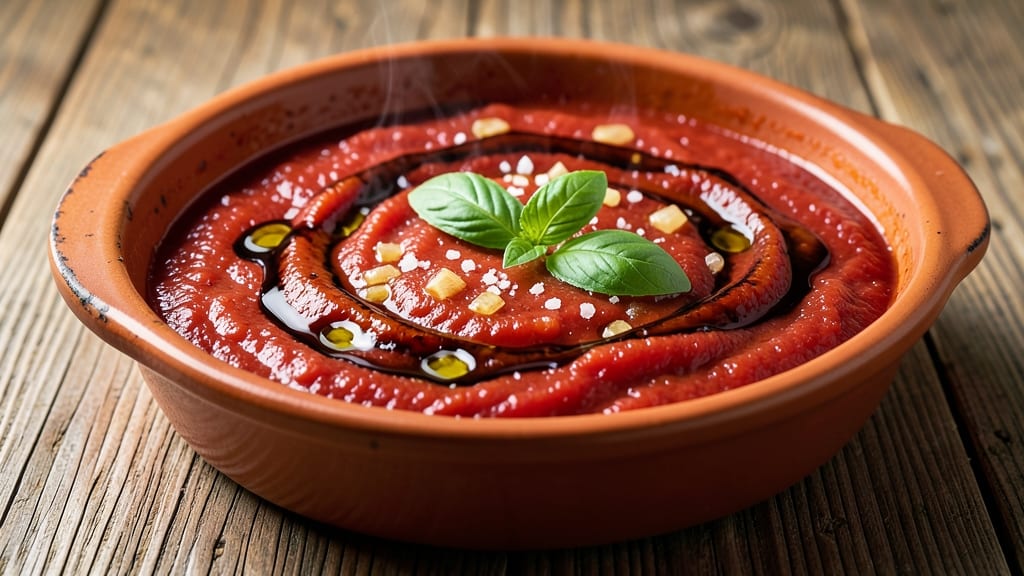
This authentic Italian tomato sauce recipe from scratch transforms simple ingredients into a rich, aromatic base that captures the essence of nonna's kitchen. 💛 The secret lies in slow simmering—letting flavors develop naturally without rushing—while balancing acidity, sweetness, and umami through traditional techniques like garlic blooming and wine reduction.
What sets this sauce apart is its depth: canned San Marzano tomatoes provide sweetness, while garlic and red wine add complexity. Fresh basil added at the end preserves its bright aroma, and a touch of sugar balances the acidity.
The result is a sauce that's versatile enough for pasta, pizza, or meatballs but rooted in authentic Italian tradition.
This method delivers a restaurant-quality sauce with minimal effort—just 45 minutes of active time and 2 hours of simmering. The key is patience: letting the sauce reduce slowly creates concentrated flavor while preventing bitterness. No shortcuts here, just the real deal.
Store it in the fridge for up to 5 days or freeze for months—perfect for meal prep. The sauce only gets better with time as flavors meld, making it the ultimate pantry staple for home cooks who demand authenticity.
Ingredients for authentic italian tomato sauce recipe from scratch
San Marzano tomatoes, fresh basil, and slow-simmered garlic create restaurant-quality Italian sauce from scratch.
| Ingredient | Amount | Notes |
|---|---|---|
| Extra-Virgin Olive Oil 🫒 | ½ cup | High-quality, fruity variety preferred |
| Yellow Onion 🧅 | 1 whole | Finely chopped, not minced |
| Garlic Cloves 🧄 | 6 cloves | Peeled, left whole for blooming |
| Canned San Marzano Tomatoes 🍅 | 28 oz | Whole, crushed by hand |
| Dry Red Wine 🍷 | ½ cup | Bold variety like Chianti or Sangiovese |
| Tomato Paste 🍅 | 2 tbsp | High-quality, no sugar added |
| Granulated Sugar 🍚 | 1 tsp | Balances acidity, not required |
| Fresh Basil Leaves 🌿 | ½ cup | Packed, stems removed |
| Diamond Crystal Kosher Salt 🧂 | 1 ½ tsp | Adjust to taste, not iodized |
| Freshly Ground Black Pepper 🌶️ | ½ tsp | Cracked peppercorns preferred |
The San Marzano tomatoes are non-negotiable for authentic sweetness—Whole Foods or Italian markets carry the best cans. Look for the DOP certification label to ensure quality. Garlic should be fresh, plump cloves with no green shoots; Costco sells them in bulk for better value. The olive oil matters too—California Extra Virgin brands like Corto or Lucini add fruity depth that cheap oils can't match. For the wine, any bold, dry red works—Cabernet Sauvignon or Merlot if you're not stocked on Italian varieties.
No San Marzano tomatoes? Crushed Roma tomatoes are the next best option, but add 1 tsp sugar to compensate for lower sweetness. Substitute red wine with dry vermouth or beef broth, though the flavor will shift slightly. Fresh basil can be swapped for dried at one-third the amount, but it won't have the same bright aroma. The tomato paste is crucial for thickening—Rao's or Barilla brands are reliable. For a quicker version, blend 1 cup crushed tomatoes with 1 tbsp paste instead of simmering whole tomatoes.
This sauce improves with time—3-5 days in the fridge develops deeper flavor, while freezing preserves it for up to 6 months. Portion into ice cube trays for easy meal prep additions. To reheat, warm gently on low heat, stirring occasionally. The sauce thickens as it cools, so add a splash of water if needed. Store in glass jars with a tight seal to maintain freshness.
Why You'll Love This Recipe
- No-Fuss Simplicity: The only chopping I do is dicing one onion and mincing garlic—then it’s just saute, deglaze, and simmer. Honestly, the hardest part is waiting for the wine to reduce.
- Wine-Infused Depth: That splash of dry red wine? It’s not just flavor—it’s the secret to a sauce that tastes richer and more complex than anything store-bought. The San Marzano tomatoes just melt into something velvety and bright.
- Weeknight to Weekend: Use it as a quick pasta sauce one night, then let it reduce overnight for a Sunday brunch bruschetta. Between us, I’ve even tossed it with roasted chicken and polenta—works every time.
- Budget-Friendly Pantry Hero: A can of tomatoes and a bottle of wine last me ages, and the olive oil stretches further than any jarred sauce. Plus, leftovers? They only get better with time, so I make a double batch and freeze half.
Step-by-step instructions for authentic Italian tomato sauce
Here's the traditional method that delivers restaurant-quality tomato sauce with perfect balance.
🍳 Step 1: Bloom the Aromatics in Olive Oil
Heat the 0.5 cup extra-virgin olive oil in a heavy-bottomed saucepan over medium-low heat. Add the 1 whole finely chopped yellow onion and cook for 5-6 minutes until completely translucent and just beginning to color. The onion should soften without browning—this prevents bitterness in your sauce.
Add the 6 whole garlic cloves and cook for another 1-2 minutes until they're fragrant but not browned. Watch carefully—they burn quickly. This slow cooking process develops the aromatic foundation of your sauce. I like to stir occasionally to ensure even cooking and prevent any spots from browning too quickly.
🍳 Step 2: Build the Sauce Base
Pour in the 0.5 cup dry red wine and scrape up any browned bits from the bottom of the pan with a wooden spoon. This deglazing captures all the flavor you've built. Let the wine simmer for 3-4 minutes until it reduces by half and the alcohol aroma dissipates completely.
Stir in the 2 tbsp tomato paste and cook for 1 minute until it darkens slightly. This step deepens the tomato flavor and adds body to your sauce. The paste will dissolve completely into the oil, creating a rich foundation for the tomatoes you're about to add.
🍳 Step 3: Simmer the Tomatoes
Add the 28 oz crushed San Marzano tomatoes and 1 tsp granulated sugar. The sugar balances the natural acidity of the tomatoes without overpowering the flavor. Stir well to combine, then add the 1.5 tsp kosher salt and 0.5 tsp freshly ground black pepper.
Bring the sauce to a gentle simmer over medium-low heat. Partially cover the pan and cook for 25-30 minutes, stirring occasionally. You're looking for a sauce that thickens slightly but remains smooth. The tomatoes should break down completely, creating a velvety texture. Here's the thing—don't rush this step. The longer you simmer, the deeper the flavor develops.
🥘 Step 4: Finish with Fresh Basil
Remove the pan from heat and stir in the 0.5 cup packed fresh basil leaves. The heat will wilt the basil slightly, releasing its aromatic oils into the sauce. Let the sauce sit off the heat for 5 minutes—this allows the flavors to meld completely.
Taste and adjust seasoning if needed. The sauce should be balanced with bright tomato flavor, subtle sweetness from the sugar, and a touch of acidity from the wine. The basil adds that signature freshness that makes this sauce truly authentic. If the sauce is too thick, whisk in 1-2 tablespoons of water to reach your desired consistency.
⏰ Step 5: Rest and Serve
Transfer the sauce to a clean jar or bowl and let it rest at room temperature for 15-20 minutes before serving. This resting period allows the flavors to fully develop and the sauce to thicken slightly. The texture should be smooth and glossy, with a perfect balance of sweetness, acidity, and herbal notes.
Use your sauce immediately for pasta, or store it in the refrigerator for up to 5 days or freeze for up to 3 months. The longer it sits, the more complex the flavors become. This is the secret to authentic Italian tomato sauce—patience and proper technique.
Pro Tips For Making Authentic Italian Tomato Sauce Recipe From Scratch
- SWEEAT THE ONIONS LOW: After burning three batches, I finally figured out: cook the onions on medium-low heat for at least 10 minutes until they’re translucent and just starting to turn golden. High heat turns them bitter—this is where the sauce’s depth begins, not the drama.
- SALT THE TOMATOES FIRST: Drain the San Marzano tomatoes, then sprinkle them with a pinch of salt and let them sit for 5 minutes. This breaks down the skins slightly and balances their sweetness—no need to over-salt later when you’re tasting the sauce.
- DEGLAZE WITH WINE, THEN REDUCE: After the garlic hits the pan, pour in the red wine and let it bubble away for 3-4 minutes until it’s reduced by half. Skipping this step means your sauce will taste like you just poured wine into it instead of cooking it into flavor.
- STIR THE SAUCE EARLY, OFTEN: The first 15 minutes are critical—stir the sauce every 2-3 minutes to prevent sticking. I used to walk away, and that’s when the bottom turned to glue. A wooden spoon keeps it moving and helps the tomatoes break down evenly.
Pro cooking tips for this recipe
Garlic Blooming Mastery
Cooking garlic whole until fragrant but never browned is the foundation of authentic flavor. I use 6 whole cloves because they release aroma more gently than minced garlic, which burns instantly.
Bloom them in 0.5 cup olive oil over medium-low heat for just 1-2 minutes—this creates the aromatic base without bitterness. 🧄
For extra depth, add a pinch of red pepper flakes with the garlic. The heat enhances the garlic's sweetness while adding subtle warmth. Remove the cloves immediately after they're fragrant—overcooking turns them bitter. This step transforms simple sauce into something truly special.
Wine Reduction Secrets
Deglazing with 0.5 cup dry red wine captures all the caramelized onion and garlic flavors stuck to your pan. Let it reduce by half (3-4 minutes) to concentrate those flavors and burn off the alcohol completely.
I prefer Chianti or Sangiovese for their bright acidity, but Cabernet Sauvignon works too.
Never skip this step—it's what gives authentic Italian sauce its complexity. The wine adds depth that plain tomatoes can't match. For a non-alcoholic version, use 1 cup beef broth instead, but adjust seasoning afterward since broth is saltier.
Tomato Simmering Technique
Simmering 28 oz crushed San Marzano tomatoes uncovered for 25-30 minutes develops their natural sweetness while concentrating flavors. The key is medium-low heat—too high creates a skin, too low won't reduce properly. Stir occasionally to prevent sticking and let the sauce thicken naturally.
For a smoother texture, I blend 1 cup of the cooked tomatoes before adding them back. This removes skins and seeds while keeping the sauce's body. The sugar (1 tsp) balances acidity—never skip it unless your tomatoes are exceptionally sweet.
Basil Timing Matters
Adding 0.5 cup fresh basil at the very end preserves its bright aroma. Cooking it too long turns basil bitter. Let the sauce sit off heat for 5 minutes after adding basil—this lets the leaves infuse completely before wilting. I always remove stems first for cleaner flavor.
For a restaurant-quality finish, add 1 tsp extra-virgin olive oil at the end. This creates a glossy sheen and enhances all the flavors. The sauce should be vibrant red with visible basil specks—proof of its freshness.
Heat Control Essentials
Use a heavy-bottomed saucepan (like All-Clad or Le Creuset) to prevent scorching. Medium-low heat is critical—it allows even cooking without burning. If your sauce gets too thick, add 1-2 tbsp water while simmering to maintain balance.
Never boil the sauce—this creates a skin and concentrates acidity. The ideal simmer is gentle bubbles with occasional stirring. The sauce should reduce by about 25% by the end, creating a velvety consistency perfect for coating pasta.
Nutrition facts
Frequently asked questions
Why do you use San Marzano tomatoes specifically?
San Marzano tomatoes are the gold standard for Italian tomato sauce because their elongated shape and thick flesh yield a naturally sweet, low-acid pulp. Their flavor profile—less watery and more complex than regular canned tomatoes—creates a richer, more authentic base. The DOP certification guarantees quality, making them worth the investment for true Italian taste.
Can I make this sauce without wine?
Replace the 0.5 cup red wine with 1 cup beef broth or dry vermouth for depth. For a non-alcoholic version, use 1 cup chicken or vegetable broth and add an extra 0.5 tsp salt to compensate for the lower acidity. The wine adds complexity, but these substitutes work well in a pinch.
How do I know when the sauce is done?
The sauce is ready when it's reduced by about 25% and thickened slightly, with a glossy sheen. It should coat the back of a spoon smoothly without being gluey. The 25-30 minute simmer time is critical—don't rush it. The longer it cooks, the more concentrated and flavorful it becomes, but avoid boiling to prevent skin formation.
What if my sauce tastes too acidic?
A touch of 1 tsp sugar or a pinch of baking soda can neutralize acidity. For prevention, use San Marzano tomatoes (naturally sweeter) and simmer uncovered to let some moisture evaporate. If your sauce is too thin, simmer uncovered for 10 more minutes to reduce it further. The sugar in the recipe already balances acidity, but adjustments may be needed based on your tomatoes.
Can I make this sauce in a slow cooker?
Yes! Follow the same steps for blooming aromatics, then transfer everything to a slow cooker and cook on low for 4-5 hours or high for 2-3 hours. The slow cooker's gentle heat prevents scorching and develops deeper flavors. Add basil at the very end and let it infuse off-heat for 5 minutes before serving. The texture will be slightly thicker due to the longer cooking time.