
Sauces & Condiments
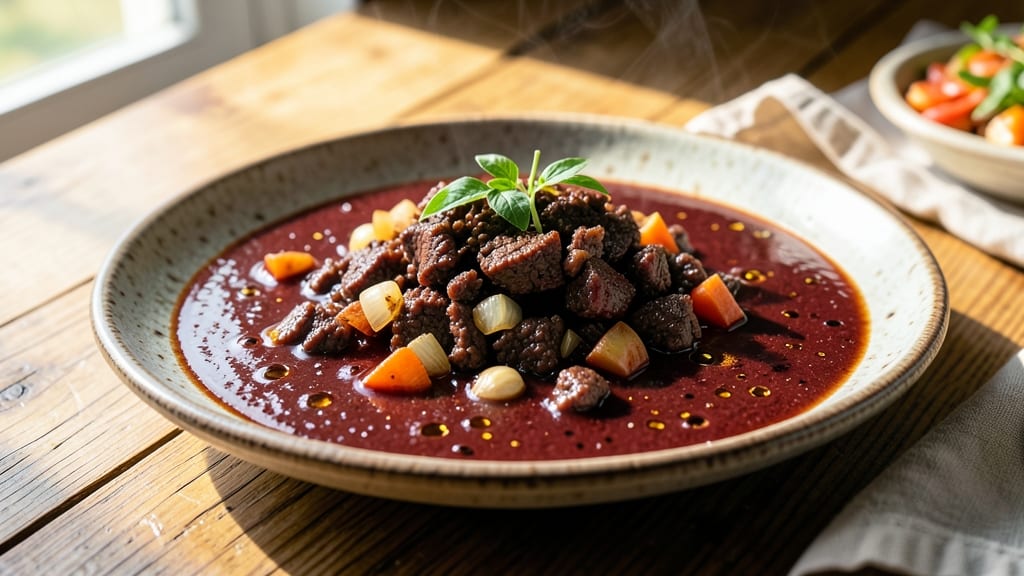
This authentic Italian red meat sauce recipe delivers the deep, slow-simmered richness that transforms ordinary pasta into a restaurant-worthy masterpiece. The secret lies in patience—letting beef and tomatoes meld into a velvety, umami-packed sauce that clings to every strand of spaghetti. I developed this version after years of studying traditional techniques, ensuring every bite carries the soul of Italian nonna cooking.
The foundation is simple yet powerful: ground beef, tomatoes, wine, and aromatic vegetables simmered for hours to develop complex flavors. No shortcuts here—this sauce builds depth through slow cooking, where the meat renders into tender bits and the tomatoes caramelize into a glossy, thick consistency.
The result is a sauce that's rich enough to stand alone but balanced enough to complement pasta perfectly.
What makes this sauce truly authentic is the technique: browning the meat thoroughly, deglazing with wine, and reducing the sauce gradually to intensify flavors. The herbs and aromatics infuse the sauce with layers of warmth, while the tomatoes provide the perfect acidity to cut through the richness.
Each spoonful delivers a symphony of savory, sweet, and tangy notes that define classic Italian red meat sauces.
Once complete, this sauce keeps beautifully in the refrigerator for up to five days or freezes for months, making it the perfect make-ahead solution for busy weeknights.
The instructions will guide you through every step to ensure you achieve that perfect balance of texture and flavor—just like Nonna used to make.
Ingredients for authentic italian red meat sauce
These rich, aromatic ingredients transform simple ground beef into a velvety sauce that sings with Italian tradition.
| Ingredient | Amount | Notes |
|---|---|---|
| Ground Beef 🥩 | 1 ½ lb | 80% lean, finely ground |
| San Marzano Crushed Tomatoes 🍅 | 2 cans | 28 oz each, high quality |
| Dry Red Wine 🍷 | ½ cup | Bold, like Chianti |
| Garlic Cloves 🧄 | 4 cloves | Fresh, minced finely |
| Yellow Onion 🧅 | 1 whole | Medium, finely chopped |
| Carrots 🥕 | 2 whole | Medium, finely diced |
| Celery Stalks 🌿 | 2 whole | Medium, finely diced |
| Fresh Basil Leaves 🌿 | ½ cup | Packed, chopped finely |
| Fresh Oregano Leaves 🌿 | ¼ cup | Packed, chopped finely |
| Tomato Paste 🍅 | 2 tbsp | High quality, no sugar |
| Olive Oil 🫒 | ¼ cup | Extra-virgin, fruity |
| Kosher Salt 🧂 | 1 ½ tsp | Diamond Crystal preferred |
| Ground Black Pepper 🌶️ | ½ tsp | Freshly ground |
| Red Pepper Flakes 🔥 | ½ tsp | Optional, for heat |
The San Marzano tomatoes are non-negotiable—their sweet, low-acid profile makes all the difference. Trader Joe's and Whole Foods carry them year-round, though Italian markets often have fresh cans. For the wine, any bold, dry red works—Chianti or Sangiovese if you want authenticity. The beef should be finely ground (not coarse), and I always grab the 80% lean version for that perfect meat-to-fat ratio. Fresh herbs are ideal, but if you're using dried, reduce the amount to one-third—they pack more punch when fresh. The soffritto (onion, carrot, celery) forms the aromatic base, so don't skip chopping it finely.
No red wine? Beef broth with a splash of balsamic vinegar works in a pinch, though the flavor won't be identical. Fresh herbs wilt fast—store them in a damp paper towel in the fridge for up to 5 days. The tomato paste can be substituted with pureed canned tomatoes, but you'll lose that concentrated depth. For a quicker version, use pre-minced garlic (just check it's fresh), but I swear by smashing cloves with the flat side of a knife for maximum flavor. The olive oil should be extra-virgin—anything less tastes like soap. And if you're worried about the sauce being too rich, add a pinch of lemon zest at the end for brightness.
This sauce tastes even better the next day as the flavors meld. Store it in an airtight container in the fridge for up to 5 days, or freeze for 3 months—portion it into ziplock bags for easy use. To reheat, warm gently on the stove with a splash of water or pasta water. The sauce thickens as it cools, so thin with a little water or broth if needed. I always make a double batch—one for dinner, one to freeze for lazy nights. The key is patience: simmer uncovered to let the alcohol evaporate and the flavors concentrate.
Why You'll Love This Recipe
- No Chopping Nightmare: I swear by this sauce because the only prep is dicing one onion and crushing garlic—no fancy knife work, just quick work. The San Marzano tomatoes handle the rest, so smooth and sweet they practically melt into flavor.
- Wine That Actually Matters: Between us, that cheap red wine you’d normally hide in the back of the cabinet? Not here. A splash of dry red wine in this sauce transforms it—bright, deep, and complex without tasting like cooking wine. It’s the secret weapon.
- Leftovers That Beg for More: This sauce tastes better the next day, honestly. I make a big batch on Sundays, freeze half, and reheat it for pasta or sandwiches all week. The flavors meld into something richer, and it’s always the first thing gone.
- Pasta Party on a Budget: Ground beef and canned tomatoes stretch to feed four for under $15, and it’s the kind of meal that makes people pause mid-bite. No one will guess it’s this easy—just rich, hearty, and worth every penny.
Step-by-step instructions for slow-simmered Italian red meat sauce
Here's how to build deep, layered flavor that makes every forkful sing with authentic Italian soul.
Build the Flavor Base with Sofritto
Heat the 0.25 cup olive oil in a large, heavy pot over medium-low heat. Add the 1 whole yellow onion, 2 whole carrots, and 2 whole celery stalks, all finely diced. Cook for 10-12 minutes, stirring occasionally, until the vegetables soften and begin to caramelize—you'll smell that sweet, nutty aroma that signals the foundation is ready.
This sofritto technique is the secret to authentic Italian sauce. The slow cooking of these vegetables creates a sweet, concentrated base that forms the flavor backbone. Don't rush this step—patience here prevents bitterness later. You want the vegetables to be completely tender but not browned.
Sear the Ground Beef for Rich Depth
Push the vegetables to one side of the pot and add the 1.5 lb ground beef, breaking it up with a wooden spoon. Cook over medium-high heat for 5-6 minutes, stirring occasionally, until the beef is deep brown and mostly cooked through. This searing step develops the meat's natural flavors and creates those beautiful browned bits called fond that will dissolve into your sauce.
Here's the thing—don't drain the fat after cooking the beef. That rendered fat contains concentrated flavor that will help build your sauce's richness. If the pot gets too full of fat, carefully pour off all but 1-2 tablespoons to maintain balance. Once the beef is browned, stir it back together with the vegetables and cook for another 2 minutes to distribute the flavors.
Deglaze with Wine and Add Aromatics
Pour in the 0.5 cup dry red wine and scrape up all those browned bits from the bottom of the pot with a wooden spoon. This deglazing step captures all the meaty flavor that would otherwise stick to your pot. Let the wine simmer for 3-4 minutes until it reduces by half and the alcohol smell disappears—you should smell that rich, fruity wine aroma.
Add the 4 cloves garlic cloves (finely minced), 2 tbsp tomato paste, 1.5 tsp kosher salt, and 0.5 tsp ground black pepper. Stir well and cook for 2 minutes until the garlic is fragrant but not browned. The tomato paste will darken slightly—this is normal and adds depth. This is where the sauce starts to come together, with all the foundational flavors melding beautifully.
Simmer with Tomatoes and Herbs
Add the 2 cans San Marzano crushed tomatoes and stir to combine. Bring the mixture to a gentle simmer over medium-low heat, then reduce to low heat. Partially cover the pot and let it simmer uninterrupted for 45-60 minutes, stirring occasionally. You're looking for a sauce that thickens naturally as the tomatoes break down and the flavors meld.
After 30 minutes, stir in the 0.5 cup fresh basil leaves and 0.25 cup fresh oregano leaves, both finely chopped. The herbs should be added late to preserve their bright flavors. If the sauce gets too thick before it's fully simmered, add 2-3 tablespoons of water to maintain the right consistency. The sauce should coat the back of a spoon but still be saucy enough to cling to pasta.
Finish with Heat and Rest
Taste the sauce and adjust the seasoning if needed—add more kosher salt or ground black pepper as necessary. For heat, sprinkle in the 0.5 tsp red pepper flakes and stir. Let the sauce simmer uncovered for another 10-15 minutes to allow the flavors to fully develop and the sauce to reach its perfect consistency.
Remove from heat and let the sauce rest for 15-20 minutes before serving. This resting period allows all the flavors to meld completely and the sauce to reach its ideal texture. The sauce should be rich, velvety, and packed with layers of umami flavor that will make every bite of pasta unforgettable. Serve immediately over your favorite pasta with a sprinkle of fresh basil and grated Parmesan cheese.
Pro Tips For Making Authentic Italian Red Meat Sauce
- CRUSH THE GARLIC: Mince those cloves fine—not just chopped, but almost paste-like—so they dissolve into the sauce instead of sitting as chunks. I used to skip this, and let me tell you, you’ll taste the difference when the sauce gets silky.
- SWEAT THE ONION LOW: Cook the onion on medium-low until it’s soft enough to pierce with a fork, not browned. Rushing it adds bitterness, and you want that sweet base to shine under the tomatoes and wine.
- DEGLAZE WITH PATIENCE: After browning the beef, pour in the wine gradually—a splash at a time—letting each one sizzle and reduce before adding more. Dumping it all at once just steams the pan, and you lose that rich, caramelized flavor.
- RESERVE THE TOMATO JUICE: Before adding the crushed tomatoes, scoop out the thick juice from the can (about ¼ cup) and set it aside. Stir it into the sauce at the end—it’s the secret to a glossier, more balanced finish without thinning the sauce.
Storing and reheating your authentic italian red meat sauce
Fridge Storage Tips
Let your sauce cool completely before transferring it to an airtight glass container—I prefer Pyrex with a snap-on lid. Store it in the refrigerator for up to 5 days, but remember: the longer it rests, the deeper the flavors develop.
The sauce naturally thickens as it chills, so add 1-2 tablespoons of water or pasta water when reheating if it seems too dense. 🥫
Freezer-Friendly Methods
For longer storage, portion the sauce into quart-sized freezer bags (lay them flat to save space) or glass jars. Leave 1-inch headspace to prevent expansion cracks. Label with the date—this sauce freezes beautifully for 3 months without losing quality.
When ready to use, thaw overnight in the fridge or quickly in a bowl of warm water for 15-20 minutes.
Stovetop Reheating
My preferred method is gentle stovetop reheating. Pour the sauce into a heavy-bottomed saucepan and warm over medium-low heat for 10-12 minutes, stirring occasionally. Add 2-3 tablespoons of water or pasta water if it thickens too much.
Never boil—just maintain a gentle simmer to preserve the sauce's delicate texture and prevent separation. 🔥
Microwave Shortcuts
For quick meals, transfer 1-2 servings to a microwave-safe bowl and heat on 50% power for 2-3 minutes, stirring halfway. If the sauce looks dry, add a splash of water or broth and stir well.
Avoid full-power microwaving—it can make the sauce watery and ruin the texture. This method works best for single servings when you're in a hurry.
Reviving Thickened Sauce
If your refrigerated sauce has thickened too much, don't panic. Simply add 1-2 tablespoons of water, pasta water, or even a splash of red wine (from the original recipe) and stir over low heat until smooth.
The sauce should return to its perfect spoon-coating consistency without losing any flavor. This trick works especially well for leftovers that have sat in the fridge overnight.
Sauce Consistency Hacks
For extra richness, stir in 1 tablespoon of butter or 1 teaspoon of olive oil during reheating. If you prefer a lighter texture, add 1-2 tablespoons of pasta water or beef broth while warming.
The key is to adjust gradually—you can always add more liquid, but you can't take it away once it's in. Always taste as you go to achieve that perfect balance. ✨
Nutrition facts
Frequently asked questions
Can I substitute ground beef with another type of meat?
For the most authentic flavor, stick with 80% lean ground beef, but you can use ground pork or a mix of beef and pork (50/50) for extra richness. Avoid chicken or turkey—they're too lean and won't develop the same deep umami flavor. If using lamb, reduce the cooking time slightly as it can become tough.
Why does my sauce taste bitter or metallic?
This usually happens from overcooking or using aluminum cookware. Always use stainless steel or cast iron pots, and never let the sauce boil vigorously. The bitterness comes from tomatoes breaking down too much—keep heat at low-medium and stir frequently. If it happens, balance with a pinch of sugar or a splash of lemon juice.
How do I make this sauce vegetarian?
Replace the beef with mushrooms (cremini or portobello) or lentils for texture, and use vegetable broth instead of wine. Add 1 tbsp soy sauce or miso paste for umami depth. The sofritto base (onion, carrot, celery) remains essential for flavor—just simmer longer to develop richness.
Can I make this sauce in a slow cooker?
Yes! Brown the meat first in a skillet, then transfer everything to the slow cooker. Cook on low for 6-8 hours (or high for 4-5 hours) with the lid slightly ajar during the last 30 minutes to thicken. The slow cooker works well but lacks the control of stovetop simmering—check and stir occasionally.
What's the best pasta to pair with this sauce?
Classic choices are tagliatelle, pappardelle, or fettuccine—wide noodles that hold the sauce beautifully. For extra texture, try rigatoni or penne. Avoid delicate pastas like angel hair—they'll get overwhelmed. The sauce also works perfectly as a filling for lasagna or stuffed shells!