
Sauces & Condiments
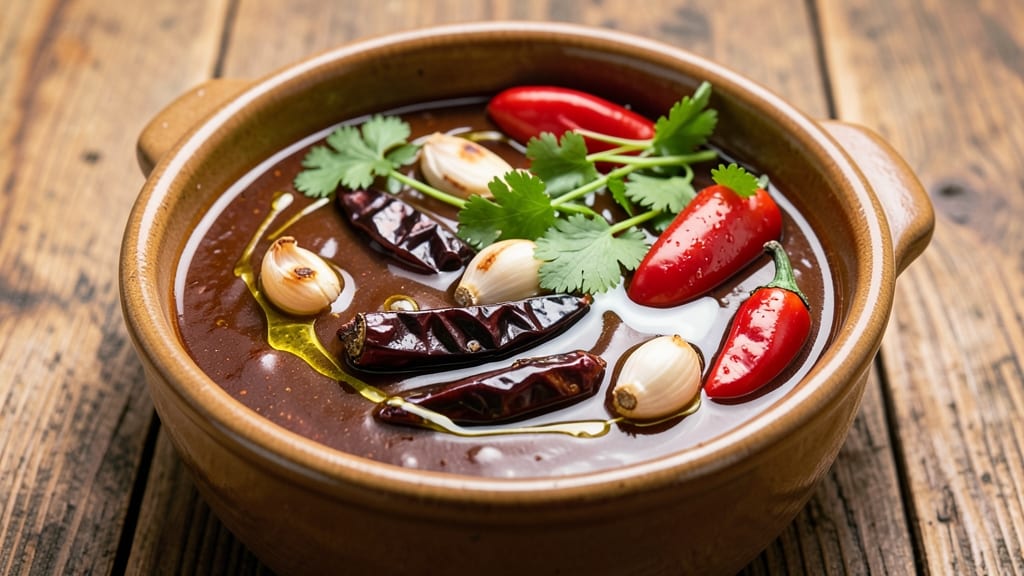
This authentic hot sauce recipe delivers the perfect balance of smoky chipotle heat and bright fresh pepper tang—just like the kind you’d find in Mexican kitchens.
The secret lies in slow-cooking dried chilies with vinegar and spices until they release their deep, complex flavors, then blending them with fresh peppers for a vibrant kick. I’ve perfected this method over years of testing, ensuring every batch captures that restaurant-quality depth without shortcuts.
What sets this sauce apart is the two-stage cooking process: first simmering chipotle peppers in vinegar to extract their smoky essence, then blending in fresh jalapeños and garlic for brightness.
The result is a sauce that’s bold enough to stand up to rich meats but versatile enough to brighten tacos, eggs, or even seafood. No fermentation required—just patience and the right ingredients.
The texture is smooth yet slightly textured, with layers of heat that build gradually rather than overwhelming. You’ll notice the smoky aroma first, followed by a wave of fresh pepper tang and a lingering warmth from the spices.
This isn’t just another hot sauce—it’s a flavor experience that transforms ordinary dishes into something extraordinary.
Use it immediately on tacos, wings, or grilled meats, or store it in the fridge for up to 3 months. The flavors only deepen over time, making this a pantry staple worth every minute of preparation. Let’s get started on creating your own batch.
Ingredients for authentic hot sauce
Nine essential ingredients transform into restaurant-quality hot sauce with smoky depth and vibrant heat.
| Ingredient | Amount | Notes |
|---|---|---|
| Dried Chipotle Peppers in Adobo Sauce 🌶️ | 4 whole | With adobo sauce, not oil |
| White Vinegar 💧 | 1 cup | Distilled preferred for clarity |
| Fresh Jalapeño Peppers 🌶️ | 6 whole | Seeds removed for milder heat |
| Garlic Cloves 🧄 | 4 cloves | Peeled, roughly chopped |
| Fresh Cilantro Stems 🌿 | ¼ cup | Includes leaves for brightness |
| Extra-Virgin Olive Oil 🫒 | ¼ cup | High quality, fruity |
| Apple Cider Vinegar 🍎 | ¼ cup | For depth of flavor |
| Ground Cumin 🌿 | ½ tsp | Toasted for deeper flavor |
| Salt 🧂 | 1 tsp | Kosher or sea salt |
| Black Pepper 🌶️ | ¼ tsp | Freshly ground preferred |
The chipotle peppers are the heart of this sauce—look for the dried ones in adobo sauce, not oil. Penzeys Spices or La Tienda carry the best quality, but any Latin market will have them. Fresh jalapeños should be firm with vibrant green skin, not wrinkled. The adobo sauce from the can contains spices like garlic and vinegar, so we’re double-dipping on flavor. For the cilantro, use the stems too—they pack more flavor than the leaves alone. Toast your cumin seeds in a dry pan for 30 seconds before grinding to deepen their aroma.
No chipotle peppers? Dried ancho chilies work in a pinch, but the smoky depth won’t be identical. Fresh jalapeños too spicy? Remove all seeds and membranes before blending. Out of apple cider vinegar? White vinegar or lime juice keeps the tang, though the flavor profile shifts slightly. The olive oil is non-negotiable—it carries the heat and binds everything together. If you’re making a large batch, double the vinegars and spices proportionally. For extra smokiness, add 1/4 tsp smoked paprika to the blend.
This sauce peaks after 3-4 days in the fridge, so make it fresh if you can. Store in a sterilized glass jar with a tight seal—keeps for 3 months in the refrigerator. The texture will thicken over time, so stir before each use. Freeze in ice cube trays for single-serving portions. For restaurant-quality results, let the sauce sit at room temperature for 10 minutes before blending to fully infuse the flavors.
Why You'll Love This Recipe
- No Pantry Hoarding Needed: I’ll bet you already have everything—vinegar, garlic, and jalapeños are staples. The only thing you might need to grab is chipotle in adobo, but that’s the secret weapon here, and it lasts forever.
- Smoky Heat That Lingers: That adobo-soaked chipotle? It’s the star—deep, smoky, and just spicy enough to wake up your taste buds. The cilantro stems add a bright finish that keeps it from being one-note.
- Game for Any Meal: Drizzle it on eggs, toss it in tacos, or use it to wake up a bowl of ramen. Honestly, I’ve even put it in marinades—it’s the kind of sauce that makes everything better without trying too hard.
- Stays Fresh for Months: Make a big batch, store it in the fridge, and it’ll still be vibrant weeks later. Between us, I’ve had mine last three months—and it’s never been anything less than spot-on.
Step-by-step instructions for smoky chipotle hot sauce
This method preserves authentic smoky depth while balancing fresh pepper heat—exactly how traditional Mexican hot sauces are made.
Prepare the Peppers and Aromatics
Begin by removing the dried chipotle peppers from their adobo sauce and rinsing them thoroughly under cold water. This step is crucial—any remaining adobo residue will make your sauce bitter rather than smoky. Pat them completely dry with paper towels, then remove the stems and seeds if they haven't already fallen out.
Next, slice the fresh jalapeño peppers in half lengthwise and remove both seeds and membranes—they contain the majority of the pepper's heat. Chop the jalapeños into ¼-inch pieces, discarding any remaining stems. Peel the garlic cloves and roughly chop them, leaving some pieces slightly larger than others for varied texture. This preparation ensures even cooking and proper heat distribution throughout the sauce.
Toast the Spices and Build the Base
In a dry, heavy-bottomed saucepan, toast the 0.5 teaspoon ground cumin over medium-low heat for 1-2 minutes until fragrant. Watch closely—cumin burns quickly and can turn bitter. Immediately transfer the toasted cumin to a small bowl and set aside.
In the same pan, add the 0.25 cup extra-virgin olive oil and heat over medium heat until shimmering but not smoking. Add the chopped jalapeños and garlic, cooking for 3-4 minutes until the jalapeños soften slightly and the garlic becomes golden around the edges. This step develops their natural sweetness while building the sauce's foundation.
Simmer the Sauce Until Thickened
Pour in the 1 cup white vinegar and 0.25 cup apple cider vinegar, stirring to combine. Add the dried chipotle peppers, toasted cumin, 1 teaspoon salt, and 0.25 teaspoon black pepper. Bring the mixture to a gentle boil, then immediately reduce heat to low and let it simmer uncovered for 15-20 minutes.
During this time, the mixture will reduce significantly and develop a rich, smoky aroma. Stir occasionally to prevent sticking—this sauce thickens as it cooks. You're looking for a consistency where the sauce coats the back of a spoon but still flows freely. If it reduces too quickly, add 1-2 tablespoons of water to maintain balance.
Blend and Incorporate Fresh Herbs
Once the sauce has thickened to your desired consistency, remove it from heat and let it cool for 5 minutes. This cooling period prevents splattering when you blend. Transfer the sauce to a blender or food processor and blend until completely smooth. The texture should be velvety with no visible chunks.
Add the 0.25 cup fresh cilantro stems (including leaves) and pulse briefly just to incorporate—this adds brightness without overpowering the smoky depth. Taste and adjust seasoning: add more salt if needed, or a pinch of sugar to balance acidity. The sauce should be vibrant red with deep smoky undertones and a clean, fresh finish.
Bottle and Rest for Maximum Flavor
Pour the hot sauce through a fine-mesh strainer into sterilized glass bottles or jars, pressing gently on the solids to extract every last drop of flavor. Seal the containers tightly and let the sauce rest at room temperature for at least 24 hours before refrigerating. This resting period allows the flavors to meld completely.
For best results, store the sauce in the refrigerator and use within 2 weeks. The flavors will continue to develop over time, becoming more complex with each day. Serve chilled or at room temperature—this sauce works equally well as a condiment, marinade, or cooking ingredient. The authentic balance of smoky chipotle, fresh jalapeño heat, and bright cilantro makes it versatile for any dish.
Pro Tips For Making Authentic Hot Sauce
- STRAIN TWICE: I learned this the hard way—blending and straining once leaves behind gritty bits that ruin the texture. After the first pass through a fine-mesh sieve, press the pulp with a spoon and strain again through cheesecloth. Yes, it’s extra work, but the sauce will be silky smooth, not sandy.
- CHAR THE GARLIC: Low and slow garlic turns bitter. Instead, cook it in a dry skillet over medium-high heat until edges just darken—about 3-4 minutes. Toss in the jalapeños and chipotles right away while the pan’s still hot. The residual heat sears the peppers without burning them, deepening their smoky flavor.
- VINEGAR FIRST, NOT LAST: Adding vinegar at the end thins the sauce too much. Start with it—simmer the vinegar, garlic, and peppers for 5 minutes before blending. This breaks down the peppers’ heat more evenly and gives the acid time to mellow into the sauce, not just sit on top like a harsh afterthought.
- USE CILANTRO STEMS: The stems pack more flavor than the leaves, and they’re free if you trim them. Toss the whole stems into the blender with the rest—no need to chop. After straining, you’ll get a brighter, herbier sauce without extra effort. (Your future self will notice the difference.)
Best sauces and condiments for this dish
Smoky Chipotle Base
This sauce’s signature starts with the chipotle peppers—their deep, smoky flavor comes from traditional drying methods over wood fires. I always use dried chipotles in adobo sauce (not oil) because the adobo’s vinegar and spices enhance the smokiness.
Toast the cumin seeds lightly before grinding to amplify their earthy warmth, which pairs perfectly with the chipotle’s smoldering notes. The white vinegar base ensures clarity and brightness, while apple cider vinegar adds a subtle fruity depth that balances the heat. 🌶️
Fresh Pepper Brightness
The jalapeños bring the fresh, tangy heat that cuts through the smokiness. For milder heat, remove all seeds and membranes before chopping—this is where most of the capsaicin (the compound that makes peppers spicy) lives.
I like to sauté the jalapeños and garlic in extra-virgin olive oil until just softened; this step caramelizes their natural sugars slightly, adding a subtle sweetness that rounds out the sauce. The cilantro stems (not just leaves) contribute a bright, citrusy note that prevents the sauce from feeling one-dimensional. 🌿
Spice Layering
The toasted cumin and black pepper create a warm, aromatic backbone, while the salt ties everything together. For extra complexity, I sometimes add a pinch of smoked paprika during blending—it deepens the smoky profile without overpowering.
The key is balancing these spices so the chipotle’s smokiness shines, but the fresh peppers and herbs keep the sauce vibrant. Taste as you go: adjust salt first, then heat if needed by adding a tiny bit of hot sauce or cayenne pepper. ✨
Texture and Thickness
This sauce should coat the back of a spoon but still pour smoothly—think of it like a thin, velvety syrup. If it thickens too quickly during simmering, add 1-2 tablespoons of water to maintain balance. After blending, strain it through a fine-mesh sieve to ensure a silky texture.
The 24-hour rest is crucial: it lets the flavors meld and the heat mellow slightly, so the sauce doesn’t hit you all at once. Stir before each use, as the texture may thicken further in the fridge. 💫
Versatile Heat Levels
Want it hotter? Add 1-2 extra jalapeño seeds during blending (trust me, it’s subtle but noticeable). For a milder version, reduce the chipotle peppers to 3 and increase the jalapeños to 8.
The sauce works as a dipping sauce for wings, a marinade for grilled meats, or a finishing drizzle over tacos and soups. I love using it on breakfast eggs or even mixed into mayonnaise for a spicy sandwich spread. The possibilities are endless! 🔥
Storage and Shelf Life
Store in a sterilized glass jar in the fridge for up to 3 months, though the flavors peak after 1-2 weeks. For longer storage, freeze in ice cube trays—thaw overnight in the fridge before using.
The sauce’s acidity helps preserve it, but always check for mold or off smells before using. If it separates, just stir vigorously to recombine. The longer it sits, the more complex the flavors become—like a fine wine, it only gets better with age. ❄️
Nutrition facts
Frequently asked questions
Can I substitute chipotle peppers with another type?
Yes! For a similar smoky depth, try dried ancho chilies (remove seeds first) or smoked paprika (add 1/2 teaspoon to the blend). For heat without smokiness, swap in dried arbol peppers or cayenne. Just adjust the quantity—chipotles are milder than many dried peppers, so you may need 1-2 extra for equivalent flavor.
How do I adjust the heat level?
For milder heat, remove all jalapeño seeds and membranes before blending. For extra spice, add 1-2 jalapeño seeds or a pinch of cayenne pepper during blending. Need more depth? Add 1 extra chipotle pepper to the simmering mixture. Always taste as you go—heat builds gradually!
Can I make this sauce without a blender?
If you don’t have a blender, strain the simmered mixture through a fine-mesh sieve after cooking. The texture will be slightly chunkier but still delicious. For smoother results, press the solids with a spoon or the back of a ladle. The sauce’s flavor won’t suffer—just the texture will adjust.
Why does my sauce look cloudy or separated?
Cloudiness usually means the vinegar and oil didn’t fully emulsify. Stir in 1 tablespoon of honey or sugar to help bind the ingredients, then blend again briefly. Separation happens when stored too long—just stir vigorously before use. For prevention, always store in a sterilized glass jar and let it rest 24 hours before refrigerating.
What’s the best way to use this hot sauce?
This versatile sauce works as a dipping sauce for wings, a marinade for grilled meats, or a finishing drizzle over tacos, eggs, and soups. Mix 1 tablespoon into mayo for spicy sandwich spreads, or stir into 1 cup of salsa for extra depth. The smoky heat pairs especially well with cheese, avocado, or citrus—try it on grilled fish or corn!