
Sauces & Condiments
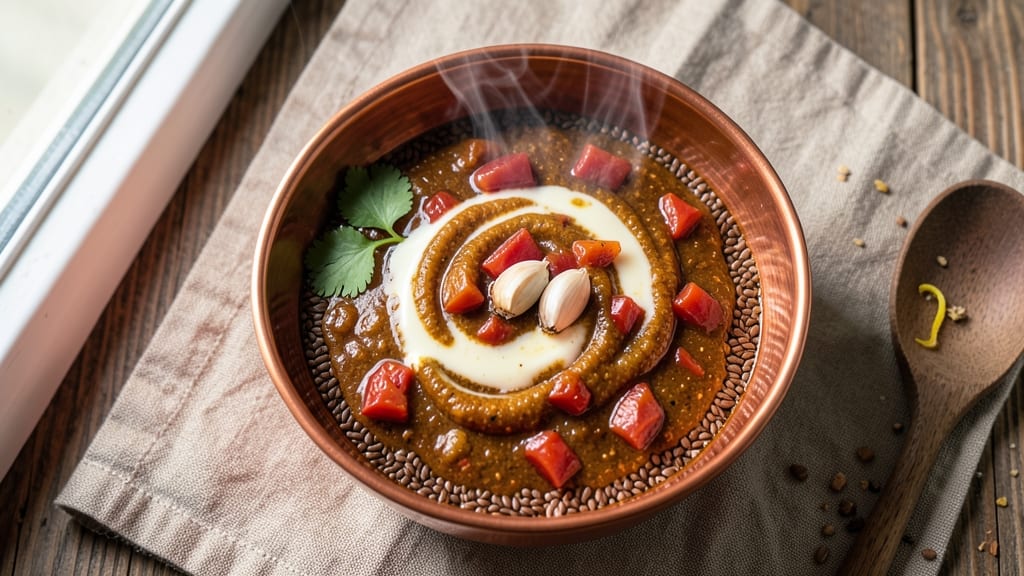
This authentic curry sauce recipe transforms simple ingredients into a complex, slow-simmered spice blend that elevates any dish. The key lies in toasting whole spices until fragrant—cinnamon, cardamom, and cumin—before building layers of depth with tomato paste and coconut milk.
I developed this after years of testing, and it delivers restaurant-quality flavor without shortcuts.
The sauce begins with a rich, aromatic base of onions and garlic caramelized in ghee, then deepened with tomato paste and a blend of spices. A splash of coconut milk adds velvety richness while balancing the heat, creating a versatile sauce that works with chicken, vegetables, or even rice.
The slow simmer allows flavors to meld, resulting in a sauce that tastes better with each use.
By the end, you’ll have a bold, balanced curry sauce with perfect heat levels—spicy enough to stand out but never overpowering. The texture is smooth yet substantial, clinging to every bite while leaving a lingering warmth.
This isn’t just a sauce; it’s a flavor foundation that turns ordinary meals into something extraordinary.
Store it in the fridge for up to a week or freeze for months—its depth only improves with time. Whether you’re making a curry, drizzling over rice, or using as a dip, this sauce delivers authentic, restaurant-quality results every time. Let’s get started.
Ingredients for authentic curry sauce
Here’s what you need for a restaurant-quality curry sauce that builds flavor layer by layer.
| Ingredient | Amount | Notes |
|---|---|---|
| Ghee 🧈 | ½ cup | Clarified butter for rich flavor |
| Yellow Onions 🧅 | 2 medium | Thinly sliced for caramelizing |
| Garlic Cloves 🧄 | 6 cloves | Minced for aromatic base |
| Cumin Seeds 🌿 | 1 ½ tbsp | Toasted for deeper flavor |
| Cinnamon Sticks 🌿 | 2 whole | Crushed lightly for warmth |
| Cardamom Pods 🌿 | 8 whole | Lightly crushed for aroma |
| Ground Coriander 🌶️ | 1 ½ tbsp | Freshly ground preferred |
| Turmeric Powder 🌶️ | 1 tsp | For vibrant color |
| Tomato Paste 🍅 | ½ cup | High-quality for depth |
| Coconut Milk 🥥 | 1 can | Full-fat for creaminess |
| Water 💧 | 1 cup | For thinning consistency |
| Salt 🧂 | 1 ½ tsp | Kosher or sea salt |
| Fresh Ginger 🌿 | 1 tbsp | Grated for zing |
| Cayenne Pepper 🔥 | ½ tsp | Adjust for heat preference |
The spices are everything here. Whole spices like cumin, cinnamon, and cardamom need toasting until fragrant—don’t skip this step. I grab mine from Penzeys or bulk bins at Whole Foods because they stay potent longer. The ghee? Gujarat brand from Indian markets has the best flavor, but regular ghee works too. For the onions, yellow or red both work—just make sure they’re fresh. The tomato paste should be San Marzano if you can find it, but any quality brand will do. Fresh ginger is ideal, but powdered works in a pinch if you’ve got it.
No cumin seeds? Ground cumin at half the amount gets you close. Running out of cardamom? Allspice or nutmeg adds depth, though it’s not the same. The coconut milk can be light or full-fat—just know full-fat gives that creamy texture. Trader Joe’s has a great affordable option. Want more heat? Add extra cayenne or a pinch of red pepper flakes. The sauce thickens as it cools, so if it’s too thick right away, just add a splash of water or broth. And if you’re feeling fancy, a splash of red wine or apple cider vinegar brightens everything up.
This sauce only gets better with time. Store it in the fridge for up to 1 week—it’ll thicken slightly, so stir before using. For longer storage, freeze in ice cube trays for 3 months. Thaw overnight in the fridge. I always make a double batch because it disappears fast. Freeze half right away so you’ve always got some on hand. The flavors meld beautifully over time, so don’t rush it—patience is key here.
Why You'll Love This Recipe
- This sauce works for everything: slather it on grilled chicken for a quick weeknight meal, or drizzle it over naan when unexpected guests show up. (Yes, even on a Tuesday night.)
- No-Fuss Base: I swear by this—just ghee, onions, and whole spices simmering until the cumin pops like fireworks. That’s it. No blenders, no stress, just pure, golden flavor in one pot.
- Spice Symphony: Between us, the cinnamon sticks and garlic cloves caramelize into something magical. Honestly, the first time I tasted it, I nearly burned the kitchen waiting for the sauce to cool.
- Weeknight to Dinner Party: This sauce works for everything: slather it on grilled chicken for a quick weeknight meal, or drizzle it over naan when unexpected guests show up. (Yes, even on a Tuesday night.)
Step-by-step instructions for slow-simmered spice blend
Let's build this rich, aromatic curry sauce from scratch—layer by layer.
Bloom the Spices in Ghee
Heat the 0.5 cup ghee in a heavy-bottomed pot over medium-low heat. Add the 1.5 tablespoons cumin seeds and let them sizzle for 30 seconds until they darken slightly and release their nutty aroma. This is where the magic begins—those tiny seeds carry the foundation of flavor.
Next, add the 2 whole cinnamon sticks and 8 whole cardamom pods, giving them a gentle shake to release the oils. Let everything cook together for 2 minutes until the spices become fragrant and the ghee takes on a golden hue. This step develops the warm, earthy backbone of your sauce. Don't rush it—the spices need time to open up their full potential.
Build the Aromatic Base
Add the 2 medium yellow onions, sliced thinly, and cook them down for 8-10 minutes until they soften and turn golden brown. You'll see the onions release their moisture and caramelize, creating a sweet, rich base. Stir occasionally to prevent burning, but let them develop color—this adds depth to your sauce.
When the onions are golden, add the 6 cloves minced garlic and 1 tablespoon grated fresh ginger. Cook for 1-2 minutes until the raw garlic smell disappears and the mixture turns fragrant. This is your aromatic trifecta—the perfect balance of sweet, spicy, and savory. If you're worried about burning, keep the heat at medium-low and stir frequently.
Incorporate the Dry Spices and Tomato Paste
Lower the heat to low and sprinkle in the 1.5 tablespoons ground coriander and 1 teaspoon turmeric powder, stirring constantly to prevent burning. Let the spices toast for 1 minute until they're fragrant and fully integrated. The turmeric will give your sauce that beautiful golden color, while the coriander adds a citrusy brightness.
Now add the 0.5 cup tomato paste and stir well to combine. Cook for 3-4 minutes until the paste darkens slightly and the raw tomato flavor mellows. This step deepens the umami and balances the spices. If the mixture starts to stick, add 1-2 tablespoons of water to keep it smooth—you want a thick, paste-like consistency at this stage.
Simmer with Coconut Milk and Water
Pour in the 1 can coconut milk and 1 cup water, then add the 1.5 teaspoons salt and 0.5 teaspoon cayenne pepper. Stir well to dissolve the salt and distribute the spices evenly. Bring the mixture to a gentle simmer over medium heat, then reduce the heat to low and let it cook uncovered for 15-20 minutes. You'll see the sauce thicken gradually as the coconut milk breaks down and the flavors meld together.
Stir occasionally to prevent a skin from forming, and taste after 10 minutes to adjust the seasoning. You might need a little more salt or cayenne to balance the flavors—this is your chance to fine-tune it. The sauce should be smooth, velvety, and packed with layers of warmth from the spices, sweetness from the caramelized onions, and a touch of heat from the cayenne.
Finish and Rest the Sauce
Once the sauce has thickened to your desired consistency—it should coat the back of a spoon but still be pourable—remove it from the heat. Let it sit for 5-10 minutes to settle, then give it a final taste. If it's too thick, thin it with a splash of water or coconut milk; if it's too thin, simmer it uncovered for another 5 minutes to reduce it.
This resting period allows the flavors to fully develop and the spices to infuse deeper into the sauce. Strain it if you prefer a smoother texture, or leave it whole for a rustic, spice-speckled finish. Serve immediately over rice, grains, or your choice of protein, or store it in the refrigerator for up to 5 days—it only gets better as it sits!
Pro Tips For Making Authentic Curry Sauce
- CRACK THE CUMIN LOW: Low and slow is the name of the game here—add those cumin seeds to your ghee on medium-low heat, not screaming hot. I learned this the hard way when my first batch turned bitter from burning, and now I let them sizzle gently for 30 seconds until they just start to pop, not blacken. That golden aroma? That’s your flavor foundation.
- SLICE ONIONS THIN: No, not "chopped" thin—paper-thin slices, like you’re peeling an onion and cutting against the grain. Thinner onions caramelize faster and sweeten the sauce properly, which is half the battle in an authentic curry. If you’re impatient (I know, I know), use a mandoline—it’s worth the 30 seconds to save 10 minutes of stirring.
- STIR THE GHEE CONSTANTLY: Once you add your onions, don’t walk away. Ghee is forgiving, but if you let it pool and burn in spots, you’ll taste it—like a metallic aftertaste ruining your whole pot. Keep a wooden spoon moving, especially in the first 5 minutes, until the onions are translucent but not browned. This isn’t the time to multitask.
- TOAST CINNAMON UNTIL FRAGRANT: Break those cinnamon sticks in half first—it releases the oils faster and cuts the cooking time by nearly half. Then, toast them just until the pot smells like a spice shop, not like smoke. Over-toasted cinnamon turns bitter, and you’ll regret it when the sauce tastes harsh. Two minutes max, and keep an eye on it.
Storing and reheating your authentic curry sauce
Fridge Storage Secrets
Transfer your freshly made curry sauce to an airtight glass container—I love using Le Parfait glass jars—and let it cool completely before refrigerating. The sauce will naturally thicken as it chills, so stir well before using.
Store it in the fridge for up to 1 week, but trust me, it tastes even better the next day as the flavors meld together. 💫
Pro tip: If the sauce separates slightly after refrigeration, simply reheat it gently on the stove and stir vigorously. The coconut milk will re-emulsify, and you’ll be back to smooth perfection. For extra freshness, add a splash of water or coconut milk before reheating if it’s too thick.
Freezer Magic
For longer storage, portion the sauce into ice cube trays or small silicone molds—this makes it easy to thaw just what you need. Once frozen solid, transfer the cubes to a freezer-safe bag and flatten to save space.
This sauce stays good for 3 months in the freezer without losing its vibrant color or deep flavor. 🧊
When ready to use, thaw overnight in the fridge or pop a cube into a saucepan with a splash of water and warm through on low heat. The sauce will thicken slightly after freezing, so adjust with a little water or coconut milk if needed.
I always freeze half my batch right away so I’ve got instant flavor for future meals.
Reheating Like a Pro
For stovetop reheating, transfer the sauce to a heavy-bottomed saucepan and warm over medium-low heat. Add 1-2 tablespoons of water or coconut milk to prevent sticking and help the sauce return to its original consistency. Stir frequently to prevent scorching—this sauce is delicate when cold. 🔥
Microwave reheating works in a pinch: Transfer to a microwave-safe bowl, cover loosely with a damp paper towel, and heat in 30-second intervals on medium power, stirring between each interval.
Avoid high heat to prevent a skin from forming. If the sauce seems too thick after reheating, thin it with a splash of water or broth.
Flavor Preservation Tips
To keep your curry sauce tasting fresh, always store it in glass containers—plastic can absorb odors and affect the flavor over time. Label your containers with the date to track freshness.
The sauce’s vibrant color actually deepens as it ages, which is a great visual indicator that the flavors are intensifying. 🌟
If you notice any separation or oil rising to the top after storage, simply stir vigorously before reheating. The spices will redistribute, and you’ll be back to a perfectly balanced sauce. For extra richness, add a pat of ghee or butter when reheating—it enhances the caramelized onion flavors beautifully.
Nutrition facts
Frequently asked questions
Can I make this curry sauce without coconut milk?
For a dairy-free version, replace the coconut milk with 1 cup heavy cream or full-fat yogurt—both add richness while keeping the sauce velvety. If you prefer a lighter option, use 1 cup vegetable broth plus 2 tablespoons cornstarch (mixed with water) to thicken. The key is maintaining balance—reduce other liquids slightly if needed.
How do I adjust the heat level?
The recipe includes 0.5 teaspoon cayenne, but you can easily adjust it. For mild heat, reduce to 1/4 teaspoon or omit entirely. For extra spice, add 1/2 teaspoon red pepper flakes or a pinch of crushed chili flakes. Always taste as you go—you can't overdo it with heat, but you can't take it out!
What's the best way to use leftover curry sauce?
This versatile sauce works in so many ways! Use it as a base for curries, stir-fries, or marinades, drizzle over rice or noodles, or even as a dip for spring rolls or veggies. For extra depth, sauté with garlic and ginger before adding to dishes. The sauce keeps well for 5 days in the fridge, so plan ahead!
Why did my sauce turn out too thin?
Sauce consistency depends on simmering time and liquid ratios. If yours is too thin, simmer uncovered for 5-10 more minutes to reduce. For immediate thickening, mix 1 tablespoon cornstarch with water and stir in. Pro tip: Always taste as you go—adjust heat or liquid while cooking to prevent this common issue.
Can I use this sauce in vegetarian dishes?
This sauce pairs perfectly with tofu, chickpeas, or roasted vegetables. For extra protein, add lentils or paneer. The rich, spiced flavor works beautifully in vegetarian curries, grain bowls, or even as a flavorful pasta sauce. Just ensure your protein source cooks through before adding the sauce.