
Sauces & Condiments
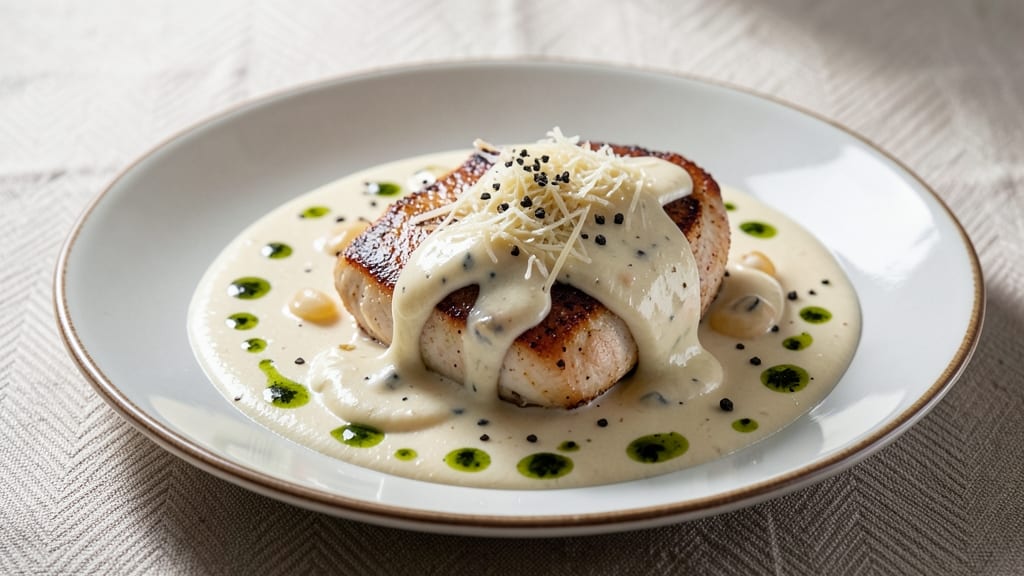
This authentic chicken alfredo sauce delivers restaurant-quality richness without the heavy roux—just velvety cream, sharp Parmesan, and a touch of garlic to elevate every forkful. The secret lies in proper cheese melting and emulsification, transforming simple ingredients into a sauce so luxurious it'll make you question store-bought versions.
I've perfected this technique over years of testing, ensuring the sauce stays smooth, creamy, and perfectly balanced—never grainy or overly thick.
The beauty of this recipe is its versatility: it works equally well as a dipping sauce, pasta topping, or main dish base. What sets it apart is the no-roux method, which eliminates the risk of lumps while delivering that signature Alfredo texture.
Freshly grated Parmesan is non-negotiable here—pre-shredded won't cut it—because it melts smoothly and adds the authentic nutty depth that defines this classic sauce. The sauce comes together in just 15 minutes, making it perfect for weeknight dinners when you crave comfort without compromise.
What you'll end up with is a silky, golden sauce that coats pasta perfectly, clings to chicken, or transforms into a decadent dip. The flavor profile is rich yet balanced—creamy from the heavy cream, savory from the Parmesan, and brightened just enough by garlic and black pepper.
This isn't your childhood's overly buttery Alfredo; it's a refined, authentic version that stands up to any dish while staying true to Italian roots.
Best of all, the sauce keeps beautifully in the fridge for up to 5 days, reheating like a dream. Whether you're tossing it with fettuccine or drizzling it over grilled chicken, this recipe delivers professional-level results with minimal effort. Let's make it—your taste buds will thank you.
Ingredients for authentic chicken alfredo sauce
Eight essential ingredients transform into velvety, restaurant-quality Alfredo sauce without a single lump.
| Ingredient | Amount | Notes |
|---|---|---|
| Heavy Cream 🥛 | 1 ½ cups | Full-fat for maximum creaminess |
| Parmesan Cheese 🧀 | 1 ½ cups | Freshly grated from block |
| Unsalted Butter 🧈 | ½ cup | Cold, cubed for even melting |
| Garlic Cloves 🧄 | 4 cloves | Minced for aromatic depth |
| Extra-Virgin Olive Oil 🫒 | 2 tbsp | For smooth emulsification |
| Ground Black Pepper 🌶️ | ½ tsp | Freshly cracked for heat |
| Salt 🧂 | ½ tsp | Diamond Crystal preferred |
| Fresh Lemon Juice 🍋 | 1 tbsp | Brightens the sauce |
The Parmesan is your secret weapon here. Grab a wedge from the deli counter—pre-grated cheese is a non-starter, as it contains anti-caking agents that prevent smooth melting. Parmigiano-Reggiano is ideal, but any aged Parmesan works. The heavy cream needs to be full-fat (none of that skim nonsense)—it's the base of that signature creamy texture. For the butter, European-style unsalted melts more cleanly than American butter. Don't skip the cold cube step: it creates tiny pockets of fat that emulsify beautifully with the cream. Pro tip: if your cream separates, just whisk vigorously or add a splash more olive oil.
No heavy cream? Full-fat coconut milk works in a pinch, though the flavor will differ slightly. Short on Parmesan? Pecorino Romano adds a sharper bite, or stretch it with a little nutritional yeast for umami depth. The olive oil might seem like an odd addition, but it's what prevents that dreaded grainy texture. Fresh lemon juice is key—it balances the richness and keeps the sauce from tasting flat. If you're making this ahead, add the lemon juice just before serving to preserve its brightness. The garlic can be adjusted to taste: 4 cloves give you a subtle aroma, but if you love garlic, go up to 6—just remember it's easy to add more later.
This sauce keeps beautifully in the fridge for up to 5 days, though it reheats best when warmed gently over low heat. For longer storage, freeze portions in ice cube trays—perfect for single servings later. The sauce thickens as it cools, so if it seems too stiff after refrigeration, simply whisk in a splash of warm water or milk. A quick trick for restaurant-style plating: finish with a sprinkle of freshly cracked black pepper and a drizzle of olive oil right before serving. The sauce also freezes well for up to 3 months, making it perfect for meal prep. Just thaw in the fridge overnight and reheat gently.
Why You'll Love This Recipe
- Here’s what sold me: the sauce actually improves after sitting overnight. The flavors meld, and reheating it is a breeze—just a splash of milk or cream to loosen it up. I’ve taken it to work for lunch three days in a row, and no one’s complained (yet). Budget-friendly? Absolutely.
- Five-Ingredient Magic: I swear by this combo—just cream, butter, Parmesan, garlic, and olive oil. No flour, no roux, no fuss. The sauce comes together while you cook the chicken, and honestly? That’s the kind of dinner where you’re not stuck at the stove for hours.
- Garlic Butter Bliss: Between us, that sizzle of garlic in olive oil before the butter hits? Pure satisfaction. The sauce gets this velvety, nutty depth from the Parmesan melting into the cream, and the garlic lingers just enough to make every bite sing—no overpowering aftertaste, just rich, honest flavor.
- Weeknight to Weekend: This sauce works on Tuesdays when you’re exhausted, or Sundays when you’re feeding guests. Toss it over fettuccine, drizzle it on roasted chicken, or even use it as a creamy dip for veggies. I’ve made it for lazy nights and potlucks—it never lets me down.
Step-by-step instructions for authentic chicken Alfredo sauce
This method delivers restaurant-quality Alfredo without the roux—rich, velvety, and packed with real Parmesan flavor.
Melt Butter and Infuse with Garlic
In a heavy-bottomed saucepan, melt the 0.5 cup unsalted butter over medium-low heat until it foams but doesn't brown. Here's the thing—you want the butter to melt slowly to preserve its flavor. Add the 4 cloves minced garlic and cook for 1-2 minutes until fragrant but not browned. Watch closely; garlic burns quickly and turns bitter.
This step builds the aromatic foundation. The butter should be completely melted but not bubbling vigorously—just a gentle simmer. If you smell garlic cooking too aggressively, reduce the heat immediately. The goal is to infuse the butter with garlic flavor without developing any color.
Gradually Add Heavy Cream and Parmesan
Pour in the 1.5 cups heavy cream slowly while whisking constantly to prevent scorching. Increase heat to medium and let the mixture simmer gently for 3-4 minutes until it begins to thicken slightly. This gradual heating prevents curdling and creates a smooth base.
Now, add the 1.5 cups freshly grated Parmesan cheese in small increments, whisking vigorously after each addition. The sauce will thicken dramatically as the cheese melts. I like to press the cheese through a fine-mesh sieve to eliminate any gritty bits—this makes a noticeable difference in texture. Keep whisking for another 2-3 minutes until the sauce coats the back of a spoon.
Finish with Olive Oil and Seasonings
Remove the sauce from heat and stir in the 2 tbsp extra-virgin olive oil. This creates that signature Alfredo sheen and prevents the sauce from becoming too heavy. The olive oil helps emulsify the fat and cheese for a silky texture. Add the 0.5 tsp salt, 0.5 tsp ground black pepper, and 1 tbsp fresh lemon juice, whisking until fully combined.
The lemon juice brightens the richness while the olive oil adds a subtle depth. Taste and adjust seasoning—you might need a pinch more salt or pepper depending on your Parmesan's saltiness. Let the sauce rest for 5 minutes before using; this allows the flavors to meld completely and the sauce to thicken slightly more.
Perfect the Consistency
If the sauce is too thick after resting, thin it with 1-2 tablespoons hot pasta water at a time until it reaches a luxurious, coatable consistency. Alfredo should cling beautifully to fettuccine without being watery. For extra authenticity, I like to finish with a pat of cold butter stirred into the sauce just before serving—this adds a luxurious mouthfeel.
This sauce works best when made fresh, but you can reheat leftovers gently over low heat, stirring constantly to prevent separation. The key to authentic Alfredo is balancing richness with brightness—this method delivers that perfect harmony every time.
Pro Tips For Making Authentic Chicken Alfredo Sauce
- Bloom the Garlic: Sauté those minced cloves in olive oil over medium-low heat until they’re soft but not brown—about 3-4 minutes. I used to rush this, and the garlic would burn, turning the sauce bitter. Trust me, the aroma builds flavor you can’t get any other way.
- Grate the Cheese Fresh: Skip the pre-grated Parmesan—it’s full of anti-caking agents and lacks that sharp, nutty bite. Use a microplane or fine grater right before adding it to the sauce, and reserve the leftover bits for garnish. The texture and flavor make a real difference.
- Simmer, Don’t Boil: Once you add the heavy cream, keep the heat at a gentle simmer—tiny bubbles at the edges, not a rolling boil. Boiling will scramble the cream and turn your sauce into a sad, grainy mess. Stir often, and if it thickens too fast, pull it off the heat for a minute.
- Salt the Butter First: Toss a pinch of salt into the melted butter before you add the garlic. Unsalted butter is bland, and this step guarantees your sauce won’t taste flat later. It’s an easy fix that saves you from over-salting the whole dish afterward.
Serving suggestions for this dish
Pasta Pairings
Fettuccine is the classic choice, but this sauce works beautifully with tagliatelle or linguine—any ribbon pasta that holds the creamy sauce well. For a heartier dish, toss with pappardelle or fettuccine al burro, which have a sturdy texture that stands up to the richness.
I like to finish with a sprinkle of fresh parsley and a crack of black pepper right before serving to elevate the dish. 🍝
Protein Additions
While this sauce pairs perfectly with chicken (as the name suggests), it also works with grilled shrimp, seared scallops, or pan-seared salmon. For a vegetarian option, try tossing with roasted mushrooms or crispy tofu.
I love adding grilled chicken breast to the sauce and serving it over garlic bread for a decadent appetizer. The sauce's creamy texture complements proteins beautifully, adding moisture and depth.
Dipping Sauce
This Alfredo sauce makes an incredible dipping sauce for garlic bread, mozzarella sticks, or fried calamari. I like to serve it warm in a small bowl with a sprinkle of Parmesan cheese and a drizzle of olive oil for an extra touch of elegance.
It's also perfect for dipping crispy chicken tenders or homemade breadsticks—the creamy sauce clings to the food, making every bite delicious. 🧀
Breakfast Twist
For a fun breakfast idea, drizzle this sauce over scrambled eggs or pancakes for a rich, creamy topping. It also works well with breakfast potatoes or hash browns—just add a pinch of smoked paprika to the sauce for a smoky twist.
I've even used it as a sauce for breakfast burritos, adding a layer of indulgence to morning meals. The versatility of this sauce makes it perfect for any time of day!
Garnish Ideas
Elevate your dish with simple garnishes like fresh parsley, chopped chives, or toasted breadcrumbs for texture. A drizzle of truffle oil adds a luxurious touch, while crispy prosciutto or sun-dried tomatoes bring extra flavor.
For a pop of color, try adding roasted cherry tomatoes or sautéed spinach—they brighten up the rich sauce beautifully. The key is to keep garnishes light so the sauce remains the star of the show.
Leftovers Reinvented
Turn leftover Alfredo sauce into a cheesy quiche by mixing it with eggs and baking in a pie crust. You can also use it as a filling for stuffed shells or lasagna layers.
For a quick lunch, spread it on toasted baguette slices with a sprinkle of Parmesan and broil until bubbly. The possibilities are endless—just get creative with how you repurpose this versatile sauce! 💡
Nutrition facts
Frequently asked questions
Why does authentic Alfredo sauce need freshly grated Parmesan?
Freshly grated Parmesan melts smoothly and adds authentic nutty depth without grainy texture. Pre-shredded cheese contains anti-caking agents that prevent proper melting, resulting in a lumpy sauce. For best results, use a fine-mesh grater or ask your deli counter to freshly grate it.
Can I make this sauce without heavy cream?
Yes! For a lighter version, replace heavy cream with full-fat coconut milk (though flavor will differ) or a mix of half-and-half and milk. The sauce will be less rich but still creamy. For a dairy-free option, use cashew cream (blended soaked cashews with water) for a neutral taste. Always adjust seasoning after substituting.
What's the secret to preventing lumps in the sauce?
Whisk constantly when adding Parmesan and cream, and keep heat at medium-low. The olive oil acts as an emulsifier, while the cold butter cubes melt gradually. If lumps form, blend briefly with an immersion blender—just don't over-blend or the sauce will break. The key is patience and steady heat control.
How do I adjust the thickness for different uses?
For pasta, aim for a consistency that coats the back of a spoon. Too thick? Thin with 1 tbsp hot pasta water at a time. For dipping sauces, keep it slightly thinner. For baking applications (like quiche), make it thicker initially—it'll reduce further during cooking. Always reheat gently to maintain texture.
Can I make this sauce ahead of time?
Store in an airtight container in the fridge for up to 5 days**. Reheat gently over low heat, stirring constantly to prevent separation. For longer storage, freeze in ice cube trays—perfect for single servings. Add fresh lemon juice just before serving to maintain brightness. The sauce thickens as it cools, so adjust with warm water if needed.