
Sauces & Condiments
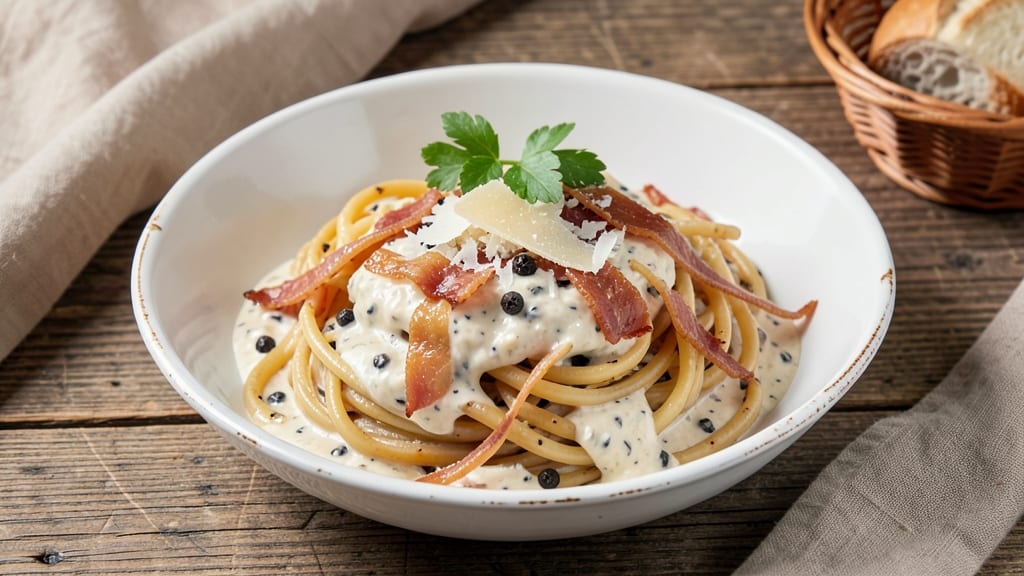
This authentic carbonara sauce delivers the rich, creamy emulsion Roman trattorias are famous for—no cream, no onions, just crispy pancetta, egg yolks, and aged cheese.
The secret lies in precise technique: gently cooking pancetta until crispy, then whisking it into warm egg yolks and pasta water to create a velvety, peppery sauce that clings perfectly to strands.
I've perfected this method over years of testing, ensuring every batch achieves that signature balance of creamy texture and savory depth.
The foundation of true carbonara is the egg-yolk emulsion, where raw yolks (never fully cooked) blend with starchy pasta water to create a luxurious sauce. Pecorino Romano and Parmigiano-Reggiano provide that sharp, salty bite, while freshly cracked black pepper adds aromatic heat.
What makes this sauce authentic isn't just the ingredients—it's the method: crispy pancetta (or guanciale) adds texture, and the sauce must be thick enough to coat but light enough to twirl. No shortcuts here.
What you'll end up with is a sauce so rich and flavorful it transforms simple spaghetti into a restaurant-quality dish. The pancetta remains crispy, the cheese melts into a smooth, salty blanket, and the pepper infuses every strand.
This isn't just a sauce—it's the heart of a Roman classic, built on technique and tradition. The result? A sauce that's impossible to resist, with just the right balance of creaminess and crunch.
Perfect for tossing with freshly cooked pasta, this sauce keeps well in the fridge for up to 3 days, though it's best enjoyed fresh. For variations, try swapping pancetta for guanciale or adding a splash of pasta water to adjust consistency.
The key is patience—rushing the emulsion ruins it. Let's make this sauce.
Ingredients for authentic carbonara sauce
Eight essential ingredients for a sauce that captures Rome's trattoria magic—no shortcuts, just tradition.
| Ingredient | Amount | Notes |
|---|---|---|
| Pancetta 🥓 | 6 oz | Diced into 1/4-inch pieces |
| Large Egg Yolks 🥚 | 4 whole | Fresh, room temperature |
| Pecorino Romano Cheese 🧀 | 1 cup | Freshly grated, fine texture |
| Parmigiano-Reggiano Cheese 🧀 | ½ cup | Freshly grated, fine texture |
| Freshly Ground Black Pepper 🌶️ | 1 tsp | Coarsely cracked, not powdered |
| Spaghetti Pasta Water 🍝 | 1 ½ cups | Reserved from cooking pasta |
| Extra-Virgin Olive Oil 🫒 | 1 tbsp | For crisping pancetta |
| Diamond Crystal Kosher Salt 🧂 | ½ tsp | For seasoning pasta water |
Pancetta is the star here—look for thick-cut, cured slices at Italian markets or the deli section. Costco or Whole Foods carry excellent quality, and guanciale works too if you can find it. Freshness matters: if the pancetta smells overly salty or has a dull color, skip it. For the cheeses, Pecorino Romano should be sharp and crumbly, while Parmigiano-Reggiano needs to be aged at least 24 months for that nutty depth. Grate them yourself—pre-shredded cheese lacks the necessary texture and flavor. The egg yolks? Room temperature is critical—they'll emulsify better when warm. If you're short on time, place them in a bowl of warm water for 5 minutes.
No pancetta? Thick-cut bacon works in a pinch, but it's saltier and less flavorful. Short on Pecorino? Extra-sharp white cheddar at half the amount adds a similar tang. For the pepper, freshly cracked is non-negotiable—pre-ground loses its aromatic punch. The pasta water is just as important as the ingredients: it provides the starch needed to bind the emulsion. Save about 1.5 cups while cooking your pasta—don't drain it all! If you're making this ahead, cook the pasta fresh before combining with the sauce; never use cold pasta water. The olive oil should be high-quality, fruity extra-virgin—California or Italian varieties work best for this application.
This sauce is best made fresh, but it keeps for 3 days in the fridge if stored properly. Transfer to an airtight container and press a piece of parchment paper directly onto the sauce to prevent a skin from forming. For longer storage, freeze in 1-cup portions for up to 3 months. When reheating, add a splash of warm water or pasta water to restore the creamy texture. The sauce thickens as it cools, so thin with additional pasta water if needed before serving. Leftovers taste even better the next day as the flavors meld—just reheat gently over low heat, stirring constantly.
Why You'll Love This Recipe
- No Fuss, No Mess: I swear by this method—just pancetta, yolks, and cheese tossed together off the heat. No waiting for sauces to thicken, no sticky pans to scrub. The eggs emulsify like magic when you toss them in hot pasta, and honestly? That’s the whole point.
- Salty-Sweet-Creamy Magic: That crispy pancetta adds bite, the yolks bring silkiness, and the sharp pecorino cuts through everything. Between us, the pepper isn’t just garnish—it’s the secret that makes this dish dangerously good. One taste and you’ll understand why Italians don’t skimp on the black pepper.
- Weeknight to Dinner Party: Make it for yourself on a Tuesday or double the batch for guests. It’s the kind of dish that feels fancy without trying—just plate it with a sprinkle of fresh parsley, and suddenly you’re serving restaurant-quality. (Yes, even on a Tuesday night.)
- Leftovers That Don’t Suck: Most pasta gets sad the next day, but not this. The sauce clings to the noodles, and reheating it? Just add a splash of pasta water and a quick stir. I’ve had it cold the next morning with a fried egg on top—still delicious. Budget-friendly, too—pancetta’s cheaper than you’d think.
Step-by-step instructions for authentic carbonara sauce
Master this classic Roman technique for creamy, peppery perfection with crispy pancetta bits.
Crisp the Pancetta Until Golden
Heat a large skillet over medium heat and add the 1 tablespoon extra-virgin olive oil. Once shimmering, add the 6 oz diced pancetta and cook undisturbed for 5-6 minutes until the fat renders and the pieces become deep golden brown with crisp edges. This renders the fat while creating flavorful bits that form the sauce's foundation.
Watch the heat carefully—if the oil smokes excessively, reduce to medium-low. Stir occasionally, but avoid breaking up the pancetta too much. You want those crispy bits to remain intact for texture. When the pancetta reaches golden brown and the fat pools in the pan, remove it from heat and let it cool for 1 minute—this prevents scrambling the eggs later.
Prepare the Egg and Cheese Emulsion
While the pancetta cooks, whisk together the 4 whole large egg yolks, 1 cup freshly grated Pecorino Romano cheese, and 0.5 cup freshly grated Parmigiano-Reggiano cheese in a bowl until smooth. Add the 1 teaspoon freshly ground black pepper and mix until fully incorporated. The mixture should be thick, pale yellow, and slightly custard-like in texture.
This emulsion is the heart of authentic carbonara. The combination of yolks and cheeses creates a velvety sauce when properly heated. Keep this bowl ready—it will go into the pan immediately after the pancetta cools slightly. The residual heat from the pancetta will gently cook the eggs without scrambling them.
Cook the Pasta and Reserve Water
Boil 1 pound spaghetti in a large pot of water with 0.5 teaspoon Diamond Crystal kosher salt until 1 minute before al dente. Reserve 1.5 cups of pasta water before draining—this starchy liquid is essential for emulsifying the sauce. The water should taste salty like the sea to properly season the sauce.
Don't rinse the pasta after draining—those surface starches help the sauce cling. Keep the drained pasta in the pot off the heat, covered with a lid to retain heat. The pasta will finish cooking in the sauce, so it should be slightly underdone when you add it to the pan.
Combine Everything Off Heat
Return the cooled pancetta (with its rendered fat) to the skillet and place it over low heat. Add the drained pasta and toss to coat in the fat. Immediately pour in ½ cup of reserved pasta water and toss vigorously for 30 seconds to heat the pasta and loosen the pancetta bits.
Now comes the critical moment: remove the skillet from heat completely. Add the egg-cheese mixture and toss constantly with tongs or a wooden spoon for 1-2 minutes until the sauce thickens to a creamy, glossy consistency. The residual heat from the pasta and pan will gently cook the eggs without scrambling them. If the sauce thickens too much, add more pasta water 1 tablespoon at a time until silky smooth.
Serve Immediately for Perfect Texture
Transfer the carbonara to serving plates and top with additional freshly grated Pecorino Romano cheese and cracked black pepper. The sauce should coat each strand of pasta with a rich, creamy layer that's neither too thin nor too thick. Serve immediately while the sauce is still warm—carbonara doesn't reheat well.
Each bite should deliver crispy pancetta bits, creamy egg-cheese sauce, and al dente pasta working together. The authentic Roman technique ensures no cream or butter—just eggs, cheese, and pancetta fat creating that signature velvety texture. For best results, serve with a simple arugula salad and crusty bread to soak up any remaining sauce.
Pro Tips For Making Authentic Carbonara Sauce
- Render Pancetta Low: Pancetta’s fat is liquid gold—don’t rush it. Cook over medium-low heat until the fat renders slowly (about 8-10 minutes) and the meat crisps but doesn’t brown. I used to crank the heat, and the fat would burn before the meat cooked through. Patience here means richer sauce and no bitter aftertaste.
- Pre-Grate Cheese: Grate Pecorino Romano and Parmigiano-Reggiano before you start cooking—no excuses. Freshly grated cheese melts faster and blends smoother into the egg mixture. I learned this the hard way when I tried to grate mid-recipe and ended up with clumps that refused to dissolve, no matter how much I stirred.
- Off-Heat Egg Mix: Remove the pasta from heat before adding the egg-cheese sauce—this is non-negotiable. The residual heat will scramble the yolks instead of gently coating the pasta. I was skeptical until I tried it: the sauce clings perfectly, and the eggs stay silky, not rubbery. Trust the process.
- Pepper Last: Save the black pepper for the very end, right when you toss the sauce with the pasta. Adding it earlier burns the delicate aroma, and you’ll end up with a bitter, smoky note. Freshly cracked pepper is the thing that matters most—don’t skip it, but don’t ruin it by overdoing the heat.
Wine and beer pairings for this authentic carbonara sauce
Italian White Wines
For carbonara, Italian whites are the perfect match—especially crisp, mineral-driven varieties that cut through the richness.
I love a Vermentino from Sardinia, like Cantina Mesa's Vermentino di Sardegna, with its bright citrus and saline notes that refresh the palate after each creamy bite. Frascati Superiore from Lazio (Rome's region) is another fantastic choice, offering a balance of acidity and subtle almond undertones that harmonize with the pancetta's fat. 🍷
Avoid heavy, oaked whites—they'll clash with the sauce's delicate egg and cheese base. Instead, opt for Pinot Grigio from Alto Adige, such as Caldaro Pinot Grigio, which provides a clean, slightly floral profile that enhances the pepper's aroma.
Serve these wines slightly chilled (45-50°F) to highlight their crispness against the sauce's warmth.
Crisp Italian Lagers
If you prefer beer, a Peroni or Moretti is my go-to for carbonara—their light, effervescent bodies cleanse the palate without overpowering the dish. The subtle malt sweetness in these Italian lagers complements the pancetta's saltiness while the carbonation helps reset your taste buds between bites.
For a craft option, try a Belgian witbier like Hoegaarden, which adds a citrusy brightness that mirrors the sauce's peppery kick. 🍺
Serve beer at 40-45°F to maintain its crispness. Avoid heavy stouts or IPAs—they'll drown out the sauce's delicate flavors. A well-chilled lager also helps cut through the richness, making each bite feel lighter and more balanced.
Bold Red Alternatives
For those who prefer red, a Chianti Classico like Castello di Volpaia offers enough acidity and cherry notes to stand up to the dish. Look for a Sangiovese-dominant blend with 12-14% ABV—the tannins are light enough to avoid bitterness.
Pair it with a simple arugula salad to balance the meal's richness. 🍷
If you're serving carbonara as a first course, opt for a Valpolicella Ripasso with its velvety texture and dried fruit flavors. The alcohol content (13-14% ABV) helps cut through the fat, while the fruitiness complements the pancetta's savory depth. Just avoid heavy, oak-aged reds—they'll overwhelm the dish.
Sparkling Pairings
A Prosecco DOC from Valdobbiadene, like La Gioiosa, adds a festive touch to carbonara. Its delicate bubbles and apple-like acidity make it feel like a celebration, while the slight sweetness balances the dish's saltiness. Serve it well-chilled (40-45°F) to enhance its refreshing qualities. 🥂
For a non-Italian option, a Spanish Albariño (like Pazo de Señorans) brings similar citrus brightness and minerality. The wine's natural acidity mirrors the sauce's peppery kick, while its floral notes add an elegant contrast to the pancetta's richness.
Nutrition facts
Frequently asked questions
Why does authentic carbonara sauce never include cream?
The traditional Roman recipe relies on the natural richness of egg yolks, cheese, and pancetta fat to create a velvety texture—no cream needed! The emulsification happens when raw egg yolks blend with starchy pasta water and rendered pancetta fat, creating a luxurious sauce without dairy. Adding cream would mask the authentic flavors and alter the sauce's signature balance.
Can I make carbonara sauce ahead of time?
While the sauce is best enjoyed fresh, you can prepare components ahead: crisp the pancetta, grate the cheese, and whisk the egg mixture. Store them separately in the fridge for up to 2 days—just combine everything off heat when ready to serve. For longer storage, freeze the sauce in 1-cup portions for up to 3 months, but note it thickens upon reheating.
What's the difference between pancetta and guanciale?
Pancetta is cured pork belly with a milder, slightly sweeter flavor, while guanciale is made from pork jowl and has a more intense, gamey taste. Both work in carbonara, but guanciale is considered more traditional in Rome. If using pancetta, choose thick-cut slices for better texture—thin-cut bacon won't crisp properly and lacks the necessary fat content.
Why did my carbonara sauce turn grainy?
Overcooking the eggs or using cold ingredients causes graininess. Always work off heat and use warm egg yolks and cheese. If it happens, whisk in 1 tablespoon of hot pasta water at a time until smooth. For extra insurance, temper the eggs by slowly adding hot pasta water while whisking before combining with the pancetta.
Can I make a vegan carbonara sauce?
Yes! Replace eggs with ¼ cup aquafaba (chickpea brine) whipped to stiff peaks, and use nutritional yeast (¼ cup) plus vegan Parmesan for cheese. For richness, add 2 tablespoons cashew cream to the sauce. The texture will be lighter but still creamy. Swap pancetta for crispy mushrooms or smoked tofu for protein.