Sauces & Condiments
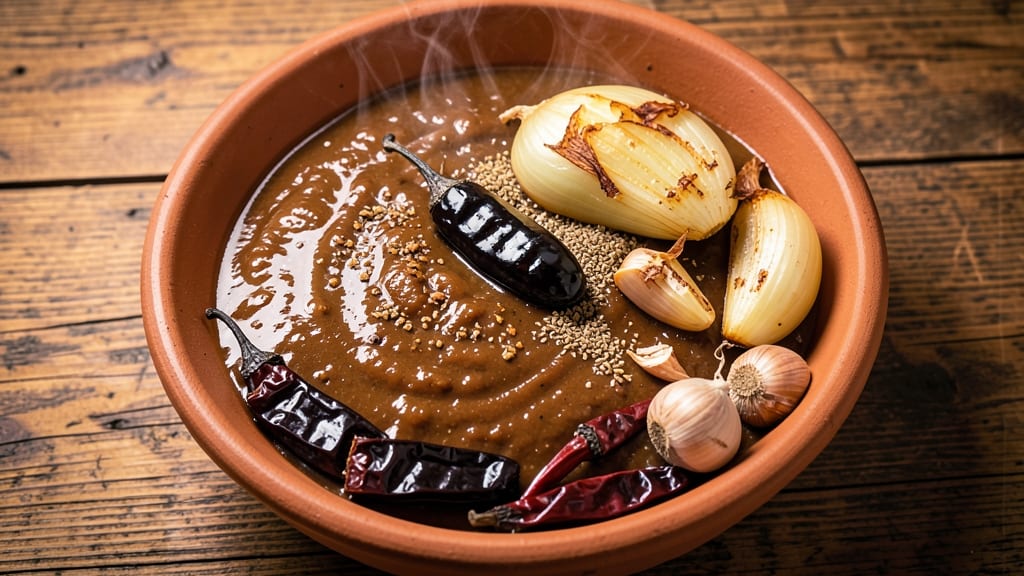
This authentic brown enchilada sauce recipe delivers the deep, smoky, cumin-rich flavor that defines traditional Mexican cooking. The secret lies in dried ancho and pasilla chiles, simmered with garlic, onions, and a touch of cocoa powder for complexity—no shortcuts, just layers of flavor built through slow reduction.
I developed this version after years of testing, ensuring it's rich enough for enchiladas but versatile enough to elevate any dish from tacos to burritos.
The sauce starts with toasted chiles and spices, which release their natural oils and aromas when simmered in broth. This process creates a velvety, slightly thickened sauce with a perfect balance of heat and earthiness—no blending required, just pure, rustic texture.
The key is patience; letting it reduce slowly concentrates the flavors into something restaurant-quality, with just a hint of smokiness from the chiles.
What sets this sauce apart is its adaptability. Use it as a dip for warm tortilla chips, a filling for enchiladas, or a topping for grilled meats. The recipe yields about 3 cups, enough for multiple meals or freezing for later.
Each batch delivers that authentic depth that store-bought versions can't match, with a touch of warmth from the cumin and a subtle sweetness from the cocoa.
For extra smokiness, add a chipotle pepper in adobo; for heat, increase the chiles. The sauce keeps well in the fridge for up to a week or freezes beautifully. Here’s how to make it—step by step, just like in a Mexican kitchen.
Ingredients for authentic brown enchilada sauce
Toasted chiles and smoky spices create this restaurant-quality enchilada sauce with depth and complexity.
| Ingredient | Amount | Notes |
|---|---|---|
| Dried Ancho Chiles 🌶️ | 4 whole | Stems and seeds removed |
| Dried Pasilla Chiles 🌶️ | 2 whole | Stems and seeds removed |
| Chipotle Peppers in Adobo 🌶️ | 1 whole | Mined for extra smokiness |
| Yellow Onion 🧅 | 1 whole | Chopped into small dice |
| Garlic Cloves 🧄 | 6 cloves | Peeled and minced |
| Ground Cumin 🌿 | 1 tbsp | Toasted for deeper flavor |
| Cocoa Powder 🍫 | 1 tbsp | Unsweetened, high quality |
| Chicken Broth 💧 | 3 cups | Low-sodium preferred |
| Olive Oil 🫒 | 2 tbsp | Extra-virgin for richness |
| Salt 🧂 | 1 tsp | Adjust to taste |
The chiles are the heart of this sauce—dried ancho and pasilla bring that authentic earthiness, while the chipotle in adobo adds smokiness. Mexican grocery stores or specialty shops like La Tienda carry the best selection, but most Latin markets stock them. Toast the dried chiles in a dry skillet for 30 seconds per side until fragrant—this step unlocks their natural oils and aromas. If you can't find pasilla, substitute more ancho, but the sauce will be slightly less complex. Look for chiles that are plump and slightly wrinkled, not brittle or shriveled.
No chipotle in adobo? Add a pinch of smoked paprika for depth, but you'll lose that authentic smokiness. The cocoa powder is key for that subtle sweetness—Dutch-processed works best, but regular unsweetened cocoa will do in a pinch. For extra heat, add more chiles or a dash of cayenne. The chicken broth should be low-sodium; if yours isn't, reduce the added salt. The onion and garlic are non-negotiable—they form the aromatic base. For a quicker version, use a food processor to chop them, but traditionalists will dice them by hand for better texture.
This sauce tastes even better the next day as the flavors meld. Store it in an airtight container in the fridge for up to 1 week, or freeze for 3 months. To reheat, simmer gently on the stove—never microwave, as it can break the sauce's velvety texture. I always make a double batch; it's perfect for enchiladas, tacos, or even as a dip for warm tortilla chips. The sauce thickens as it cools, so add a splash of broth if it becomes too stiff after refrigeration.
Why You'll Love This Recipe
- Foolproof Simplicity: I swear by this—just toast the dried chiles and blend. No fancy techniques, no stress. The onion and garlic soften while you handle the peppers, so it’s basically hands-off after the initial chop.
- Smoky Depth Magic: That combo of ancho, pasilla, and chipotle in adobo? It’s where the sauce gets its real magic—the smoky earthiness of the dried chiles meets the heat of the chipotle, then the garlic ties it all together like a warm hug.
- Meal Prep MVP: Make a big batch on Sunday, and you’ve got sauce for enchiladas, tacos, or even grilled cheese. It keeps for weeks in the fridge, so no last-minute grocery runs—just open, reheat, and serve.
- Budget-Friendly Luxury: A few dried chiles and a can of chipotles stretch into so much sauce. I’ve fed six people for under $10, and they’d never guess it wasn’t a restaurant special. (Between us, neither would I.)
Step-by-step instructions for authentic brown enchilada sauce
This method delivers restaurant-quality depth with smoky, earthy complexity every time.
Toast and Rehydrate the Dried Chiles
Heat a dry skillet over medium heat and toast the 4 whole dried ancho chiles and 2 whole dried pasilla chiles for 30 seconds per side until fragrant. This step enhances their natural sweetness and depth—don't let them burn or they'll turn bitter. Immediately transfer the chiles to a bowl and cover with 3 cups hot chicken broth.
Let them soak for 15-20 minutes until completely softened. The broth will develop a rich, reddish color as the chiles release their vibrant flavors. While they soak, peel the 1 whole chipotle pepper in adobo from its sauce and reserve both the pepper and 1 tablespoon of the adobo sauce—this adds that essential smoky heat.
Build the Flavor Base with Aromatics
In a blender, combine the rehydrated chiles (with their soaking liquid), the peeled chipotle pepper, 1 whole yellow onion, and 6 cloves garlic. Blend until completely smooth, scraping down the sides as needed. The sauce should be velvety with no visible texture—this ensures a silky final product. Taste at this stage; you'll notice the natural sweetness of the ancho and pasilla balanced by the chipotle's smoky kick.
Transfer the blended mixture to a heavy saucepan. Add the reserved 1 tablespoon adobo sauce, 1 tablespoon toasted ground cumin, and 1 tablespoon cocoa powder. Stir in 2 tablespoons olive oil—this helps emulsify the sauce later and adds richness. The cocoa powder might seem unusual, but it deepens the chocolatey notes that define authentic brown sauce.
Simmer and Thicken the Sauce
Place the saucepan over medium-low heat and bring to a gentle simmer. Reduce heat to low and let it cook uncovered for 20-25 minutes, stirring occasionally with a wooden spoon. You're looking for a gradual reduction that thickens the sauce while concentrating the flavors. The sauce should coat the back of a spoon but still be pourable—it will thicken further as it cools.
Taste and adjust seasoning with 1 teaspoon salt, adding more if needed. The sauce should be complex—smoky from the chipotle, sweet from the ancho, earthy from the pasilla, and warm from the cumin. If it's too thick, whisk in 1-2 tablespoons water to reach your desired consistency. For best results, let it rest for 10 minutes before using—this allows the flavors to meld completely.
Strain for Perfect Texture (Optional)
For an ultra-smooth sauce, strain it through a fine-mesh sieve into a clean saucepan. This removes any remaining skin or seeds, giving you a silky texture perfect for dipping or layering. If you prefer a slightly rustic texture, skip this step—the sauce will still be delicious with a bit of body.
Return the strained sauce to low heat and warm through if needed. The sauce can be made 1 day ahead and stored in the refrigerator—its flavors actually improve with time. When reheating, do so gently over low heat, stirring frequently to prevent scorching. This sauce is the heart of your enchiladas, tacos, or even as a dip—its depth comes from patience and proper technique.
Pro Tips For Making Authentic Brown Enchilada Sauce
- STEAM NOT SEAR: After burning three batches of dried chiles, I learned to blanch them in boiling water for exactly 10 minutes—no more, or they’ll turn to mush. Strain them while still hot, reserving the liquid (it’s liquid gold for depth), then pat them very dry before toasting. Wet chiles = sad, bitter sauce. Dry chiles = rich, smoky perfection.
- SAUTE ONIONS LOW: I used to rush this step, and the onions would just turn gray and sad. For brown enchilada sauce, cook them on medium-low until they’re caramelized to a deep amber—not crispy, just soft and jammy. This takes 15-20 minutes, but it’s the foundation of the sauce. No shortcut here.
- CHIPOTLE PASTE FIRST: Add the chipotle peppers in adobo before the blended chiles. The acidity and smokiness need time to meld into the onion base—about 5 minutes of cooking—before you blend. Otherwise, you’ll end up with a sauce that tastes like two separate flavors fighting for attention.
- BLANCH GARLIC: Toss your garlic cloves in boiling water for 30 seconds, then shock them in ice water. This removes the raw bite and lets the flavor sing. After draining, mince them finely and fry them in the onion oil at the end—this adds a nutty depth that raw garlic just can’t match. (Yes, it’s extra work, but your sauce will taste like it came from a taquería.)
Flavor customization for authentic brown enchilada sauce
Smoky Chipotle Boost
For extra smokiness, add 1 extra chipotle pepper in adobo (about 2 tablespoons sauce total) to the blended mixture. This deepens the smoky notes without overpowering the sauce. I’ve found that adjusting to 2 tablespoons gives that signature smoky depth found in Oaxacan-style enchiladas.
If you love heat, add ½ teaspoon ground chipotle powder for a concentrated kick. 🌶️
Spicy Kick Variations
Want more heat? Swap 1 pasilla chile for a dried guajillo chile—it’s fruitier but packs more fire. For a fiery finish, add ½ teaspoon cayenne pepper or 1 teaspoon of Tajín (the chili-lime blend) at the end.
I like to keep the sauce versatile, so I adjust heat based on what I’m serving—enchiladas with mild cheese need a little more kick!
Sweet and Tangy Twist
Balance the smokiness with a touch of sweetness by adding 1 teaspoon honey or ½ teaspoon sugar during the simmer. For tang, stir in 1 teaspoon apple cider vinegar at the end.
This works beautifully with grilled chicken enchiladas—the vinegar brightens the rich sauce. I’ve also used ½ teaspoon orange zest for a citrusy depth that pairs well with seafood dishes.
Vegetarian Adaptation
Skip the chicken broth and use vegetable broth instead for a fully plant-based sauce. To boost umami, add 1 teaspoon soy sauce or ½ teaspoon miso paste during the simmer. The cocoa and cumin still shine, but the broth’s depth changes the flavor profile.
This version is perfect for veggie enchiladas or as a dip for black bean tacos. 🌱
Creamy Variation
For a velvety texture, stir in ½ cup sour cream or ¼ cup Greek yogurt at the end of cooking. This creates a crema-style sauce that’s rich and smooth—ideal for chilaquiles or as a topping for tostadas.
I like to add a pinch of ground cinnamon (just ¼ teaspoon) to complement the cocoa. The sauce thickens beautifully and adds a luxurious finish to any dish.
Regional Style Adjustments
For a Tex-Mex twist, add ½ teaspoon ground coriander and a pinch of ground cloves to the spice blend. This gives a sweeter, slightly spiced profile that works well with beef enchiladas.
In Oaxaca, they often use more pasilla chiles and a touch of hoja santa (a fragrant herb) for an aromatic lift. I’ve experimented with both—each region’s approach is distinct but equally delicious.
Nutrition facts
Frequently asked questions about authentic brown enchilada sauce
Can I substitute store-bought chiles for dried ancho and pasilla?
You can try, but the flavor won't be authentic. Store-bought enchilada sauce often contains preservatives and lacks the depth of properly toasted dried chiles. If you must substitute, use 1-2 tablespoons of high-quality chili powder (like ancho or pasilla powder) per ¼ cup water, but toast it first in a dry skillet to mimic the toasting step.
Why does my sauce taste bitter?
Over-toasting the chiles or burning the sauce causes bitterness. Toast chiles just until fragrant (30 seconds per side) and simmer on low heat to avoid scorching. If bitterness occurs, balance it with ½ teaspoon sugar or 1 teaspoon apple cider vinegar during the final simmer.
How do I adjust the sauce for dipping versus cooking?
For dipping, strain the sauce for a silky texture and thin it slightly with 1-2 tablespoons water if needed. For cooking (enchiladas, tacos), keep it slightly thicker so it clings to tortillas. The sauce will naturally thicken more when chilled—always reheat gently to preserve texture.
Can I make this sauce without a blender?
Yes! Use a food processor or mortar and pestle to grind the rehydrated chiles, onion, and garlic. For a rustic texture, finely chop everything by hand and simmer longer (30-40 minutes) to break down the fibers. The flavor will be slightly coarser but still delicious.
What's the best way to reheat leftover sauce?
Reheat gently over low heat in a saucepan, stirring frequently to prevent scorching. Never microwave—it can make the sauce grainy. If the sauce thickens too much, whisk in 1 tablespoon broth or water per ½ cup sauce while reheating.