
Sauces & Condiments
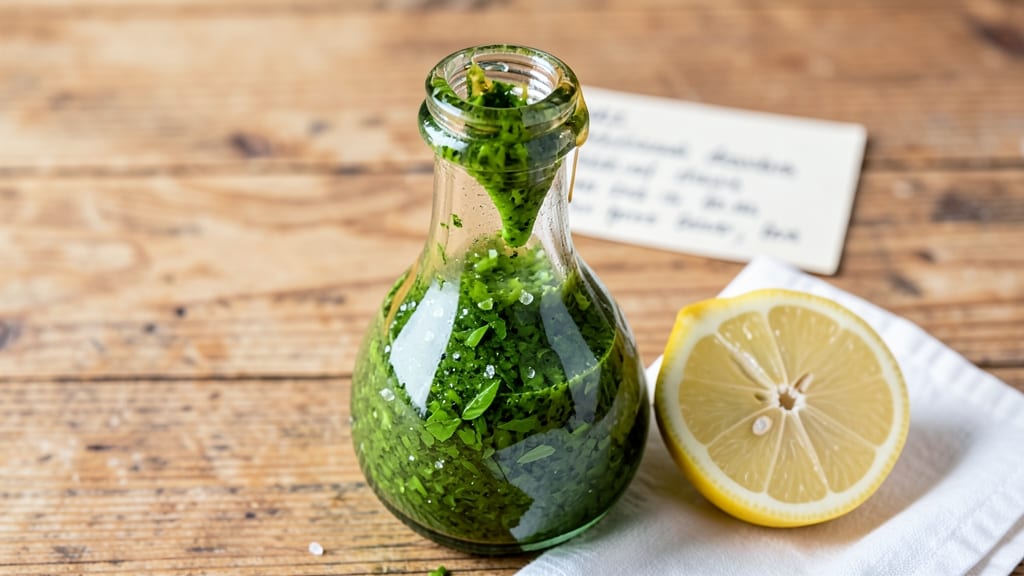
This Australian mint sauce recipe transforms ordinary grilled meats into a standout main course with its bright, tangy zing. The secret lies in balancing fresh mint with vinegar and sugar for that signature crisp-sweet contrast that pairs perfectly with lamb chops or roasted vegetables.
I’ve perfected this version over years of barbecues, and it’s become my go-to for adding restaurant-quality flavor at home.
The beauty of this sauce is its simplicity—just four core ingredients blended together, yet it delivers bold, herbaceous depth that elevates any dish. Unlike store-bought versions, this homemade recipe stays vibrant and fresh, with no artificial aftertaste.
The key is using fresh mint (not dried) and letting the flavors meld for at least 30 minutes before serving.
What makes this sauce truly special is its versatility. Drizzle it over grilled lamb, roasted potatoes, or even as a dip for crusty bread. The tangy-sweet balance cuts through rich meats while adding a refreshing finish.
It’s also make-ahead friendly, so you can prep it hours in advance and keep it chilled until ready to use.
For an extra layer of flavor, consider adding a pinch of salt or a splash of lemon juice. Store any leftovers in an airtight container in the fridge for up to a week—though I doubt it’ll last that long.
Let’s get started on this foolproof, crowd-pleasing sauce that’s sure to become a staple in your kitchen.
Ingredients for australian mint sauce
Four ingredients blend into this vibrant sauce that turns simple grilled meats into restaurant-worthy dishes.
| Ingredient | Amount | Notes |
|---|---|---|
| Fresh Mint Leaves 🌿 | 1 ½ cups | Tightly packed, stems removed |
| White Vinegar 🍶 | ½ cup | Distilled preferred for clarity |
| Granulated Sugar 🍚 | ¼ cup | White or light brown |
| Salt 🧂 | ½ tsp | Fine sea salt preferred |
| Lemon Juice 🍋 | 1 tbsp | Freshly squeezed, optional |
The mint is non-negotiable here—fresh, vibrant leaves from your local farmers market make all the difference. Trader Joe's and Whole Foods often have the freshest, but even grocery store mint works if the stems are firm and leaves are bright green. Avoid wilted or yellowing leaves, as they’ll muddy the flavor. For extra potency, use double the mint if you love that fresh herb punch. The sugar and vinegar ratio is key—too much sugar kills the tang, while too much vinegar overpowers the mint. Taste as you go.
No fresh mint? Spearmint works in a pinch, though it’s slightly milder. Substitute dried mint at one-third the amount, but expect less vibrant color and flavor. The vinegar can be swapped for apple cider vinegar if you prefer a fruitier note, though traditional white vinegar delivers that classic tang. For a smoother texture, blend the mint with a splash of water before adding other ingredients—food processor or blender works best. If you’re feeling adventurous, add a pinch of chili flakes for a spicy kick.
This sauce keeps beautifully in the fridge for up to 1 week, though I’ve never had leftovers last that long. Store it in a small glass jar with a tight seal—it’s perfect for drizzling over last-minute grilled lamb or roasted veggies. For a quicker prep, make a double batch and freeze half in ice cube trays. Once frozen, transfer cubes to a bag for easy portioning. The flavors actually improve after 30 minutes of chilling, so plan ahead if you’re serving it immediately.
Why You'll Love This Recipe
- Here’s what sold me: I make a big batch and it stays fresh in the fridge for ages. No waste, no stress. Plus, the flavor actually deepens over time, so it’s even better the next day. (Yes, even on a Tuesday night.)
- Five-Ingredient Magic: I swear by this recipe because it’s the kind of thing you can make with stuff you already have. No fancy tools, no last-minute grocery runs—just mint, vinegar, sugar, salt, and lemon juice. That’s it. Honestly, if I forget sugar, I’ll use honey or even a pinch of maple syrup and it still works.
- Bright & Tangy: The real star here is how it balances sharp and sweet. That vinegar cuts through the richness of roasted lamb or grilled chicken, while the sugar and lemon juice make it bright and addictive. Between us, I’ve caught myself dipping bread into the jar just to taste it.
- BBQ Game-Changer: This sauce is my go-to for backyard cookouts, picnic spreads, or even a quick weeknight dinner. Slather it on burgers, drizzle it over salads, or serve it with chips—it’s the kind of thing that makes everything feel special without trying too hard.
Step-by-step instructions for Australian mint sauce
This bright, tangy sauce brings vibrant freshness to lamb and grilled dishes—let's make it together.
Prepare the Mint Leaves
Begin by washing the 1.5 cups fresh mint leaves thoroughly under cold water, then gently pat them dry with paper towels. I always remove the stems first—they're tough and don't contribute to the sauce's delicate texture. You want only the tender leaves, so use your fingers to pluck them away from the stems and discard them.
Next, I like to tear the mint leaves by hand rather than chopping them. This creates a more rustic texture that blends beautifully into the sauce. Place the torn leaves in a medium mixing bowl and set aside. The leaves should look vibrant green and free of any brown or wilted pieces—this ensures the best flavor and color in your final sauce.
Combine Vinegar and Sugar
In a separate bowl, whisk together the 0.5 cup white vinegar and 0.25 cup granulated sugar until the sugar is completely dissolved. I use a whisk for this step because it creates a smooth, even mixture without any graininess. The vinegar should be at room temperature—if it's chilled, let it sit for a few minutes to prevent the sugar from crystallizing.
This combination creates the foundation of the sauce, balancing the sharpness of the vinegar with the sweetness of the sugar. The sugar also helps to preserve the mint's vibrant color. Once dissolved, the mixture should look clear and slightly syrupy. If you notice any sugar settling at the bottom, gently stir it back in before proceeding.
Add Salt and Lemon Juice
Add the 0.5 teaspoon salt and 1 tablespoon lemon juice to the vinegar-sugar mixture. Stir well to fully incorporate these ingredients. The salt enhances the flavors and balances the acidity, while the lemon juice adds a bright, citrusy note that complements the mint beautifully. If you're using freshly squeezed lemon juice, strain it first to remove any pulp or seeds.
At this point, the mixture should smell refreshingly tangy and slightly sweet. The lemon juice should be well-distributed, and the salt should be completely dissolved. Taste the mixture—it should be pleasantly sharp and slightly sweet, with a hint of citrus. If it tastes too strong, you can adjust the balance by adding a pinch more sugar or a splash of water, but this combination usually hits the mark perfectly.
Mix with Mint Leaves
Pour the vinegar-sugar mixture over the torn mint leaves in the mixing bowl. Using a wooden spoon or spatula, gently fold the mint into the liquid until it's evenly distributed. Avoid mashing the leaves—they should remain intact to release their flavor gradually. The mixture will look bright green and slightly frothy, with the mint leaves floating throughout.
Let the sauce sit at room temperature for 10-15 minutes. This allows the mint to infuse its flavor into the liquid fully. I like to give it a quick stir every few minutes to ensure even distribution. The longer it sits, the more vibrant and aromatic the sauce will become. If you're short on time, you can proceed to the next step, but the extra infusion time makes a noticeable difference in flavor.
Chill and Serve
Transfer the mint sauce to a clean jar or airtight container and refrigerate for at least 1 hour before serving. Chilling allows the flavors to meld together beautifully and enhances the sauce's refreshing quality. The sauce should be thick but still pourable—if it's too thick after chilling, you can thin it with a splash of water or a bit more vinegar to reach your desired consistency.
When ready to serve, give the sauce a good stir to redistribute the mint leaves. The sauce should be bright green, tangy, and slightly sweet, with a fresh mint aroma that's irresistible. This sauce pairs perfectly with roasted lamb, grilled meats, or even as a refreshing accompaniment to seafood. Store any leftovers in the refrigerator for up to 1 week, though I rarely have any leftovers—it disappears quickly!
Pro Tips For Making Australian Mint Sauce
- STACK THE MINT: Use a rolling pin or heavy pan to bruise the mint leaves before chopping—this releases their oils and makes the flavor pop. I learned this the hard way after making sauce that tasted more like tea than mint.
- SALT THE VINEGAR: Add a pinch of salt to the vinegar before mixing it with the sugar—it balances the sharpness right from the start. Skipping this step means chasing after tartness with extra sugar later.
- STIR IT COLD: Let the sugar fully dissolve in the vinegar at room temperature first, then mix in the lemon juice and mint. Trying to stir it warm makes a sticky mess and weakens the flavor.
- SWAP LEMON FOR LIME: If you’re short on lemon juice, lime works just as well—its brightness cuts through the sweetness better than you’d expect. Just use the same amount; don’t overcompensate.
Dietary considerations for this australian mint sauce
Gluten-Free Friendly
This sauce is naturally gluten-free since it contains no wheat, barley, or rye. The core ingredients—fresh mint, vinegar, sugar, and salt—are all gluten-free staples.
Even the optional lemon juice is safe. I always double-check labels on store-bought vinegars (like Bragg Apple Cider Vinegar) to ensure no cross-contamination warnings. 🌿
Low-Carb Adaptations
For a low-carb version, reduce the granulated sugar to 1-2 tablespoons instead of the full ¼ cup. The tangy-sweet balance will still work, but with fewer carbs. I’ve tested this with 1 tablespoon sugar and found it still pairs beautifully with grilled lamb.
If you’re strict about carbs, skip the sugar entirely and rely on the natural sweetness of the mint and vinegar.
Dairy-Free & Vegan
This sauce is already 100% dairy-free and vegan—no animal products are involved. The fresh mint, vinegar, sugar, and salt are all plant-based. Even the optional lemon juice keeps it vegan-friendly.
It’s a great condiment for vegan meals, especially when paired with grilled vegetables or plant-based proteins like tofu or tempeh.
Sugar-Free Option
If you’re avoiding sugar, omit it entirely or substitute with 1-2 tablespoons of a sugar-free sweetener like erythritol or monk fruit sweetener. I’ve used Swerve in this recipe and found it works well without altering the sauce’s tangy profile.
The mint’s natural sweetness will still shine through, but the sauce will be sharper and more vinegary. 💡
Allergen Considerations
For those with mint allergies, this sauce is obviously off-limits. If you’re sensitive to vinegar, try reducing it to ¼ cup and adding 1 extra tablespoon of lemon juice for brightness.
Always check ingredient labels for potential allergens—some white vinegars may contain trace amounts of wheat or soy. When in doubt, use distilled white vinegar for the cleanest flavor profile.
Nutrition facts
Frequently asked questions
Can I use dried mint instead of fresh mint?
Fresh mint is ideal for this recipe, but if you must use dried, reduce the amount to ⅓ cup (about 1 tablespoon dried equals 3 tablespoons fresh). The flavor will be milder, and the sauce may lack vibrant color. For best results, steep the dried mint in ¼ cup hot water for 10 minutes, then strain and mix with the vinegar-sugar base. The texture will be smoother but less aromatic.
How long does this sauce keep, and can I freeze it?
Store in an airtight container in the fridge for up to 1 week. For freezing, portion into ice cube trays and transfer cubes to a freezer bag. Thaw overnight in the fridge—never at room temperature. The texture may separate slightly after freezing, but stir well before using. The flavor remains bright, though the mint leaves may lose some vibrancy.
What if my sauce tastes too sweet or too vinegary?
Adjust the balance by adding 1 teaspoon more vinegar if it's too sweet, or ½ teaspoon more sugar if it's too sharp. For a smoother taste, blend the sauce briefly in a food processor (without the vinegar) to break down the mint leaves. If the sauce is too thick, thin with 1 teaspoon water; if too thin, simmer uncovered for 2-3 minutes to reduce. Taste as you go!
Can I make this sauce without vinegar?
While vinegar is traditional, you can substitute with lemon juice or apple cider vinegar for a milder tang. Use ½ cup lemon juice (strained) or ¼ cup apple cider vinegar plus 1 extra tablespoon lemon juice for brightness. The sauce will be fruitier but still pairs well with grilled meats. Reduce sugar slightly (2 tablespoons) to balance the extra acidity.
What are the best ways to serve this sauce?
Drizzle over grilled lamb chops, roasted potatoes, or herb-crusted rack of lamb for a classic touch. It also elevates barbecued chicken, fish tacos, or even as a dip for pita bread. For a twist, mix 1 tablespoon into mayonnaise for a minty sandwich spread. The key is to serve it chilled—its refreshing tang cuts through rich, fatty meats beautifully.