
Sauces & Condiments
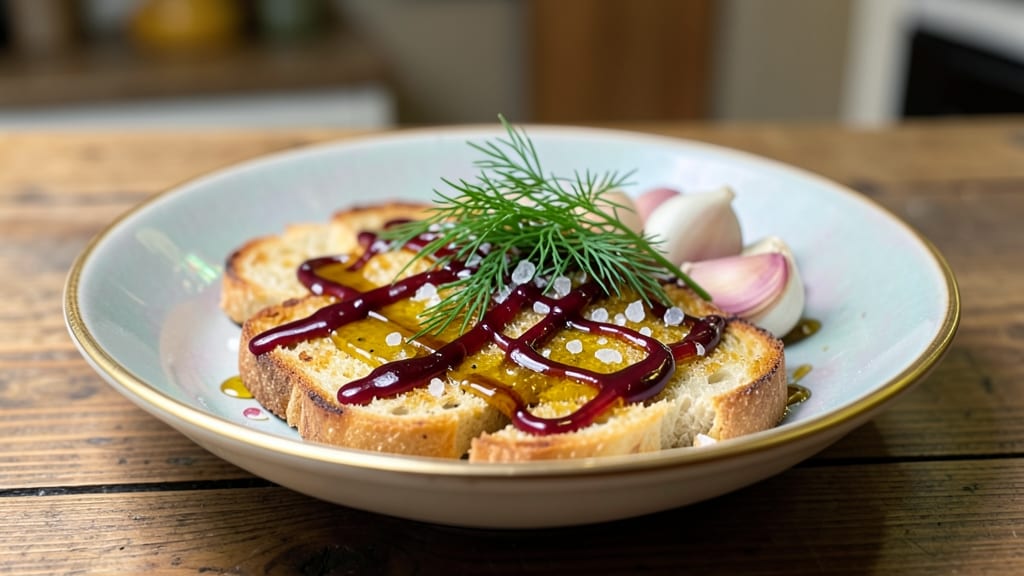
This Aurora sauce recipe transforms simple ingredients into a vibrant, tangy condiment that bridges the gap between creamy dressings and bold marinades.
The secret lies in its vinegar-kissed crunch and zesty dill twist—a balance of sharp acidity, fresh herbs, and subtle sweetness that elevates everything from grilled meats to fresh salads.
I developed this sauce after years of experimenting with Mediterranean flavors, and it’s now a staple in my kitchen for its versatility and depth.
The foundation of Aurora sauce is a harmonious blend of red wine vinegar, fresh dill, and a touch of honey, creating a profile that’s both bright and complex. Unlike traditional creamy sauces, this version stays light yet rich, with a subtle crunch from toasted breadcrumbs or crushed nuts.
The preparation is straightforward—just whisk, steep, and adjust—but the results are restaurant-quality, perfect for drizzling over roasted vegetables, tossing with pasta, or serving as a dip for warm pita.
What sets Aurora sauce apart is its ability to adapt to any dish while maintaining its signature tangy freshness. The vinegar cuts through richness, the dill adds aromatic brightness, and the optional crunch element introduces texture that keeps every bite interesting.
It’s the kind of sauce that makes simple meals feel gourmet with minimal effort, and once you try it, you’ll reach for it again and again.
Whether you’re grilling summer vegetables, searing steaks, or assembling a charcuterie board, Aurora sauce brings a sophisticated yet approachable twist to the table. The recipe scales effortlessly, so you can make a small batch for immediate use or double it for meal prep.
Here’s how to create this flavor-packed condiment in just minutes.
Ingredients for aurora sauce
Nine ingredients blend into this tangy, crunchy sauce that transforms any dish.
| Ingredient | Amount | Notes |
|---|---|---|
| Red Wine Vinegar 🍷 | ½ cup | High-quality, aged variety preferred |
| Extra-Virgin Olive Oil 🫒 | ½ cup | Fruity, peppery profile recommended |
| Fresh Dill Weeds 🌿 | ¾ cup | Tightly packed, stems removed |
| Honey 🍯 | 2 tbsp | Wildflower or clover preferred |
| Garlic Cloves 🧄 | 3 cloves | Peeled, lightly crushed |
| Diamond Crystal Kosher Salt 🧂 | 1 tsp | Fine grain preferred |
| Fresh Lemon Juice 🍋 | 2 tbsp | Freshly squeezed, strained |
| Toasted Breadcrumbs 🍞 | ¼ cup | Panko or Italian style preferred |
| Black Peppercorns 🌶️ | ½ tsp | Freshly cracked preferred |
| Crushed Red Pepper Flakes 🔥 | ½ tsp | Optional for heat |
The red wine vinegar is the heart of this sauce—look for aged varieties at specialty stores like Whole Foods or Trader Joe's for deeper flavor. Fresh dill matters too; buy it from the refrigerated section (not the dried aisle) and use it within 2 days. For the breadcrumbs, toast them in olive oil until golden—they add that perfect crunch. The honey should be local if possible, but any quality brand works. Garlic cloves? Lightly crush them so they infuse flavor without bitterness.
No fresh dill? Dried dill at one-third the amount works, but texture suffers. Short on vinegar? Apple cider vinegar is a decent swap, though it’ll taste slightly sweeter. Want more crunch without breadcrumbs? Toasted walnuts or pine nuts add richness. The red pepper flakes are optional—skip them if you prefer mild, or double for heat lovers. For extra depth, add a pinch of smoked paprika to the finished sauce. Store-bought honey? Wildflower or clover adds subtle floral notes that complement the vinegar.
This sauce keeps beautifully—1 week refrigerated in an airtight jar. For longer storage, freeze in ice cube trays and transfer to a bag. The crunch element (breadcrumbs/nuts) stays crispest when added fresh, but you can toast more and mix it in later. Double the batch—it disappears fast. Perfect for drizzling, dipping, or tossing. The flavor actually improves after 24 hours as everything melds.
Why You'll Love This Recipe
- No-Chop Needed: I swear, the only prep is mincing garlic—one clove, if you’re feeling lazy—and plucking dill stems. That’s it. The vinegar and honey do the heavy lifting while you sip your coffee.
- Bright & Tangy Magic: The red wine vinegar cuts through everything, then honey softens it into this addictive balance. Fresh dill? It’s like a burst of summer in every spoonful—herby, bright, and just a little sweet.
- Pantry Staple Upgrade: This sauce turns bland roasted veggies into a showstopper, drizzles over grilled fish like a fancy restaurant touch, or even glazes chicken thighs. Honestly, I keep a jar in the fridge for any meal that needs a lift.
- Lasts All Week: Make a big batch—it keeps for days in the fridge, and the flavors only get better. I’ve used it on Wednesday’s salad, Friday’s fish, and even Sunday’s charcuterie board. Zero waste, all flavor.
Step-by-step instructions for vinegar-kissed dill crunch sauce
Here's how to craft this vibrant, tangy sauce with perfect texture and depth.
Infuse the Vinegar and Oil Base
In a small saucepan, combine the 0.5 cup red wine vinegar and 0.5 cup extra-virgin olive oil over low heat. Warm gently for 3-4 minutes until the oil begins to shimmer and the vinegar emits a bright, acidic aroma. This gentle infusion awakens the olive oil's fruity notes while tempering the vinegar's sharpness.
Here's the thing—don't let it boil. You're creating a marriage, not a chemical reaction. Once you see tiny bubbles forming around the edges but not a full simmer, remove from heat immediately. The oil should now have a golden hue and carry a delicate vinegar kiss that forms the sauce's foundation.
Build the Flavor Layers
Add the 3 peeled garlic cloves and 0.75 cup fresh dill weeds to the warm vinegar-oil mixture. Stir gently to combine, then return to low heat for exactly 2 minutes. You'll notice the garlic softens slightly and the dill releases its bright, anise-like aroma. This brief cooking step ensures the flavors meld without becoming bitter.
Remove from heat and let steep for 10 minutes at room temperature. This resting period allows the dill's essential oils to fully infuse the base. The mixture should now have a vibrant green hue and carry a complex aroma of garlic, dill, and vinegar working together harmoniously.
Balance with Sweet and Acid
Whisk in the 2 tbsp honey and 2 tbsp fresh lemon juice until completely dissolved. The honey will immediately begin to bloom in the warm oil, creating a subtle sheen. This is where the sauce finds its balance—sweetness to counter the vinegar's acidity, citrus to brighten the dill's earthiness.
Season generously with 1 tsp diamond crystal kosher salt and 0.5 tsp freshly cracked black peppercorns. Taste and adjust—you want the salt to enhance all the flavors without overpowering, and the pepper to add just a hint of warmth. The sauce should now taste vibrant and complex, with all elements working in harmony.
Create the Crunchy Texture
In a small dry skillet over medium-low heat, toast the 0.25 cup toasted breadcrumbs for exactly 2-3 minutes, stirring constantly. They should develop a golden color and emit a nutty aroma. Remove immediately when they begin to darken—over-toasting leads to bitterness.
Transfer the toasted breadcrumbs to a clean bowl and let cool completely. This cooling step is crucial—it prevents the breadcrumbs from steaming when mixed with the warm sauce. Once cooled, gently fold them into the sauce mixture using a rubber spatula. The breadcrumbs should distribute evenly throughout, creating pockets of crunch in every bite.
Finish with Heat and Rest
Stir in the 0.5 tsp crushed red pepper flakes if using. These add a subtle heat that lingers beautifully on the palate. Let the sauce rest for 15 minutes at room temperature before serving. This resting period allows all the flavors to fully integrate and the breadcrumbs to absorb just enough moisture to create that perfect textural contrast.
The final sauce should have a glossy sheen from the olive oil, vibrant green flecks of dill, and visible breadcrumb pieces throughout. Each spoonful should deliver a perfect balance of tangy, herby, sweet, and slightly spicy notes with that satisfying crunch in every bite. Serve immediately over grilled fish, with roasted vegetables, or as a vibrant dip for crusty bread.
Pro Tips For Making Aurora Sauce
- TOAST GARLIC LOW: I learned this the hard way—crushing raw garlic into vinegar makes the sauce bitter. Instead, heat the olive oil in a small pan until it shimmers, then add whole garlic cloves (peeled) and cook just until golden—about 2-3 minutes. Remove them with tongs and let cool before chopping; the flavor is deeper and sweeter.
- CHOP DILL FINE: Whole dill stems make the sauce look like a science experiment failed. Give those stems a quick pulse in a food processor or finely chop them by hand—you’ll get way more leafy goodness without clumps. (Yes, even if you’re impatient like me.)
- BALANCE VINEGAR SLOWLY: Dumping all the red wine vinegar at once turns your sauce into a sharp punch. Start with half the amount, taste, then add the rest one tablespoon at a time. The honey and olive oil need time to mellow the acid—trust the process.
- WHISK IN HOT OIL: Cold olive oil and honey? That’s just a sad, separated sauce. Warm the oil slightly (just until it’s barely steaming), then whisk in the honey before adding vinegar. The emulsion stays smooth, and the flavors blend faster—no waiting for magic to happen.
Best sauces and condiments for these flavors
Grilled Meat Glaze
Use Aurora sauce as a bold glaze for grilled chicken or lamb chops. Brush it on during the last 5 minutes of grilling at high heat to caramelize the sugars from the honey. The vinegar creates a beautiful char while the dill adds aromatic depth.
I love this technique for bone-in pork chops—the sauce clings beautifully and adds a tangy contrast to the smoky grill marks. 🔥
Pasta Tossing Sauce
Toss freshly cooked linguine or spaghetti with 2 tbsp Aurora sauce per serving and a pinch of freshly grated Parmesan. The sauce's bright acidity cuts through the richness of the pasta, while the crunchy breadcrumbs add delightful texture.
For extra protein, stir in grilled shrimp or white beans just before serving. This works especially well with chilled pasta salads too.
Roasted Vegetable Drizzle
After roasting asparagus, Brussels sprouts, or eggplant at 425°F for 20 minutes, drizzle with Aurora sauce while still warm. The sauce's tangy-sweet profile enhances the natural sweetness of the vegetables while adding a herby finish.
I like to finish with toasted pine nuts for extra crunch. This pairing is perfect for vegetarian meals or as a side to grilled proteins. 🥦
Dip for Warm Bread
Serve Aurora sauce as a vibrant dip for warm pita, naan, or crusty sourdough. The crunchy breadcrumbs in the sauce create an interesting textural contrast against the soft bread. For a Mediterranean twist, pair it with hummus and olives on a platter.
I often use this as a starter before grilled meats to cleanse the palate. The sauce's brightness makes it an excellent palate refresher.
Seafood Enhancer
Drizzle Aurora sauce over grilled salmon, scallops, or shrimp just before serving. The vinegar's acidity cuts through the richness of the fish, while the dill adds a fresh, bright note. For extra flavor, marinate the seafood in 2 tbsp sauce for 15 minutes before grilling.
This works particularly well with white fish like cod or halibut that can sometimes taste bland on their own. 🐟
Salad Dressing Upgrade
Use Aurora sauce as a bold salad dressing by thinning it with equal parts water or sparkling water. Toss with mixed greens, cherry tomatoes, and cucumber for a refreshing summer salad.
The crunchy breadcrumbs add unexpected texture that keeps every bite interesting. For a creamy variation, stir in 2 tbsp Greek yogurt to create a tangy, herby dressing with a delightful crunch. 🥗
Nutrition facts
Frequently asked questions
What makes this vinegar-kissed dill sauce different from regular dill sauce?
This sauce stands out with its vinegar-kissed crunch and balanced sweetness from honey, creating a brighter, more complex flavor than traditional creamy dill sauces. The toasted breadcrumbs add texture that keeps every bite interesting, while the red wine vinegar provides depth that cuts through richness. It's perfect for dishes needing a tangy, herby lift rather than a heavy dressing.
Can I make this sauce without fresh dill?
Yes! Use ¼ cup dried dill instead of fresh, but the texture and aroma won't be as vibrant. For a similar effect, try ½ cup fresh parsley or ¼ cup fresh tarragon—both add brightness, though the flavor will differ slightly. The vinegar and honey will still create the signature tangy-sweet balance.
How long will this sauce keep, and can I freeze it?
Store in an airtight jar in the fridge for up to 1 week, where flavors deepen over time. For freezing, portion into ice cube trays and transfer to a bag—it keeps well for 3 months. The crunch element stays best when added fresh, but you can toast extra breadcrumbs and mix them in later. The sauce's acidity actually improves with age!
Is this sauce gluten-free?
Only if you substitute the breadcrumbs! Use crushed gluten-free crackers, toasted nuts, or crushed gluten-free cornflakes for the crunch. The rest of the ingredients are naturally gluten-free, so the sauce works beautifully for gluten-sensitive diets with this simple swap. Always check labels on vinegar and honey for cross-contamination warnings.
What's the best way to adjust the heat level?
Start with the ½ tsp red pepper flakes as written for mild heat. For medium spice, double it to 1 tsp, and for bold heat, add ½ tsp cayenne pepper or a pinch of chili flakes. Taste as you go—the vinegar's acidity helps balance heat, so you can go bolder than usual. Adjust salt and honey after adding heat to maintain balance.