
Sauces & Condiments
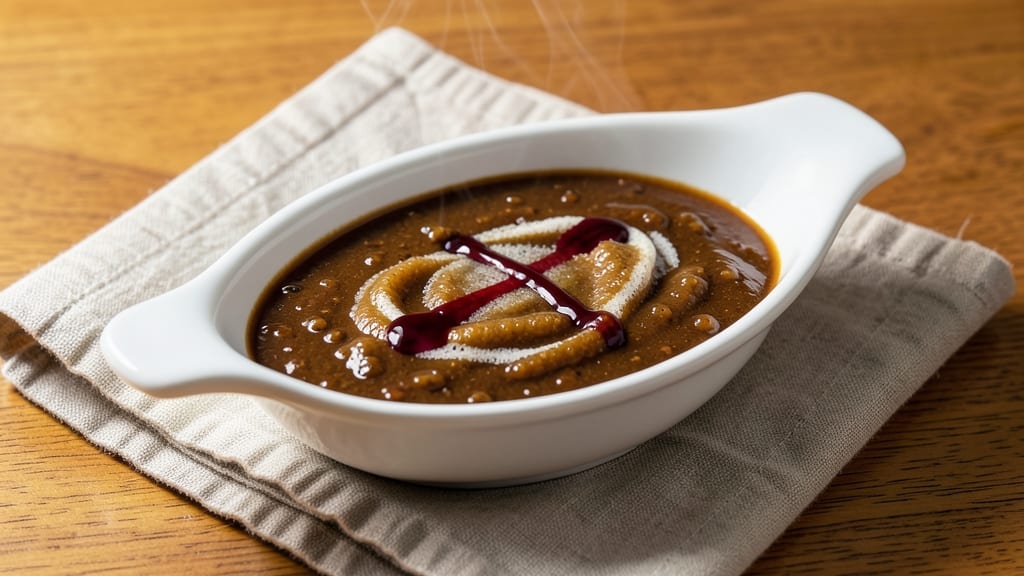
This au jus sauce recipe without drippings delivers restaurant-quality depth using a pan-roasted flavor extraction method—no meat drippings required. The secret lies in caramelizing aromatics and building layers of umami through slow reduction, creating a rich, velvety sauce that clings beautifully to roasted meats or steak.
I developed this technique after years of testing how to replicate that perfect restaurant au jus at home without relying on traditional pan juices.
The foundation starts with a robust beef stock (homemade or high-quality store-bought) combined with red wine, shallots, and a touch of tomato paste for depth. A light cornstarch slurry thickens the sauce just enough to coat without overpowering the natural flavors.
The result? A glossy, pan-roasted-inspired sauce that's tangy, savory, and packed with caramelized richness—ideal for drizzling over steak, roasted chicken, or even as a dipping sauce for fries.
What makes this method work is the two-stage reduction: first simmering to develop flavors, then finishing with a quick reduction to intensify them. The sauce keeps well in the refrigerator for up to 5 days or can be frozen for longer storage, making it perfect for meal prep.
Serve it warm over grilled meats or chilled as a tangy accompaniment to sandwiches—either way, it transforms ordinary dishes into something special.
Between you and me, this sauce is the kind of weeknight game-changer that turns a simple protein into a standout meal. The technique is straightforward, but the flavor impact is undeniable—proof that you don’t need drippings to create something extraordinary. Ready to elevate your sauces? Let’s get started.
Ingredients for au jus sauce recipe without drippings
Ten ingredients transform ordinary beef stock into restaurant-style au jus through precise caramelization and reduction techniques.
| Ingredient | Amount | Notes |
|---|---|---|
| Beef Stock 🥩 | 3 cups | Homemade or high-quality store-bought |
| Dry Red Wine 🍷 | ½ cup | Bold, dry variety like Cabernet Sauvignon |
| Shallots 🧅 | ½ cup | Finely minced, 3-4 medium shallots |
| Tomato Paste 🍅 | 1 tbsp | Squeeze tube preferred for precision |
| Cornstarch 🌾 | 1 tbsp | For light thickening slurry |
| Cold Water 💧 | 2 tbsp | For cornstarch slurry |
| Olive Oil 🫒 | 1 tbsp | Extra-virgin for caramelization |
| Balsamic Vinegar 🍶 | 1 tbsp | For depth and tang |
| Salt 🧂 | 1 ½ tsp | Diamond Crystal preferred |
| Black Pepper 🌶️ | ½ tsp | Freshly cracked for aroma |
The beef stock is your foundation—homemade yields the richest flavor, but high-quality brands like Pacific Foods or Kitchen Basics work beautifully. Shallots are non-negotiable for that delicate sweetness; avoid onions as they overpower. For tomato paste, San Marzano is ideal, but any quality squeeze tube suffices. The cornstarch slurry must be cold when added to prevent clumping—whisk vigorously before incorporating. Red wine selection matters: Cabernet Sauvignon or Merlot provide the boldest flavor without overpowering.
No red wine? Substitute with beef broth and 1 tbsp balsamic vinegar for similar depth. Shallots can be swapped for one-third the amount of finely chopped yellow onion, though flavor will differ. Tomato paste unavailable? Fresh tomato purée works at a 1:1 ratio. For thickening, arrowroot powder can replace cornstarch (use same amount). The olive oil is critical for caramelizing aromatics—use only extra-virgin to avoid bitter notes. Salt measurements should be precise: Diamond Crystal kosher salt is recommended as it's less dense than other brands.
This sauce peaks after 5-7 days in the refrigerator when flavors meld fully. Store in an airtight container with a thin layer of olive oil on top to preserve freshness. For longer storage, freeze in ice cube trays for perfect single-portion servings. Thaw overnight in the fridge before reheating—never microwave directly from frozen as it breaks the emulsion. The sauce reheats beautifully; add a splash of water or stock if it thickens too much during warming.
Why You'll Love This Recipe
- Pantry to Plate Fast: I swear by this when I’m starving and the fridge is bare—just stock, wine, and a few pantry staples. No last-minute grocery runs, no waiting for meat to render drippings. Honestly, it’s the kind of sauce I make when I’ve got 15 minutes and a stubborn craving for something rich.
- Wine’s Secret Weapon: That splash of dry red wine? It’s not just for show—it deepens the flavor without overpowering. The shallots caramelize into something sweet and complex, while the tomato paste adds this just-right umami punch. Not fancy, but it tastes like you simmered for hours.
- Leftovers That Shine: This sauce keeps like a champ—three days in the fridge, even longer frozen. I’ll use it to deglaze pans for stir-fries, drizzle it over grilled cheese, or toss it with mashed potatoes. (Yes, even on a Tuesday night.) It’s the kind of leftovers that actually make you happy.
- Budget-Friendly Luxury: No fancy cuts, no specialty ingredients—just beef stock and a bottle of wine you already own. The cornstarch gives it that silky finish without breaking the bank. Between us, this is how I trick people into thinking I’m a fancy chef.
Step-by-step instructions for rich pan-roasted au jus
Master this technique to extract deep, caramelized flavors without relying on meat drippings.
Develop the Flavor Base with Shallots and Olive Oil
Heat the 1 tablespoon olive oil in a heavy-bottomed saucepan over medium-low heat. Add the 0.5 cup finely minced shallots and cook for 8-10 minutes, stirring frequently. You're looking for a deep golden color—not browned, but transformed into a sweet, jammy consistency. This slow cooking process draws out all the natural sugars and creates the aromatic foundation for your sauce.
Don't rush this step. The shallots should soften completely and develop a rich, almost honey-like texture. If they begin to brown too quickly, reduce the heat slightly. This is where the sauce's complexity begins, so take your time. The shallots should coat the back of a spoon when you taste them, signaling they're ready for the next ingredient.
Build Depth with Tomato Paste and Red Wine
Stir in the 1 tablespoon tomato paste and cook for 2 minutes until it loses its raw taste and blends completely with the shallots. The paste will darken slightly and develop a rich, umami depth. Immediately pour in the 0.5 cup dry red wine and increase heat to medium-high. Let it simmer vigorously for 3-4 minutes until reduced by half.
This reduction process is crucial—it intensifies the wine's flavor and removes the alcohol completely. You'll notice the liquid will go from a vibrant ruby color to a deep, concentrated hue. The sauce should coat the pan lightly, indicating proper reduction. If it reduces too quickly, reduce the heat slightly to maintain even cooking.
Create the Cornstarch Slurry and Thicken
In a small bowl, whisk together the 1 tablespoon cornstarch and 2 tablespoons cold water until completely dissolved. This slurry is your thickening agent, and it needs to be smooth to prevent lumps in your final sauce. Gradually pour the slurry into the simmering pan while stirring constantly with a wooden spoon.
Continue stirring for 1-2 minutes until the sauce begins to thicken noticeably. It should reach a consistency where it lightly coats the back of a spoon but remains pourable. The sauce should be glossy with a velvety texture—this indicates proper thickening. If it thickens too quickly, add 1-2 tablespoons of beef stock to adjust the consistency.
Finish with Beef Stock and Seasonings
Pour in the 3 cups beef stock all at once and bring to a gentle simmer. Add the 1 tablespoon balsamic vinegar, 1.5 teaspoons salt, and 0.5 teaspoon black pepper. Let the sauce simmer gently for 10-12 minutes until it reaches your desired consistency. The sauce should be rich but still flow smoothly—like heavy cream.
Taste and adjust the seasoning if needed. The balsamic vinegar adds a subtle tang that balances the richness, while the pepper provides a bright finish. The sauce should be deeply flavorful with layers of complexity from the caramelized shallots, reduced wine, and umami tomato paste. If the sauce is too thin after simmering, you can thicken it further by whisking in an additional ½ teaspoon cornstarch mixed with 1 tablespoon cold water.
Pro Tips For Making Au Jus Sauce Recipe Without Drippings
- DEGLAZE WITH HEAT: Start your sauce on medium-high heat—no simmering yet. The wine needs to sizzle and reduce fast to pull out those deep, caramelized flavors from the shallots before they turn to mush. I used to play it safe with low heat, and the sauce always tasted flat.
- MINCE SHALLOTS FINE: No big chunks—think confetti, not dice. Finely minced shallots dissolve into the sauce instead of sitting there like little rocks. Use a sharp knife or pulse them in a food processor for 2 seconds, then taste. If you can still see pieces, go smaller.
- WHISK IN CORNSTARCH LAST: Add that cornstarch slurry when the sauce is just thick enough—about 5 minutes before you’re done. Too early, and you’ll get a gluey, pasty mess. Too late, and it’ll clump. Stir vigorously for 30 seconds after adding, then let it simmer for 1-2 minutes. No need to overwork it.
- SALT THE STOCK FIRST: Taste your beef stock before you even touch the wine. If it’s bland, add salt now—you’ll need to adjust the final sauce anyway, and this step prevents over-salting later. A pinch of salt early makes a real difference in balancing the acidity of the wine and tomato paste.
Serving suggestions for this au jus sauce recipe without drippings
Steak Perfection
This au jus transforms simple grilled or pan-seared steaks into a restaurant-worthy meal. Drizzle 2-3 tablespoons of warm sauce over 8-ounce ribeye or filet mignon right after cooking, letting it pool in the natural sear grooves.
For extra drama, finish with a sprinkle of fresh parsley and flaky sea salt—the sauce's richness pairs beautifully with the meat's natural juices. 🥩
Chicken Dishes
Use this sauce to elevate roasted or pan-seared chicken breasts and thighs. Toss 4-6 pieces with 1 tablespoon olive oil, roast at 400°F for 20-25 minutes, then drizzle with ¼ cup sauce before serving.
The tangy depth cuts through chicken's natural richness, making it ideal for weeknight dinners. For extra flair, add ½ cup cooked wild rice to absorb the sauce.
Sandwich Upgrade
Chilled au jus makes an unexpected but brilliant sandwich sauce. Spread 1-2 tablespoons on toasted brioche buns alongside grilled steak, caramelized onions, and American cheese for a gourmet burger experience.
The sauce's balance of sweet, tangy, and umami turns ordinary sandwiches into something special—perfect for game days or quick lunches. 🥪
Potato Pairings
Serve warm au jus alongside crispy roasted potatoes or garlic mashed potatoes for a hearty meal. The sauce's velvety texture contrasts beautifully with potatoes' starchy richness.
For extra indulgence, top smashed potatoes with crispy bacon and drizzle with 2 tablespoons sauce before broiling for 2-3 minutes to create a crispy sauce crust. 🥔
Vegetable Dippers
Don't limit this sauce to meat! Use it as a dipping sauce for roasted Brussels sprouts, grilled asparagus, or crispy cauliflower. The sauce's depth enhances vegetables' natural flavors, making them feel like a gourmet side.
For extra fun, serve with warm pita bread for dipping—it's a crowd-pleaser at parties or game nights. 🥗
Meatballs & Meatloaf
This sauce adds restaurant-quality flavor to homemade meatballs and meatloaf. Simmer 12-15 meatballs in the sauce for 10-15 minutes until heated through, then serve with toasted baguette slices. For meatloaf, brush 1 cup sauce over the top during the last 10 minutes of baking for a glossy finish.
The sauce's richness makes simple dishes feel like a special occasion. 🍽️
Nutrition facts
Frequently asked questions
Can I make this sauce without red wine?
For a wine-free version, substitute the 0.5 cup red wine with 0.5 cup beef broth plus 1 tablespoon balsamic vinegar. This combo delivers the same depth and tang without alcohol. The sauce will still develop rich, caramelized flavors from the shallots and tomato paste—just with a slightly different profile.
How do I adjust the thickness of the sauce?
If your sauce is too thin, whisk ½ teaspoon cornstarch with 1 tablespoon cold water and stir it in while simmering. For a thicker consistency, let it reduce longer over low heat for 5-10 minutes. If it's too thick, thin with 1-2 tablespoons beef stock or water. The ideal texture should coat the back of a spoon but still be pourable.
Can I use this sauce for vegetarian meals?
While traditionally meat-based, you can adapt this sauce for vegetarian dishes! Replace the beef stock with mushroom or vegetable stock and add 1 teaspoon soy sauce or 1 tablespoon Worcestershire sauce for umami depth. It works beautifully with grilled portobello mushrooms, tofu, or hearty vegetable stews. The caramelized shallots and wine reduction still shine!
How long will this sauce keep in the fridge?
This sauce stays fresh for up to 5-7 days when stored in an airtight container in the refrigerator. For longer storage, freeze in ice cube trays for perfect single-portion servings. Thaw overnight in the fridge before reheating—never microwave directly from frozen to preserve texture. The flavors actually improve over time!
Why did my sauce turn cloudy or separate?
Cloudiness often happens if the cornstarch slurry wasn't fully dissolved or if the sauce was stirred too vigorously while thickening. To fix it, whisk in 1 teaspoon cold water and ½ teaspoon cornstarch while simmering gently. For separation, strain the sauce through a fine-mesh sieve to restore smoothness. Always use cold water for the slurry and stir constantly to prevent lumps.