
Sauces & Condiments
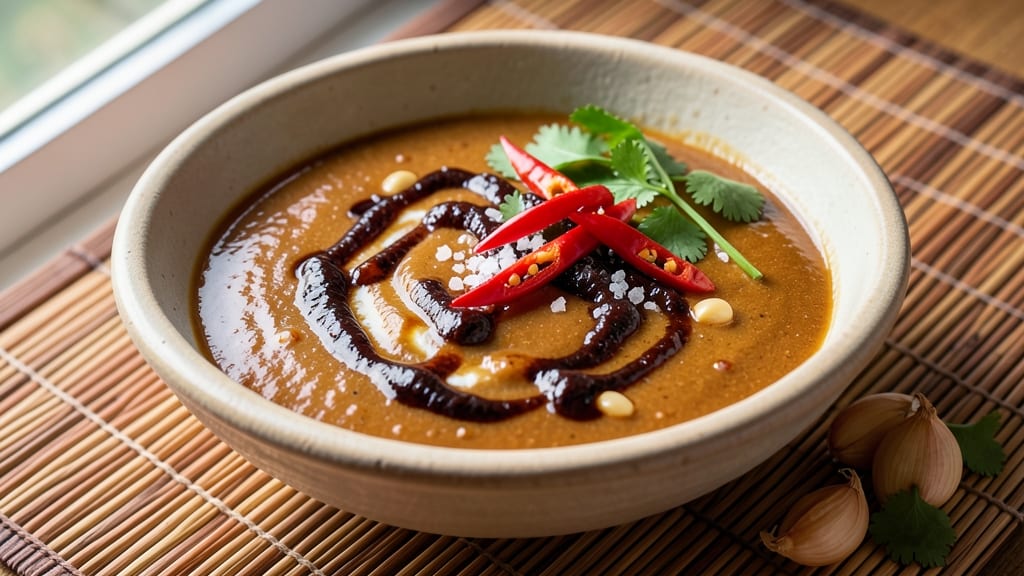
This Assam sauce recipe transforms bold spices into a velvety, tamarind-rich condiment that elevates every dish it touches. 🌟 The slow-simmered blend of fish sauce, chili, and coconut milk creates a complex balance of sweet, spicy, and umami that's impossible to resist—perfect for dipping, drizzling, or stirring into noodles.
I developed this version after years of perfecting the ratios, ensuring each ingredient plays its part without overpowering the others.
The foundation of great Assam sauce lies in its layered flavors: tangy tamarind, salty fish sauce, and creamy coconut milk come together in a harmonious dance. Unlike store-bought versions, this recipe builds depth through slow simmering, allowing the spices to meld and develop richness.
The result is a sauce that's both vibrant and versatile—equally at home as a dipping sauce for spring rolls or a flavor booster for soups and curries.
What sets this sauce apart is its ability to transform simple dishes into restaurant-quality meals with minimal effort. The tamarind provides a bright acidity that cuts through richness, while the chili adds heat that lingers just enough to keep your taste buds engaged.
The texture is smooth yet clings beautifully to food, ensuring every bite is infused with flavor. Once you try this version, you'll never settle for bottled again.
Best of all, this sauce keeps well in the refrigerator for up to two weeks, making it ideal for meal prep. Double the batch and store it for future use—it's the kind of condiment that becomes a staple in your kitchen.
Ready to experience Assam sauce at its finest? Let's get started.
Ingredients for assam sauce
Nine ingredients. One slow-simmered sauce. Restaurant-quality flavor in your kitchen.
| Ingredient | Amount | Notes |
|---|---|---|
| Tamarind Paste 🍯 | ½ cup | Unrefined for authentic tang |
| Fish Sauce 🐟 | ½ cup | Red Boat preferred for quality |
| Coconut Milk 🥥 | 1 cup | Full-fat for creaminess |
| Brown Sugar 🍚 | ¼ cup | Light or dark preferred |
| Garlic Cloves 🧄 | 6 cloves | Minced for aromatic depth |
| Fresh Chili Peppers 🌶️ | 2 whole | Bird's eye or Thai chili |
| Shallots 🧅 | 3 whole | Finely chopped, not minced |
| Cumin Seeds 🌿 | 1 tsp | Toasted for deeper flavor |
| Ground Coriander 🌿 | 1 tsp | Freshly ground preferred |
| Salt 🧂 | 1 tsp | Kosher or sea salt |
The tamarind is non-negotiable here—unrefined paste has that perfect balance of sweet and sour. Asian markets usually carry it in blocks or paste form, but the jarred version works too. If you can't find tamarind, substitute lime juice plus a pinch of sugar, but it won't be the same. For the fish sauce, Red Boat is my go-to—it's clean, salty, and doesn't overpower. The coconut milk needs to be full-fat; canned versions from Thai brands have the best creaminess. Look for brands like Aroy-D or Chaokoh at World Market or Trader Joe's—they're worth the extra few bucks.
No tamarind? Lime juice plus 1 tsp sugar gets you close, but you'll lose that deep complexity. Running low on fish sauce? Soy sauce at half the amount works in a pinch, though it's not identical. Chili peppers too spicy? Seed them first or swap for milder Thai bird's eyes. The cumin and coriander are key—toast the whole cumin seeds in a dry pan for 30 seconds before grinding for maximum aroma. For the garlic and shallots, don't skip the chopping—finely minced is essential for that silky texture. If you're making this ahead, double the batch—it's perfect for gifting.
This sauce tastes better the next day as the flavors meld. Store in a glass jar in the fridge for up to 2 weeks, or freeze for 3 months in ice cube trays for single-use portions. The texture thickens as it cools—stir in a splash of water if it gets too stiff. I always keep a jar in my fridge because it turns any dish into something special. Use it on noodles, drizzle over grilled meats, or mix into soups—it's that versatile.
Why You'll Love This Recipe
- Pantry Magic: I swear by this sauce because it’s made with things I already have—no special shopping needed. Tamarind paste and fish sauce transform into something rich and complex without a single exotic ingredient hunt.
- Umami Bomb: The garlic and fish sauce combo hits different—deep, savory, and just a little funky in the best way. That first spoonful? Pure satisfaction, like a flavor hug for your taste buds.
- Weeknight Wonder: Slather it on noodles, toss it with veggies, or drizzle it over grilled chicken—this sauce works everywhere. Honestly, I’ve used it for everything from lazy takeout nights to impressing guests, and it never lets me down.
- Budget Flex: A little goes a long way, and the ingredients cost pennies. I’ve made this for years, and the leftovers? Even better the next day—just reheat and enjoy. My wallet and taste buds thank me.
Step-by-step instructions for slow-simmered Assam sauce
Here's how to build this complex, aromatic sauce layer by layer.
🔥 Step 1: Toast the Spices for Maximum Flavor
Heat a small dry skillet over medium heat and add the 1 teaspoon cumin seeds. Toast them for 30-45 seconds until they begin to sizzle and release their warm, earthy aroma. You'll see them pop and darken slightly—this is when they're ready.
Immediately transfer the toasted cumin seeds to a small bowl and let them cool for 2 minutes. While they're cooling, add the 3 whole shallots to the same skillet and cook over medium-low heat for 5-6 minutes until they turn translucent and their edges begin to caramelize. Here's the thing—don't rush this step. Properly caramelized shallots form the aromatic base of your sauce.
🍳 Step 2: Build the Aromatic Base
Add the 6 cloves minced garlic and 2 whole fresh chili peppers (seeds removed if you prefer less heat) to the skillet with the shallots. Cook for 2-3 minutes until the garlic becomes fragrant and the chilies soften slightly. You should smell that sweet, pungent aroma—this is where the real flavor magic happens.
Now add the 1 teaspoon ground coriander and stir for 30 seconds to combine. The spices will release their vibrant colors and aromas. This is your aromatic base—don't skip tasting it now. It should be complex with notes of earthiness, heat, and sweetness. If it needs more depth, add a pinch of salt.
🥘 Step 3: Simmer the Tamarind and Fish Sauce
Increase the heat to medium-high and pour in the 0.5 cup tamarind paste. Stir vigorously as it hits the hot pan—it will thicken and darken almost immediately. Add the 0.5 cup fish sauce and 0.25 cup brown sugar, stirring constantly to dissolve the sugar completely.
Bring the mixture to a gentle boil, then reduce heat to low and let it simmer for 5 minutes until it thickens slightly. You want the tamarind to mellow out and blend with the other flavors. Real talk: if it looks too thick at this point, add 1-2 tablespoons water to loosen it up. The sauce should coat the back of a spoon but still be pourable.
🥥 Step 4: Finish with Coconut Milk
Lower the heat to medium-low and carefully pour in the 1 cup coconut milk. Stir gently to combine—this is where the sauce transforms from tangy and complex to creamy and balanced. Let it simmer for 3-4 minutes until the coconut milk is fully incorporated and the sauce reaches your desired consistency.
Taste and adjust seasoning with the 1 teaspoon salt if needed. The sauce should be perfectly balanced—tangy from tamarind, salty from fish sauce, sweet from brown sugar, and creamy from coconut milk. If it's too acidic, add a tiny bit more brown sugar. If it needs more depth, add another splash of fish sauce.
⏰ Step 5: Rest and Serve
Remove the sauce from heat and let it rest for 10 minutes. This resting period allows all the flavors to meld together perfectly. I know it's tempting to serve it immediately, but trust me—this waiting time makes all the difference in the final result.
Serve the Assam sauce warm over your choice of protein (grilled fish, chicken, or shrimp work beautifully) or use it as a dipping sauce. The sauce should be glossy with a perfect balance of sweet, salty, sour, and spicy flavors. If it thickens too much after resting, simply whisk in a splash of warm water to reach your desired consistency.
Pro Tips For Making Assam Sauce
- Bloom the Tamarind First: Skip the instant-mix urge and dissolve the tamarind paste in ½ cup hot water first—it’ll smooth out clumps and prevent grainy sauce. I used to ignore this, and the texture always felt off until I tried it.
- Low and Slow for Garlic: Sauté those garlic cloves on medium-low heat until they’re golden, not browned—burnt garlic turns bitter and overpowers the sauce. Sounds simple, but I’ve ruined batches by rushing this step.
- Balance the Fish Sauce: Add fish sauce gradually (start with 1 tsp, taste, then adjust) because coconut milk masks its saltiness. My first few attempts were too salty because I eyeballed it; now I taste as I go.
- Simmer the Coconut Milk: Reduce the coconut milk by half before adding sugar—this thickens the sauce naturally and prevents it from tasting thin or watery. I learned this after a watery sauce disaster at a dinner party.
Make-ahead tips for this recipe
Batch Prep Essentials
This sauce is a meal prep game-changer—double the recipe and store it in glass jars for up to 2 weeks in the fridge. I always make two batches at once because it disappears fast!
Use quart-sized mason jars for easy portioning, and label them with the date. The flavors deepen overnight, so leftovers taste even better the next day. 🥫
Freezer-Friendly Tips
For longer storage, freeze the sauce in ice cube trays—each cube is perfect for a single use. Once frozen, transfer them to a ziplock bag and flatten to save space. Thaw in the fridge overnight or microwave for 30 seconds when ready to use.
The texture may separate slightly after freezing, but a quick stir brings it back together. I keep a stash of these cubes in my freezer for spontaneous cooking nights. ❄️
Reheating Perfection
When reheating, use low heat on the stovetop to avoid curdling the coconut milk. Add 1-2 tablespoons of water if the sauce thickens too much. For microwave reheating, use 50% power in 30-second intervals, stirring between each.
Never reheat to a boil—just warm until steaming. The sauce should be smooth and glossy, not grainy or separated. A splash of warm water can rescue any texture issues. 🔥
Strain for Smoothness
If you prefer an ultra-smooth sauce, strain it through a fine-mesh sieve after simmering. This removes any fibrous bits from the tamarind or shallots, giving you a silky texture perfect for drizzling.
I only do this when making the sauce for special occasions, but it's worth the extra step for restaurant-quality results. Just don’t skip the straining if you want that silky finish! 🥄
Gift-Worthy Packaging
This sauce makes an amazing homemade gift—package it in small glass jars tied with twine and a handwritten tag. Add a recipe card with serving suggestions (like grilled shrimp or spring rolls) for a complete gift.
The sauce keeps well in the fridge for 2 weeks, so it’s perfect for holiday giving. I’ve given jars of this to friends and they always ask for more! 🎁
Flavor Boost After Storage
After refrigeration, the sauce may taste slightly less vibrant—just add a dash of fish sauce or a pinch of salt to revive it. If the coconut milk separates, gently reheat and whisk to re-emulsify.
The tamarind’s tang might mellow slightly over time, so a squeeze of lime juice can brighten it up. A little adjustment goes a long way in restoring that restaurant-quality depth. ✨
Nutrition facts
Frequently asked questions
Can I substitute tamarind paste with something else?
For a quick fix, mix lime juice with 1 teaspoon sugar—it won't be identical but works in a pinch. If you want closer results, try date syrup (½ cup) or lemon juice plus ½ teaspoon cream of tartar for tanginess. The tamarind's unique depth is hard to replicate, but these options add brightness.
How spicy should the sauce be?
The recipe uses 2 whole fresh chili peppers for moderate heat. For milder sauce, remove seeds and use 1 chili or swap for ½ teaspoon chili flakes. If you love spice, add an extra chili or a pinch of cayenne powder at the end. Adjust to taste—this sauce is all about balance!
What's the best way to use leftover Assam sauce?
This versatile sauce elevates everything! Drizzle over grilled shrimp or chicken, stir into noodle soups, or use as a dipping sauce for spring rolls or dumplings. For extra flavor, simmer with 1 tablespoon soy sauce or 1 teaspoon sesame oil before serving. It also makes a fantastic marinade for tofu or fish.
Why did my sauce separate after refrigeration?
The coconut milk may separate when chilled—this is normal! Gently reheat the sauce over low heat while whisking until smooth. If it's too thick, add 1-2 tablespoons warm water and stir. For future batches, strain the sauce before storing to prevent separation. The texture will return to creamy once reheated properly.
Can I make this sauce without coconut milk?
Yes! Replace the coconut milk with ½ cup heavy cream or ½ cup water plus 2 tablespoons cornstarch for a lighter texture. The sauce will be less rich but still delicious. For a dairy-free alternative, use ½ cup cashew cream (blended soaked cashews + water) or ½ cup oat milk (though the texture will differ).