
Sauces & Condiments
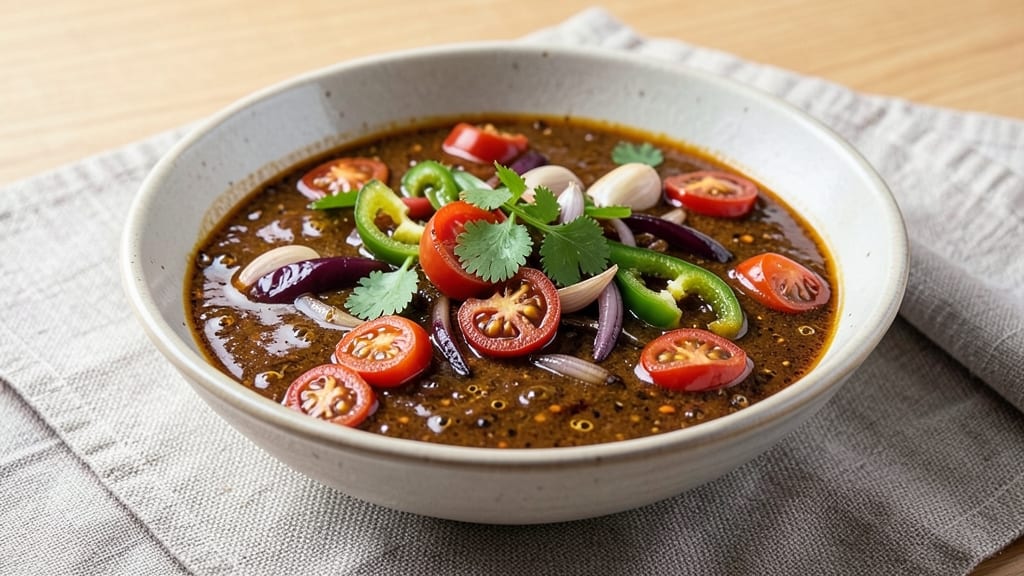
This aso sauce recipe transforms simple ingredients into the rich, aromatic base of West African stews—where smoky peppers, tomatoes, and palm oil create depth that elevates every dish. 🌟 The secret lies in slow simmering, which develops layers of flavor while reducing the sauce to a velvety consistency perfect for soaking up proteins.
I’ve perfected this version to balance traditional techniques with modern adaptability, whether you’re cooking for a family gathering or meal prepping for the week.
What sets this aso sauce apart is its versatility: it works as a standalone condiment or as the foundation for stews, soups, and even marinades. The blend of fresh tomatoes, Scotch bonnet peppers, and blended vegetables creates a vibrant red base, while palm oil adds a rich, earthy depth.
For those avoiding animal products, substitutes like coconut oil or vegan butter maintain the sauce’s luxurious texture without compromising flavor.
The process is straightforward but requires patience—allowing the sauce to simmer for 30-45 minutes ensures the flavors meld into a harmonious balance of sweet, smoky, and slightly tangy notes. Each batch delivers a sauce that’s both restaurant-quality and deeply personal, carrying the warmth of West African cuisine into your kitchen.
Whether you’re serving it with jollof rice, fried plantains, or as a dip for grilled meats, the results are undeniably satisfying.
Ready to elevate your cooking? This aso sauce recipe is your gateway to bold, flavorful meals that feel like a hug in every bite. Let’s get started—your taste buds will thank you.
Ingredients for aso sauce
Rich, smoky, and deeply flavorful—this sauce transforms simple ingredients into West African magic.
| Ingredient | Amount | Notes |
|---|---|---|
| Palm Oil 🫒 | ½ cup | Red palm oil preferred for authentic color |
| Fresh Tomatoes 🍅 | 4 medium | Ripe, firm tomatoes, blended |
| Scotch Bonnet Peppers 🌶️ | 2 whole | Seeds removed for less heat |
| Onion 🧅 | 1 whole | Yellow or red, roughly chopped |
| Garlic Cloves 🧄 | 4 cloves | Peeled and minced |
| Fresh Bell Peppers 🌶️ | 2 whole | Any color, blended with tomatoes |
| Fresh Ginger 🌿 | 1 inch | Peeled, roughly chopped |
| Fish Sauce 🐟 | 1 tbsp | Traditional umami base |
| Salt 🧂 | 1 ½ tsp | Adjust to taste |
| Black Pepper 🌶️ | ½ tsp | Freshly ground preferred |
Palm oil is the heart of this sauce—red palm oil gives that signature vibrant color, but coconut oil or vegan butter works in a pinch. Grab the smallest canister you can find at African markets or international grocery stores—it’s pricey but worth it. If you can’t find red palm oil, regular palm oil still delivers that rich, earthy depth. For the tomatoes, heirloom or Roma make the best sauce, but any ripe tomato will work. The Scotch bonnet peppers are non-negotiable—they bring the smoky, slightly sweet heat that defines aso sauce. If you can’t find them, habanero peppers are the closest substitute, but reduce the amount by half to control heat.
No fish sauce? Soy sauce or vegan fish sauce adds umami, but it won’t be traditional. The ginger and garlic are where the sauce gets its depth—freshly grated ginger is ideal, but powdered works if you’re in a rush. For the bell peppers, any color works, but red adds natural sweetness. If you’re blending the peppers and tomatoes separately, strain out the seeds for a smoother sauce. The fish sauce is key—it’s what makes this sauce sing, so don’t skip it if you can find it. For a vegetarian version, mushroom broth or soy sauce can replace it, though the flavor will shift slightly.
This sauce tastes even better the next day as the flavors meld. Store it in an airtight glass jar in the fridge for up to 5 days, or freeze portions for 3 months. I always make extra—it’s perfect for meal prep. The sauce thickens as it cools, so add a splash of water if it’s too stiff when reheating. A little goes a long way—start with 2 tablespoons per serving and adjust to taste. The longer it simmers, the richer it gets, so don’t rush it.
Why You'll Love This Recipe
- No Chopping Nightmare: I swear by this—just dice the onion and garlic once, then let the tomatoes and peppers do the work. The palm oil gives that rich base without needing fancy techniques, and honestly? My knife stays clean for the rest of the night.
- Heat You’ll Crave: That Scotch bonnet doesn’t just add spice—it brings depth. The smoky-sweet palm oil meets the bright acidity of fresh tomatoes, and the garlic? It lingers in the best way. One taste and you’ll understand why I keep a jar of this in my fridge.
- Weeknight Superstar: This sauce turns rice into a full meal in minutes. Slap it on pounded yam, plantains, or even eggs—it’s my go-to when I’m too tired to plan. Between us, it’s also the reason my freezer is always stocked with leftovers.
- Budget-Friendly Gold: Palm oil and tomatoes stretch forever, and you’re not buying pre-made sauce. I make a big batch on Sundays, freeze half, and still have enough for three meals. (Yes, even on a Tuesday night.) Plus, the ingredients? Always affordable, always reliable.
Step-by-step instructions for West African tomato-pepper stew base
Here's how to build the perfect aso sauce foundation—bold, balanced, and ready for any stew.
🔥 Step 1: Bloom the Palm Oil for Rich Color
Heat a large pot over medium-low heat and add the 0.5 cup palm oil. Let it warm for 2-3 minutes until it begins to shimmer but not smoke—you want that deep red color to develop without burning. This is where the sauce gets its signature hue and flavor.
I like to use red palm oil for that authentic West African look, but regular palm oil works too. Watch carefully—if it starts to smoke, reduce heat immediately. Once the oil is fragrant and shimmering, you're ready for the next step. Don't rush this; the oil needs time to fully infuse its flavor into the sauce.
🍳 Step 2: Sauté Aromatics Until Deeply Fragrant
Add the roughly chopped onion to the warm oil and cook for 5 minutes until soft and translucent. Then stir in the minced garlic cloves and peeled ginger, cooking for another 2 minutes until the garlic turns golden and the ginger becomes aromatic.
Here's the thing—don't skip this step. The aromatics need time to develop their flavors in the oil. You'll know it's ready when the kitchen smells like a West African market. If the garlic starts to brown too quickly, reduce heat slightly. This is the flavor base for your entire sauce.
🍳 Step 3: Build the Sauce with Tomatoes and Peppers
Add the 4 medium fresh tomatoes (cut into chunks) and 2 whole fresh bell peppers (cut into pieces) to the pot. Cook for 8-10 minutes until the tomatoes break down and the mixture becomes saucy. Then add the seeded Scotch bonnet peppers (remove seeds first for milder heat) and cook for another 5 minutes.
You want the tomatoes to soften completely and release their juices. Stir occasionally to prevent sticking. The sauce should thicken slightly as it cooks. If it's getting too dry, add a splash of water—but we'll be adding more liquid later, so don't overdo it.
🥘 Step 4: Season and Simmer to Perfection
Add the 1 tbsp fish sauce, 1.5 tsp salt, and 0.5 tsp black pepper to the pot. Stir well to combine, then reduce heat to low and let the sauce simmer uncovered for 15-20 minutes. You want it to reduce and thicken until it coats the back of a spoon.
This is where the magic happens. The sauce should transform from a chunky mixture to a smooth, velvety base. Taste as you go and adjust seasoning—you might need a little more salt or fish sauce to balance the flavors. The sauce should be rich, slightly tangy, and have a perfect balance of heat from the Scotch bonnets.
⏰ Step 5: Blend for Silky Smooth Texture
Let the sauce cool slightly, then transfer it to a blender. Blend until completely smooth, scraping down the sides as needed. Return the blended sauce to the pot and simmer for another 5 minutes to meld all the flavors together.
This blending step is crucial for that restaurant-quality texture. If your sauce is too thick after blending, add a little water or broth to reach your desired consistency. The final sauce should be thick enough to coat the back of a spoon but still pourable. This aso sauce is now ready to use as a base for your favorite West African stews!
Pro Tips For Making Aso Sauce
- Low and Slow with Palm Oil: After burning three batches, I finally figured out—don’t rush the palm oil. Simmer it on low heat for 5-7 minutes until it turns a deep, rich red and smells nutty. High heat makes it bitter fast, and you’ll regret it when the sauce tastes off.
- Seed the Scotch Bonnet Properly: I used to just slice open the pepper and hope for the best. Instead, cut it in half lengthwise, scrape out the seeds and veins with a spoon, then rinse it under water to remove any lingering residue. Trust me, you don’t want that heat overpowering the whole sauce.
- Blanch Tomatoes First: Toss whole tomatoes into boiling water for 30 seconds, then peel and chop them. This removes excess water and skin, so your sauce thickens faster and doesn’t turn watery. (Yes, even if you’re impatient like me.)
- Crush Garlic with Salt: My grandmother swore by this, and she was right: Mince your garlic cloves, sprinkle with a pinch of salt, then crush them with the flat side of your knife. This releases more flavor and prevents them from turning bitter. No need to overcomplicate it.
Wine and beer pairings for these flavors
West African Beer Pairings
Pair your aso sauce with a Guinness Draught—the deep maltiness and slight roastiness complement the sauce’s smoky, tomato-forward profile beautifully. The creamy head also helps cut through the richness of palm oil-based dishes.
I always keep a cold one nearby when making aso sauce, as it’s the perfect palate cleanser between bites of stew. 🍺
For something lighter, try Nigerian Star Lager—its crisp, clean finish balances the sauce’s bold flavors without overpowering them. The subtle citrus notes in the beer enhance the Scotch bonnet peppers’ heat, creating a refreshing contrast.
This is my go-to choice for casual gatherings where I want something easy-drinking yet still sophisticated.
African-Inspired Wine Options
A Pinotage from South Africa is an unexpected but fantastic match—its dark fruit flavors and subtle spice echo the sauce’s tomato and pepper base. The wine’s earthy undertones also pair well with palm oil’s richness. Look for a 2018 or newer vintage from Stellenbosch for the best balance. 🍷
For a red wine option, Malbec from Argentina delivers a bold, fruit-forward profile that stands up to the sauce’s intensity. The wine’s dark berry notes complement the tomatoes, while its smooth tannins soften the Scotch bonnet’s heat. A 2019 or 2020 vintage from Mendoza is ideal for this pairing.
Non-Alcoholic Pairings
For a refreshing non-alcoholic option, hibiscus iced tea (also known as zobo) is a perfect match. Its tart, cranberry-like flavor contrasts beautifully with the sauce’s richness, while the natural sweetness balances the heat.
Brew it with 1 tbsp dried hibiscus flowers per cup of hot water and chill before serving. 🌸
Another great choice is ginger beer—the spicy kick from fresh ginger mirrors the sauce’s heat, while the effervescence cleanses your palate between bites. Look for a non-alcoholic ginger beer with real ginger listed as the first ingredient for the best flavor.
This pairing works especially well with lighter aso sauce preparations.
Regional Beer Adaptations
In Nigeria, Heineken is a classic pairing for aso sauce dishes, especially during festive occasions. Its crisp, slightly bitter profile cuts through the sauce’s richness, making it a crowd-pleaser. For a local touch, try Chibuku (a traditional sorghum beer) if you’re serving in a more rustic setting. 🍻
For a West African twist, Dubonnet Rouge (a fortified wine) pairs surprisingly well with aso sauce’s depth. The wine’s herbal notes and slight bitterness complement the sauce’s complexity, while its sweetness balances the heat. This is a favorite in Ghanaian and Nigerian households during special meals.
Nutrition facts
Frequently asked questions
Can I substitute palm oil in this aso sauce recipe?
Yes! For a vegan version, use coconut oil (same amount) or vegan butter for color. If avoiding coconut, olive oil works but lacks the rich red hue—add a pinch of paprika for color. The flavor will be lighter but still delicious. For a non-vegan option, butter works well too.
How do I adjust the heat level in this sauce?
Remove all seeds and membranes from Scotch bonnet peppers for milder heat. For extra spice, keep seeds in or add ½ tsp cayenne pepper. If the sauce is too hot, balance it with 1 tbsp tomato paste or a splash of coconut milk—both help mellow the heat while adding depth.
Can I make aso sauce without blending?
Skip blending for a rustic texture by simply mashing the cooked tomatoes and peppers with a fork. The sauce will be chunkier but still flavorful. For a smoother result without a blender, strain the cooked mixture through a fine-mesh sieve. This method works well for quick weeknight meals.
How long does homemade aso sauce keep?
Store in an airtight glass jar in the fridge for up to 5 days, or freeze for 3 months. Thaw overnight in the fridge before using. The sauce actually improves after refrigeration as flavors meld. For long-term storage, portion into ice cube trays before freezing—perfect for adding to dishes as needed.
What can I use aso sauce for besides stews?
This versatile sauce works as a marinade for grilled meats, a dip for fried plantains or pounded yam, or even a pasta sauce! Mix with chicken or beef broth for a quick soup base. Try it as a glaze for roasted vegetables or drizzle over jollof rice for extra flavor. The possibilities are endless!