
Sauces & Condiments
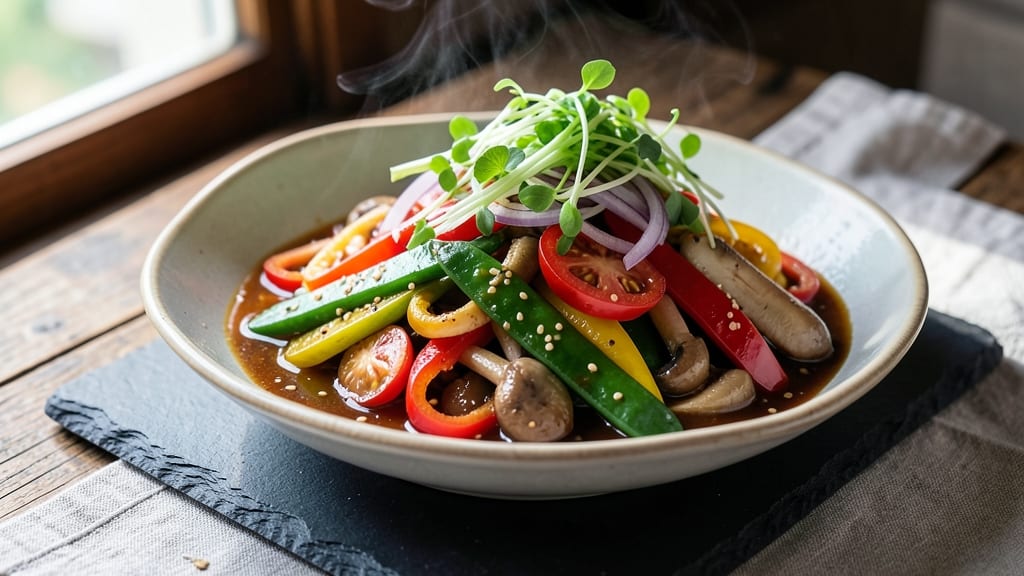
This Asian vegetable stir fry sauce recipe transforms simple wok vegetables into a flavor explosion with just 10 minutes of prep and simmering. The secret lies in balancing umami-rich soy sauce with sweet maple syrup, aromatic ginger, and a whisper of chili for depth—no complicated techniques required.
I developed this sauce after years of testing stir fry combinations, and it consistently delivers that restaurant-quality glossy finish that clings to every crisp-tender vegetable.
The magic happens when you simmer all ingredients together until the sauce thickens slightly, creating a glossy glaze that caramelizes beautifully on high heat. This sauce works equally well with tofu, noodles, or a colorful medley of bell peppers, broccoli, and snap peas.
The best part? It keeps well in the fridge for up to a week, so you can make a big batch and use it throughout the week for quick weeknight dinners.
What you'll end up with is a sauce that's perfectly balanced—sweet enough to complement vegetables, tangy from rice vinegar, and packed with umami from soy sauce and sesame oil. The ginger and garlic add aromatic depth, while a touch of chili brings just enough heat to make every bite exciting.
This isn't just a sauce; it's the foundation for restaurant-quality stir fries that come together in minutes.
Whether you're cooking for one or feeding a crowd, this versatile sauce adapts effortlessly. Use it as a dipping sauce, toss it with cooked vegetables, or drizzle it over noodles for instant flavor.
The possibilities are endless, and the results are always impressive. Let's make this sauce that will elevate your stir fry game forever.
Ingredients for asian vegetable stir fry sauce
Nine ingredients create this umami-packed stir fry sauce that clings like restaurant magic.
| Ingredient | Amount | Notes |
|---|---|---|
| Low-Sodium Soy Sauce 🍶 | ½ cup | Kikkoman preferred for depth |
| Pure Maple Syrup 🍯 | ¼ cup | Grade B for robust flavor |
| Rice Vinegar 🍶 | ¼ cup | Seasoned for tangy balance |
| Fresh Ginger 🧄 | 2 tbsp | Finely grated, aromatic |
| Garlic Cloves 🧄 | 4 cloves | Minced, fresh preferred |
| Sesame Oil 🫒 | 1 tbsp | Toasted for nutty aroma |
| Red Chili Flakes 🌶️ | 1 tsp | Adjust for heat preference |
| Cornstarch 🌾 | 1 tbsp | For thickening consistency |
| Toasted Sesame Seeds 🌰 | 1 tbsp | For garnish and crunch |
| Vegetable Oil 🫒 | 1 tbsp | High smoke point preferred |
The soy sauce is the flavor anchor—Kikkoman delivers that perfect umami balance, but any quality low-sodium brand works. Maple syrup might seem unusual, but its caramel notes complement the vegetables beautifully—Grade B has deeper flavor than Grade A. Fresh ginger and garlic are non-negotiable here; pre-minced jarred versions lack the aromatic punch. Trader Joe's often carries pre-grated ginger if you're short on time, but it's worth grating your own for that fresh zing. The sesame oil adds nutty depth, so don't skimp—look for toasted varieties in the international aisle for maximum flavor.
No soy sauce? Coconut aminos work in a pinch, though the flavor will differ slightly. Swap maple syrup for agave nectar or brown sugar dissolved in water if needed. Fresh ginger too strong? Use half the amount of ground ginger, but you'll lose some complexity. The chili flakes can be omitted entirely if you're sensitive to heat, or substitute with a pinch of cayenne for a smoother burn. Cornstarch is essential for that glossy finish—arrowroot powder works too at the same ratio. For extra richness, stir in 1 tsp of miso paste during the final simmer.
This sauce keeps beautifully—1 week refrigerated or 3 months frozen in airtight containers. I double the batch every time and freeze half in ice cube trays for perfect single-use portions. When reheating, add a splash of water to restore that glossy consistency. The sesame seeds should be toasted fresh before garnishing—heat them in a dry pan for 30 seconds to maximize aroma. This sauce transforms even the simplest stir fry into a restaurant-worthy dish, so don't hesitate to make extra.
Why You'll Love This Recipe
- Five-Ingredient Magic: I swear, this sauce comes together with what’s already in my pantry—no specialty shopping. The maple syrup cuts through the saltiness while the ginger and garlic add depth without needing a spice rack.
- Sweet-Savory Balance: That first bite? The soy’s umami meets the vinegar’s tang, then—boom—the maple syrup softens it into something dangerously addictive. Honestly, I’ve made stir-fry before, but this sauce makes me actually look forward to eating veggies.
- Meal Prep MVP: Double the batch, store it in the fridge, and toss it with whatever’s wilting in your crisper drawer. It’s my go-to for lazy nights or when I need to feed a crowd—just add protein and veggies, and call it dinner.
- Budget-Friendly Flex: No fancy ingredients, no markup—just real flavors that won’t break the bank. Between us, this sauce turns $3 bell peppers into something that tastes like a restaurant special. (Yes, even on a Tuesday night.)
Step-by-step instructions for Asian vegetable stir fry sauce
This sauce comes together faster than you can say "wok hei" - vibrant, balanced, and ready in minutes.
Bloom the Aromatics in Vegetable Oil
Heat the 1 tablespoon vegetable oil in a small saucepan over medium heat until shimmering but not smoking. Add the 4 cloves minced garlic cloves and 2 tablespoons finely grated fresh ginger - you'll immediately smell that bright, zesty aroma. Cook for 30-45 seconds until the garlic just begins to turn golden around the edges but doesn't brown completely. This prevents bitterness while maximizing flavor extraction.
Here's the thing - if you let the garlic brown, it'll add a harsh note that competes with the delicate balance we're building. I stir constantly with a wooden spoon, keeping everything moving so nothing sticks. The moment you see the garlic turning pale golden, it's time to move to the next step. This aromatic base forms the flavor foundation for our sauce.
Combine Wet Ingredients and Simmer
Pour in the 0.5 cup low-sodium soy sauce, 0.25 cup pure maple syrup, and 0.25 cup rice vinegar. Give everything a good stir to incorporate, then increase heat to medium-high. Bring to a gentle boil, then immediately reduce to medium-low heat and let simmer uncovered for 5-6 minutes. You want the sauce to reduce by about 25% - it should thicken noticeably and coat the back of a spoon.
I like to taste at this stage to check the balance. The soy sauce provides umami depth, the maple syrup adds natural sweetness, and the rice vinegar brings that essential tang. If it needs more acidity, add a splash more vinegar. If it's too sharp, a tiny bit more maple syrup helps round it out. The sauce should smell complex - sweet, salty, tangy, and just a hint of that fresh ginger aroma.
Incorporate the Thickener
In a small bowl, whisk together the 1 tablespoon cornstarch with 2 tablespoons cold water until completely dissolved. This creates a smooth slurry that will thicken our sauce beautifully. Pour this mixture into the simmering sauce while stirring constantly with a wooden spoon. The sauce will thicken dramatically within 1-2 minutes - keep stirring until it reaches a glossy, syrupy consistency that coats the spoon completely.
If the sauce thickens too much too quickly, add 1 tablespoon hot water to loosen it. We want it to be thick enough to cling to vegetables but still flow smoothly when tossed. The cornstarch gives us that perfect wok sauce texture - not too thin like a marinade, not too thick like a glaze. This is where the magic happens, transforming our simple ingredients into something truly special.
Finish with Heat and Aroma
Remove the sauce from heat and stir in the 1 tablespoon sesame oil and 1 teaspoon red chili flakes. The sesame oil adds that nutty depth while the chili flakes introduce just a hint of heat. Taste again and adjust seasoning if needed - perhaps a touch more soy sauce for saltiness or a splash of vinegar for brightness. The sauce should be perfectly balanced: sweet, salty, tangy, with just a whisper of heat.
Let the sauce sit at room temperature for 5 minutes before using. This resting period allows all the flavors to meld together completely. The sauce will continue to thicken slightly as it cools, so don't worry if it looks a bit too thin right after making it. When you're ready to use it, give it one final stir and toss it with your favorite stir-fry vegetables for that restaurant-quality glaze you've been craving.
Pro Tips For Making Asian Vegetable Stir Fry Sauce
- Mince That Ginger Fine: I learned this the hard way—chunky ginger just sits in stir-fry sauce like little rocks. Use a microplane or the smallest blade of your grater to turn it into a paste. No food processor? A sharp knife and a cutting board, but chop it smaller than you think you need—it’ll dissolve into the sauce and add depth without texture.
- Bloom the Garlic First: Skip the sizzle, and you’ll just end up with raw garlic flavor. Heat your pan or wok until it’s ripping hot, then toss in the minced garlic and let it sizzle for 10 seconds—just until it turns golden and smells like heaven. Then add the ginger and soy sauce. This makes all the difference in balancing sweetness.
- Taste Before You Sweeten: Dump in the maple syrup without checking, and you’ll end up with something cloying. After adding soy sauce and vinegar, take a spoonful of the hot sauce off the heat and let it cool just enough to taste. Adjust the maple syrup gradually—you can always add more, but you can’t take it out.
- Deglaze with Vinegar Last: If you add rice vinegar too early, it’ll evaporate before the sauce comes together. Wait until the garlic and ginger are fragrant and the soy sauce has had a chance to caramelize slightly—then splash in the vinegar. Let it bubble for 30 seconds to brighten the sauce without turning it sour.
Common mistakes when making perfect results
Over-Simmering the Sauce
One of the most common mistakes is letting the sauce simmer too long after adding cornstarch. Once that slurry hits the pot, the sauce will thicken rapidly—usually within 1-2 minutes.
If you walk away or keep simmering beyond that, you risk burning the cornstarch, which creates a bitter, grainy texture instead of that glossy finish. I’ve seen this happen when people get distracted or forget to taste test.
The sauce should coat the back of a spoon smoothly, not clump or separate. If it starts looking too thick, immediately add 1 tablespoon hot water to restore balance. 🔥
Skipping the Aromatic Bloom
Many home cooks rush the garlic and ginger step, either skipping it entirely or cooking the aromatics too long. The 30-45 second bloom is crucial—it releases their essential oils without letting them burn.
If you skip this step or let the garlic brown, you’ll end up with a harsh, bitter flavor that overpowers the sauce’s delicate balance. I’ve noticed this mistake most often when people use pre-minced garlic from jars, which lacks the freshness needed.
Always use fresh garlic and ginger, and keep stirring to prevent sticking. The moment you smell that bright, zesty aroma, it’s time to move on.
Using the Wrong Vinegar
The recipe calls for rice vinegar, not white vinegar or apple cider vinegar. White vinegar is far too harsh and will make your sauce taste sour and unbalanced. Apple cider vinegar adds a fruity note that doesn’t complement the umami and sweetness of the sauce.
If you only have white vinegar on hand, reduce it to 1 tablespoon and add 1 extra teaspoon of maple syrup to soften the acidity. The tang from rice vinegar is what gives the sauce its bright, authentic flavor—don’t skip it! 🍶
Ignoring the Resting Period
After making the sauce, many people can’t wait to toss it with their vegetables. But letting it sit for 5 minutes at room temperature is key—it allows the flavors to meld and the sauce to thicken slightly as it cools.
If you use it immediately, it might be too thin and lack that restaurant-quality cling. I’ve seen this mistake lead to saucy, soggy stir-fries instead of the glossy, well-coated results you want. Trust the process and let it rest! ⏳
Substituting Low-Quality Soy Sauce
Not all soy sauces are created equal. Using regular soy sauce (high in sodium) or a cheap brand will make your sauce taste flat and overly salty. The recipe specifies low-sodium soy sauce, like Kikkoman, because it provides the perfect umami depth without overwhelming the other flavors.
If you’re out of low-sodium, reduce the amount to 3 tablespoons and add a pinch of salt to taste. The difference in quality is noticeable—your sauce will thank you for the investment! 🧂
Forgetting to Toast Sesame Seeds
Many people skip toasting the sesame seeds or add them straight from the bag. Toasting them in a dry pan for 30 seconds until fragrant makes all the difference—they add a nutty crunch and aroma that fresh seeds can’t match.
If you forget, you’ll miss that extra layer of texture and depth in your dish. I always toast them fresh right before garnishing to maximize their flavor. A quick 30-second toast is worth the effort for that restaurant-quality finish! 🌰
Nutrition facts
Frequently asked questions about Asian vegetable stir fry sauce
Can I make this sauce without cornstarch?
You can substitute 1 tablespoon arrowroot powder or 1 teaspoon xanthan gum for the cornstarch, but the texture will differ slightly. For a cornstarch-free version, try reducing the sauce longer (8-10 minutes) to achieve natural thickening, though it won't be as glossy. The sauce will still work—just expect a slightly thinner consistency that may require tossing vegetables more carefully.
How can I adjust this sauce for spicier flavors?
For extra heat, add ½ teaspoon of gochugaru (Korean chili flakes) or ¼ teaspoon of cayenne pepper along with the red chili flakes. For a smoky kick, stir in ½ teaspoon of smoked paprika after removing from heat. If you prefer fresh chili, add 1 finely chopped Thai chili during the aromatic bloom step. Always taste as you go!
What vegetables work best with this sauce?
This sauce shines with bell peppers, broccoli, snap peas, mushrooms, carrots, and bok choy. For extra texture, add water chestnuts or edamame. Avoid overly watery vegetables like zucchini or tomatoes unless you want a thinner sauce. The key is to blanch or stir-fry vegetables until crisp-tender (2-3 minutes) before tossing with the sauce.
Can I make this sauce ahead and store it?
Yes! Store in an airtight container in the fridge for up to 1 week or freeze for 3 months. For easy use, freeze in ice cube trays—thaw one cube at a time for perfect single servings. When reheating, add 1 teaspoon water per ¼ cup sauce to restore glossiness. The flavors actually improve after resting overnight!
What if my sauce tastes too sweet or salty?
For too sweet: Add 1 teaspoon rice vinegar and reduce maple syrup by 1 tablespoon next time. For too salty: Dilute with 1 tablespoon water and add ½ teaspoon maple syrup. If using regular soy sauce, reduce to 3 tablespoons and add ½ teaspoon salt to balance. Always taste during simmering to adjust!