
Sauces & Condiments
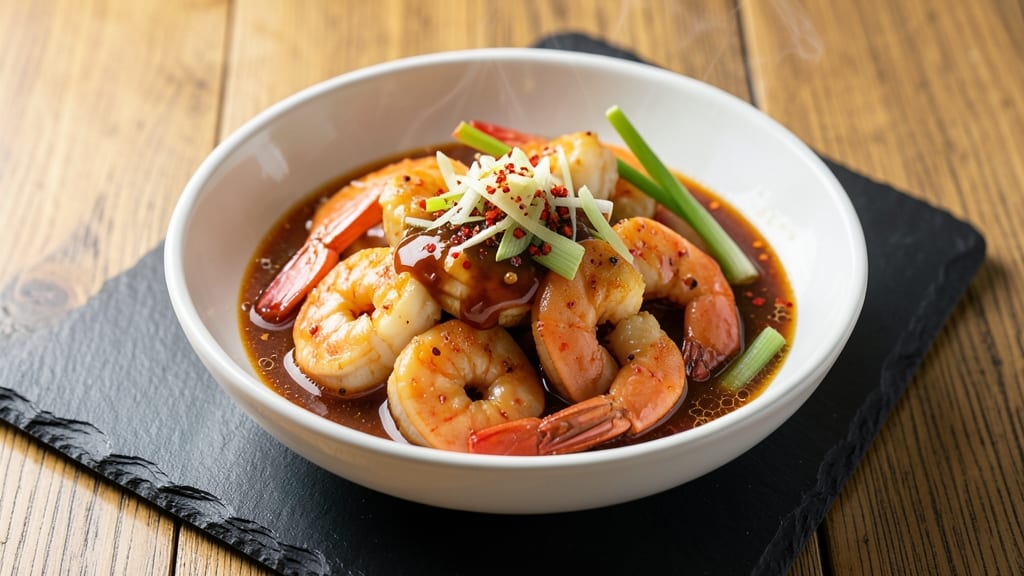
This Asian shrimp sauce recipe transforms simple pantry staples into a versatile, sweet-spicy condiment that elevates everything from stir-fries to grilled shrimp. 🌟 The harmony of soy, ginger, garlic, and chili creates a balanced flavor profile that’s both authentic and adaptable—perfect for dipping, marinating, or finishing dishes with restaurant-quality depth.
The secret lies in simmering aromatics until fragrant, then blending them with a touch of honey or sugar to mellow the heat while keeping it vibrant. Unlike store-bought versions, this sauce builds layers of flavor as it reduces, intensifying with each use.
It’s the kind of condiment that turns a simple meal into something memorable.
What you’ll end up with is a glossy, umami-rich sauce with just the right kick—sweet enough to caress your palate, spicy enough to linger, and savory enough to make every bite sing.
The best part? It keeps well in the fridge for up to a week, so you can make a batch and use it all week long.
Whether you’re tossing it with noodles, drizzling it over grilled shrimp, or using it as a dipping sauce for spring rolls, this recipe delivers restaurant-quality results with minimal effort. Let’s get started!
Ingredients for asian shrimp sauce
Nine simple ingredients create this restaurant-quality sauce that'll transform shrimp into something extraordinary.
| Ingredient | Amount | Notes |
|---|---|---|
| Soy Sauce 🍶 | ½ cup | Light or dark, to taste |
| Honey 🍯 | ¼ cup | Or agave for vegan option |
| Rice Vinegar 💧 | ¼ cup | White or seasoned |
| Fresh Ginger 🌿 | ¼ cup | Finely grated, peel on |
| Garlic Cloves 🧄 | 6 cloves | Minced, not powdered |
| Red Chili Flakes 🌶️ | 1 tbsp | Adjust for heat preference |
| Sesame Oil 🫒 | 1 tbsp | Toasted, for aroma |
| Toasted Sesame Seeds 🌾 | 1 tbsp | For garnish and crunch |
| Cornstarch 🌾 | 1 tsp | For thickening |
| Water 💧 | ¼ cup | For thinning as needed |
The ginger and garlic are the flavor foundation—fresh is non-negotiable here. Grab the ginger from the produce section (not the jarred kind) and look for a piece that's firm and free of soft spots. Whole Foods or Trader Joe's usually have the freshest ginger, but any grocery store's produce aisle will work. For garlic, those pre-minced jars are convenient but lack the punch of freshly minced cloves. If you're feeling fancy, roast the garlic first—wrap whole cloves in foil, roast at 400°F for 10 minutes, then mince. The caramelized flavor adds depth that store-bought sauces can't match.
No sesame oil? Toasted sesame seeds + neutral oil works in a pinch (toast seeds in dry pan, grind, then mix with oil). Running low on rice vinegar? Apple cider vinegar gives a slightly different tang, but it's still delicious. The chili flakes can be swapped for fresh chili or sriracha, but adjust the amount—fresh is hotter. For a smoother sauce, blend in 1 tbsp peanut butter (trust me, it balances the heat). If you're making this ahead, store-bought shrimp stock can replace half the water for extra umami—just don't tell anyone I suggested it.
This sauce gets better as it sits—24 hours in the fridge lets flavors meld beautifully. Store in a glass jar with a tight lid; the flavors concentrate over time. If it thickens too much, add a splash of water or vinegar to loosen. For leftovers, I like to freeze it in ice cube trays—perfect for adding to dishes later. The sesame seeds keep best in the freezer, so add them fresh when serving. Makes about 1.5 cups, which is perfect for a week's worth of meals.
Why You'll Love This Recipe
- Five-Ingredient Magic: I swear by this combo—soy sauce, honey, and rice vinegar do all the heavy lifting while ginger and garlic add that bright, zesty punch. No weird spices or hard-to-find ingredients; just pantry staples that actually taste like they belong together.
- Umami Bomb: That first hit of garlic sizzling in the pan? Then the honey cutting through the soy’s saltiness—it’s the kind of balance that makes you pause mid-bite. Honestly, I’ve tried store-bought sauces that cost twice as much, and this beats them every time.
- Weeknight to Party: Drizzle it over shrimp skewers for a 20-minute dinner, or toss it with noodles when you’re exhausted. Even my picky teen asks for it—(yes, even on a Tuesday night). The sauce keeps well too, so I double the batch and stash it for lazy mornings.
- Pocketbook Hero: A jar of soy sauce and a head of garlic won’t break the bank, and this sauce stretches farther than you’d think. I’ve used it on everything from takeout leftovers to grilled chicken, and it’s always the MVP. No sad, wilted ingredients here—just pure flavor efficiency.
Step-by-step instructions for sweet-spicy soy-ginger shrimp sauce
This sauce brings bold Asian flavors to life with minimal effort—perfect for stir-fries, noodles, or dipping.
🍳 Step 1: Sauté Ginger and Garlic Until Aromatic
Heat 1 tablespoon sesame oil in a small saucepan over medium heat. Add the 0.25 cup finely grated fresh ginger and 6 minced garlic cloves, stirring constantly for 1-2 minutes until fragrant but not browned. This step unlocks the sauce's depth—ginger should smell bright and citrusy, while garlic should be soft but not crisp.
I like to press the ginger through a grater with the peel on for maximum flavor. If you see the mixture darken, reduce the heat slightly—burnt aromatics ruin the sauce. Keep the pan moving so nothing sticks to the bottom.
🍳 Step 2: Combine Wet Ingredients and Simmer
Pour in the 0.5 cup soy sauce, 0.25 cup rice vinegar, and 0.25 cup honey, stirring to dissolve the ginger and garlic completely. Bring the mixture to a gentle simmer over medium-low heat, then reduce heat to low and let it bubble away for 5-7 minutes until slightly thickened.
The sauce should reduce by about 25%—you'll see it darken and coat the back of a spoon. This is where the sweet-spicy balance comes together. If it thickens too quickly, add 1 tablespoon water to keep it smooth.
🔥 Step 3: Add Chili and Thicken the Sauce
Stir in the 1 tablespoon red chili flakes and let them toast in the sauce for 30 seconds—just enough to wake up their heat without burning. Sprinkle the 1 teaspoon cornstarch over the surface and whisk vigorously for 1 minute until fully dissolved.
Let the sauce thicken for another 2-3 minutes—it should coat a spoon with a glossy, velvety consistency. Taste and adjust: add more soy sauce for saltiness, honey for sweetness, or rice vinegar for tang. This is your flavor calibration moment.
🥘 Step 4: Finish and Garnish for Texture
Remove from heat and stir in the 1 tablespoon toasted sesame seeds. These add a nutty crunch that cuts through the sauce's richness. Let the sauce sit for 5 minutes—it'll thicken slightly more as it cools. If it's too thick when ready to use, thin with 1-2 tablespoons water.
This sauce keeps well in the fridge for 5 days—it actually improves as flavors meld. For extra shine, give it a quick whisk before serving. Drizzle over shrimp stir-fries, toss with noodles, or serve as a dipping sauce for spring rolls.
Pro Tips For Making Asian Shrimp Sauce
- Simmer Slow and Low: I used to blast this sauce on high heat, thinking it’d cook faster—big mistake. After the garlic burned and the honey turned bitter, I learned to keep it at a gentle simmer. Let the flavors meld without rushing, or you’ll end up with a one-note, charred mess instead of that rich, balanced glaze.
- Peel and Mince Ginger Like a Pro: Skip the pre-grated ginger from the jar—it’s mushy and dull. Use a microplane or the edge of a knife to make fine, even shreds. This way, the ginger dissolves smoothly into the sauce instead of clumping like sad little islands. (Yes, even if you’re impatient like me.)
- Balance the Honey Early: Add half the honey upfront, then taste before adding the rest. Honey can turn this sauce cloyingly sweet fast, and you’ll regret it if you dump it all at once. A quick sip after the first addition lets you adjust—soy and vinegar need room to play.
- Toast Garlic Until Golden: Don’t just chop and toss—sauté those garlic cloves in oil until they’re fragrant and just turning golden. This step makes the difference between "meh" and "oh wow." If you skip it, the sauce will taste flat, like someone forgot to season it. (And trust me, you’ll notice.)
Regional styles of this dish
Thai-Inspired Chili-Lime
This version swaps soy for fish sauce and adds lime zest and bird's eye chili for a tangy, fiery kick. Use 0.5 cup fish sauce, 0.3 cup lime juice, 1 tbsp lime zest, and 1 tbsp minced bird's eye chili (seeds removed for less heat).
The sauce works beautifully with grilled shrimp skewers or as a dip for fresh spring rolls. 🌶️
Japanese Miso-Ginger
For a richer, fermented depth, replace soy sauce with 0.3 cup white miso paste and 0.2 cup soy sauce. Add 1 tbsp mirin and 1 tsp grated daikon radish for umami complexity.
Simmer the miso gently to avoid bitterness—this sauce pairs perfectly with sushi-grade shrimp or as a marinade for teriyaki-glazed dishes. The texture becomes velvety with a subtle funk. 🍶
Korean Gochujang Twist
Blend in 2 tbsp gochujang (Korean chili paste) with the ginger and garlic, then proceed with the original recipe. Add 1 tbsp toasted sesame seeds and 1 tsp toasted sesame oil at the end.
This version has a deeper red hue and smoky-sweet balance. Serve with Korean-style fried shrimp or as a dipping sauce for tteokbokki (rice cakes). 🌟
Vietnamese Nuoc Cham Fusion
Create a tangy-sweet sauce by adding 0.3 cup fish sauce, 0.3 cup sugar, and 0.3 cup lime juice to the base. Reduce the honey to 0.1 cup and omit the chili flakes (use 1 tsp sriracha instead).
This lighter, brighter sauce works as a dipping sauce for spring rolls or as a glaze for grilled shrimp. The balance of sweet, salty, and sour makes it irresistible. 🍋
Chinese Five-Spice Glaze
Infuse the sauce with 0.5 tsp Chinese five-spice powder while simmering the aromatics. Add 1 star anise pod (removed before serving) and 1 cinnamon stick (also removed) for warmth.
This version has a subtle floral note that complements sweet-and-sour shrimp or stir-fried noodles. The five-spice adds complexity without overpowering the ginger and garlic. 🌿
Modern Fusion: Peanut-Sesame
For a creamy twist, blend in 2 tbsp smooth peanut butter with the wet ingredients. Add 1 tsp sriracha and 1 tsp toasted peanut oil at the end. This sauce is perfect for peanut shrimp or as a drizzle over rice bowls.
The peanut butter mellows the heat while adding richness. Store in the fridge for up to 5 days—it thickens slightly but thins easily with water. 🥜
Nutrition facts
Frequently asked questions
Can I make this sauce without cornstarch?
Yes! If you don't have cornstarch, use 1 teaspoon arrowroot powder instead—it thickens similarly. For a starch-free option, simmer the sauce longer (10-15 minutes) to reduce it naturally, or blend in 1 tablespoon peanut butter for body. The texture will be slightly thinner but still delicious.
How spicy should the sauce be?
The recipe calls for 1 tablespoon chili flakes, which gives a mild-medium heat. For less spice, reduce to ½ tablespoon or swap for ¼ teaspoon cayenne pepper. For extra kick, add 1 teaspoon minced fresh chili (like jalapeño or Thai bird's eye). Taste as you go—you can always adjust!
What’s the best way to store leftovers?
Transfer the sauce to an airtight container and refrigerate for up to 5 days. It actually improves in flavor as the ingredients meld! For longer storage, freeze in ice cube trays—thaw and use as needed. Add a splash of water if it thickens too much after freezing. The sesame seeds should be added fresh before serving.
Can I use this sauce for cooking shrimp?
Use it as a marinade for 15-20 minutes before grilling or pan-searing shrimp. For extra flavor, toss cooked shrimp in the sauce and let it sit for 5 minutes before serving. The sauce also works as a dipping sauce or finishing glaze—just thin it slightly with water if needed for drizzling.
Why does my sauce look too thin?
Sauce thickness depends on simmering time. If it's too thin, return it to low heat and simmer uncovered for 3-5 more minutes, stirring occasionally. For a quick fix, mix ½ teaspoon cornstarch with 1 tablespoon cold water, stir into the sauce, and cook for 1 minute until thickened. Avoid over-simmering—it can make the sauce bitter.