
Sauces & Condiments
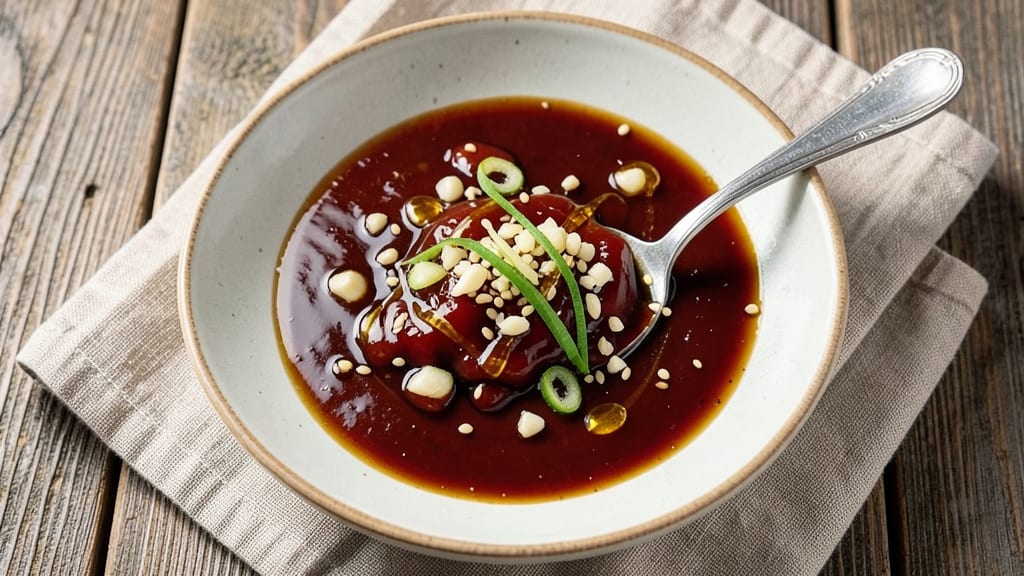
This Asian pork sauce recipe delivers the perfect balance of sweet, savory, and umami—ideal for transforming simple stir-fries into restaurant-quality meals. The secret lies in simmering soy sauce, hoisin, honey, and vinegar until thick and glossy, creating a glaze that caramelizes beautifully on pork, chicken, or vegetables.
I developed this sauce after years of testing, and it’s now my go-to for weeknight cooking—rich enough for takeout cravings but simple enough for a weeknight dinner.
The sauce builds flavor through reduction, where the liquid evaporates and sugars caramelize, intensifying the taste. You’ll need just 15 minutes of active cooking time, plus a few minutes to let the flavors meld.
The result? A glossy, sticky glaze that clings to proteins and vegetables, adding depth to every bite. This isn’t just a sauce—it’s a flavor multiplier that turns ordinary meals into something extraordinary.
What makes this sauce stand out is its versatility. Use it as a glaze for grilled pork belly, a dipping sauce for spring rolls, or a stir-fry sauce that elevates tofu and vegetables.
The ingredients are simple—soy sauce, hoisin, honey, garlic, and vinegar—but the technique ensures a professional-quality finish. Once you taste the difference between store-bought and homemade, you’ll never go back.
Store the sauce in the fridge for up to 2 weeks or freeze it for 3 months, making it perfect for meal prep. The flavors only deepen over time, so you’ll find yourself reaching for this jar again and again. Let’s get started—your taste buds will thank you.
Ingredients for asian pork sauce
Nine simple ingredients transform into a restaurant-quality glaze that elevates stir-fries to new heights.
| Ingredient | Amount | Notes |
|---|---|---|
| Light Soy Sauce 🍶 | ½ cup | High-quality, low-sodium preferred |
| Dark Soy Sauce 🍶 | ¼ cup | Adds depth and color |
| Hoisin Sauce 🍶 | ¼ cup | Traditional Chinese fermented bean sauce |
| Honey 🍯 | ¼ cup | Pure, thick-cut preferred |
| Rice Vinegar 🍶 | ¼ cup | White or seasoned variety |
| Garlic Cloves 🧄 | 6 cloves | Freshly minced for bright flavor |
| Fresh Ginger 🌿 | 2 tbsp | Finely grated, aromatic |
| Sesame Oil 🫒 | 1 tbsp | Toasted for nutty aroma |
| Cornstarch 🌾 | 1 tbsp | For thickening the glaze |
| Water 💧 | ½ cup | For thinning and reduction |
The soy sauces are the backbone of this sauce—Kikkoman light soy for saltiness and Lee Kum Kee dark soy for that signature mahogany color. Hoisin sauce adds the umami depth, so look for a brand with visible bean chunks—it means better quality. Honey should be pure, thick-cut (the kind that doesn't crystallize instantly), and Trader Joe's or Whole Foods carry excellent options. Fresh garlic and ginger are non-negotiable here; frozen or jarred versions lack the aromatic punch. If you're using ginger from the root, peel and grate it fresh—it makes all the difference.
No hoisin sauce? Substitute with an extra 2 tbsp soy sauce plus 1 tsp molasses for a similar depth. Running out of sesame oil? Avocado oil works in a pinch, though it lacks the toasted aroma. For a tangier finish, add an extra splash of rice vinegar, but watch the balance—too much can overpower the sweetness. The cornstarch is key for that glossy finish; if you don't have it, arrowroot powder works just as well. And if your sauce isn't thickening enough, simmer longer—patience pays off here.
This sauce tastes even better the next day as the flavors meld. Store it in a glass jar in the fridge for up to 2 weeks, or freeze it in ice cube trays for single-use portions. The glaze thickens as it cools, so give it a quick stir before using. I like to make a double batch—one for immediate use and one to stash in the freezer. Thaw overnight in the fridge for the best texture, and it reheats beautifully in the microwave or on the stovetop.
Why You'll Love This Recipe
- Pantry Magic: I swear by this one—no fresh herbs, no fancy prep. Just open those bottles (light soy, dark soy, hoisin) and stir while the pork cooks. That honey and rice vinegar balance? Chef’s kiss with zero effort.
- Umami Bomb: The combo of dark soy’s depth and hoisin’s sweetness wraps around every bite like a hug. I’ll be real: I’ve made this sauce three times this week because it’s that good—even my picky husband asks for seconds.
- Leftovers’ Best Friend: This sauce keeps for days in the fridge, so I make a double batch. Drizzle it over rice, toss with noodles, or even slather it on grilled chicken. Honestly, it’s my lazy Sunday lunch solution.
- Budget Win: Light soy, dark soy, hoisin—all shelf-stable, all affordable. A little goes a long way, and you’re not hunting down obscure ingredients. Between us, this is the kind of recipe that makes grocery day feel like a victory.
Step-by-step instructions for Asian pork sauce
This sweet-savory glaze comes together in minutes with bold umami flavors.
Prepare the Aromatics and Base
In a small bowl, finely mince the 6 cloves garlic cloves and grate the 2 tablespoons fresh ginger using a microplane or fine grater. The goal is to create a paste-like consistency—this ensures even distribution of flavor throughout the sauce. Set these aside temporarily.
In a medium saucepan, combine the 0.5 cup light soy sauce, 0.25 cup dark soy sauce, 0.25 cup hoisin sauce, and 0.25 cup honey. Stir gently to integrate the ingredients without creating bubbles. This foundational mixture forms the backbone of your sauce, balancing sweetness with deep savory notes. Keep the heat at a whisper-low setting—you're not cooking yet, just preparing the stage for the aromatics.
Build the Flavor Base
Add the minced garlic and grated ginger to the saucepan and increase the heat to medium-low. Let the mixture simmer gently for 3-4 minutes, stirring occasionally. You'll notice the aromatics release their oils, filling your kitchen with an intoxicating blend of garlic and ginger. This step is crucial—it develops the aromatic foundation that elevates the sauce from good to extraordinary.
After 3-4 minutes, carefully pour in the 0.25 cup rice vinegar. The vinegar adds a bright acidity that cuts through the richness of the soy and honey. Stir well and let the mixture simmer for another 2 minutes, allowing the vinegar to mellow and integrate with the other flavors. The sauce should now smell complex, with layers of sweet, salty, and tangy aromas.
Thicken the Sauce to Perfection
In a small bowl, whisk together the 1 tablespoon cornstarch and 0.5 cup water until completely dissolved. This slurry is your secret weapon for achieving the ideal glaze consistency—thick enough to coat proteins beautifully but still fluid enough to drizzle. Slowly pour the cornstarch mixture into the simmering sauce while stirring continuously with a wooden spoon.
Return the heat to medium-low and let the sauce simmer for 3-5 minutes, stirring frequently. You're looking for a glossy, syrupy texture that coats the back of a spoon. The sauce should thicken noticeably, but it should still flow smoothly rather than clump. If it thickens too quickly, add a splash of water—1 tablespoon at a time—to adjust the consistency to your liking.
Finish with Sesame Oil and Rest
Remove the saucepan from heat and stir in the 1 tablespoon sesame oil. The sesame oil adds a nutty aroma and a velvety richness that ties all the flavors together. Give it a final taste and adjust the seasoning if needed—perhaps a touch more soy sauce for saltiness, or a drizzle of honey for sweetness. The sauce should be balanced, with all flavors harmonizing perfectly.
Let the sauce rest for 10 minutes at room temperature. This resting period allows the flavors to meld and the sauce to reach its peak consistency. Once rested, your Asian pork sauce is ready to transform stir-fries, glazed meats, or even drizzle over rice. The sauce will keep in the refrigerator for up to 2 weeks, making it a versatile pantry staple for quick weeknight meals.
Pro Tips For Making Asian Pork Sauce
- Simmer Low and Slow: Start with a medium-high heat to build flavor fast, but once everything’s combined, drop to a gentle simmer—no boiling. I’ve seen sauces turn bitter or separate when rushed, and this keeps the hoisin and honey from curdling or overpowering the light soy’s delicate taste.
- Balance the Soy Sauces: Measure the dark soy sauce first, then adjust the light. Dark soy adds color and depth, but too much can make the sauce taste flat; light soy carries the saltiness. I used to eyeball it and ended up with a muddy brown sludge—now I start with 1 tablespoon dark to 3 tablespoons light and tweak from there.
- Deglaze Before Adding Vinegar: Scorch the pan after searing pork (if using), then hit it with a splash of water or broth to loosen the browned bits. Then add the rice vinegar—this prevents a harsh, unbalanced tang. I learned this after a batch tasted like someone dumped vinegar straight into soy sauce. The deglaze smooths out the acidity.
- Honey Last, Heat Off: Stir the honey in when the sauce is off the heat or at the very lowest simmer. It burns faster than you’d think, turning the whole thing into caramelized regret. I’ve ruined three batches this way—now I let the sauce cool slightly before adding it, then reheat gently if needed.
Storing and reheating your asian pork sauce
Fridge Storage Tips
Transfer your finished sauce to a clean, airtight glass jar—I recommend Ball mason jars for their tight seals. Store it in the fridge at 40°F or below for up to 2 weeks. The flavors actually deepen over time, so don’t hesitate to make a double batch.
When ready to use, give it a quick stir—the sauce thickens as it cools, so add a splash of water if needed to restore smooth consistency. 💧
Freezer Preservation
For longer storage, freeze the sauce in ice cube trays—this lets you use single portions without thawing the whole batch. Once frozen, transfer cubes to a ziplock freezer bag and flatten to save space.
Thaw overnight in the fridge for best texture, or microwave for 20-30 seconds on low power if you're in a hurry. The sauce reheats beautifully, making it perfect for meal prep. ❄️
Reheating Methods
For stovetop reheating, transfer sauce to a small saucepan and warm over low heat for 3-5 minutes, stirring constantly. Avoid boiling—just enough to restore warmth and gloss.
Microwave reheating works too: Heat for 30 seconds, stir, then continue in 10-second intervals until warmed through. The key is gentle heat to prevent separation. 🔥
Reviving Thickened Sauce
If your sauce thickens too much after storage, thin it with 1-2 teaspoons water or rice vinegar at a time. Stir well and let it sit for 2 minutes before testing again.
Never add more than 1 tablespoon total—this sauce should remain glossy, not watery. The cornstarch thickening is designed to be reversible with minimal effort. 💡
Sauce Stability Hacks
To prevent skin formation, press plastic wrap directly onto the sauce surface before sealing the jar. For extra insurance, add a small piece of parchment paper between the sauce and lid.
When reheating, always stir thoroughly—any settled cornstarch can create lumps if not redistributed properly. Patience here ensures a smooth, restaurant-quality glaze every time. ✨
Portion Control
Use 1-2 tablespoons per serving for stir-fries, 2-3 tablespoons for glazing meats, and 3-4 tablespoons for dipping sauces. For best results, warm the sauce slightly before using—cold sauce won't cling as effectively to proteins.
I keep a small jar in my fridge specifically for quick stir-fry sessions during the week. 🍳
Nutrition facts
Frequently asked questions
Can I make this sauce without hoisin?
For every 0.25 cup hoisin omitted, substitute with 2 tablespoons soy sauce plus 1 teaspoon molasses to mimic its sweet-savory depth. The sauce will still develop rich umami flavors, though hoisin's fermented complexity is hard to fully replicate.
Why did my sauce turn out too thin?
Sauce thinning usually happens when cornstarch isn't fully activated or simmering time is insufficient. For best results, simmer the sauce for 5-6 minutes after adding the cornstarch slurry, stirring constantly. If still too thin, mix 1 teaspoon cornstarch with 1 tablespoon water, stir in, and simmer another 2 minutes. Patience is key—don't rush the thickening process!
What proteins work best with this sauce?
This glaze shines with pork belly, chicken thighs, or tofu, but works beautifully with shrimp, beef, or even vegetables like eggplant. For pork, sear first to render fat, then brush with sauce during the last 2-3 minutes of cooking. For tofu, marinate for 10 minutes before stir-frying to maximize flavor absorption.
How can I adjust the sweetness level?
For less sweetness, reduce honey to 0.125 cup and add 1 extra tablespoon soy sauce for balance. For more sweetness, increase honey to 0.375 cup and add 1 teaspoon brown sugar to enhance caramelization. Taste as you go—flavors meld during simmering, so adjustments can wait until the end.
Can I make this sauce in a slow cooker?
Yes! Combine all ingredients in your slow cooker and cook on Low for 2-3 hours, stirring occasionally. The low heat prevents scorching while allowing flavors to develop. For thickening, mix cornstarch with 2 tablespoons cold water first, then stir into the sauce during the last 30 minutes of cooking. The result will be equally rich and flavorful.